Comprehensive Overview of Dallas Cowboys Cheerleaders: Making the Team Season 3
Season 3 of Dallas Cowboys Cheerleaders: Making the Team provides an in-depth look at the rigorous 2008 selection process for the world’s most famous cheerleading squad. Led by Director Kelli Finglass and Choreographer Judy Trammell, t...
Season 3 of Dallas Cowboys Cheerleaders: Making the Team provides an in-depth look at the rigorous 2008 selection process for the world’s most famous cheerleading squad. Led by Director Kelli Finglass and Choreographer Judy Trammell, the season follows candidates through grueling auditions and a high-stakes training camp to determine the final 36-member roster.
Contents
The Evolution of the DCC Franchise in Season 3
By the time Season 3 premiered in late 2008, the "Making the Team" series had transitioned from a one-off special into a cultural phenomenon for CMT. This specific season is often cited by fans as the era where the modern "DCC standard" was solidified. As of 2026, looking back at these episodes reveals the foundational elements that would define the franchise for nearly two decades: the emphasis on "the total package," the introduction of high-intensity fitness tracking, and the increasing technical difficulty of the dance routines.
The narrative of Season 3 focuses heavily on the professionalization of the cheerleader as an elite athlete and brand ambassador. Unlike earlier iterations where the focus was primarily on dance ability, Season 3 heightened the scrutiny on public speaking, physical fitness, and "photogenic" qualities. This season was also instrumental in establishing the iconic roles of Kelli Finglass and Judy Trammell as the ultimate arbiters of the DCC legacy, showcasing their unique "good cop, bad cop" dynamic in the deliberation room.
The Audition Process: From 600 to the Training Camp
The journey in Season 3 begins at Texas Stadium, the former home of the Dallas Cowboys. Over 600 hopefuls arrived for the preliminary rounds, which were quickly narrowed down through a series of increasingly difficult cuts. The selection process is divided into distinct phases, each designed to test a different facet of the candidate's potential.
The following table outlines the progression of the Season 3 audition phases and the primary criteria evaluated at each stage:
| Audition Phase | Primary Focus | Key Evaluators | Outcome |
|---|---|---|---|
| Preliminaries | Freestyle dance, physical appearance, and initial "spark." | DCC Alumni & Local Celebrities | Field narrowed to approx. 100-120 candidates. |
| Semi-Finals | Learning a choreographed routine and the iconic "kickline." | Judy Trammell & Selection Committee | Field narrowed to the "Finalists." |
| Business Interview | Communication skills, personality, and knowledge of the Cowboys. | Kelli Finglass & Charlotte Jones Anderson | Evaluates brand compatibility; no cuts yet. |
| Final Auditions | Solo performances and group dance on the stadium floor. | Full Panel of Judges | Selection of the Training Camp candidates. |
| Training Camp | Consistency, memory, stamina, and "showmanship." | Kelli Finglass & Judy Trammell | Final 36-member squad selection. |
Preliminary and Semi-Final Rounds
In the preliminary round, candidates dance in small groups for roughly 90 seconds. Judges look for immediate presence. In Season 3, the semi-finals introduced the candidates to the DCC style—a mix of jazz, pom, and traditional cheer. It was here that many technically trained dancers struggled with the "power" required for the DCC style, a recurring theme throughout the season.
The Critical Business Interview
A standout feature of Season 3 was the emphasis on the panel interview. Candidates were grilled on current events, Dallas Cowboys history, and hypothetical PR scenarios. Kelli Finglass famously noted that a dancer could be the best on the field, but if she could not represent the organization in a boardroom or a charity event, she would not wear the star. This segment highlighted the intelligence and professional backgrounds of many candidates, including teachers, nurses, and corporate professionals.
Inside the Training Camp: The Crucible of Season 3
The "Training Camp" portion of the season comprises the majority of the episodes. In Season 3, approximately 45 candidates were invited to the nightly rehearsals at the Valley Ranch practice facility. This is where the real pressure begins, as the "candidates" (rookies) and "veterans" (returning members) must compete for a limited number of spots.
The Role of Kelli Finglass and Judy Trammell
Kelli Finglass, as the Director, manages the "big picture"—uniforms, media presence, and the final roster decisions. Judy Trammell, the Choreographer, focuses on the technical precision of the dance. In Season 3, their collaboration reached a new level of intensity. They utilized video playback for the first time in a significant way, showing candidates their mistakes in slow motion. This "eye in the sky" approach meant that no error, however small, went unnoticed.
Fitness and Boot Camp with Jay Johnson
Season 3 heavily featured Jay Johnson, the uncompromising fitness trainer responsible for the DCC "Boot Camp." His role was to ensure that every candidate had the stamina to perform a 90-minute game-day set in the Texas heat. The "fat farm" or "weight warnings" seen in this season became a controversial but central part of the DCC narrative, emphasizing the strict aesthetic and physical requirements of the uniform.
Key Storylines and Notable Dancers of Season 3
Season 3 is remembered for several high-profile rookies who would go on to become legendary figures within the organization. One of the primary storylines involved the returning veterans. In the DCC world, no one is guaranteed a spot; veterans must re-audition every year.
- The Rookie Rise: This season introduced fans to Whitney Isleib, who would eventually become one of the most recognizable faces of the DCC. Her journey from a talented but "unpolished" rookie to a standout performer was a major arc.
- The Veteran Struggle: Several veterans faced "office visits"—the dreaded summons to Kelli’s office—due to perceived declines in their performance or fitness. This created a tension-filled atmosphere, as the rookies realized they could easily take a veteran's spot.
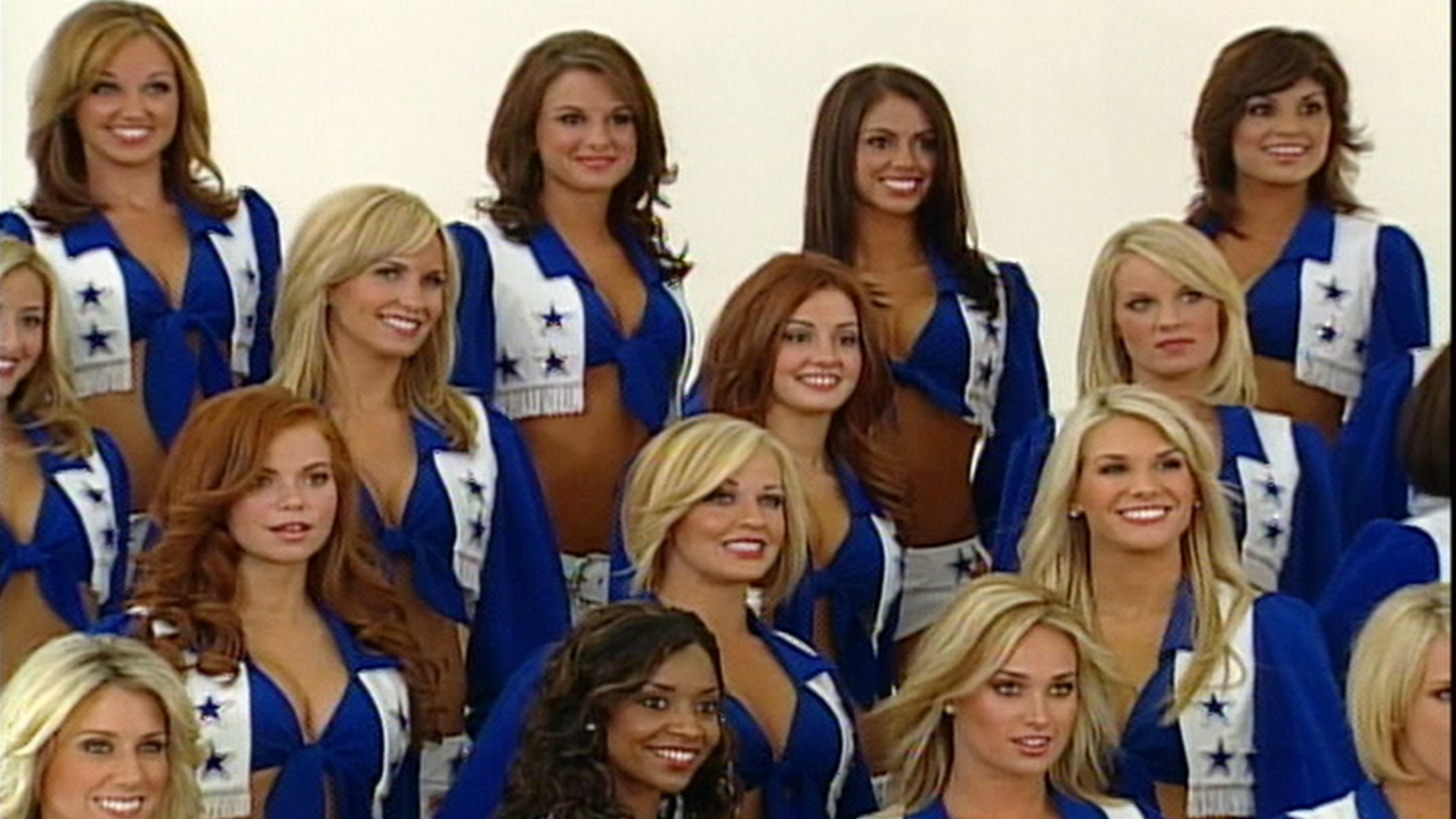
- The "Barbie" Look: Season 3 leaned into the "makeover" episode, where candidates were sent to high-end salons to achieve the "DCC look." This often involved dramatic hair color changes and extensions, reinforcing the idea that the DCC is as much a visual brand as it is a dance team.
Technical Requirements: The Kickline and the Jump Split
The hallmark of any DCC season is the perfection of the Kickline and the Jump Split. In Season 3, the technical difficulty was ramped up. Judy Trammell emphasized that the height of the kicks must be uniform across the entire line, regardless of the dancer's individual height.
The Jump Split—a move where the dancers drop into a full split from a standing position—remains the most physically demanding part of the routine. In Season 3, viewers saw the physical toll this took on the dancers, with many suffering from hip and hamstring injuries. The "point" of the triangle (the lead dancer) is also chosen during this season, a prestigious position that signifies the best dancer on the squad.
Where to Watch Season 3 in 2026
As of 2026, the legacy of Making the Team continues to thrive through various streaming platforms. While the DCC franchise has evolved with newer docuseries (such as the Netflix America's Sweethearts iteration), the original CMT seasons remain highly sought after for their nostalgic value and raw look at the audition process.
- Paramount+: Typically hosts the full library of the CMT era, including Season 3.
- Pluto TV: Often features a dedicated "Dallas Cowboys Cheerleaders" channel that airs back-to-back episodes of the original series.
- Digital Purchase: Platforms like Amazon Prime Video and Apple TV allow users to purchase Season 3 in high-definition, which has been digitally upscaled from the original 2008 broadcast format.
The enduring popularity of Season 3 lies in its authenticity. It captures a moment in time when the Dallas Cowboys Cheerleaders were transitioning into a global media brand while maintaining the rigid, traditional standards set by Tex Schramm and Tom Landry decades earlier.
Frequently Asked Questions
Who was the breakout star of Season 3?
While many dancers were successful, Whitney Isleib is often considered the breakout rookie of Season 3. She displayed an exceptional "it factor" that Kelli and Judy frequently praised, eventually leading to a long and decorated career as a veteran and a Pro Bowl representative for the squad.
How many people were cut in Season 3?
The auditions started with over 600 applicants. By the end of the final auditions, about 45 were taken to Training Camp. Throughout the summer-long camp, roughly 9-10 more candidates were cut to reach the final squad size of 36.
Is Season 3 available in 4K?
No, Season 3 was originally filmed in 2008 in standard/early high-definition. While some streaming services offer "upscaled" versions in 1080p or 4K, the source material remains limited by the technology of the era.
Do the cheerleaders get paid during Training Camp?
In Season 3, it was disclosed that candidates receive a modest "rehearsal pay," but the significant earnings come only after making the final squad and performing at games, appearances, and calendar shoots.
Why is Season 3 considered a "classic" season?
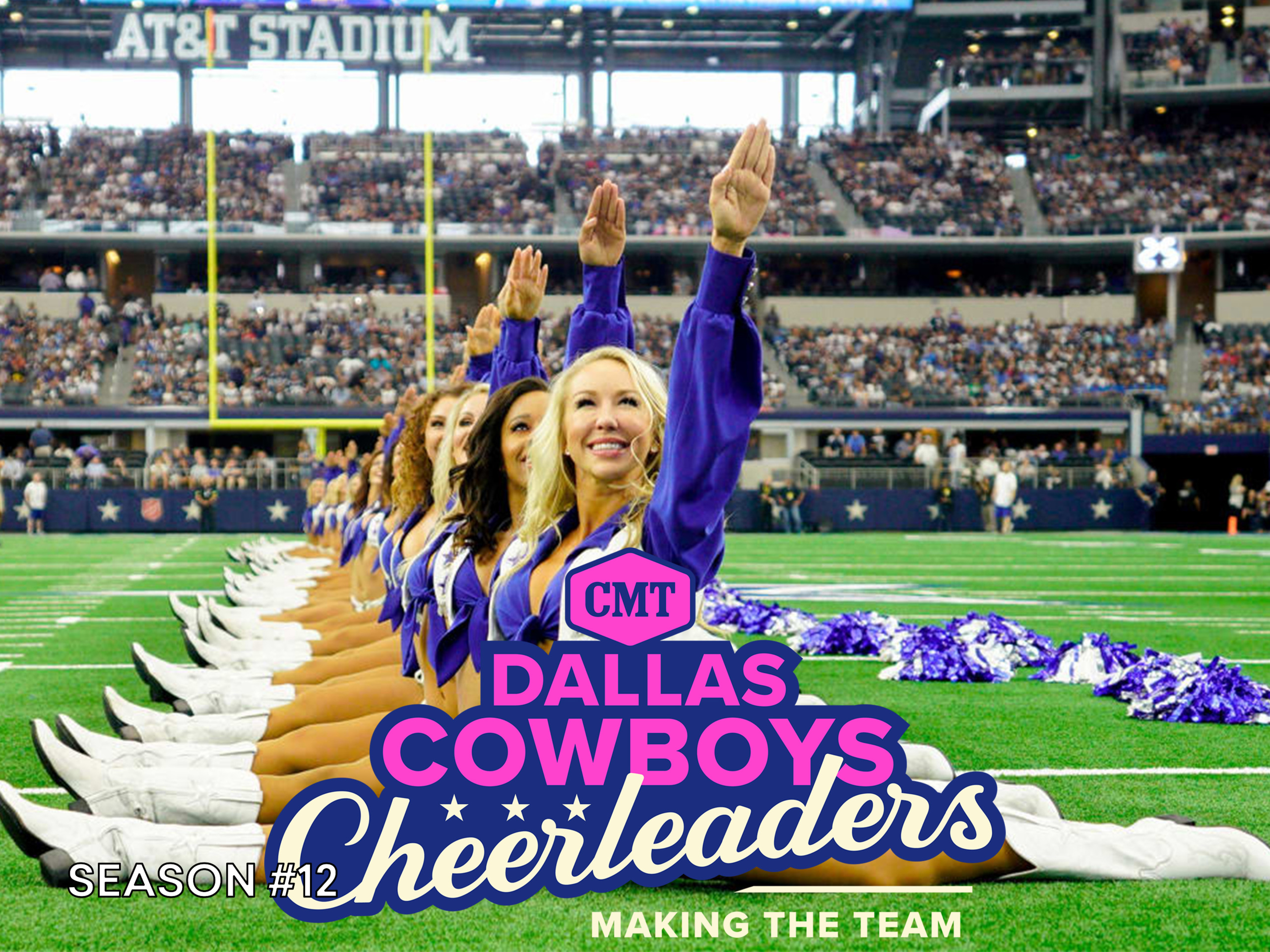
Fans consider it a classic because it features some of the most iconic "office visits" and dramatic makeovers in the show's history. It also showcases the transition from the old Texas Stadium to the planning phases for the new AT&T Stadium (then known as Cowboys Stadium), which the squad would move to the following year.
Practical Recommendation for Aspiring Dancers
If you are watching Season 3 as a blueprint for your own audition journey, focus on the Business Interview and Fitness segments. While dance styles have evolved since 2008, the requirement for professional poise and elite-level conditioning remains the "gold standard" for the Dallas Cowboys Cheerleaders even in 2026.
Image Gallery