Remembering Ethiopian Airlines Flight 409: Analysis of the Victims and the Aftermath
On January 25, 2010, Ethiopian Airlines Flight 409 crashed into the Mediterranean Sea shortly after taking off from Beirut, Lebanon, resulting in the loss of all 90 people on board. The victims included 82 passengers and 8 crew members...
On January 25, 2010, Ethiopian Airlines Flight 409 crashed into the Mediterranean Sea shortly after taking off from Beirut, Lebanon, resulting in the loss of all 90 people on board. The victims included 82 passengers and 8 crew members from diverse backgrounds, with the majority being Lebanese and Ethiopian nationals.
Contents
The tragedy of Ethiopian Airlines Flight 409 remains one of the most somber chapters in Lebanese aviation history. As we look back from the perspective of 2026, the event continues to serve as a critical case study in pilot training, cockpit resource management, and the complexities of international crash investigations. The human cost of the accident was profound, affecting families across multiple continents and leading to years of legal proceedings and memorialization efforts.
Profile of the Victims: A Multinational Tragedy
The passenger manifest of Flight 409 reflected the deep ties between Lebanon and the rest of the world, particularly Africa and Europe. Of the 90 people on board, the loss was felt most acutely in Lebanon and Ethiopia, but the ripples of grief extended to several other nations.
Nationality Breakdown of Passengers and Crew
The following table details the nationalities of the victims who perished in the accident:
| Nationality | Passengers | Crew | Total |
|---|---|---|---|
| Lebanese | 51 | 0 | 51 |
| Ethiopian | 23 | 8 | 31 |
| British | 2 | 0 | 2 |
| Iraqi | 1 | 0 | 1 |
| Syrian | 1 | 0 | 1 |
| Canadian | 1 | 0 | 1 |
| Russian | 1 | 0 | 1 |
| French | 1 | 0 | 1 |
| Turkish | 1 | 0 | 1 |
| Total | 82 | 8 | 90 |
Among the victims was Marla Sanchez Pietton, the wife of the then-French Ambassador to Lebanon, Denis Pietton. Her presence on the flight brought significant international attention to the search and recovery efforts. The victims also included business travelers, families returning home, and young professionals. The Ethiopian crew members, many of whom were based in Addis Ababa, were experienced professionals working for one of Africa’s most respected carriers.
Search, Recovery, and Identification Efforts
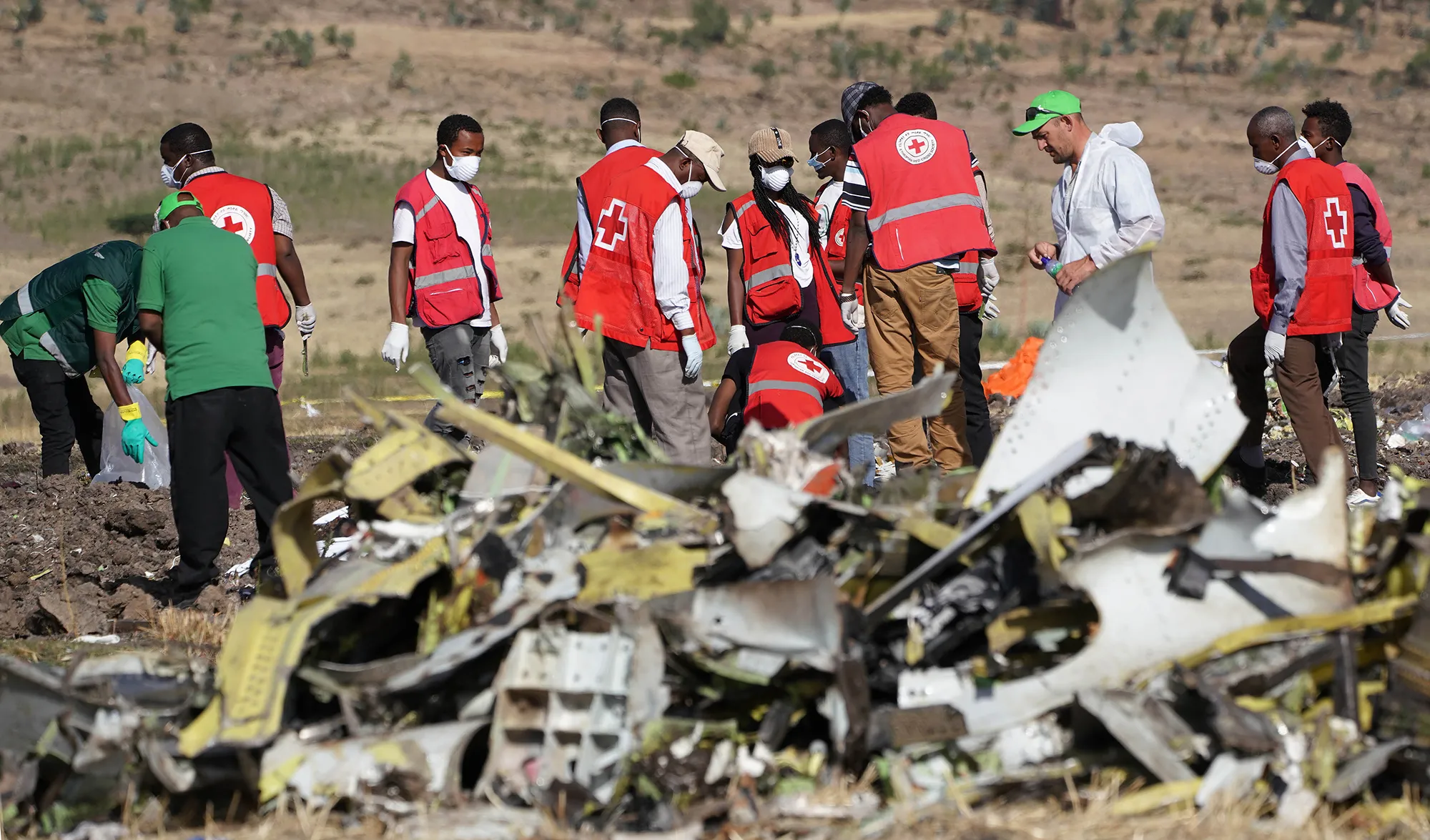
The crash occurred approximately 3.5 kilometers (2.2 miles) off the coast of Na'ameh, Lebanon, in the early hours of a stormy morning. The immediate response involved the Lebanese Army, the United Nations Interim Force in Lebanon (UNIFIL), and international assistance from the United States and France.
Challenges of the Mediterranean Terrain
The recovery of the victims was hampered by severe weather conditions and the depth of the Mediterranean Sea. The wreckage was located at depths ranging from 45 to 500 meters. The US Navy deployed the USS Ramage and a specialized recovery team to assist in locating the "black boxes"—the Flight Data Recorder (FDR) and the Cockpit Voice Recorder (CVR).
Identification of the victims required a massive forensic effort. Because the impact was high-velocity, DNA testing became the primary method for identifying remains. The Lebanese Ministry of Health, in coordination with international forensic experts, worked for weeks to provide closure to the families. By late February 2010, the majority of the victims had been identified and their remains returned to their families for burial.
The Investigation: Conflict and Conclusions
The investigation into the crash of Flight 409 was led by the Lebanese Ministry of Public Works and Transport (MPWT), with assistance from the French Bureau of Enquiry and Analysis for Civil Aviation Safety (BEA) and the National Transportation Safety Board (NTSB) from the United States.
Final Report Findings
The final report, released in early 2012, concluded that the primary cause of the accident was pilot error. The investigation found that the flight crew failed to maintain the aircraft's airspeed, altitude, and heading after takeoff. Specifically, the captain’s "erratic and inconsistent" maneuvers led to spatial disorientation. The report also cited a lack of effective cockpit resource management (CRM), as the first officer failed to intervene effectively when the captain lost control of the Boeing 737-800.
Ethiopian Airlines' Dissent
Ethiopian Airlines strongly disagreed with the Lebanese report. The airline suggested that external factors, such as a possible lightning strike or even sabotage, should have been investigated more thoroughly. They argued that the flight crew was experienced and that the aircraft had undergone all required maintenance. However, the international investigative community largely stood by the findings of the Lebanese authorities and the BEA, noting that the flight data showed no evidence of an explosion or external interference.
Legal Outcomes and Compensation for Families
In the aftermath of the disaster, the legal battle for compensation began under the framework of the Montreal Convention of 1999 (MC99). This international treaty governs airline liability in the event of injury or death to passengers.
Liability and Settlements
Under MC99, airlines are strictly liable for damages up to a certain threshold (measured in Special Drawing Rights). For damages exceeding that threshold, the airline can only avoid liability if it proves that the accident was not due to its negligence. Given the investigative findings of pilot error, Ethiopian Airlines faced significant legal pressure.
By 2026, most legal claims have been resolved through out-of-court settlements. Families of the victims received compensation to cover funeral expenses, loss of future income, and moral damages. While the specific amounts of these settlements are often confidential, they typically varied based on the victim’s age, earning potential, and the number of dependents.
Lawsuits Against Boeing
In addition to claims against the airline, some families filed lawsuits against the Boeing Company, alleging technical flaws in the 737-800's flight control systems. Most of these cases were either dismissed or settled quietly, as the investigative consensus remained focused on operational errors rather than mechanical failure.
The Legacy of Flight 409 in Aviation Safety
The loss of Flight 409 prompted significant changes within Ethiopian Airlines and influenced regional aviation safety protocols. The tragedy highlighted the dangers of pilot fatigue and the necessity of rigorous training in managing spatial disorientation.
- Training Enhancements: Ethiopian Airlines invested heavily in its aviation academy, updating its flight simulator training to include more complex "upset recovery" scenarios.
- Weather Protocols: The Beirut airport and Lebanese aviation authorities reviewed their protocols for takeoffs during severe thunderstorms, though it was noted that other aircraft had departed safely around the same time as Flight 409.
- Mental Health and Fatigue: The industry at large began to place more emphasis on the psychological state of pilots and the impact of grueling schedules on decision-making during critical phases of flight.
Memorialization and Remembrance
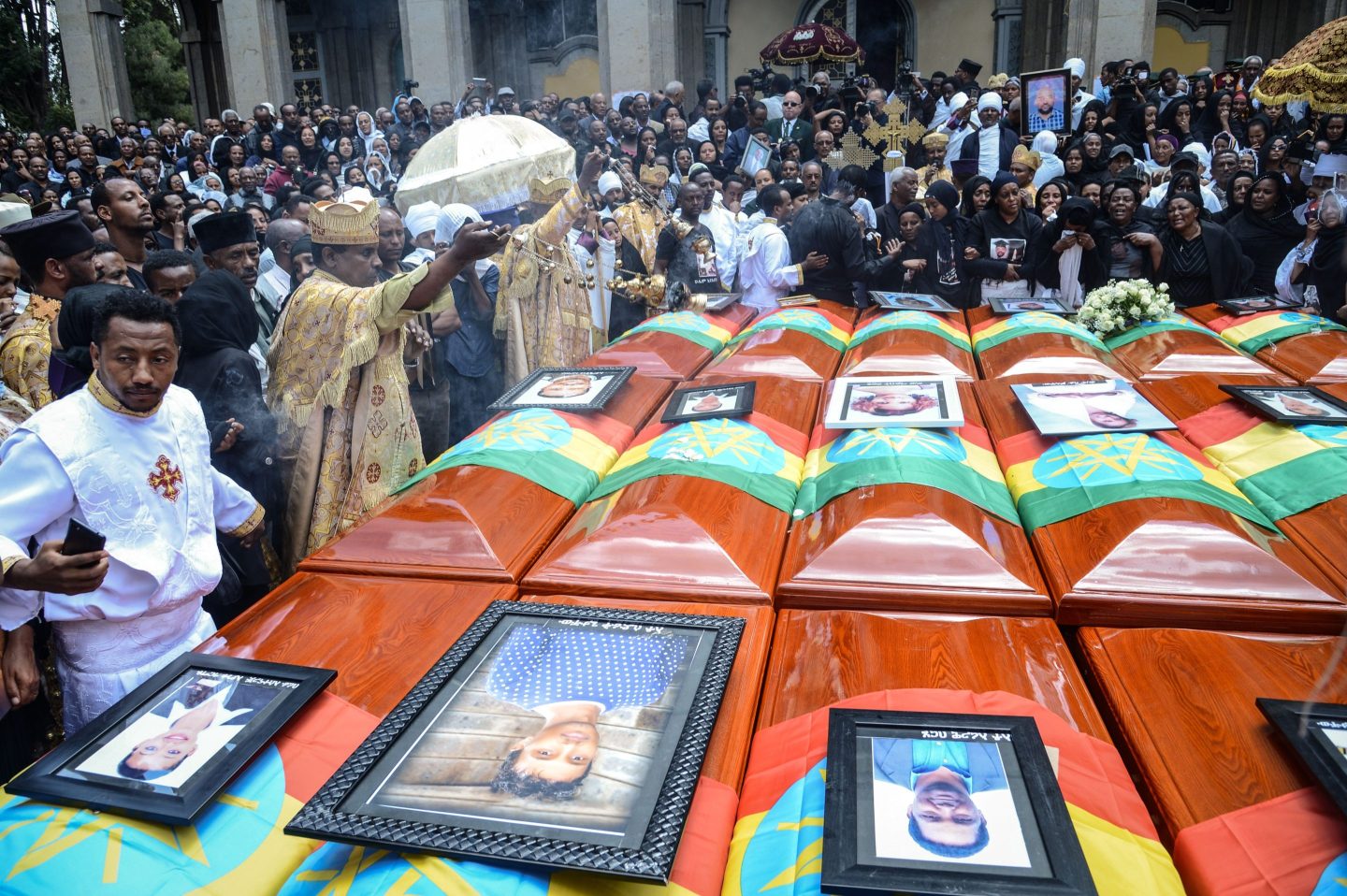
As of 2026, the victims of Flight 409 are remembered through both private and public tributes. In Beirut, annual memorials have been held by the families, often supported by the Lebanese government. These gatherings serve as a reminder of the 90 lives cut short and a call for continued transparency in aviation safety.
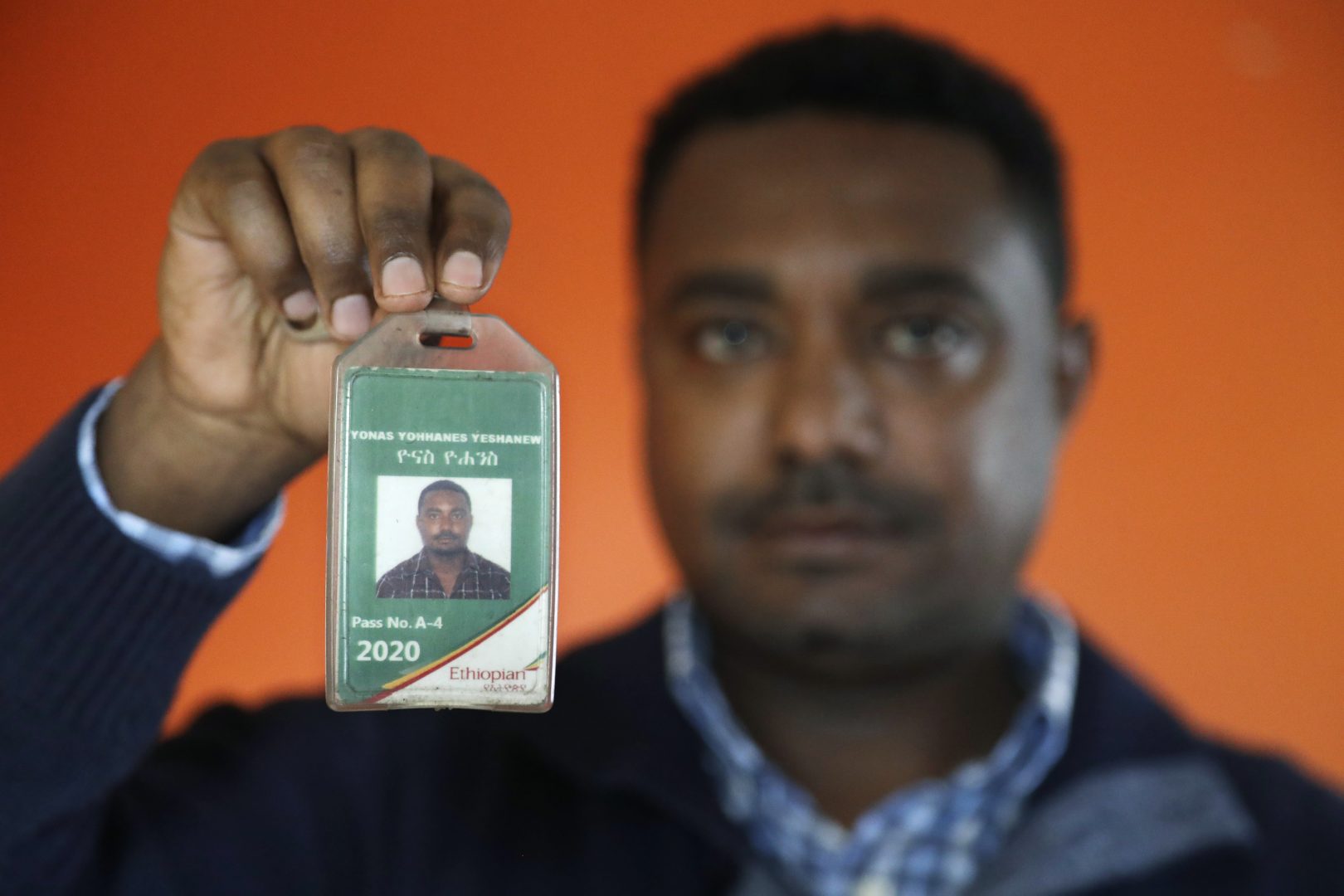
For the Ethiopian community, the crew members are remembered as dedicated professionals who served their national carrier during a period of rapid expansion. Their names are inscribed in memorials at the Ethiopian Airlines headquarters in Addis Ababa.
Frequently Asked Questions
What caused Ethiopian Airlines Flight 409 to crash? The official investigation concluded that the crash was caused by pilot error resulting from spatial disorientation. The flight crew failed to respond correctly to flight instrument readings during a turn shortly after takeoff in stormy weather.
Were there any survivors? No. All 90 people on board—82 passengers and 8 crew members—perished when the aircraft impacted the Mediterranean Sea.
How long did it take to identify the victims? The identification process took several weeks and relied heavily on DNA analysis due to the nature of the impact. Most victims were identified and returned to their families by March 2010.
Did the weather play a role in the accident? Yes, but indirectly. While there were thunderstorms and lightning in the area, investigators found that the aircraft was technically sound. The weather conditions likely contributed to the pilots' spatial disorientation and increased their stress levels, leading to the fatal errors.
Has Ethiopian Airlines changed its safety procedures since the crash? Yes. Since 2010, the airline has significantly upgraded its training facilities and implemented stricter cockpit resource management (CRM) training to ensure better communication and intervention between captains and first officers.
Next Steps for Affected Families and Researchers
For families seeking historical records or information regarding final settlement status, the Lebanese Ministry of Public Works and Transport remains the primary repository for the official investigation files. Researchers looking into the technical aspects of the crash can access redacted versions of the NTSB and BEA supporting documents through their respective official portals.
Image Gallery