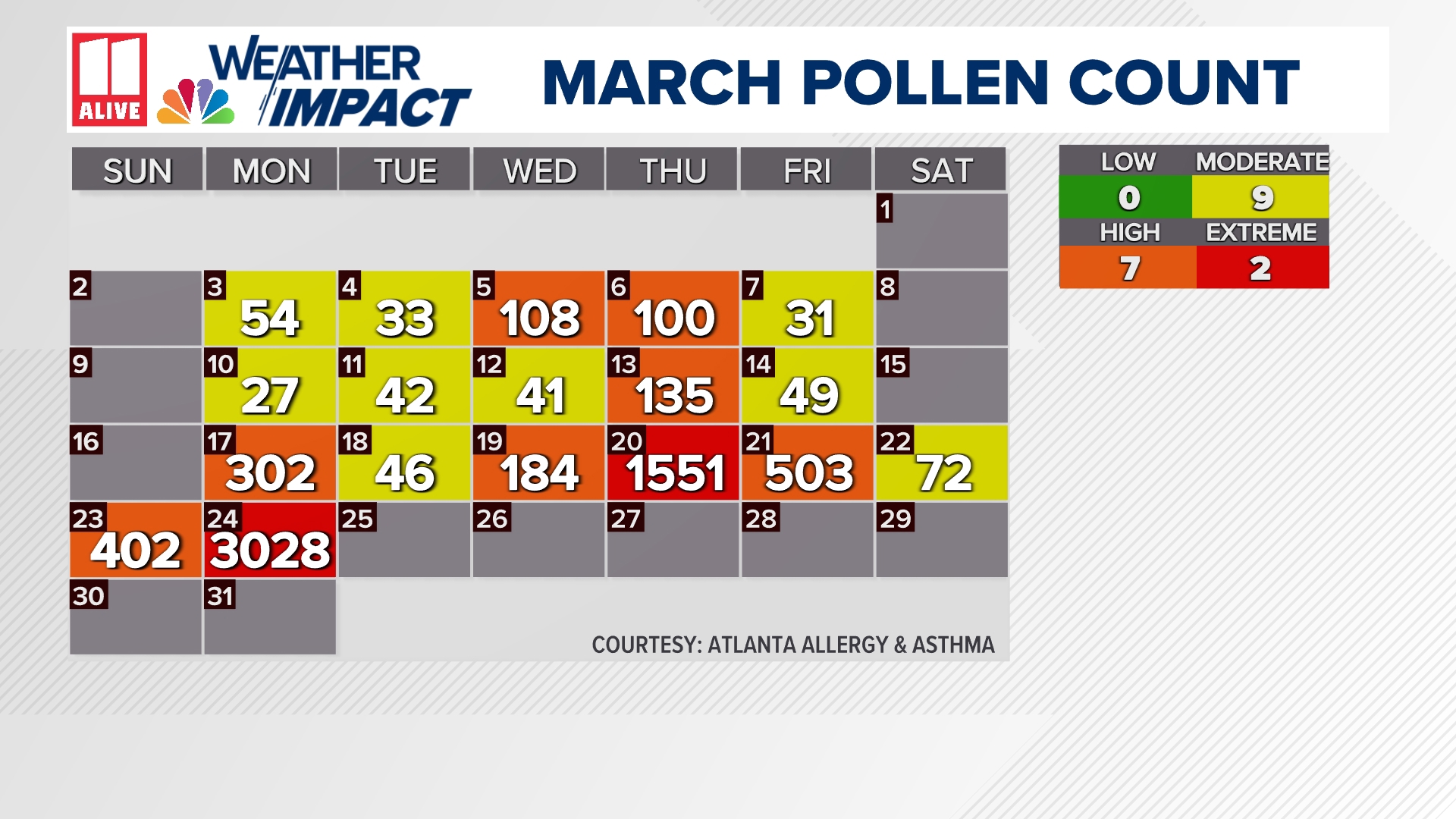
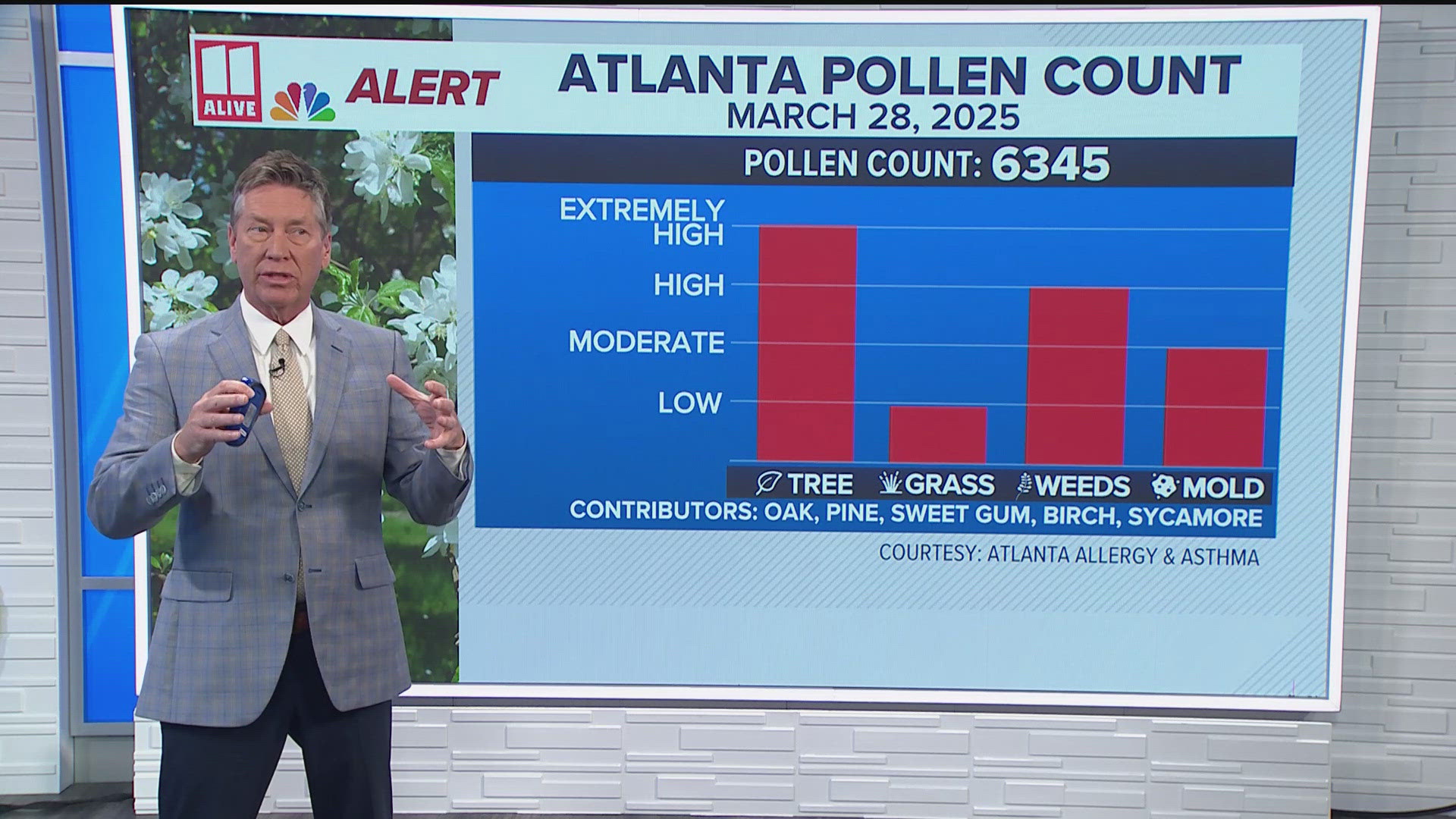
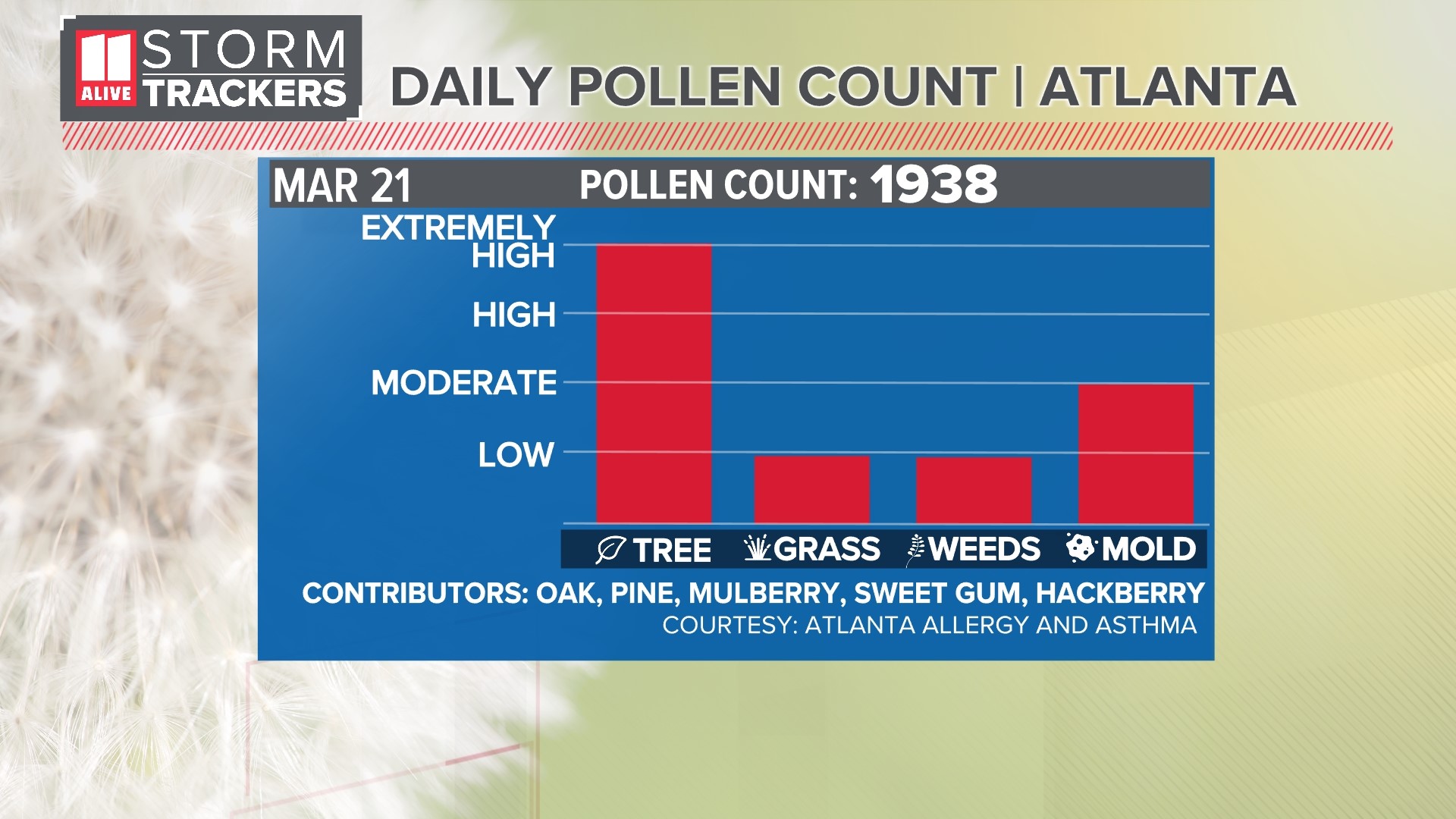
Atlanta Pollen Count Today: 2026 Official Atlanta Allergy & Asthma Daily Report & Forecast
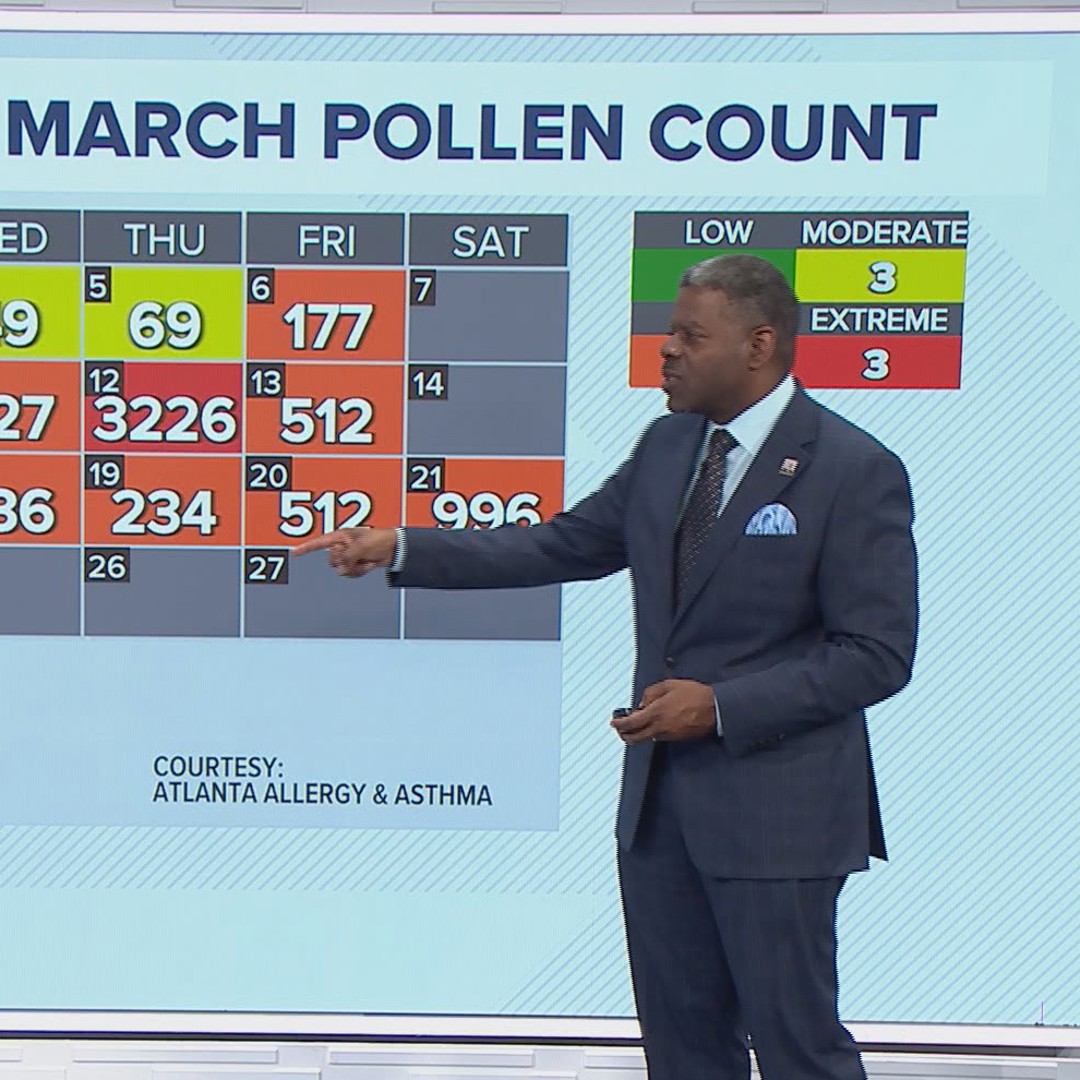
The official metropolitan Atlanta pollen count is published every weekday morning by Atlanta Allergy & Asthma, the sole National Allergy Bureau (NAB) certified station serving the greater Atlanta region. Unlike commercial weather appli...
The official metropolitan Atlanta pollen count is published every weekday morning by Atlanta Allergy & Asthma, the sole National Allergy Bureau (NAB) certified station serving the greater Atlanta region. Unlike commercial weather applications that rely on predictive algorithms, this official reading reflects physical, volumetric microscopic analysis collected over the preceding 24 hours.
Contents
Understanding Today's Metric: How Atlanta Allergy & Asthma Measures Air Quality
Accurate airborne allergen tracking requires mechanical precision and expert human analysis. The Atlanta Allergy & Asthma counting station operates using a certified Burkard Volumetric Spore Trap, elevated to capture ambient atmospheric samples representative of the broader Piedmont geographic region.
The device draws ambient air at a rate of 10 liters per minute, calibrated to mirror the standard human breathing rate. Over a continuous 24-hour cycle, airborne particulate impacts a greased, rotating drum or coated glass slide. Each morning, a certified aerobiologist stains the sample, mounts it under high-power optical magnification, and manually identifies, differentiates, and tallies individual pollen grains and fungal spores.
The raw tally is converted mathematically into grains per cubic meter of air ($gr/m^3$). This metric represents the absolute concentration of circulating biological particulates across Fulton, DeKalb, Cobb, Gwinnett, and surrounding metro counties. Digital weather forecasts produce algorithmic approximations based on humidity, temperature, and historical dates; the Atlanta Allergy & Asthma report provides the physical truth of what entered Atlanta's airspace over the past 24 hours.
2026 Daily Pollen Severity Brackets and Clinical Thresholds
The National Allergy Bureau established standardized thresholds that clinical allergists use across the Southeast. Atlanta Allergy & Asthma classifies daily findings into four distinct risk brackets based on the specific biological family detected.
| Pollen Category | Low Threshold ($gr/m^3$) | Moderate Threshold ($gr/m^3$) | High Threshold ($gr/m^3$) | Extremely High Threshold ($gr/m^3$) | Dominant Clinical Symptoms |
|---|---|---|---|---|---|
| Tree Pollen | 1 – 14 | 15 – 89 | 90 – 1,499 | 1,500+ | Severe ocular itching, rhinorrhea, paroxysmal sneezing, sinus pressure |
| Grass Pollen | 1 – 4 | 5 – 19 | 20 – 199 | 200+ | Nasal congestion, bronchospasm, itchy soft palate, allergic conjunctivitis |
| Weed Pollen | 1 – 9 | 10 – 49 | 50 – 499 | 500+ | Post-nasal drip, chronic throat clearing, Eustachian tube dysfunction |
| Mold Spores | 1 – 6,499 | 6,500 – 12,999 | 13,000 – 49,999 | 50,000+ | Wheezing, reactive airway flare-ups, chest tightness, nighttime coughing |
When counts enter the High range, individuals with verified atopic disease experience symptomatic activation even with brief outdoor exposure. When Tree Pollen enters the Extremely High tier—a recurring reality throughout the spring season in North Georgia—even non-atopic individuals can present with transient mucosal irritation and conjunctival injection due to physical particle burden.
Metro Atlanta Seasonal Pollen Patterns and Botanical Drivers
Atlanta carries the moniker "The City in a Forest," with an urban tree canopy covering more than 47% of the metro footprint. While this canopy provides thermal regulation and environmental benefits, it serves as a massive biosynthesizer of allergenic aerosols.
The Spring Tree Surge (February through May)
The primary surge begins in late winter, accelerated by warming patterns across the Chattahoochee River basin. Tree pollen dominates this period, initiated by Cedar, Hazelnut, and Alder, followed by significant spikes from:
- Oak (Quercus species): The primary contributor to the physical yellow dusting visible on vehicles, decks, and roadways throughout Fulton and Cobb counties.
- Pine (Pinus taeda): Characterized by large, heavy, buoyant pollen grains with bilateral air bladders. While pine is visually conspicuous, it is clinically less allergenic than oak or birch due to its substantial molecular size.
- Birch (Betula), Sweetgum (Liquidambar), and Sycamore (Platanus): Potent allergenic trees that trigger intense respiratory and ocular reactions.
The Summer Grass Window (May through July)
As tree emissions subside in late May, warm-season turf grasses take precedence across commercial landscapes, residential lawns, and golf corridors.
- Bermuda Grass (Cynodon dactylon)
- Kentucky Bluegrass (Poa pratensis)
- Tall Fescue (Festuca arundinacea)
- Bahia Grass (Paspalum notatum)
Grass pollen grains are aerodynamically buoyant and readily distributed by convective summer afternoon winds preceding localized thunderstorms.
The Fall Weed and Mold Influx (August through October)
From late summer until the first regional hard freeze, herbaceous weeds dominate the daily count.
- Ragweed (Ambrosia artemisiifolia): A single ragweed plant can release up to one billion pollen grains in a single season. The enzyme contents on the outer pollen wall rapidly degrade mucosal barriers.
- English Plantain (Plantago lanceolata) and Pigweed (Amaranthus)
- Alternaria, Cladosporium, and Aspergillus: Spores flourish in fallen leaves, decaying pine straw, and compost beds along the moist, humid microclimates of the North Georgia piedmont.
Physical NAB Microscopic Counts vs. Predictive Commercial Algorithms
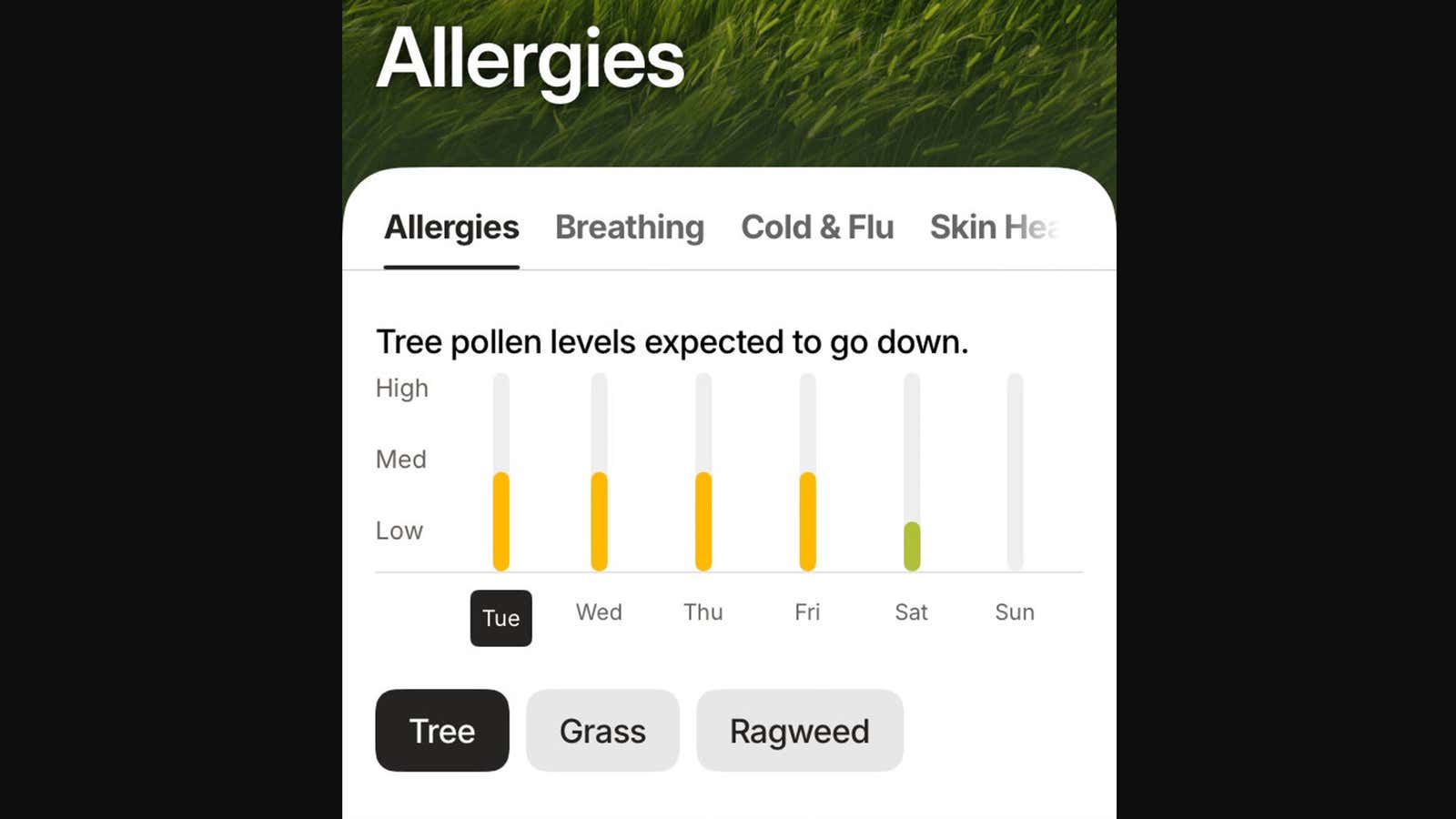
Consumers frequently notice discrepancies between the official Atlanta Allergy & Asthma daily count and the index scores displayed on generic smartphone weather apps. Understanding the structural differences is vital for proactive symptom management.
Certified Microscopic Counts: Derived from real physical captures using specialized collectors located within the regional airshed. The count reflects actual grains that passed through the collection aperture over the last 24-hour cycle. It provides undeniable, retrospective confirmation of air quality.
Predictive Algorithmic Modeling: Generated by predictive mathematical models that ingest regional weather feeds, historical averages, satellite vegetation indices, and localized humidity metrics. These models guess the current-day concentration before physical air samples are mounted and read.
While predictive models offer rough estimates, they routinely fail during sudden meteorological disruptions, such as unexpected temperature drops, localized rain curtains that strip pollen from the lower atmosphere, or erratic wind gusts originating outside the metro area. Clinical decisions regarding medications and outdoor activities should consistently reference the certified station metric.
Clinical Management Protocols for High and Extremely High Days
Managing moderate to severe allergic rhinitis and extrinsic asthma during elevated pollen periods requires structured, multimodal therapies implemented before symptoms reach clinical severity.
Targeted Pharmacotherapy
- Intranasal Corticosteroids: Agents like fluticasone propionate, triamcinolone acetonide, or mometasone furoate represent the gold-standard frontline therapy. They stabilize nasal mucosal membranes and downregulate inflammatory cytokine cascades. These medications require consistent, daily use rather than intermittent application to maintain efficacy.
- Second-Generation Oral Antihistamines: Non-sedating H1 receptor antagonists, such as cetirizine, fexofenadine, and levocetirizine, block systemic histamine binding without the central nervous system depression associated with first-generation agents like diphenhydramine.
- Intranasal Antihistamines: Formulations including azelastine provide targeted, rapid-onset symptom relief for breakthrough rhinorrhea and post-nasal drip.
- Leukotriene Receptor Antagonists: Montelukast may be co-prescribed for patients with concurrent seasonal asthma and allergic rhinitis, blocking inflammatory pathways unresponsive to histamine blockade alone.
Environmental Control and Mechanical Barrier Systems
- Indoor Air Filtration: Run residential HVAC systems continuously with filters rated MERV 13 or higher. Supplement critical living spaces, such as bedrooms, with true HEPA stand-alone air filtration systems that capture particles down to 0.3 microns.
- Barrier Protocols: Keep residential windows and vehicle air intakes strictly closed during high-count days. Recirculate interior vehicle air when commuting along primary corridors like I-285, I-85, and GA-400.
- Decontamination Hygiene: Outdoor clothing should be removed immediately upon entering the home and laundered. Shower and wash hair before retiring to bed to eliminate pollen grains that adhere to skin and hair shafts, preventing transfer to bedding.
- Nasal Saline Irrigation: Perform high-volume, low-pressure saline sinus rinses using distilled, sterile, or previously boiled water to physically dislodge trapped particulate matter from nasal turbinates twice daily.
Advanced Immunotherapy
When pharmacological intervention fails to provide sufficient relief, consultation with a board-certified allergist within an established health network—such as Atlanta Allergy & Asthma, Emory Healthcare Allergy & Immunology, or Wellstar Pulmonary and Allergy—is indicated.
Allergen Immunotherapy (AIT) remains the only disease-modifying treatment available for environmental allergies. Delivered via subcutaneous injections (allergy shots) or sublingual tablets (SLIT), this therapeutic regimen gradually desensitizes the adaptive immune system to target botanical proteins over a 3- to 5-year treatment course, significantly dampening future immunoglobulin E (IgE) responses.
Frequently Asked Questions About Atlanta's Daily Pollen Levels
What time is the official Atlanta pollen count updated each day?
The official Atlanta Allergy & Asthma pollen count is released every weekday morning between 7:00 AM and 8:30 AM Eastern Time during peak pollen seasons.
Because the counting methodology relies on manual microscopic identification of particulates gathered over the previous 24 hours, aerobiologists require time each morning to prepare, stain, view, and calculate the physical data before posting the validated figure to the public.
Why is the pollen count frequently higher in Atlanta than in other southern cities?
Atlanta's high pollen counts stem from its dense urban tree canopy, dominated by wind-pollinated hardwoods, paired with regional geographic and meteorological features.
The city rests in the foothills of the Appalachian mountains, where thermal inversions and stagnant high-pressure systems regularly trap airborne particulates close to the ground. Furthermore, the extensive biodiversity of oak, pine, sweetgum, and cedar creates an extended, overlapping release cycle that amplifies atmospheric volume.
Can rain completely clear the pollen out of the air?
Sustained, steady rain washes pollen grains out of the air, significantly dropping the count for several hours following precipitation.
However, brief or violent convective thunderstorms can actually worsen symptoms. Rapid barometric shifts and high-velocity downdrafts physically fracture large pollen grains into millions of microscopic sub-particles through osmotic shock, allowing them to penetrate deep into the lower bronchial airways and triggering severe allergic asthma episodes.
Does the yellow dust covering cars indicate that tree pollen is at its most dangerous level?
The heavy yellow dust visible across Atlanta each spring is primarily loblolly and shortleaf pine pollen, which is relatively harmless compared to smaller, invisible tree pollens.
Pine pollen grains are large and surrounded by a thick, waxy coat, making it difficult for them to reach mucosal tissues in the lower respiratory tract. The aggressive allergic reactions that occur concurrently are typically triggered by invisible oak, birch, and sweetgum pollens that are suspended in the air alongside the conspicuous pine dust.
Is the daily Atlanta pollen count collected on weekends?
The official National Allergy Bureau station at Atlanta Allergy & Asthma operates its manual microscopic analysis Monday through Friday.
Weekend reports generally display Friday's physical count alongside weather-modeled projections for Saturday and Sunday, unless severe seasonal anomalies necessitate special operational reporting schedules. Regular certified counts resume early Monday morning, reflecting the weekend's cumulative accumulation.
Navigating Atlanta's Air Quality Environment
Managing personal wellness during the North Georgia pollen season requires proactive intervention based on physical metrics rather than subjective observation. By closely monitoring the daily reports published by the certified aerobiologists at Atlanta Allergy & Asthma, implementing indoor environmental controls, and securing appropriate medical therapies prior to the onset of peak seasonal surges, residents can successfully control allergic rhinitis and maintain lower airway respiratory health throughout 2026. If current over-the-counter measures fail to control persistent congestion, ocular irritation, or wheezing, schedule an appointment with a board-certified allergist for targeted diagnostic skin testing and personalized immunotherapy options.
Image Gallery