Foundation Repair in Chico, California: Local Soils, Warning Signs, and Solutions
Foundation repair in Chico, California requires understanding the region's distinct expansive clay soils, Mediterranean climate, and seasonal moisture shifts that stress residential and commercial structures. Addressing structural sett...
Foundation repair in Chico, California requires understanding the region's distinct expansive clay soils, Mediterranean climate, and seasonal moisture shifts that stress residential and commercial structures. Addressing structural settling, cracks, and uneven floors early prevents catastrophic damage and preserves property value.
Contents
Understanding Chico’s Geological and Environmental Context
Chico sits in Butte County within the Sacramento Valley, an area characterized by unique geological and climatic conditions. The soil composition throughout many Chico neighborhoods features high concentrations of expansive clay. These clay-rich soils swell significantly when saturated by winter rainfall and shrink dramatically during the hot, dry summer months. This constant cycle of expansion and contraction exerts immense pressure on concrete foundations, causing them to shift, crack, and settle unevenly.
Compounding these soil dynamics is the local climate. Chico experiences hot, arid summers where temperatures frequently exceed 100 degrees Fahrenheit, rapidly evaporating surface moisture. Conversely, the winter months bring substantial rainfall. This cyclical moisture variance leads to differential settlement—a phenomenon where one part of a structure settles into compressed or dried soil faster than another part supported by stable earth. Recognizing how local environmental factors interact with structural engineering is the first step toward effective property maintenance.
Identifying Warning Signs of Foundation Distress
Property owners in Chico should monitor their buildings for physical indicators of structural movement. Foundation problems rarely manifest overnight; instead, they present subtle warning signs that worsen over time if left uncorrected. Identifying these symptoms early allows for less invasive and more cost-effective interventions.
Interior indicators of foundation failure include doors and windows that stick, jam, or fail to latch correctly. When a foundation shifts, the framing of the home warps, throwing doorframes and window sashes out of square. Homeowners frequently notice diagonal cracks appearing in drywall, particularly originating from the corners of doors and windows. Additionally, uneven or sloping floors indicate that the underlying support structure has settled or dropped in specific areas.
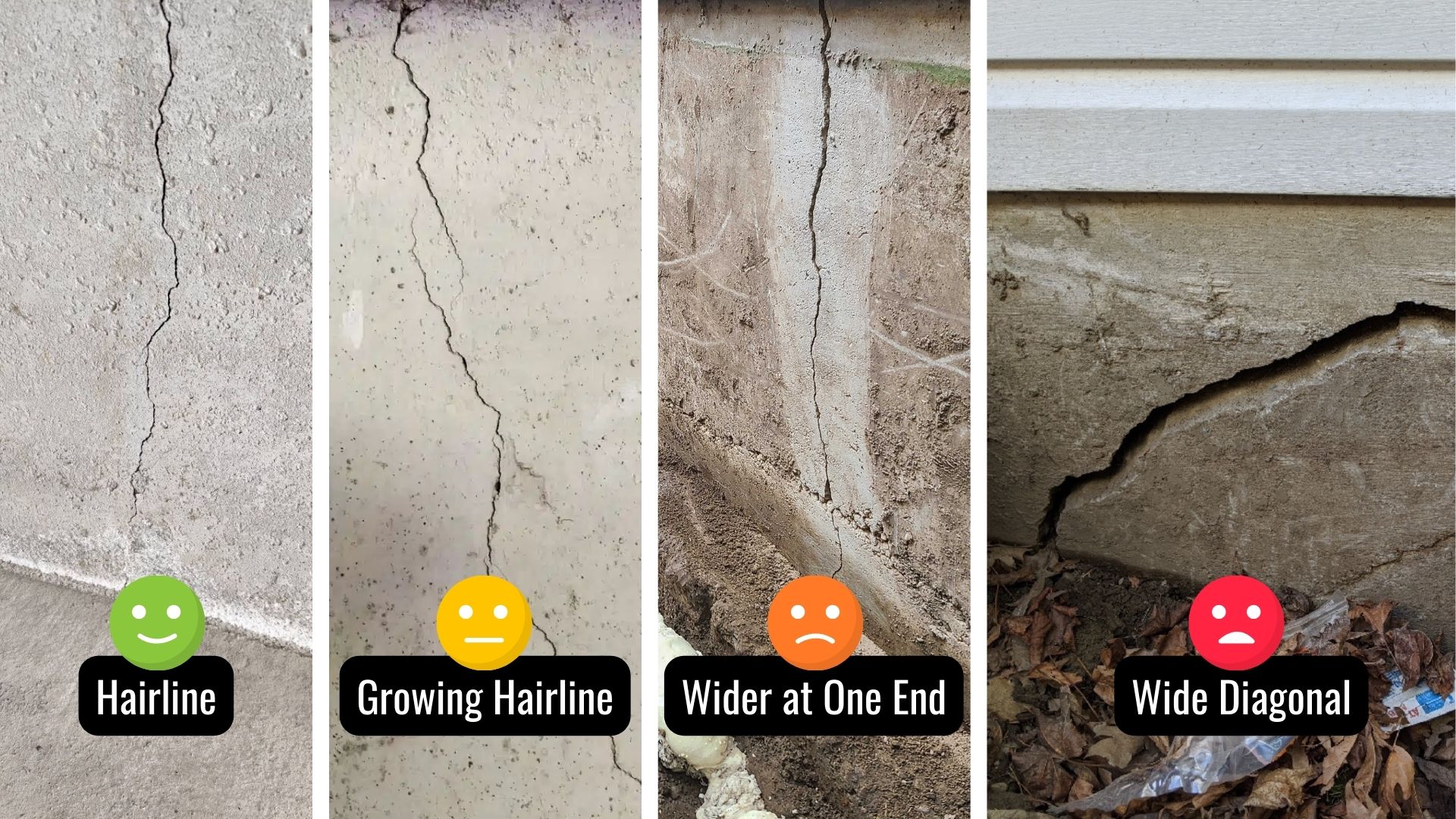
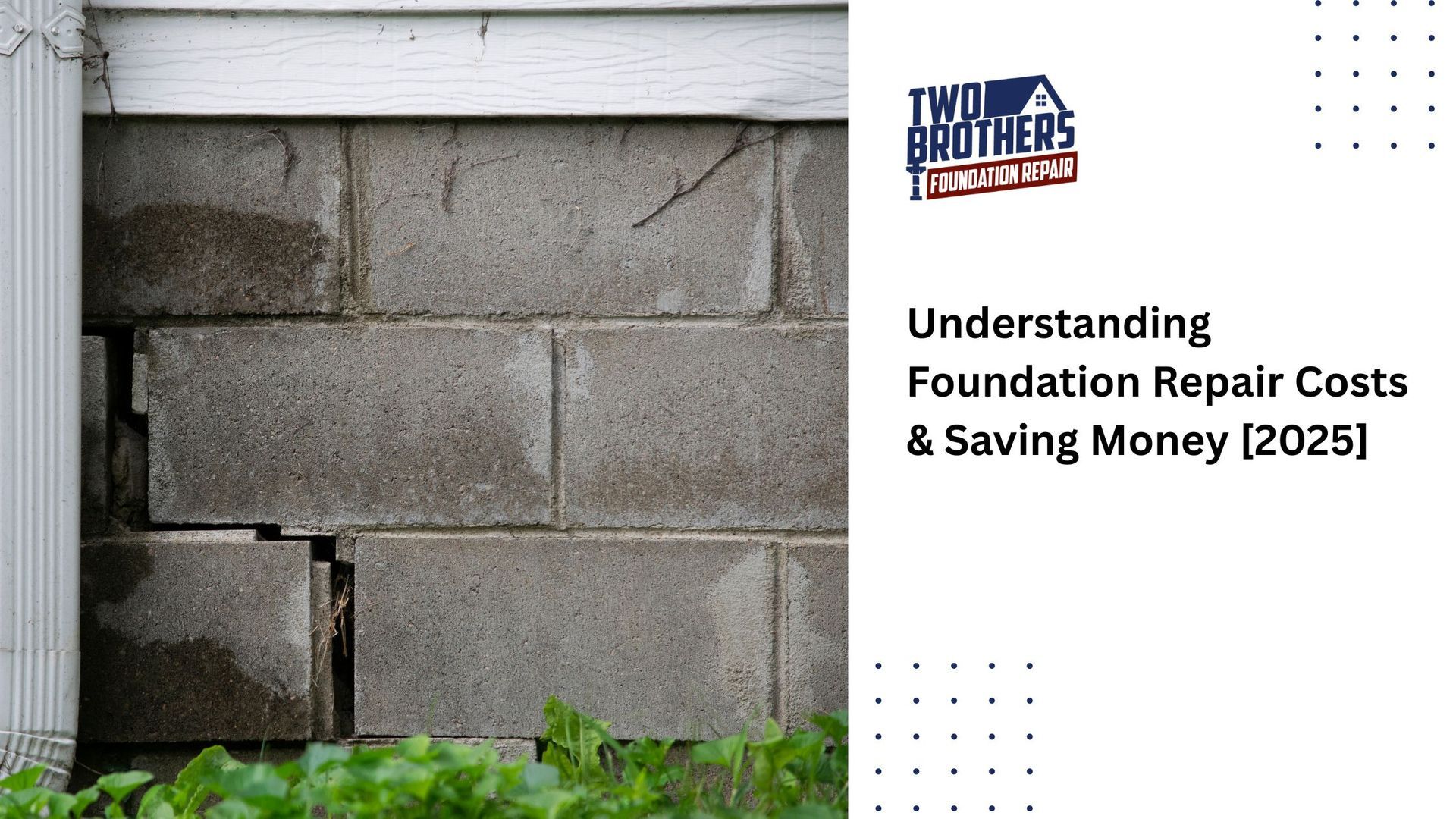
Exterior warning signs are often more visible and structurally significant. Stair-step cracks in brickwork or mortar joints signify lateral movement or differential settling. Gaps forming between exterior walls and window frames, as well as chimneys pulling away from the main structure, point toward serious foundation distress. Large, horizontal, or vertical cracks running directly through concrete stem walls or slabs require immediate professional evaluation by a licensed structural engineer or specialized contractor.
Primary Methods of Foundation Repair
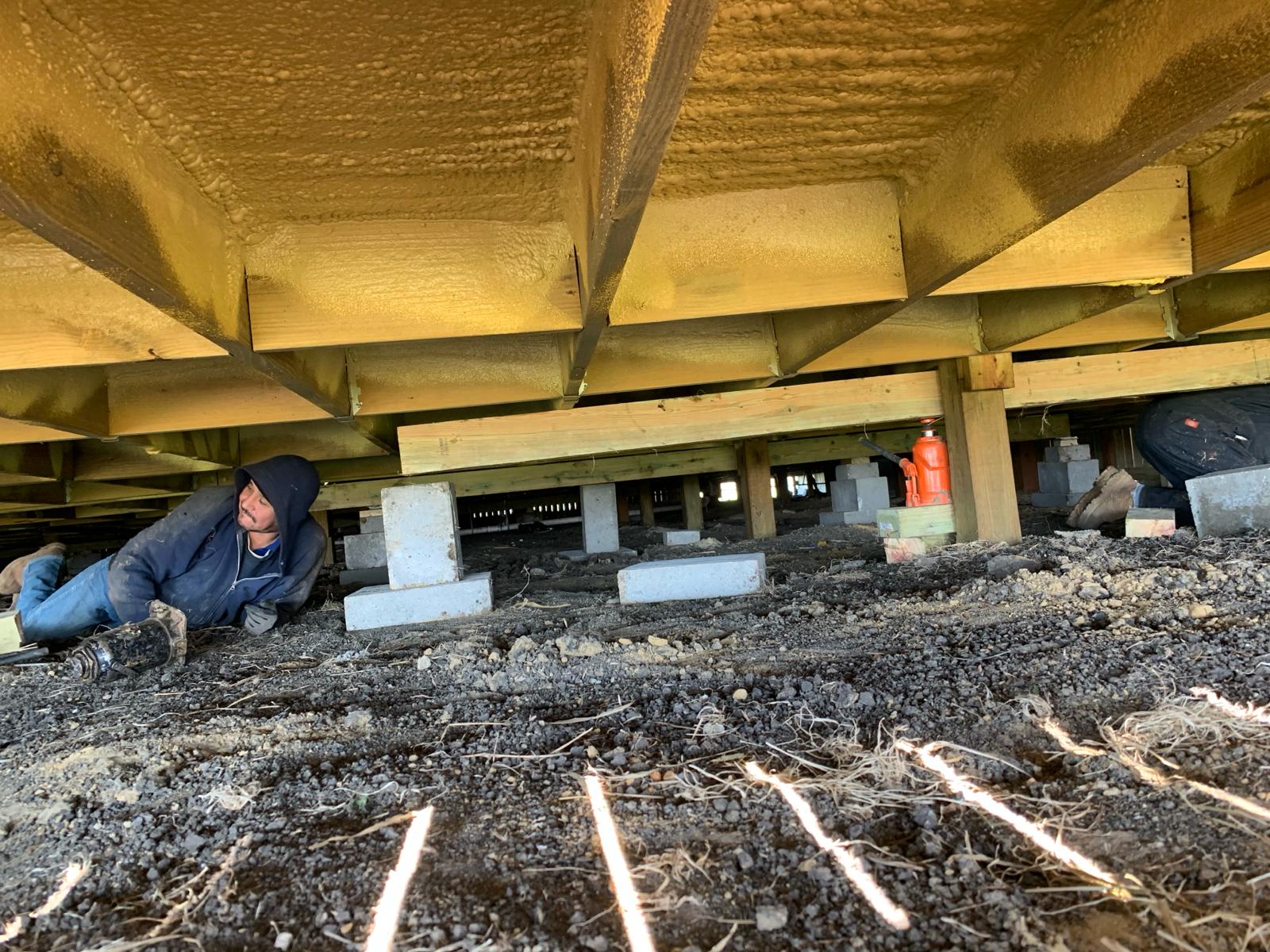
When foundation damage is confirmed, several specialized engineering techniques are deployed to restore structural integrity. The chosen method depends on the type of foundation—whether stem wall, post-and-beam, or monolithic slab—and the underlying cause of the failure.
Resistance Piers and Push Piers
Resistance piers, often called push piers, are steel columns driven deep into the load-bearing strata far beneath the active clay zone. Heavy hydraulic machinery forces these steel segments into the ground using the weight of the structure as resistance. Once solid bedrock or stable load-bearing soil is reached, steel brackets are secured to the foundation footing, and hydraulic jacks lift the structure back toward its original elevation. This method provides permanent stabilization and is commonly used for both slab and stem wall foundations.
Helical Piers
Helical piers feature steel shafts welded with one or more helices (plates), functioning much like a giant screw. Rather than relying on the weight of the structure to drive them down, helical piers are mechanically turned and screwed into the ground. They are ideal for lighter structures, porches, and situations where access is limited. Helical piers offer exceptional load capacity and can be installed in varied soil conditions without generating excessive vibration.
Slabjacking and Polyurethane Foam Injection
For concrete slabs that have settled uniformly without major structural fracturing, pressure grouting or polyurethane foam injection offers an efficient solution. Traditional slabjacking pumps a cementitious slurry beneath the slab to lift it. Modern polyurethane injection, often called polyjacking, uses a high-density expanding polymer foam. The foam is injected through small holes drilled into the slab; as it expands, it fills voids, displaces moisture, and lifts the concrete back to level grade. Polyurethane is lightweight, cures rapidly, and does not add excessive weight to weak sub-soils.
| Repair Method | Best Suited For | Primary Mechanism | Estimated Disruption |
|---|---|---|---|
| Push Piers | Severe settlement, heavy structures | Steel tubes driven to bedrock/load strata | Moderate exterior excavation |
| Helical Piers | Lighter loads, limited access sites | Steel shafts screwed into stable soil | Low to moderate site impact |
| Polyurethane Injection | Sunken concrete slabs, void filling | Expanding polymer foam lifting concrete | Minimal; rapid same-day cure |
| Stem Wall Repair | Cracks, concrete spalling on stem walls | Epoxy injection, rebar reinforcement, patching | Localized wall exposure |
The Evaluation and Engineering Process
Before any physical repair begins, a thorough assessment must be conducted. In Chico, homeowners should start by consulting a licensed geotechnical engineer or an experienced foundation repair contractor. A proper evaluation involves measuring floor elevations using advanced laser levels or digital transits, mapping out all interior and exterior wall cracks, and analyzing drainage patterns around the perimeter of the structure.
If structural damage is extensive, a licensed structural engineer will draft a formal repair plan. This engineering report ensures that the proposed remediation meets local building codes and addresses the root cause of the failure rather than just the cosmetic symptoms. Property owners should verify that their chosen contractor pulls all required permits through the City of Chico or Butte County building departments, ensuring that the work is inspected and verified for compliance.
Preventative Maintenance and Moisture Management
Mitigating future foundation damage in Chico centers on controlling soil moisture levels around the perimeter of the property. Because expansive clay soils react so severely to moisture changes, maintaining a consistent environment prevents excessive shrinking and swelling.
- Proper Drainage: Ensure that all roof runoff is collected via gutters and downspouts and channeled at least five to ten feet away from the foundation using extension pipes or splash blocks.
- Grading: Verify that the ground slopes away from the foundation walls at a minimum fall of six inches within the first ten feet, preventing water from pooling against the concrete.
- Consistent Irrigation: During dry summer months, avoid letting the soil directly adjacent to the foundation dry out completely and pull away from the concrete. Using drip irrigation systems or soaker hoses on a timer helps maintain stable soil moisture levels.
- Tree and Vegetation Management: Large trees planted too close to a foundation can draw massive amounts of moisture out of the soil during dry seasons, accelerating soil shrinkage. Maintain appropriate planting distances based on mature tree sizes.
Frequently Asked Questions
What causes foundation problems in Chico, California?
Chico features expansive clay soils that swell significantly when wet and shrink during dry summer months. This constant volume change, combined with extreme seasonal temperature variations, creates severe pressure and differential movement that stresses concrete foundations.
How do I know if my foundation needs repair?
Common indicators include sticking doors and windows, diagonal drywall cracks, uneven or sloping floors, gaps around window frames, and stair-step cracking in exterior brick or concrete stem walls.
Are foundation repairs covered by homeowners insurance?
Standard homeowners insurance policies in California typically exclude damage caused by earth movement, settling, shifting, or soil expansion. Coverage may only apply if the foundation failure resulted from a sudden, covered peril, such as a plumbing leak. Homeowners should review their specific policy details with their insurance provider.
How long does a typical foundation repair project take?
Most standard residential foundation repair projects, such as installing push piers or polyurethane slabjacking, take between one to three days to complete, depending on the severity of the damage and the scope of the engineering plan.
Can I sell a house with foundation issues in Chico?
Yes, but disclosure is legally required under California real estate law. Selling a home with unrepaired foundation issues usually requires lowering the asking price or offering credits to the buyer, whereas professionally repaired foundations backed by transferable engineering warranties can successfully clear real estate transactions.
Next Actions for Property Owners
Homeowners observing structural warning signs should prioritize scheduling an inspection with a reputable, licensed foundation specialist in the Chico area. Obtain multiple written evaluations and engineered repair plans to compare methodologies, warranties, and costs. Addressing foundation movement promptly protects long-term structural integrity and prevents minor settling from escalating into extensive structural damage.
Image Gallery