The Vital Link: Air Brakes and the Air Dryer in Heavy-Duty Vehicles
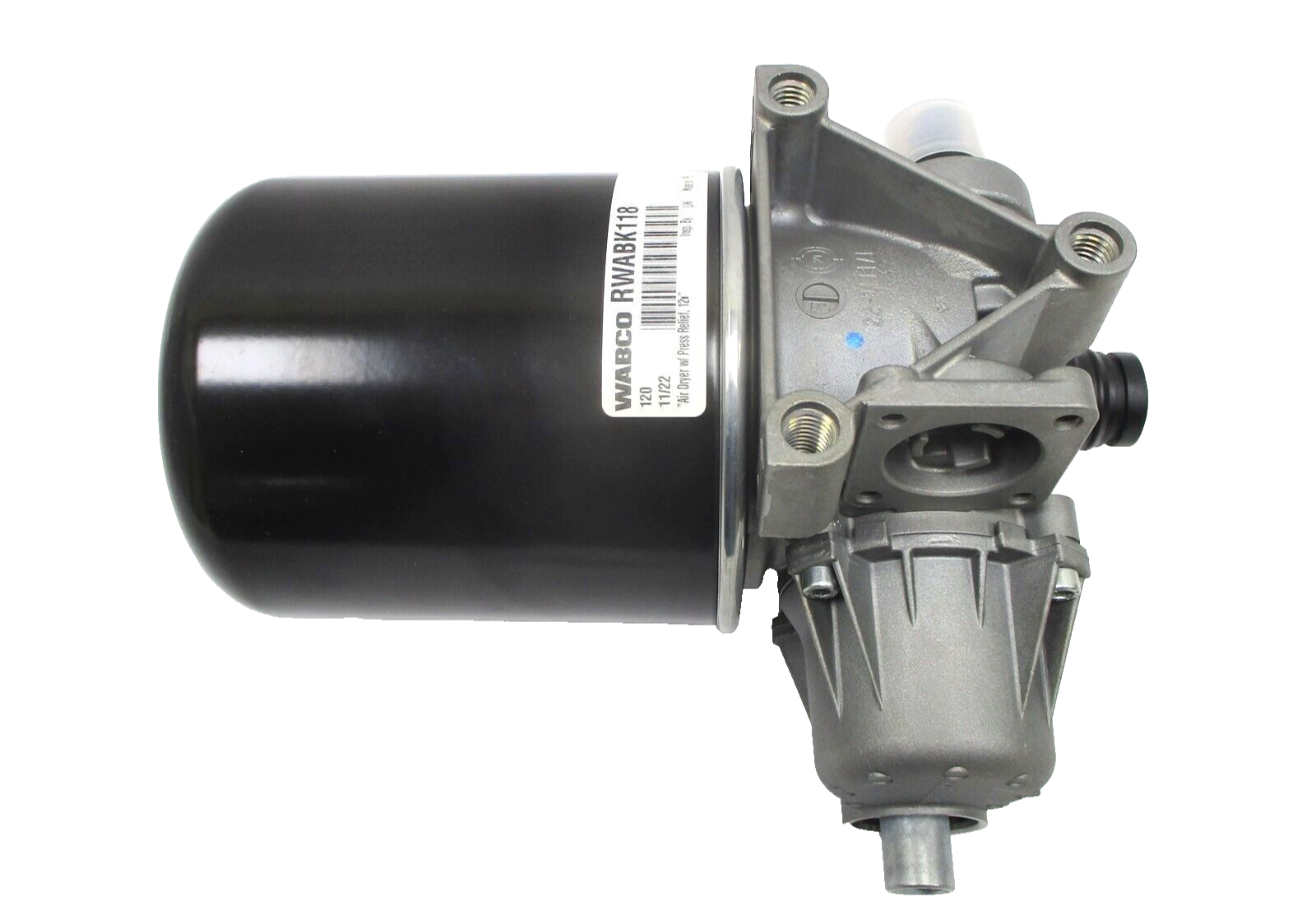
In a heavy-duty air brake system, the air dryer acts as the primary filtration and moisture-control unit, positioned between the air compressor and the storage reservoirs. Its fundamental role is to remove water vapor, oil droplets, an...
In a heavy-duty air brake system, the air dryer acts as the primary filtration and moisture-control unit, positioned between the air compressor and the storage reservoirs. Its fundamental role is to remove water vapor, oil droplets, and solid contaminants from the compressed air before it enters the braking circuits, preventing frozen lines in winter and internal corrosion year-round.
Contents
Modern commercial vehicles, including trucks, buses, and vocational equipment, rely on a pneumatic system to actuate braking force. However, the process of compressing atmospheric air inherently creates a byproduct: heat and concentrated moisture. Without a functioning air dryer, this moisture would condense into liquid water inside the air lines, leading to catastrophic brake failure, valve sticking, and expensive repairs to the entire pneumatic infrastructure.
The Physics of Compressed Air and Why Drying is Mandatory
To understand why the air dryer is critical, one must first understand the physics of the air compressor. As the compressor pulls in ambient air, it also pulls in whatever humidity is present in the atmosphere. During compression, the air temperature rises significantly—often exceeding 200°F (93°C).
When this hot, pressurized air leaves the compressor and enters the cooler discharge lines and metal reservoirs, it undergoes a rapid temperature drop. According to the laws of thermodynamics, cooler air cannot hold as much water vapor as warm air. Consequently, the vapor condenses into liquid water. In a system without an air dryer, this "wet air" travels through the primary and secondary tanks.
In sub-zero temperatures, this water freezes, creating ice blockages that can prevent air from reaching the brake chambers—rendering the vehicle unable to stop or, conversely, causing the emergency brakes to lock up because the system cannot release the spring pressure. Furthermore, water mixed with the lubricating oil that naturally bypasses compressor piston rings creates a sludge that degrades rubber seals and precision-machined valves throughout the system.
Anatomy of a Modern Air Dryer System
By 2026, air dryer technology has evolved into highly integrated modules that do more than just dry air. Most modern units, such as the Bendix AD-HF or Haldex ModulT variants, incorporate several components into a single housing.
1. The Desiccant Cartridge
The heart of the dryer is the desiccant cartridge. It contains thousands of tiny, porous beads (often molecular sieves or silica gel) designed to adsorb moisture. As air passes through the cartridge, water molecules stick to the surface of these beads.
2. The Purge Valve
Located at the bottom of the dryer, the purge valve is an exhaust port. When the system reaches its "cut-out" pressure (typically between 120 and 135 psi), the governor signals the purge valve to open. This results in a distinctive "psshh" sound, indicating that the dryer is exhausting collected moisture and oil.
3. The Heater Element
Because air dryers are exposed to the elements, they are equipped with internal 12V or 24V heating elements. These heaters prevent the purge valve from freezing in the open or closed position during winter operations, ensuring the system can continue to exhaust moisture in extreme cold.
4. The Oil Coalescing Filter
Standard in most high-tier 2026 configurations, the oil coalescing filter is either a separate stage or integrated into the desiccant cartridge. It is designed to capture the "oil mist" produced by the compressor before it can coat the desiccant beads, which would otherwise ruin their ability to adsorb water.
The Drying and Regeneration Cycles
The air dryer operates in two distinct phases: the Charge Cycle and the Purge (Regeneration) Cycle.
During the Charge Cycle, the compressor is actively pumping air. This air enters the dryer, passes through a cooling path (often a finned discharge line), and then flows through the desiccant. The "dry" air then passes through a one-way check valve into the primary and secondary reservoirs.
Once the reservoirs reach the governor’s cut-out pressure, the Purge Cycle begins. The governor sends a pneumatic signal to the purge valve, opening it to the atmosphere. Simultaneously, a small amount of dry air from a dedicated purge volume (or a bypass from the tanks) is blown backward through the desiccant. This "back-flow" strips the moisture from the beads and carries it out through the purge valve. This process, known as regeneration, is what allows the desiccant to be used for thousands of miles without becoming "waterlogged."
Maintenance Standards and the "Wet Tank" Test
Proper maintenance of the air dryer is the single most effective way to ensure the longevity of a vehicle's air brake system. In 2026, service intervals vary based on the vehicle's "duty cycle"—the amount of time the compressor is actually running.
| Feature | Standard Cartridge | Oil-Coalescing Cartridge | Premium/High-Duty Cartridge |
|---|---|---|---|
| Primary Use | Light-duty/Local delivery | Standard over-the-road | Vocational (Refuse/Transit) |
| Oil Protection | Minimal | High (removes 99%+ aerosols) | High + Extended capacity |
| Typical Life | 12 Months | 24 Months | 36 Months |
| Winter Risk | Moderate | Low | Very Low |
| 2026 Avg. Cost | $45 - $70 | $90 - $140 | $160 - $220 |
The Daily Inspection
The most critical check for any operator or technician is the "Wet Tank" (Primary Reservoir) drain. Every air brake system has a drain valve (petcock) at the bottom of the first tank the air enters after the dryer.
- Normal Operation: A quick burst of air with no visible moisture or a very faint mist.
- System Warning: A noticeable amount of liquid water or oil. This indicates the desiccant is saturated or the purge valve is failing.
- System Failure: A steady stream of "mayonnaise-like" sludge (water mixed with oil). This requires an immediate cartridge replacement and a thorough inspection of the compressor.
Common Troubleshooting Scenarios
1. Excessive Purging
If the air dryer purges frequently (every few seconds or minutes) while the vehicle is idling, it usually indicates a leak in the "signal line" between the governor and the dryer, or a leak in the downstream check valves. This causes the compressor to cycle constantly, which can lead to overheating and premature failure.
2. Failure to Purge
If the "psshh" sound is never heard, the purge valve may be stuck or the heater has failed in cold weather. This will lead to immediate moisture buildup in the tanks. Technicians should check for power at the heater connector and ensure the governor is sending the "cut-out" signal.
3. Oil in the Purge Exhaust
While a small amount of oil "staining" around the purge valve is normal, liquid oil dripping from the exhaust is a sign that the air compressor is "passing oil." In 2026, most fleets mitigate this by switching to oil-coalescing cartridges, but if the compressor's rings are significantly worn, even a new cartridge will fail quickly.
Air Dryers in the Era of Electric Vehicles (EVs)
As of 2026, the transition to electric heavy-duty trucks has changed how air brakes are supported. While EVs do not have an internal combustion engine, they still require air brakes for safety and compatibility with existing trailer standards.
In these vehicles, an electric motor drives the air compressor. Because electric compressors can be turned on and off with high precision, the air dryer's duty cycle is often managed by the vehicle's central Electronic Control Unit (ECU). These "smart" air dryers can communicate their filter status to the dashboard, alerting the driver exactly when the cartridge needs replacement based on actual air throughput rather than simple mileage intervals.
Frequently Asked Questions
How often should I change my air dryer cartridge in 2026?
For most long-haul applications, changing the cartridge every 24 months is the industry standard. However, for "high-air" applications like city transit buses or refuse trucks that use air for brakes, suspension, and doors, an annual change (every 12 months) is required to prevent moisture saturation.
Can I just drain my tanks instead of replacing the air dryer?
Draining tanks is a necessary safety check, but it is not a substitute for a functional dryer. If water is reaching the tanks, it is also reaching the brake valves, where it can cause internal corrosion and eventual mechanical seizure that manual draining cannot fix.
What is the difference between a standard and an oil-coalescing cartridge?
A standard cartridge only removes water vapor. An oil-coalescing cartridge includes an additional filtration layer designed to trap oil aerosols. As modern compressors run hotter and faster, oil-coalescing filters have become the default choice to protect sensitive downstream electronic leveling valves and ABS/EBS components.
My air dryer is leaking air constantly from the bottom. Is it broken?
If air is leaking continuously from the purge valve after the purge cycle is complete, the internal seal of the purge valve is likely contaminated with grit or carbon. In many cases, the purge valve can be serviced with a rebuild kit without replacing the entire air dryer housing.
Does a malfunctioning air dryer affect my CVSA inspection?
Yes. During a Commercial Vehicle Safety Alliance (CVSA) inspection, inspectors check for audible leaks and may check for moisture in the air system. Significant leaks or evidence of system contamination can result in "out-of-service" orders until the unit is repaired. Information on these standards is maintained by the CVSA.
Practical Recommendation
To ensure the safety and reliability of your vehicle, adopt a "cartridge-first" maintenance strategy. Replace your desiccant cartridge every autumn before the first freeze, regardless of mileage. If you operate in a high-humidity environment or use an older vehicle with a high-mileage compressor, always upgrade to an oil-coalescing cartridge. This minor increase in upfront cost prevents the catastrophic failure of expensive ABS modulators and air-actuated components.
Image Gallery