Navigating the Japan Rural Real Estate Market: A Comprehensive Guide to Akiya and Countryside Living
Buying rural real estate in Japan involves identifying vacant properties—often through local "Akiya Banks"—and navigating a unique legal landscape that permits full freehold ownership for foreigners. While purchase prices are low, succ...
Buying rural real estate in Japan involves identifying vacant properties—often through local "Akiya Banks"—and navigating a unique legal landscape that permits full freehold ownership for foreigners. While purchase prices are low, successful acquisition requires accounting for renovation costs, agricultural land restrictions, and specific tax obligations under Japanese law.
Contents
The Landscape of Rural Japan Real Estate in 2026
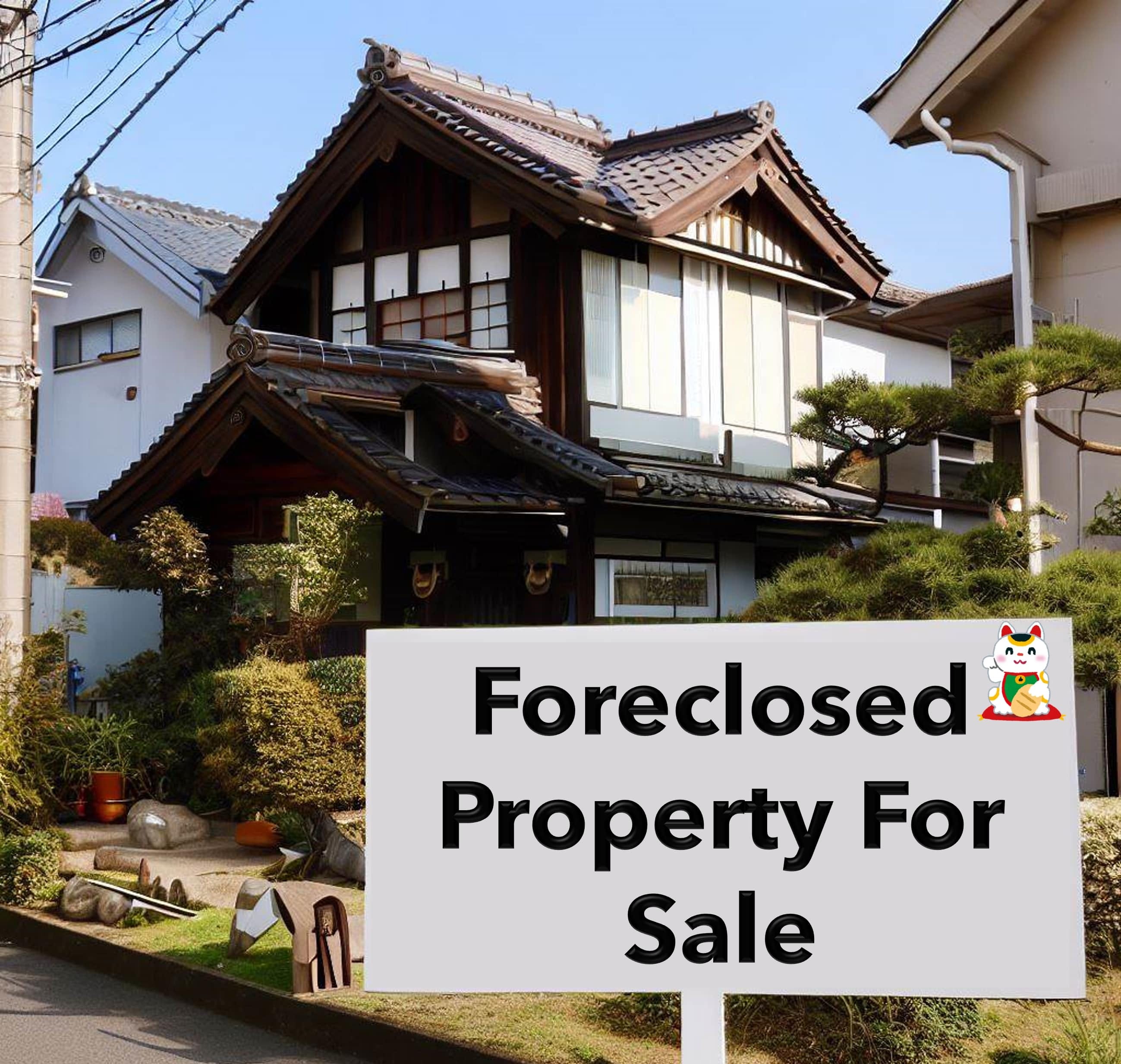
The Japanese rural real estate market in 2026 continues to be defined by a significant surplus of inventory. As the national population consolidates into major hubs like Tokyo, Osaka, and Fukuoka, rural prefectures face an increasing number of abandoned or underutilized homes, known as akiya. Government estimates indicate that nearly 15% of all residential structures in Japan are currently vacant, with the highest concentration found in mountainous regions and aging coastal towns.
For international buyers and domestic urbanites alike, this surplus represents a unique opportunity for lifestyle changes, digital nomad bases, or vacation rentals. However, the market is not a traditional "investment" landscape in terms of rapid capital appreciation. Instead, rural real estate in Japan is largely viewed as a "utility" purchase—acquiring a home for use rather than speculative profit.
In 2026, the impact of the 2024 Mandatory Inheritance Registration Law has become fully visible. This legislation, which requires heirs to register property ownership within three years of a previous owner's death, has forced thousands of long-forgotten rural properties back onto the formal market, slightly increasing supply while clarifying previously "clouded" titles that once made purchases impossible.
Understanding the Akiya Bank System
Most rural municipalities operate an Akiya Bank (Akiya Banku), a centralized database of vacant houses and land within their jurisdiction. Unlike private real estate portals (such as Suumo or Homes.co.jp), Akiya Banks are government-managed initiatives designed to revitalize shrinking communities.
How the System Operates
Akiya Banks serve as a matchmaking service between property owners and potential residents. Local governments provide the platform, but the actual negotiation usually occurs directly between the buyer and seller, or through a licensed broker appointed by the municipality.
Key features of the Akiya Bank system include:
- Subsidies: Many municipalities offer renovation grants (often up to ¥1 million to ¥2 million) to families, young couples, or individuals who move from urban centers.
- Vetting: Some towns require an interview process to ensure new residents are willing to participate in local community activities.
- Low Prices: Properties are frequently listed for nominal sums, sometimes as low as ¥100,000, though these typically require extensive structural repairs.
Legal Requirements and Ownership Rights for Foreigners
Japan remains one of the few countries in Asia where foreigners can own both land and buildings on a freehold basis with no requirement for citizenship or residency. There are no restrictions on the type of property a foreigner can buy, provided the transaction complies with standard Japanese real estate laws.
The Role of the Judicial Scrivener
Every transaction requires a shihō-shoshi (judicial scrivener). This legal professional is responsible for verifying the seller's title, ensuring no undisclosed liens exist, and registering the transfer of ownership at the Legal Affairs Bureau (Hōmukyoku).
Visa Considerations
It is a common misconception that purchasing property in Japan grants a residency visa. As of 2026, there is no "golden visa" linked specifically to real estate investment. Property owners must still secure residency through other means, such as the Digital Nomad Visa, the Business Manager Visa, or a standard work visa. However, owning a property can serve as a registered business address for those pursuing the Business Manager route.
The Step-by-Step Purchasing Process
The process of buying rural real estate in Japan generally takes between two to four months from the initial search to the final transfer of deed.
- Property Identification: Use Akiya Banks or specialized rural real estate agencies like Koryoya or Inaka Kurashi.
- The "Naikan" (Property Inspection): Rural properties often have structural issues (termite damage, dry rot, or seismic vulnerability). It is highly recommended to hire a licensed home inspector (jutaku shindan-shi) to assess the foundation and roof.
- Submission of Purchase Application: If satisfied, the buyer submits a formal letter of intent (Kaituke Shomeisho).
- Important Matters Explanation (Jūyō Jikō Setsumeisho): Before the contract is signed, a licensed real estate agent must read and explain a document detailing the property's legal status, boundaries, and any restrictions. This is a legal requirement in Japan.
- Contract and Deposit: The sales contract is signed, and a deposit (usually 5% to 10% of the purchase price) is paid.
- Settlement and Registration: The remaining balance is paid at the scrivener's office or a bank. The scrivener then files for the transfer of title.
Financial Considerations and Hidden Costs
While the "sticker price" of rural homes is low, the associated taxes and fees can be substantial relative to the purchase price.
Closing Costs and Taxes
| Expense Type | Estimated Cost (2026 Standards) | Notes |
|---|---|---|
| Brokerage Fee | 3% of price + ¥60,000 | Regulated by Japanese law. |
| Registration Tax | 1.5% to 2.0% of assessed value | Paid at the time of title transfer. |
| Acquisition Tax | 3.0% to 4.0% of assessed value | A one-time tax billed several months after purchase. |
| Judicial Scrivener | ¥50,000 – ¥150,000 | Flat fee for legal processing and registration. |
| Fixed Asset Tax | ~1.4% of assessed value | Annual property tax paid to the municipality. |
The "Assessed Value" Warning
Property taxes and acquisition taxes are based on the assessed value (rosenka) provided by the tax office, not the market price. In many rural areas, the market price might be ¥1 million, but the tax office's assessed value could be higher because it hasn't been adjusted for the home's actual condition. This can lead to unexpectedly high annual tax bills.
Navigating Agricultural Land Restrictions (Nōchi-hō)
A significant hurdle in rural Japan is the Agricultural Land Act (Nōchi-hō). Many rural homes come with attached farmland or "kitchen gardens." Under Japanese law, you cannot own agricultural land unless you are a certified farmer.
To purchase a house that includes "farm" designated land, the buyer must typically:
- Obtain permission from the local Agricultural Committee (Nōgyō Iinkai).
- Prove they will cultivate the land and meet minimum acreage requirements.
- Alternatively, apply to have the land designation changed from "agricultural" to "residential," which is a complex and sometimes impossible bureaucratic process depending on the region's zoning.
Renovation and Maintenance Challenges
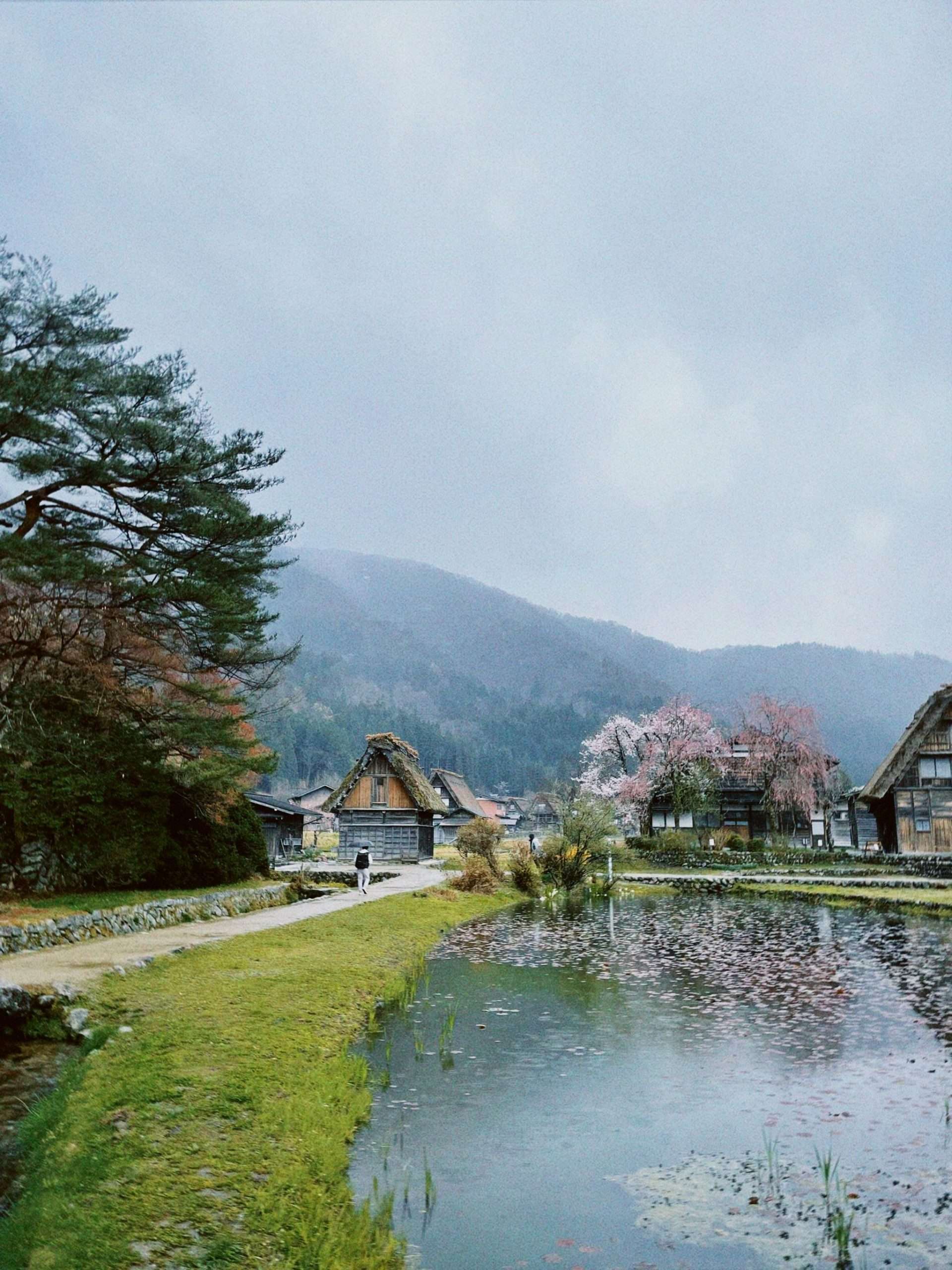
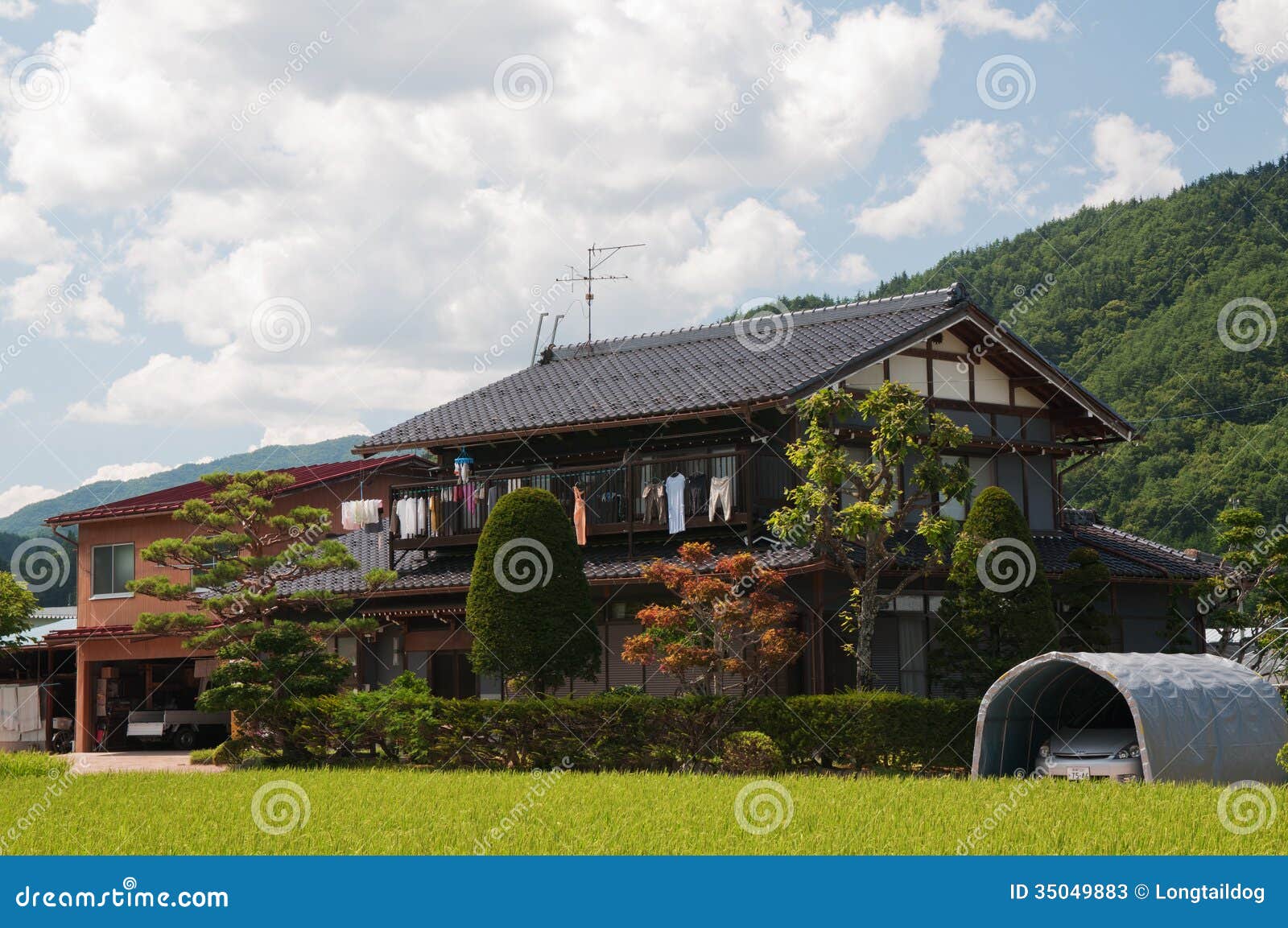
Traditional Japanese houses (kominka) are built with post-and-beam construction. While aesthetically beautiful, they present specific maintenance challenges.
- Insulation: Older homes often lack any insulation. Retrofitting a house with double-glazed windows and wall insulation is essential for year-round comfort.
- Septic Systems: Many rural areas are not connected to a central sewage system. You may need to install or upgrade a jōkasō (individual septic tank), which can cost between ¥800,000 and ¥1.5 million.
- Roofing: Traditional tile roofs are heavy and expensive to repair. Replacing a roof can easily exceed the original purchase price of the house.
- The "Jichikai" (Neighborhood Association): Rural living requires social participation. Residents are expected to pay small monthly fees to the jichikai and participate in community cleaning days (de-yaku). Failure to do so can lead to social isolation in the village.
Comparison of Property Types
When searching for rural real estate, you will encounter three primary categories of property.
| Property Type | Pros | Cons | Ideal For |
|---|---|---|---|
| Kominka (Traditional House) | Historic charm, high-quality timber, cultural value. | High maintenance, poor insulation, expensive repairs. | Enthusiasts and high-budget renovators. |
| Showa-era Fixer-Upper | Very cheap, standard layouts, easier to modernize. | Often lacks seismic reinforcement, dated aesthetics. | Budget-conscious DIYers and digital nomads. |
| Modern Rural Build | Meet current earthquake codes, energy efficient. | Higher purchase price, less "soul" or character. | Families and those seeking low maintenance. |
Frequently Asked Questions
Can I get a mortgage for a rural property in Japan?
It is extremely difficult for non-residents or even foreign residents to get a mortgage for rural property. Most Japanese banks refuse to lend on properties that have a low resale value or are over 30 years old. Expect to pay in cash for both the purchase and renovations.
Are "Free Houses" actually free?
Rarely. While some owners give away properties to avoid paying fixed asset taxes, the receiver must still pay the gift tax, registration tax, and the judicial scrivener fees. Furthermore, "free" houses almost always require several million yen in structural repairs to be habitable.
Is it safe to live in rural Japan given the earthquake risk?
Earthquakes are a reality throughout Japan. When buying rural property, check the local "Hazard Map" provided by the municipality. This map shows risks for landslides, flooding, and seismic intensity. Houses built after 1981 meet stricter Shin-Taishin seismic standards, while older homes may require reinforcement.
How do I handle utilities if I am not in the country?
Most utility companies (water, electricity, gas) allow for automatic bank transfers (furi-komi). Many owners also hire a local property manager or a neighbor to check on the house once a month to vent the air and prevent mold, which is a major issue in Japan’s humid climate.
Strategic Recommendations for Potential Buyers
Before committing to a purchase, it is advisable to rent in the target area for a few months. Rural Japan varies significantly by region; a coastal village in Shikoku offers a vastly different lifestyle and climate than a mountain town in Nagano. Use "Trial Stay" programs offered by many municipalities to test the local community and climate before signing a deed.
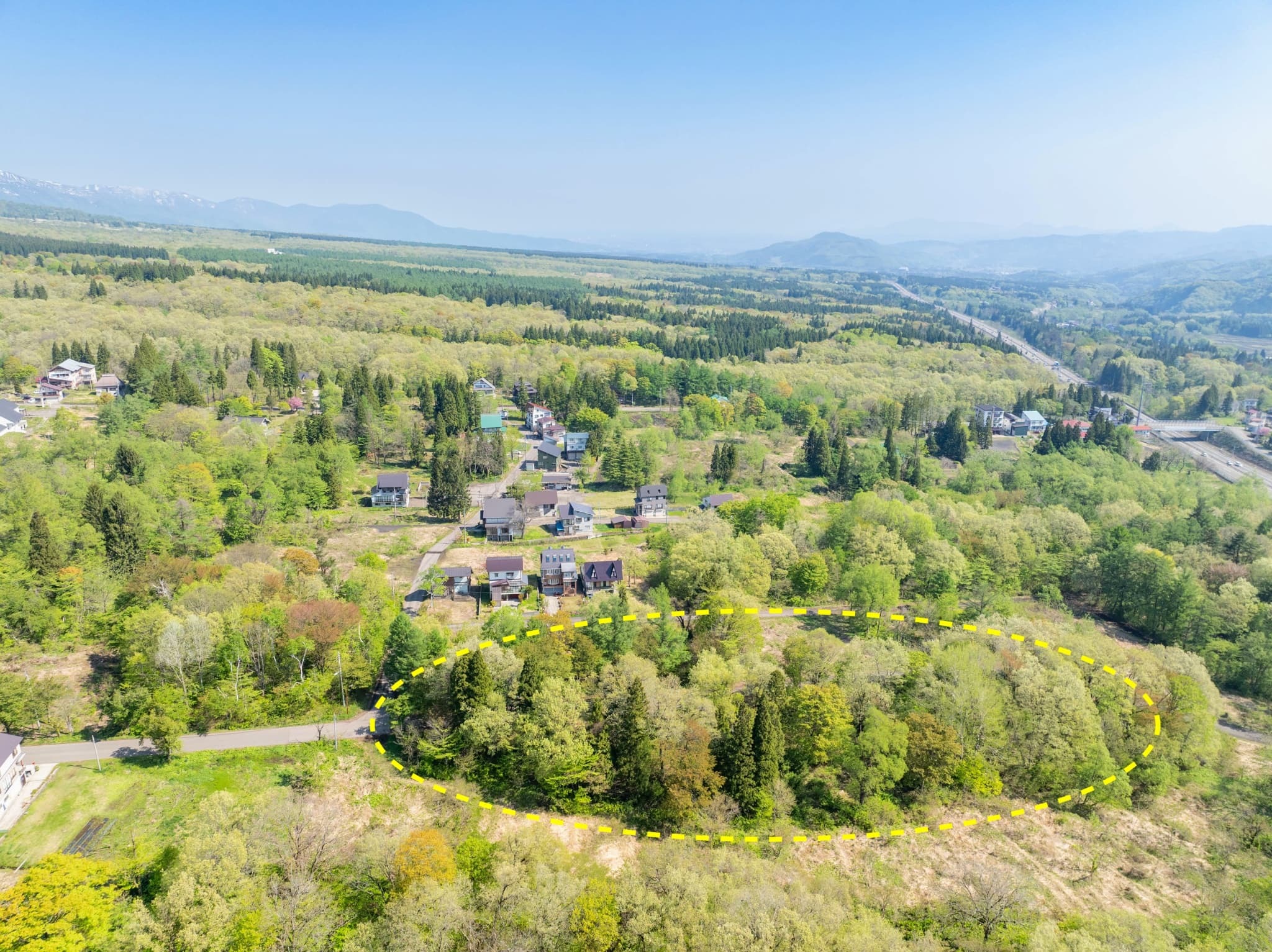
Prioritize properties with "clean" titles and confirmed boundaries. Rural land often lacks clearly marked borders, leading to disputes with neighbors. Ensure your judicial scrivener confirms that the land has been surveyed recently. Finally, always budget 1.5 to 2 times your initial renovation estimate to account for the hidden issues common in Japan's aging housing stock.
Image Gallery