Understanding the Progressive Auto Insurance Collision Deductible
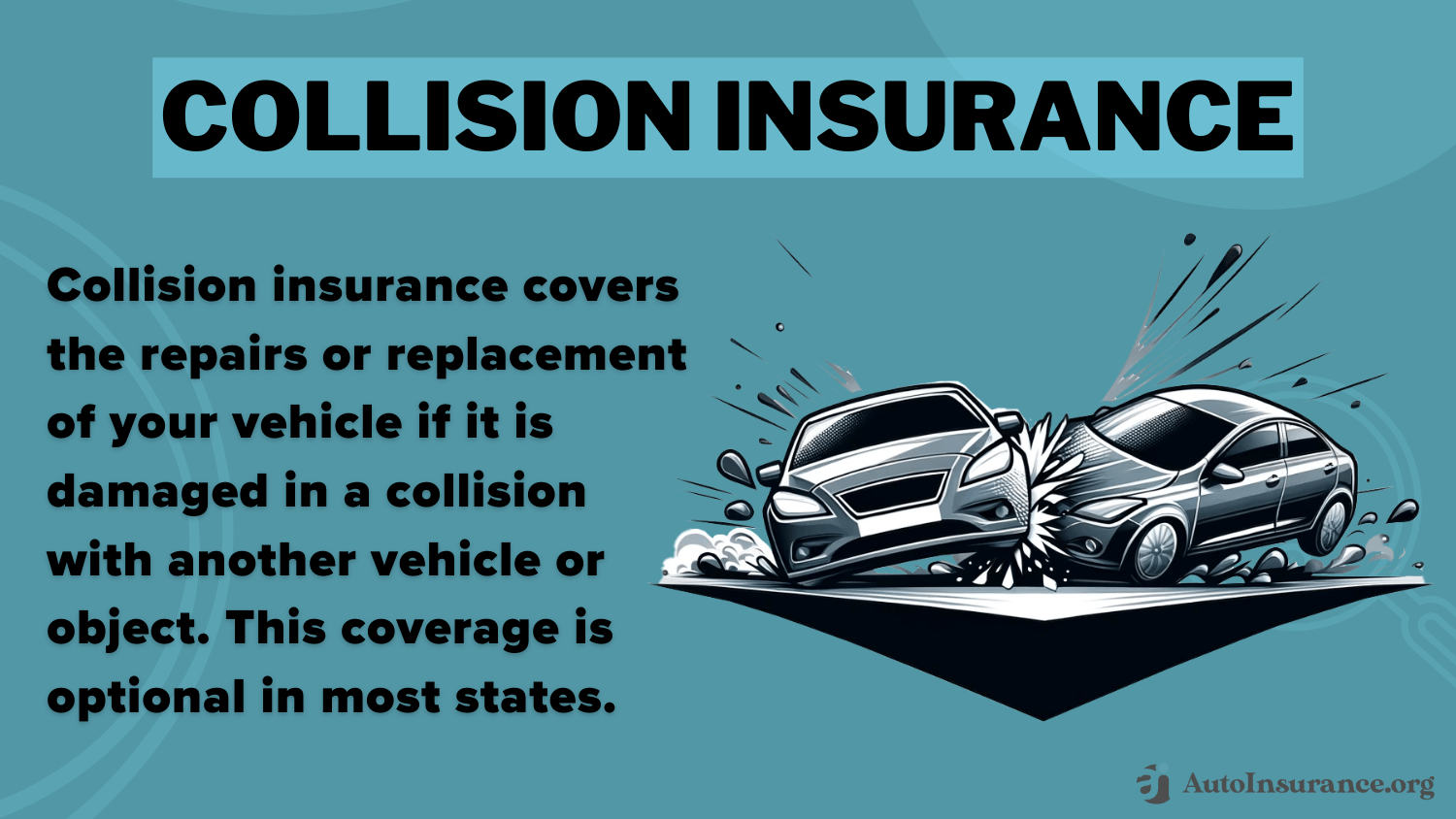
A collision deductible is the amount you agree to pay out-of-pocket toward repairs for your vehicle after a covered accident involving another vehicle or an object, such as a guardrail or tree. With Progressive, selecting this amount—t...
A collision deductible is the amount you agree to pay out-of-pocket toward repairs for your vehicle after a covered accident involving another vehicle or an object, such as a guardrail or tree. With Progressive, selecting this amount—typically ranging from $0 to $2,000—directly influences your premium costs; a higher deductible generally lowers your insurance premium, while a lower deductible increases it.
Contents
Defining Collision Coverage and the Role of the Deductible
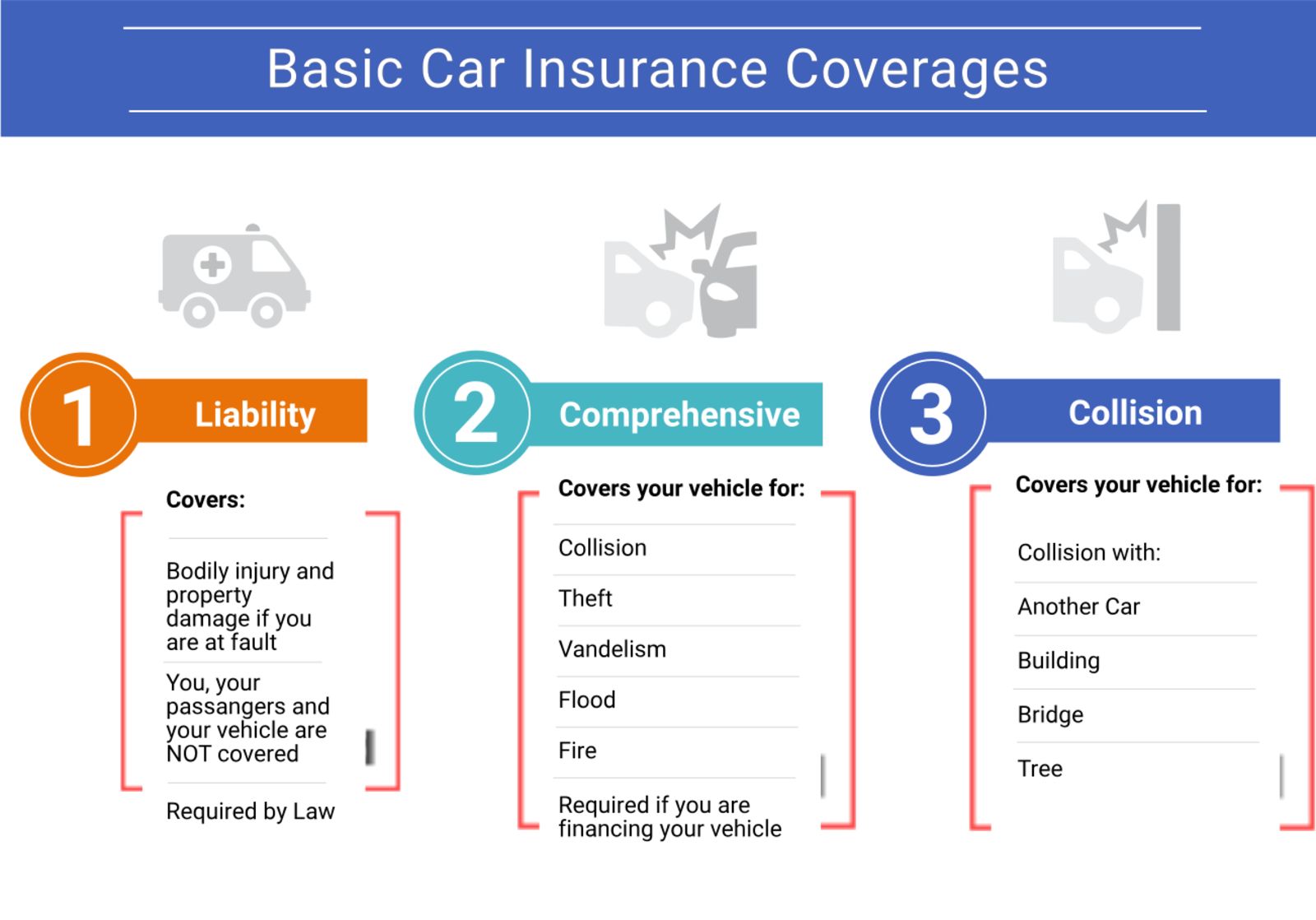
In the context of an auto insurance policy, collision coverage is an optional component for many drivers, though it is often mandatory if you are financing or leasing your vehicle. Unlike liability coverage, which addresses damage you cause to others, collision coverage is designed to restore your own vehicle following an impact.
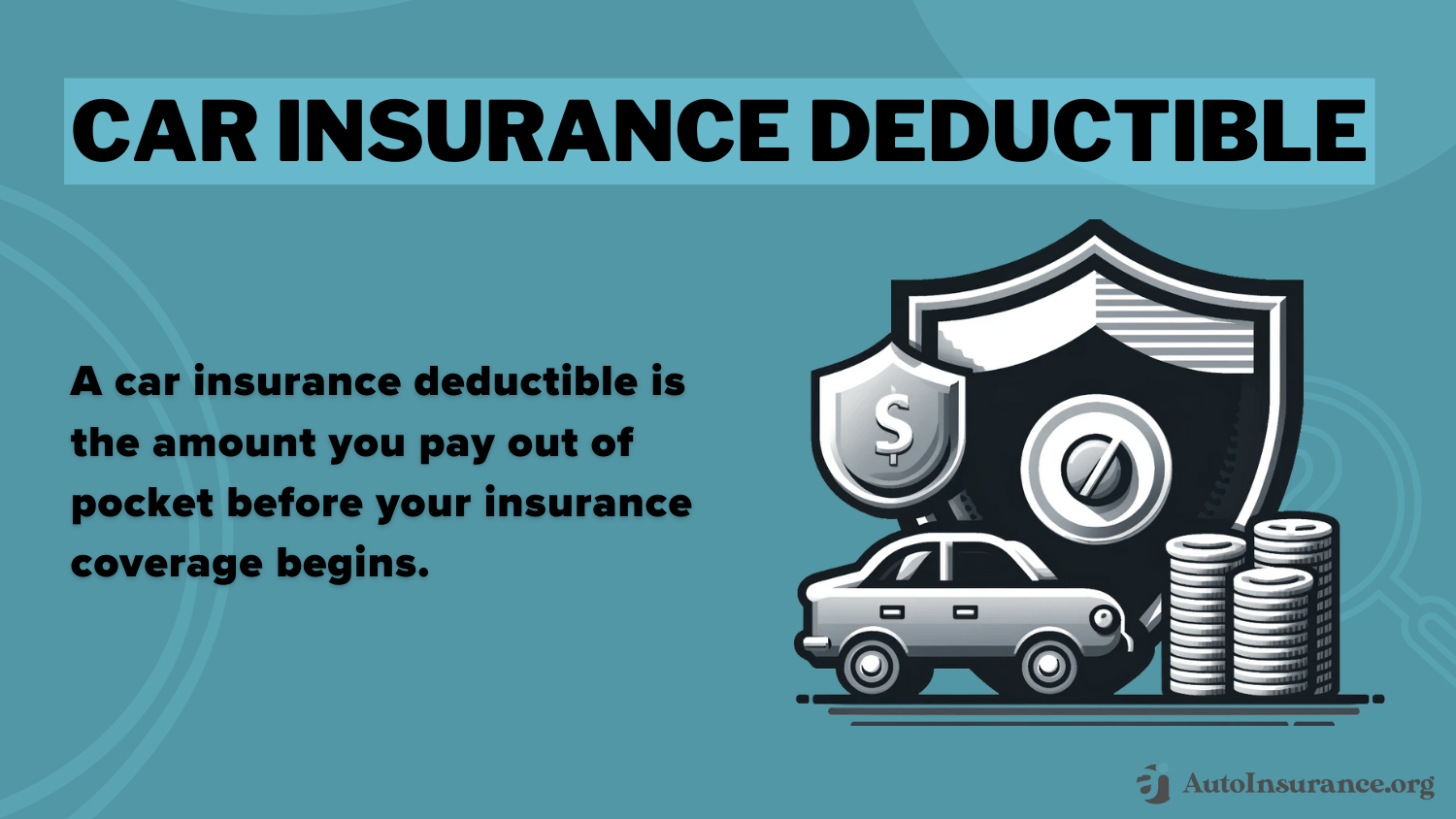
The deductible serves as your financial participation in an insurance claim. When you choose a deductible amount—for instance, $500—you are effectively agreeing to cover the first $500 of repair costs yourself. Progressive, as the insurer, then covers the remainder of the repair costs, provided the total expense exceeds your deductible and the claim falls within your policy's coverage limits.
It is critical to distinguish collision coverage from comprehensive coverage. Collision specifically applies to the impact of your vehicle with another object or vehicle. Comprehensive coverage, which usually carries its own separate deductible, handles non-collision-related events such as theft, vandalism, fire, or weather-related damage.
How Progressive Calculates Deductible Impact on Premiums
The relationship between your deductible and your premium is inverse. Insurance carriers use actuarial data to determine the likelihood of claims occurring and the severity of those claims. By choosing a higher deductible, you are assuming more of the financial risk. In return, Progressive reduces your annual or semi-annual premium.
Conversely, selecting a lower deductible shifts the financial burden of a minor accident onto the insurer. Because Progressive must set aside more capital to cover potential small-dollar claims, the cost of maintaining that policy increases.
When evaluating your deductible choice, consider your "emergency fund" capacity. If you choose a $1,000 deductible to save money on monthly premiums, you must be prepared to pay that $1,000 immediately if an accident occurs. If you cannot afford the deductible at the time of an accident, you may be unable to move forward with the necessary repairs through your insurance policy.
The Progressive Deductible Savings Bank
Progressive offers a feature known as the "Deductible Savings Bank" on eligible policies. This program allows policyholders to reduce their collision deductible by $50 for every claim-free policy period (usually six months).
This feature is designed to reward long-term safe driving. If you remain accident-free for several years, your deductible can theoretically decrease significantly, potentially reaching $0. However, it is essential to verify if your specific policy includes this feature, as availability can vary by state and policy type. If you do file a collision claim, your deductible resets to the amount originally selected at the inception of the policy.
Comparing Deductible Options
Deciding on the "right" deductible involves balancing immediate cash flow with long-term financial security. The following table illustrates the general trade-offs associated with different deductible levels.
| Deductible Amount | Premium Impact | Out-of-Pocket Risk | Best For |
|---|---|---|---|
| $0 | Highest | None | Drivers who prioritize fixed, predictable costs. |
| $250 | High | Minimal | Drivers who prefer lower immediate repair costs. |
| $500 | Moderate | Moderate | The standard choice for many drivers. |
| $1,000 | Low | Significant | Drivers with strong savings who want lower premiums. |
| $2,000 | Lowest | Very High | Drivers with minimal vehicle value or high liquidity. |
Practical Steps for Choosing Your Deductible
- Assess Your Vehicle’s Value: If you are driving an older vehicle with low market value, a high collision deductible might not make sense. If the cost of repairs approaches the "actual cash value" of the car, the insurer may declare it a total loss, making the deductible irrelevant to the final payout.
- Evaluate Your Cash Flow: Review your savings. If you would struggle to pay $1,000 on short notice, choosing a lower deductible—even if it increases your premium—is a safer financial decision.
- Check Lender Requirements: If you have an active auto loan, your lender likely requires a maximum deductible amount (often $500 or $1,000) to ensure the vehicle’s value remains protected.
- Analyze Your Driving History: If you are a high-risk driver or live in an area with high traffic density, you may face a higher probability of needing to file a claim, favoring a lower deductible.
Common Misconceptions Regarding Deductibles
One common misunderstanding is the belief that the deductible is "paid to the insurance company." In practice, the deductible is usually subtracted from the total settlement check you receive from the insurer. For example, if your repair bill is $3,000 and your deductible is $500, the repair shop is typically paid the full amount by you and the insurer, but your portion is the $500 you pay directly to the shop or the amount deducted from the settlement issued to your repair provider.
Another misconception is that the deductible applies to liability claims. It does not. If you cause an accident and damage someone else’s property, you do not pay a deductible for their repairs. The deductible applies strictly to the repair of your own property under your first-party coverage.
Troubleshooting and Managing Claims
If you find yourself in a collision, the first step is to report the incident to Progressive. Once the claim is opened, a representative will estimate the cost of damages. If the estimate is below your deductible amount, you may choose to pay for the repairs independently rather than filing the claim, which prevents a potential premium increase associated with a claim filing.
If the damage exceeds your deductible, the insurer will proceed with the claim. Ensure you keep documentation of all repair estimates. If the repair shop finds "hidden damage" after beginning the work, ensure the shop communicates directly with the insurance adjuster to adjust the scope of the claim.
Frequently Asked Questions
Does the collision deductible change if I am not at fault? If you are involved in a collision with another driver and their insurance accepts liability, you generally will not pay your deductible. If the other driver is uninsured or you are at fault, your collision deductible will apply.
Can I change my deductible during my policy term? Yes, you can typically adjust your deductible at any time by contacting your agent or logging into your online account. However, changes usually take effect at the start of a new policy term rather than immediately, depending on your state’s regulations.
What happens to my deductible if the car is a total loss? If the vehicle is totaled, Progressive will subtract your deductible from the "actual cash value" payout of the vehicle before issuing the check to you or your lienholder.
Is the deductible a per-accident cost? Yes, the collision deductible is applied on a per-incident basis. If you have two separate accidents in one year, you are responsible for the deductible each time you file a claim.
Do I have to pay the deductible if I use a shop in the Progressive network? Yes, the deductible is a contractual obligation and must be paid regardless of the repair facility you choose. Using a network shop, however, may offer guarantees on the workmanship of the repairs.
Next Steps for Policyholders
To ensure your coverage aligns with your current financial situation, log into your Progressive account to review your current policy declarations page. Look for the "Collision" line item to confirm your existing deductible. If you wish to adjust this amount to better suit your budget or risk tolerance, utilize the "Edit Coverage" or "Change Deductibles" tool provided in the portal. Always consult with a licensed agent if you are unsure how a change in coverage level might impact your specific financial or legal obligations.
Image Gallery