The Las Vegas Pigeon Hat Phenomenon: Origins, Animal Welfare, and Urban Mystery
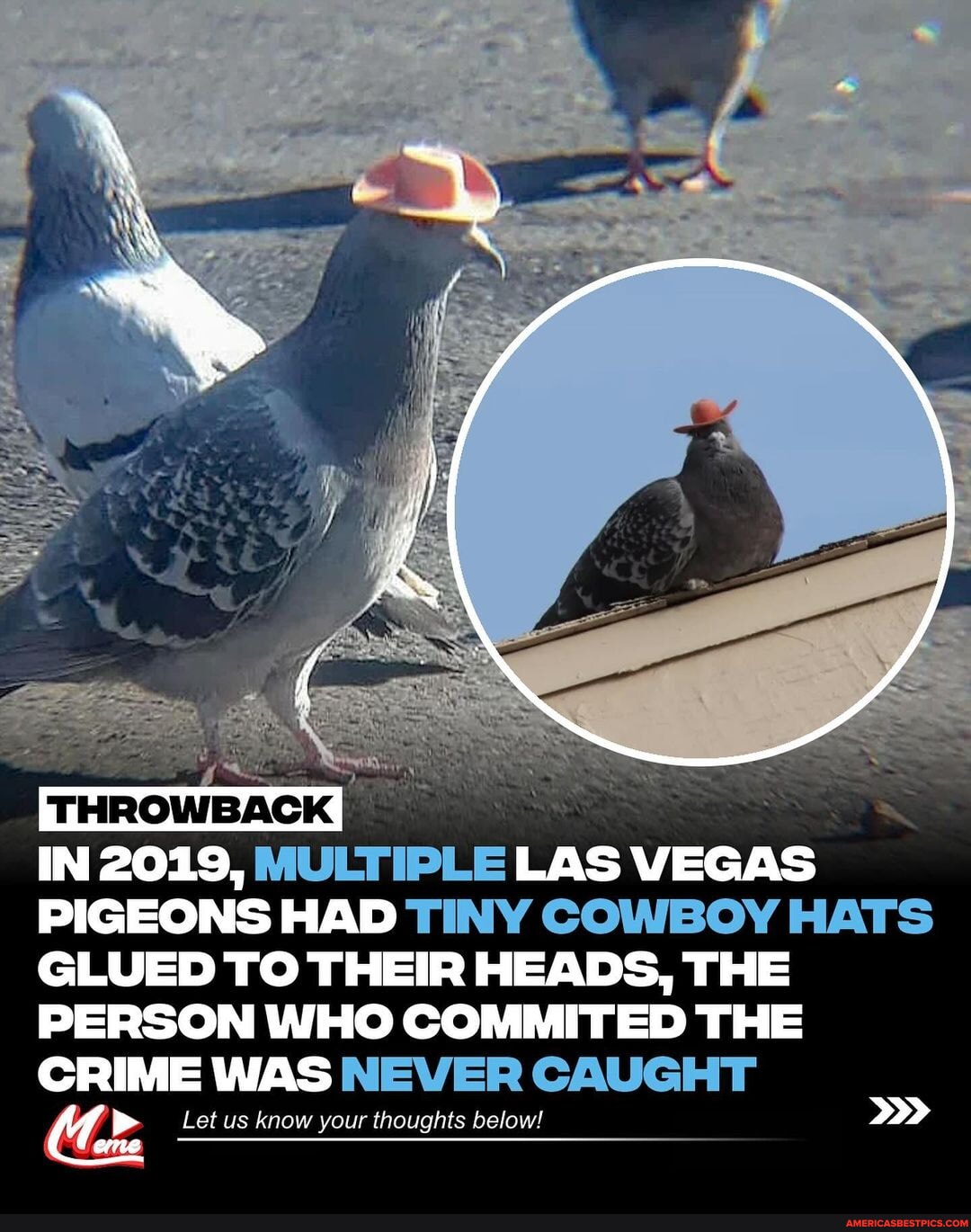
In late 2019, a viral phenomenon emerged in Las Vegas involving feral pigeons found wearing tiny, red cowboy hats glued to their heads. While the "Cowboy Pigeons" became a global internet sensation, the incident sparked significant con...
In late 2019, a viral phenomenon emerged in Las Vegas involving feral pigeons found wearing tiny, red cowboy hats glued to their heads. While the "Cowboy Pigeons" became a global internet sensation, the incident sparked significant concern among animal welfare groups regarding the toxicity of the adhesive, the birds' health, and the ethics of using urban wildlife for social media visibility.
Contents
The Origins of the Cowboy Pigeons
The story of the Las Vegas pigeon hats began in early December 2019. A resident named Bobby Lee captured a video of two pigeons—later nicknamed Bobby Lee and Cluck Day—pecking for food in a parking lot near Tropicana Avenue and Maryland Parkway. What made the footage remarkable was that each bird was sporting a miniature, perfectly proportioned red cowboy hat. The video quickly transitioned from a local curiosity to a global viral sensation, racking up millions of views across Twitter, Facebook, and TikTok.
As the videos spread, the public reaction was initially split between amusement and concern. To many casual observers, the "hatted pigeons" appeared to be a whimsical, harmless prank—a quintessential Las Vegas "weirdness" story. However, for ornithologists and animal rescuers, the sightings were immediately recognized as a serious case of animal interference. The hats were not merely resting on the birds; they were firmly attached, raising questions about how they were secured and what the long-term consequences would be for the birds' survival.
Identifying the Birds and the Rescue Mission
Within days of the first viral video, the local animal rescue organization Lofty Hopes, led by founder Mariah Hillman, began a mission to trap the birds. The goal was to remove the hats and assess the pigeons for injury. Pigeons are highly social and mobile creatures, making the task of capturing specific individuals in a city of thousands of birds exceptionally difficult.
The rescue team eventually identified at least three distinct birds involved in the initial wave:
- Cluck Day: A pigeon wearing a red hat that was successfully trapped and rehabilitated.
- Bobby Lee: The bird from the original viral video, also wearing a red hat.
- Coolamity Jane: A third pigeon later spotted wearing a tiny pink hat.
The rescue process involved setting humane traps in the areas where the birds were most frequently sighted. Lofty Hopes staff spent days monitoring these locations, eventually capturing Cluck Day and Bobby Lee. Upon closer inspection, rescuers confirmed the community's worst fears: the hats had been attached using a strong adhesive, likely a variety of superglue or high-strength construction adhesive.
Technical Impact on Pigeon Physiology and Survival
To understand why a seemingly light hat is dangerous to a pigeon, one must look at the technical aspects of avian physiology. Pigeons rely on their feathers for far more than just flight. Feathers are essential for thermoregulation, waterproofing, and protection from the elements.
The Role of the Preen Gland
Pigeons possess a uropygial gland (or preen gland) near the base of their tail. They use their beaks to spread oil from this gland across their feathers to keep them flexible and water-resistant. By gluing a hat to the top of a pigeon’s head, the perpetrator interfered with the bird's ability to preen effectively. If a bird cannot reach certain feathers or if the feathers are matted together by glue, the integrity of the entire plumage can suffer.
Flight and Predation Risks
Urban pigeons are constantly at risk from predators such as hawks, falcons, and owls. Their survival depends on a 340-degree field of vision and the ability to take flight in a split second. A hat, regardless of how light it feels to a human, alters a pigeon's aerodynamics and can obstruct its peripheral vision. Furthermore, the bright red or pink color of the hats made these specific birds "target-rich" for predators, as they no longer blended into the gray and brown tones of the urban landscape.
Toxicity of Adhesives
The most immediate threat was the glue itself. Many industrial adhesives release fumes that are toxic to birds, which have highly sensitive respiratory systems. Additionally, as the glue cured or aged, it pulled at the delicate skin of the bird's head. When rescuers finally removed the hats from the captured birds, they found that some of the feathers had been ripped out or the skin had become irritated, leaving the birds vulnerable to infection.
The Fate of the Captured Birds
The story of the cowboy pigeons took a somber turn in early 2020. While Cluck Day was successfully treated and released after the hat was removed, Bobby Lee did not fare as well. After being taken in by Lofty Hopes, Bobby Lee's health began to decline. Despite receiving veterinary care, the bird passed away in January 2020.
While it was difficult to definitively link the death to the hat alone—feral pigeons are susceptible to various urban diseases and parasites—the stress of the glue, the capture, and the interference with his natural behavior were undoubtedly contributing factors. A necropsy was discussed, but the general consensus among rescuers was that the cumulative "insult" to the bird's system from the prank had been too much to overcome.
The Mystery of the "Hatter"
Despite the international media attention, the person or group responsible for gluing the hats to the pigeons was never officially identified or charged. The act occurred during a period of high tourist activity in Las Vegas, making it difficult for the Nevada Department of Wildlife (NDOW) or local law enforcement to track down a suspect based solely on the location of the sightings.
Speculation ran rampant online. Some suggested it was a marketing stunt for a rodeo event, such as the National Finals Rodeo (NFR) which was held in Las Vegas around the same time. Others believed it was the work of a lone individual seeking viral fame. Because the act involved "disturbing" wildlife rather than a high-level felony, the investigative resources allocated to the case were limited. However, the incident prompted a broader conversation about animal cruelty laws and whether current statutes adequately protect urban wildlife from "pranks" that result in physiological harm.
| Entity | Role/Type | Status/Outcome | Notes |
|---|---|---|---|
| Bobby Lee | Pigeon | Deceased (Jan 2020) | The first bird filmed; hat was red. |
| Cluck Day | Pigeon | Rescued & Released | Successfully rehabilitated by Lofty Hopes. |
| Coolamity Jane | Pigeon | Spotted / Unknown | Wore a pink hat; status unconfirmed. |
| Lofty Hopes | Rescue Org | Active | Primary group responsible for the rescue efforts. |
| Nevada Dept. of Wildlife | Government Body | Monitored | Provided guidance on wildlife interference laws. |
| The "Reno" Pigeon | Pigeon | Spotted in Reno, NV | Found wearing a red sombrero weeks later. |
Cultural Impact and Ethical Considerations
The Las Vegas pigeon hat incident serves as a case study in the "viral era" of animal interaction. In the quest for social media engagement, the welfare of the subject is often secondary to the visual punchline. This phenomenon is not limited to pigeons; similar incidents have involved painted turtles, dyed dogs, and even wild animals subjected to "selfie" culture.
The incident forced a re-evaluation of how the public views pigeons. Often dismissed as "rats with wings," pigeons are actually highly intelligent birds with a long history of service to humans, including as messengers during wartime. The outrage expressed by a large segment of the public indicated a growing empathy for urban wildlife, even for species that are traditionally viewed as pests.
Lessons for the Future
By 2026, the legacy of the cowboy pigeons remains a cautionary tale for urban wildlife management. It highlighted the need for:
- Rapid Response Protocols: How rescue organizations can quickly mobilize in a highly publicized viral event.
- Public Education: Informing the public that "cute" alterations to animals are often death sentences for those creatures in the wild.
- Legal Clarity: Strengthening the definition of animal harassment to include non-lethal but harmful interference like gluing objects to wildlife.
Frequently Asked Questions
Who put the hats on the pigeons in Las Vegas?
The identity of the perpetrator remains unknown. While there was significant speculation that the hats were linked to the National Finals Rodeo (NFR) due to the timing, no evidence ever surfaced to link the event or any specific individual to the act. No arrests were made, and the "Hatter" case remains an unsolved urban mystery.
Did the pigeons with hats die?
At least one of the pigeons, known as Bobby Lee, died shortly after being rescued in January 2020. Another bird, Cluck Day, was successfully rehabilitated and released. The fate of a third bird, Coolamity Jane, who wore a pink hat, was never officially confirmed as the bird was not successfully trapped for treatment.
How were the hats attached to the pigeons?
Rescuers from Lofty Hopes confirmed that the hats were attached using a strong adhesive. Reports suggested it was a type of superglue or eyelash glue. This was particularly harmful because it matted the feathers and prevented the birds from preening, which is essential for their health and flight capabilities.
Is it illegal to put hats on pigeons?
In many jurisdictions, including Nevada, interfering with wildlife can be classified as animal harassment or cruelty. While feral pigeons are often not protected by the same stringent laws as migratory birds (under the Migratory Bird Treaty Act), local animal cruelty statutes generally prohibit the intentional harm or "torture" of any animal, which includes applying toxic substances or interfering with their ability to survive.
Why was the hat dangerous if it was so small?
Even a small, lightweight object can be fatal for a bird. The hat disrupts the bird's natural camouflage, making it easier for predators to spot. It also blocks the bird's peripheral vision, which is necessary to detect threats. Furthermore, the glue used to attach the hat can be toxic and can damage the skin and feathers during both application and removal.
Final Recommendation for Encountering Altered Wildlife
If you encounter an animal in an urban environment that appears to have been physically altered—such as having objects attached, being painted, or being dyed—do not attempt to capture the animal yourself unless it is in immediate life-threatening danger. Such interference often causes additional stress. Instead, contact a local licensed wildlife rehabilitator or animal control immediately. Organizations like Lofty Hopes in Nevada are equipped with the specialized tools and medical knowledge required to remove adhesives and treat skin irritation without causing further trauma to the bird's delicate feather structure.
Image Gallery