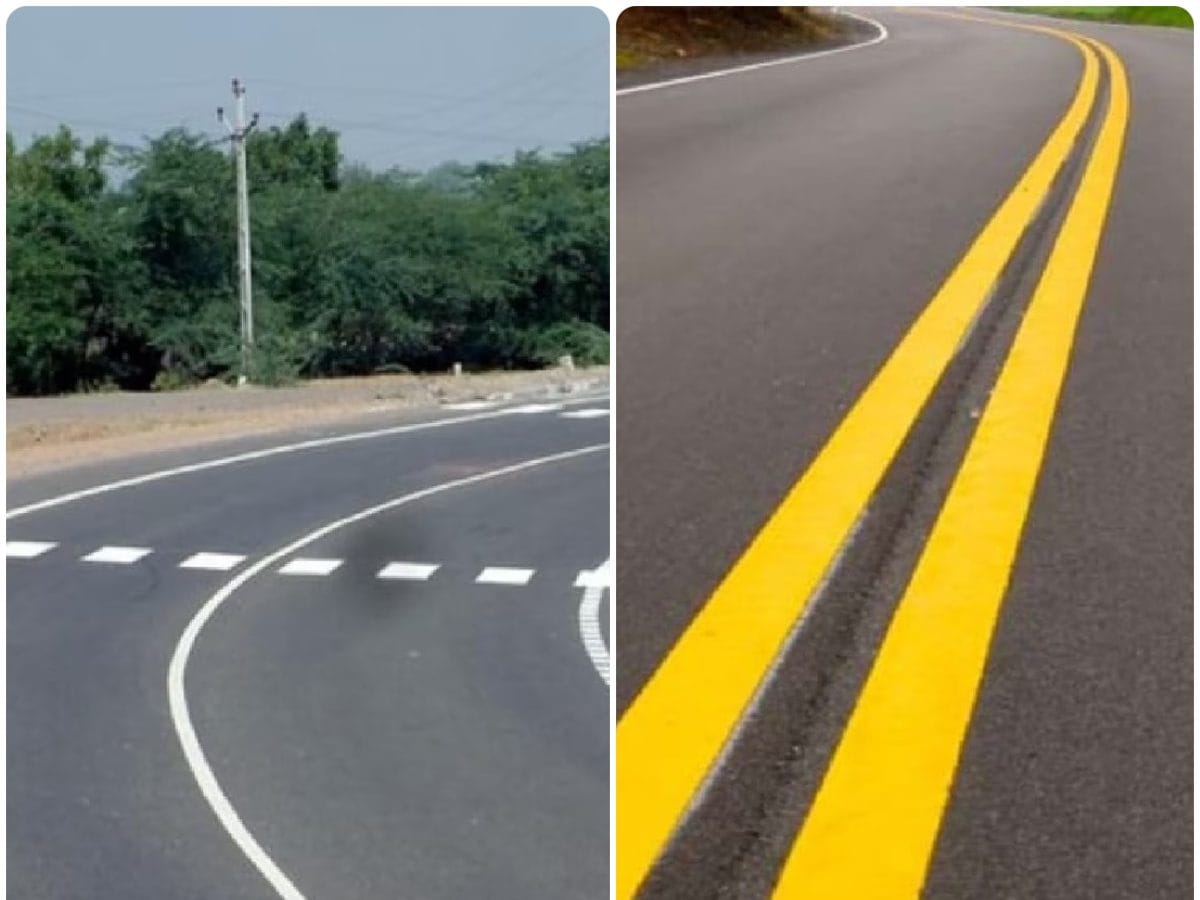
Understanding Yellow and White Lines on the Road: Meanings, Rules, and Safety Guidelines
Road markings use a standardized system of colors and patterns to communicate essential traffic laws and safety information to drivers. Generally, white lines separate traffic moving in the same direction or mark the edge of the road,...
Road markings use a standardized system of colors and patterns to communicate essential traffic laws and safety information to drivers. Generally, white lines separate traffic moving in the same direction or mark the edge of the road, while yellow lines separate traffic moving in opposite directions, acting as a barrier between you and oncoming vehicles.
Contents
Navigating the modern roadway requires more than just mechanical skill; it requires a deep understanding of the visual language painted on the pavement. These markings, governed by standards such as the Manual on Uniform Traffic Control Devices (MUTCD), ensure that traffic flows predictably and safely. As of 2026, while vehicle technology and autonomous assistance have advanced, the fundamental reliance on high-contrast yellow and white lines remains the backbone of global road infrastructure. Understanding the nuances between solid, broken, single, and double lines is critical for legal compliance and accident prevention.
The Fundamental Difference Between White and Yellow Lines
The most basic rule of road markings is the distinction between white and yellow paint. This color-coding is the first piece of information a driver processes when looking at the path ahead.
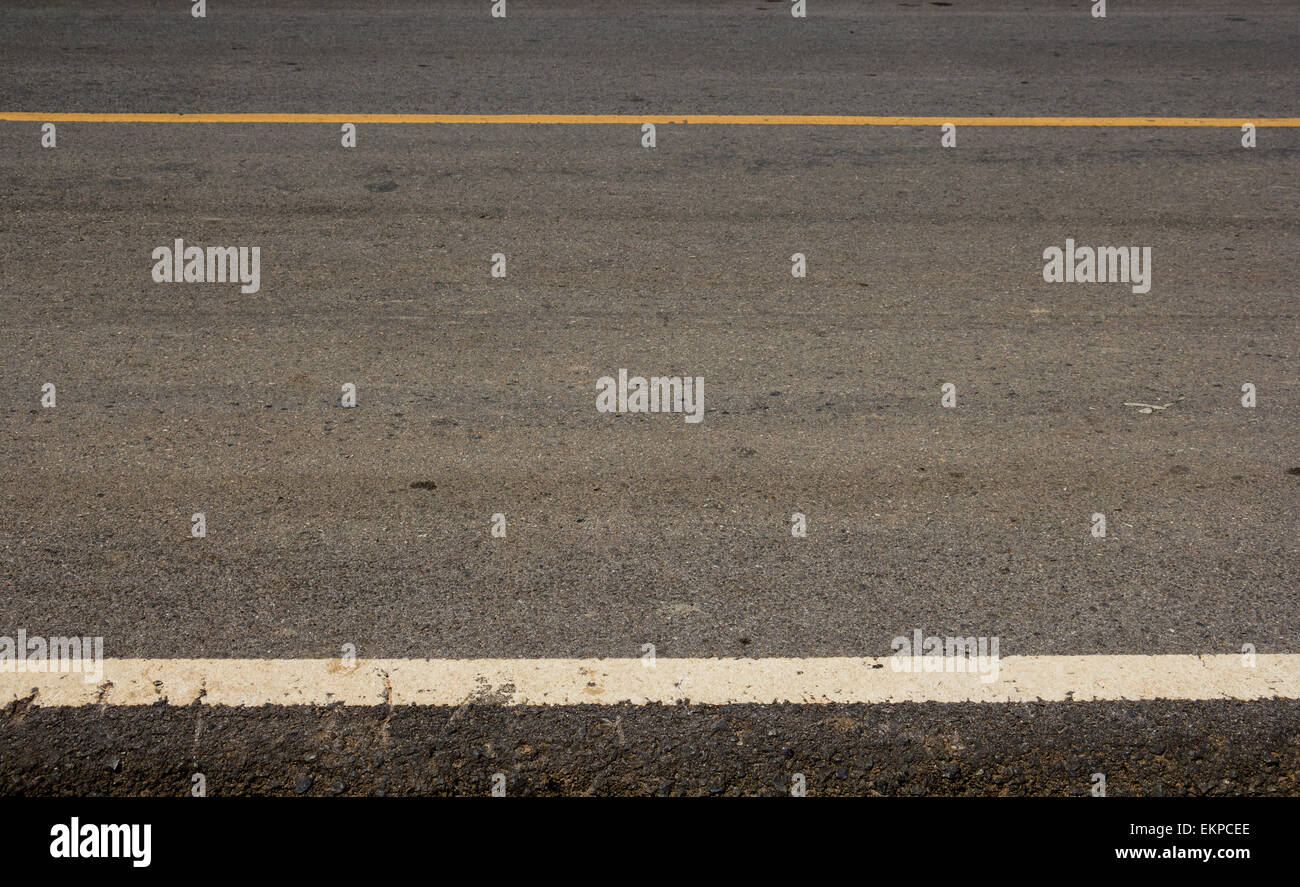
White lines are used to delineate lanes of traffic traveling in the same direction. If you see a white line between you and the lane to your right or left, it means that the vehicles in those lanes are headed toward the same destination as you. White lines are also used for "edge lines," which mark the right-hand boundary of the drivable surface, helping drivers stay on the road during poor visibility or nighttime conditions.
Yellow lines serve a much more critical safety function: they separate traffic moving in opposite directions. In most jurisdictions, a yellow line will always be to the driver's left on a two-way road. If you ever find a yellow line on your right, you are likely driving on the wrong side of the road or entering a one-way street from the wrong direction. Yellow lines are also used to mark the left-hand edge of divided highways and one-way streets.
White Road Markings: Same-Direction Traffic and Edge Limits
White markings are categorized by their patterns, each conveying a specific level of permission or restriction regarding lane changes and positioning.
Broken White Lines
A broken (or dashed) white line indicates that lane changes are permitted. Drivers may cross these lines to overtake another vehicle or move into a different lane for an upcoming turn, provided they signal and ensure the move is safe. These are common on multi-lane highways and city streets. The spacing of these dashes is mathematically calculated based on the speed limit of the road to ensure they remain visible as a "line" rather than a blur to the human eye.
Solid White Lines
A solid white line serves as a discouragement or a prohibition. When a white line is solid, it indicates that drivers should stay within their lane. While crossing a thin solid white line is not always strictly "illegal" in every jurisdiction (it is often labeled as "discouraged"), it is a signal that lane changes are hazardous due to approaching intersections, tunnels, or merge points.
However, a thick solid white line—often seen near highway exits or "gore" areas—is a much stricter boundary. Crossing these is frequently a citable traffic offense. These lines guide traffic into specific channels and prevent last-minute swerving that causes high-speed collisions.
Transverse White Markings
Not all white lines run parallel to the car. Transverse markings include:
- Stop Bars: Thick white lines extending across the lane at intersections, indicating exactly where a vehicle must stop for a red light or stop sign.
- Crosswalks: Large blocks or "ladder" patterns that alert drivers to pedestrian zones.
- Yield Lines: Also known as "shark's teeth," these are triangles pointing toward approaching traffic, indicating where a driver should yield to others.
Yellow Road Markings: Two-Way Traffic and Separation
Yellow lines are the primary defense against head-on collisions. Because they separate opposing flows of traffic, the rules governing them are often more strictly enforced.
Broken Yellow Lines
A single broken yellow line in the center of the road means that passing is permitted for drivers on both sides. This is common on rural two-lane roads with long, clear lines of sight. Drivers must ensure there is no oncoming traffic and that they have enough distance to return to their lane before the broken line ends.
Double Solid Yellow Lines
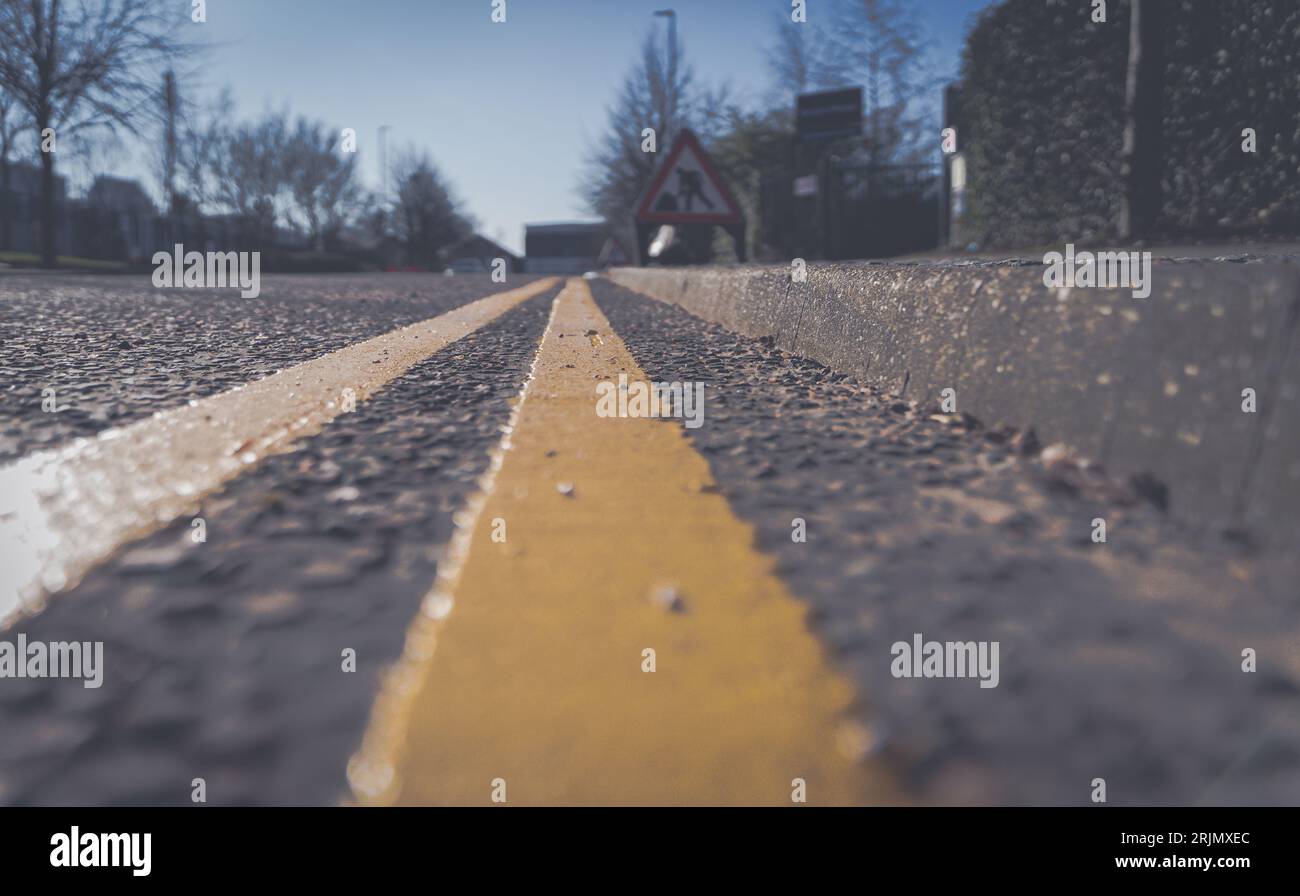
A double solid yellow line is a definitive "No Passing" zone. It is illegal to cross these lines to overtake another vehicle. These are placed in areas where visibility is limited, such as on curves, hills, or near busy driveways where a passing maneuver would be life-threatening. The only common exception to this rule is when a driver is making a left turn into a driveway or private road, provided it is safe and not explicitly prohibited by a "No Left Turn" sign.
One Solid, One Broken Yellow Line
In many areas, you will see a combination of a solid and a broken yellow line. The rule here is simple: if the broken line is closest to your lane, you may pass if it is safe. If the solid line is closest to your lane, you are in a no-passing zone, while the traffic coming from the opposite direction may be permitted to pass. This configuration is frequent on hills where the driver going downhill has a better view of the road than the driver climbing.
The Center Left-Turn Lane
A unique configuration consists of two sets of yellow lines: a solid outer line and a broken inner line on both sides of a center lane. This is a dedicated two-way left-turn lane. It is designed only for vehicles making left turns and should never be used for passing or traveling long distances.
Technical Specifications and Engineering Standards
The effectiveness of road markings depends on their visibility, which is governed by the Federal Highway Administration (FHWA) in the United States and similar bodies globally. By 2026, the materials used for these lines have become highly sophisticated.
| Line Type | Primary Color | Directional Meaning | Passing/Crossing Rule |
|---|---|---|---|
| Broken White | White | Same direction | Permitted when safe |
| Solid White | White | Same direction | Discouraged or Prohibited |
| Broken Yellow | Yellow | Opposite direction | Passing allowed (both sides) |
| Double Solid Yellow | Yellow | Opposite direction | No passing (both sides) |
| Solid + Broken Yellow | Yellow | Opposite direction | Passing allowed only for side with broken line |
| Solid White (Edge) | White | Road boundary | Do not cross (off-road) |
Retroreflectivity and Material Science
Road paint is not just pigment; it contains thousands of tiny glass beads known as "ballotini." When a car's headlights hit these beads, they reflect the light back toward the driver’s eyes—a process known as retroreflectivity. As of 2026, many highway departments utilize "high-build" thermoplastic or epoxy resins that last longer and maintain higher levels of reflectivity than traditional water-based paints. This is particularly important for the sensors in modern Advanced Driver Assistance Systems (ADAS) and autonomous vehicles, which rely on clear line detection to stay centered in a lane.
Common Mistakes and Legal Implications
Violating road marking rules is one of the most common reasons for traffic citations and insurance liability determinations.
- "Gore Area" Violations: A "gore" is the triangular area between a highway and an exit ramp, usually marked by thick solid white lines. Crossing into this area to catch an exit at the last second is illegal and highly dangerous.
- Straddling the Line: Driving with your tires on the line is not only a sign of distracted driving but can also be classified as a "failure to maintain lane" offense.
- Turning Across Double Yellows: While usually legal for entering a driveway, some states or local municipalities may prohibit this in high-traffic business districts. Always look for supplemental "No Left Turn" signage.
- Misinterpreting Edge Lines: On narrow rural roads, a solid white line on the right marks the edge of the pavement. Crossing this usually puts your vehicle on the shoulder, which may have reduced traction or hidden debris.
Frequently Asked Questions
What does a solid white line on the right side of the road mean?
A solid white line on the right side is an "edge line." Its purpose is to show where the travel lane ends and the shoulder begins. It is especially useful during rain or fog, providing a visual guide so you don't accidentally drive off the paved surface.
Can you ever cross a double yellow line?
Yes, but only in specific circumstances. You may cross a double yellow line to turn left into a driveway, private road, or alley, provided it is safe to do so. You may also cross them if instructed by a police officer or road construction flagger. You should never cross them to pass another vehicle.
Why are some road lines thicker than others?
Line thickness is used to emphasize a restriction or a specific area. Thicker lines, like those found at stop bars or near exit ramps, indicate that the boundary is more "permanent" and that crossing it is either prohibited or requires a complete stop.
What should I do if the road markings are faded or covered by snow?
In cases where road markings are not visible, drivers must follow the "basic speed law" and exercise extreme caution. Generally, you should stay as far to the right as possible on two-way roads and follow the tracks of previous vehicles, while keeping a significantly increased following distance.
Is it legal to cross a solid white line to change lanes?
In many states, crossing a single solid white line is legal but discouraged. However, in some jurisdictions and on specific stretches of road (like near bridges or tunnels), it is strictly prohibited. If the line is a double solid white line, crossing is always illegal and usually marks a restricted lane, such as a carpool or HOV lane.
Practical Recommendations for Drivers
To ensure safety and legal compliance, always treat road markings as active instructions rather than suggestions. If you are unsure whether passing is permitted, stay in your lane; the few minutes saved by overtaking are never worth the risk of a head-on collision.
Regularly check your own vehicle's headlights to ensure they are clean and aimed correctly, as the visibility of yellow and white lines depends heavily on the quality of light hitting the retroreflective beads. For those using 2026-era lane-keeping assist technologies, remember that these systems can be "fooled" by old, "ghost" lines left behind after construction. Always maintain manual control and visual confirmation of the current, active markings on the pavement.
Image Gallery