Navigating the Worst Facial Hair Styles: A Comprehensive Grooming and Styling Guide
The worst facial hair styles often stem from poor structural alignment with facial geometry, patchy growth phases, or overly aggressive grooming choices that detract from natural features. Identifying these problematic aesthetic patter...
The worst facial hair styles often stem from poor structural alignment with facial geometry, patchy growth phases, or overly aggressive grooming choices that detract from natural features. Identifying these problematic aesthetic patterns involves evaluating density distribution, jawline definition, and maintenance requirements to prevent common styling mistakes.
Contents
Understanding the Anatomy of Problematic Facial Hair
Facial hair styling requires an understanding of how hair growth interacts with facial bone structure. When individuals attempt styles without accounting for their unique biological canvas, the results often fall into the category of the worst facial hair. Poorly executed facial hair typically highlights asymmetries, creates optical illusions that distort natural jawlines, or simply looks unkempt due to neglect.
The primary driver behind unsuccessful facial hair is a mismatch between the chosen design and the individual’s hair density, growth direction, and face shape. For instance, wearing a heavy chin curtain on a round face can accentuate fullness rather than providing structure. Similarly, attempting a complex, multi-tiered goatee when growth is sparse on the cheeks and upper lip results in disconnected tufts that lack visual cohesion. Recognizing these structural mismatches is the first step toward correcting or avoiding grooming missteps.
Furthermore, biological limitations play a massive role. Not every individual possesses the terminal hair density required for thick, voluminous styles. Forcing a style that requires robust cheek coverage when growth is naturally restricted to the chin creates a sparse, strained appearance. Accepting natural growth patterns and selecting designs that complement—rather than fight—one's biology prevents many common aesthetic errors.
Common Categories of Poor Facial Hair Choices
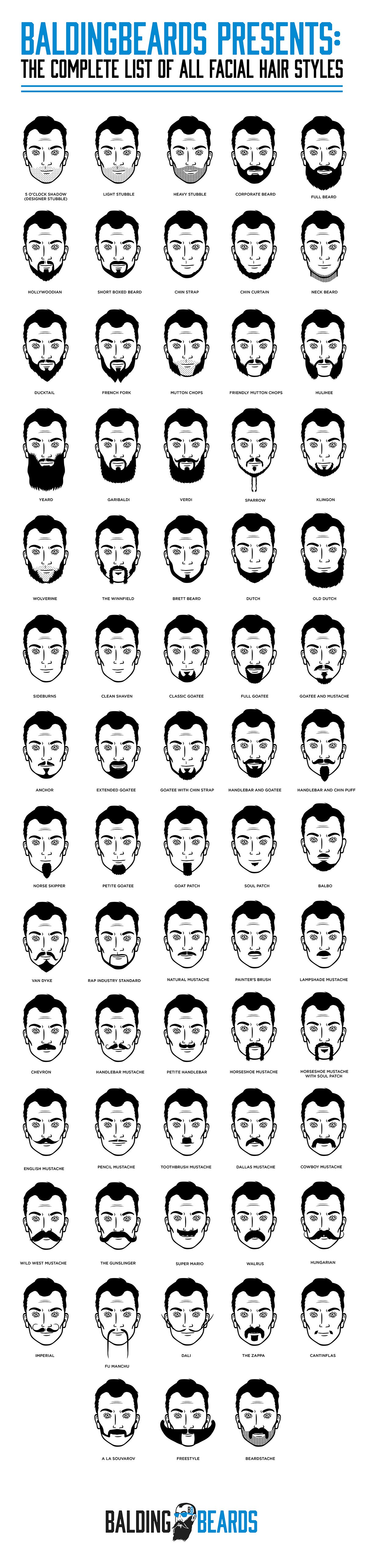
To understand what constitutes poor facial hair styling, it helps to examine specific configurations that consistently fail to flatter most face shapes. These styles usually suffer from poor placement, excessive maintenance demands that lead to neglect, or outdated trends that no longer align with contemporary grooming standards.
The Over-Sculpted Stubble and Pencil Lines
Extremely thin, razor-sharp pencil lines tracing the jawline or floating high on the cheeks represent a classic grooming pitfall. While precision is valuable, hyper-sculpted lines often look unnatural and labor-intensive. They require daily maintenance to prevent stubble from breaking the boundary, and they rarely match the natural contours of human facial structure. When these lines are paired with patchy growth, they draw direct attention to sparse areas rather than masking them.
The Neckbeard Phenomenon
A neckbeard occurs when facial hair is allowed to grow unchecked below the jawline while the cheeks and upper lip are kept clean-shaven or heavily trimmed. This creates an inverted visual weight that obscures the natural separation between the jaw and the neck. Without a defined neckline, the face appears softer and less structured. Maintaining a clean neckline—typically two fingers above the Adam's apple—is essential to avoid this look.
Disconnected or Floating Mustaches
Mustaches that float entirely on the upper lip without any supporting structure can occasionally work for specific aesthetic subcultures, but when isolated and untrimmed, they often look unbalanced. A mustache that extends far past the corners of the mouth without proper wax or shaping can droop into the mouth, creating functional inconveniences alongside aesthetic issues.
Comparative Analysis of Facial Hair Styles
Evaluating different approaches to facial hair maintenance and styling clarifies why certain choices succeed while others fail. The table below outlines several common styling approaches, their structural requirements, and their typical visual outcomes.
| Style Category | Structural Requirement | Maintenance Level | Common Pitfall |
|---|---|---|---|
| Pencil-Thin Chin Strap | High symmetry, dense linear growth | Daily upkeep | Highlights patchiness and lacks natural flow |
| Unmanaged Neckbeard | Minimal cheek growth requirement | Low (leading to neglect) | Obscures jawline and creates undefined bulk |
| Overgrown Goatee | Moderate chin and mustache density | Moderate to high | Can droop and trap moisture if unwashed |
| Full Natural Beard | High overall density and even coverage | Moderate (trimming and conditioning) | Can look unkempt if neckline and cheek lines are ignored |
The Role of Genetics and Growth Phases in Grooming Failures
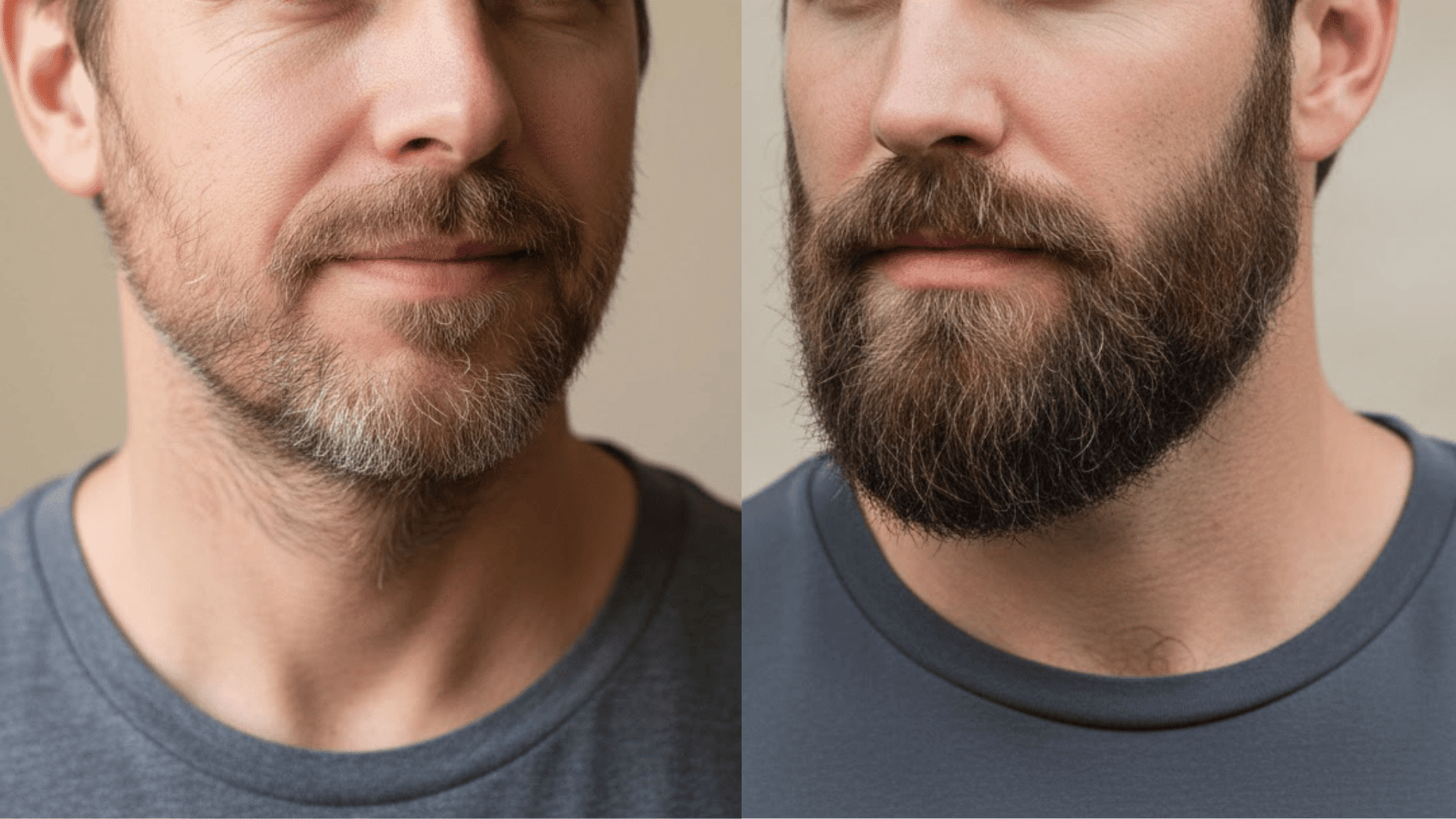
Many grooming errors occur during transitional growth phases. When men decide to grow out their facial hair, they frequently encounter patchy spots, awkward length transitions, and intense itching. These hurdles often lead to reactionary shaving or erratic trimming that ruins the final shape.
Managing the Awkward Phase
During the first two to four weeks of beard growth, hair strands grow at slightly different rates, creating a messy, unkempt appearance. This phase tempts many individuals to over-trim their cheek lines or carve out a neckline that is far too high. Patience is a technical requirement; letting the hair reach a uniform length before establishing hard boundaries prevents asymmetrical mistakes.
Addressing Patchiness
Patchy growth is a biological reality for many individuals due to follicle distribution and dihydrotestosterone (DHT) sensitivity in specific facial regions. Trying to camouflage sparse cheek patches with elaborate comb-overs or aggressive styling products usually draws more attention to the underlying issue. Instead, opting for shorter styles like a structured stubble or focusing growth where density is naturally concentrated yields a cleaner finish.
Technical Maintenance and Hygiene Pitfalls
Even structurally sound facial hair can fall into the "worst" category if hygiene and maintenance are neglected. Facial hair traps sebum, dead skin cells, environmental particulate matter, and food particles. Without proper care, this leads to structural deterioration of the hair and underlying skin health issues.
- Lack of Cleansing: Using harsh body soaps strips natural oils from facial hair, making it brittle and wiry. Specialized beard washes or gentle cleansers maintain moisture balance.
- Ignoring Hydration: Skipping beard oils or balms leads to "beardruff" (dandruff of the beard) and skin irritation beneath heavy growth.
- Improper Tool Selection: Using dull razors or kitchen scissors for trimming creates split ends and uneven lines, ruining the geometry of the style.
Maintaining a strict routine involving proper washing, regular brushing to train hair direction, and precise trimming with sharp, clean instruments prevents most maintenance-related grooming failures.
Frequently Asked Questions
Why does my facial hair look patchy when I try to grow a full beard?
Patchiness is primarily determined by genetics and follicle distribution across different facial zones. If certain areas lack dense receptors or blood flow, hair will grow slower or thinner there. Forcing a full beard in the presence of severe patchiness often fails; opting for shorter, structured styles or concentrating growth on the chin and upper lip usually produces better results.
How can I fix a neckbeard before it looks unkempt?
Fixing a neckbeard requires establishing a proper neckline. Place two fingers horizontally directly above your Adam's apple; the imaginary line running across the top of your fingers marks where your neckline should sit. Shave everything below this line while letting the hair above it transition upward toward your jaw.
Are mustache waxes necessary for maintaining facial hair?
Mustache waxes are not mandatory for all styles, but they are essential for longer mustaches, handlebars, or styles that risk drooping into the mouth. Wax provides the structural hold necessary to keep stray hairs out of the way and maintains the intended shape throughout the day.
What causes beardruff, and how do I prevent it?
Beardruff is caused by dry skin underneath the facial hair, often exacerbated by washing with stripping soaps or failing to moisturize. Prevent it by using a hydrating beard oil or balm daily, massaging it down to the skin beneath the hair follicles to restore natural moisture barriers.
Conclusion and Next Actions
Avoiding poor facial hair outcomes requires an honest assessment of your natural growth patterns, face shape, and maintenance capacity. Begin by identifying your face's structural geometry—whether oval, square, round, or rectangular—and select styles that balance your proportions rather than exaggerating flaws. Commit to a consistent grooming routine that prioritizes clean lines, proper neckline placement, and daily hygiene to ensure your facial hair remains polished and intentional.
Image Gallery