Why You Should Act Fast on Mold Remediation in Smyrna
Acting fast on mold remediation in Smyrna is critical because mold begins to colonize and spread within 24 to 48 hours of water exposure. Immediate intervention prevents permanent structural damage to your property, mitigates severe re...
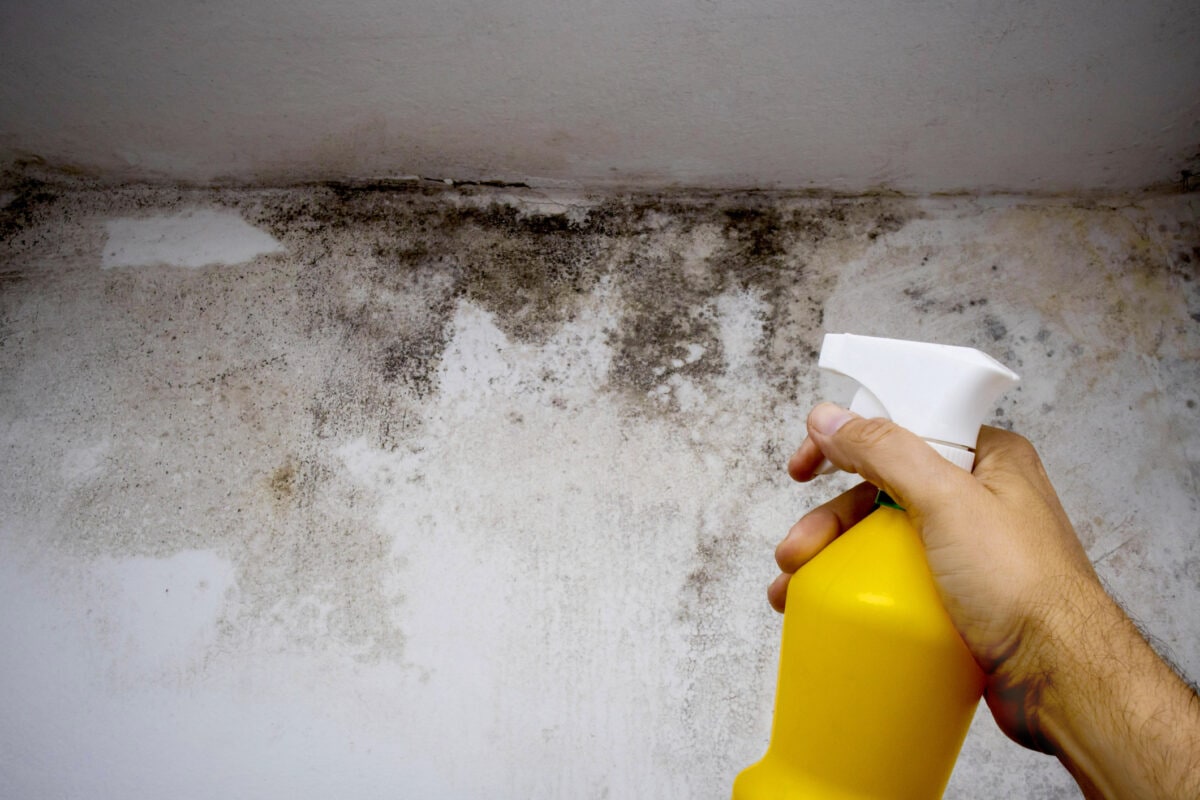
Acting fast on mold remediation in Smyrna is critical because mold begins to colonize and spread within 24 to 48 hours of water exposure. Immediate intervention prevents permanent structural damage to your property, mitigates severe respiratory health risks for occupants, and significantly reduces the total cost of professional restoration services.
Contents
The Science of Speed: Why the First 48 Hours Matter
In the humid climate of Smyrna, Georgia, mold is not merely an aesthetic nuisance; it is a biological hazard that thrives on the region’s high ambient moisture. Mold spores are omnipresent in the environment, both indoors and outdoors. However, they remain dormant until they encounter a moisture source—be it a leaking pipe, roof failure, or high indoor humidity levels.
Once spores land on a damp organic surface, such as drywall (which contains cellulose), wooden studs, or carpeting, they germinate. Within 24 to 48 hours, these spores form colonies that begin to consume the substrate they inhabit. If remediation is delayed beyond this window, the mold enters a "growth phase" where it releases millions of new spores into the HVAC system and air columns, potentially contaminating the entire structure. By 2026 standards, environmental health experts emphasize that "source control" is the only effective way to prevent a localized leak from becoming a building-wide crisis.
Health Implications of Delayed Remediation
The primary driver for rapid mold remediation in Smyrna is the protection of human health. When mold is left to flourish, it releases volatile organic compounds (VOCs) and, in some species, mycotoxins. These substances can lead to a variety of health issues, particularly for sensitive populations such as children, the elderly, and those with pre-existing respiratory conditions like asthma or COPD.
Respiratory Distress and Allergic Reactions
Prolonged exposure to mold spores can trigger "Sick Building Syndrome," where occupants experience headaches, fatigue, and sinus congestion that clears up when they leave the premises. Common symptoms include:
- Persistent coughing and wheezing.
- Nasopharyngeal irritation and chronic sneezing.
- Skin rashes or dermatitis upon contact with contaminated surfaces.
- Hypersensitivity pneumonitis in extreme cases of long-term exposure.
The Threat of Mycotoxins
Certain molds found in Georgia, such as Stachybotrys chartarum (often called toxic black mold), produce mycotoxins that can be absorbed through the skin or inhaled. In 2026, medical research continues to highlight the link between indoor fungal exposure and chronic inflammatory response syndrome (CIRS). Acting fast ensures that these toxins do not reach concentrations high enough to cause neurological symptoms or severe immune system suppression.
Protecting the Structural Integrity of Smyrna Properties
Mold is a saprophytic organism, meaning it feeds on dead organic matter. In a modern home or commercial building in Smyrna, the primary food sources for mold are the very components that hold the building together.
Degradation of Cellulose-Based Materials
Drywall is a favorite "meal" for mold because of its paper backing. Once mold penetrates the gypsum core, the material loses its structural rigidity and must be removed. Similarly, wooden floor joists and wall studs can suffer from "dry rot" over time if mold and moisture are allowed to persist. If you act within the first few days, a professional can often save the materials through advanced drying and antimicrobial treatments. If you wait weeks, the only solution is often the complete demolition and replacement of the affected structural elements.
HVAC Contamination
One of the most significant risks of delay is the infiltration of mold into the property's HVAC (Heating, Ventilation, and Air Conditioning) system. Smyrna’s summers require constant air conditioning, which creates condensation within ducts. If mold spores enter the ductwork, the system effectively becomes a distribution hub, blowing spores into every room of the house. Remediating a localized wall leak is affordable; remediating a contaminated HVAC system is an invasive and expensive undertaking.
Financial Consequences of Procrastination
From a purely economic perspective, the cost of mold remediation follows an exponential curve. What starts as a minor $500–$1,000 moisture correction can quickly escalate into a $10,000+ full-scale remediation project if the mold is allowed to spread behind cabinets, under floorboards, and into crawlspaces.
| Factor | Immediate Action (1-3 Days) | Delayed Action (2+ Weeks) |
|---|---|---|
| Scope of Work | Localized drying and cleaning. | Full containment and material removal. |
| Material Salvage | High (Drywall/Wood often saved). | Low (Most porous materials replaced). |
| Health Risks | Minimal to none. | High risk of respiratory issues. |
| HVAC Impact | Usually none. | High probability of duct contamination. |
| Insurance Coverage | Highly likely (sudden leak). | Possible denial (negligence/maintenance). |
| Average Cost | Low to Moderate. | High to Extreme. |
The Smyrna Climate Factor: A Catalyst for Growth
Smyrna’s geographical location in the American Southeast presents unique challenges for mold management. The city experiences high humidity levels throughout much of the year, particularly during the transition from spring to summer.
In 2026, climate patterns in Georgia continue to show increased rainfall intensity. When heavy rains occur, older homes in Smyrna neighborhoods may suffer from "hydrostatic pressure," where water is pushed through basement walls or crawlspace vents. Because the air is already saturated with moisture, wet materials inside a home cannot dry naturally. This creates a "greenhouse effect" for mold. Rapid remediation in Smyrna often involves high-capacity industrial dehumidification to drop the relative humidity below 50%—the threshold at which mold growth ceases.
Professional Standards and the Remediation Process
When you act fast and call a professional in Smyrna, they follow a rigorous protocol governed by the IICRC S520 Standard for Professional Mold Remediation. Understanding this process helps property owners appreciate why "DIY" bleaching is rarely effective.
- Assessment and Moisture Mapping: Professionals use infrared cameras and moisture meters to find hidden water behind walls without tearing them down.
- Containment: Using heavy-duty plastic sheeting and "negative air pressure" machines, technicians ensure that spores disturbed during cleaning do not drift into unaffected parts of the home.
- Air Filtration: High-Efficiency Particulate Air (HEPA) scrubbers are used to clean the air, removing spores as small as 0.3 microns.
- Physical Removal: Mold is physically removed from non-porous surfaces. For porous materials like insulation or ceiling tiles, removal is the only safe option.
- Antimicrobial Application: Professional-grade, EPA-registered solutions are applied to prevent future spores from germinating on the treated surfaces.
- Post-Remediation Verification (PRV): A third party often tests the air to ensure spore counts are back to "normal fungal ecology" before the containment is removed.
Insurance Considerations in 2026
Property owners in Smyrna must be aware of how insurance companies view mold. Most standard homeowners' insurance policies cover mold only if it is the direct result of a "covered peril," such as a burst pipe or a fallen tree hitting the roof.
However, almost all policies have a "duty to mitigate" clause. This means the policyholder is legally obligated to take reasonable steps to prevent further damage once a problem is discovered. If a resident in Smyrna notices a leak but waits two weeks to call a remediation specialist, the insurance company may deny the claim, citing "negligent maintenance." By acting immediately, you provide the documentation necessary to prove that the damage was sudden and that you took every possible step to minimize the loss.
Common Mistakes to Avoid
When homeowners try to handle mold themselves to "save time," they often inadvertently make the problem worse.
- Using Bleach on Porous Surfaces: Bleach is mostly water. On drywall or wood, the chlorine stays on the surface while the water soaks in, essentially "watering" the mold roots (hyphae) and encouraging deeper growth.
- Failing to Fix the Source: Cleaning mold without fixing the leak is a temporary fix. The mold will return within days.
- Opening Windows: While it seems like a good idea to "air out" the room, in Smyrna's humid air, opening windows can actually introduce more moisture and help spores travel to other rooms.
FAQs
How do I know if I need professional mold remediation or if I can clean it myself? The Environmental Protection Agency (EPA) generally suggests that if the moldy area is less than 10 square feet (roughly a 3x3 patch), you may be able to handle it yourself following strict safety guidelines. However, if the mold is caused by sewage or "black water," or if it covers more than 10 square feet, professional remediation is required to ensure safety and prevent cross-contamination.
How long does the mold remediation process typically take in Smyrna? For a standard residential project, the process usually takes between 3 to 7 days. This includes the time needed for initial setup, physical cleaning, and the essential "dry out" period where industrial dehumidifiers run 24/7 to ensure the moisture levels in the building materials are low enough to prevent regrowth.
Will the mold come back after professional remediation? Professional remediation addresses the existing mold and the current moisture problem. If the remediation is done correctly and the source of the water (leak, high humidity, etc.) is permanently fixed, the mold will not return. However, if a new leak occurs or humidity is not controlled (keeping it below 50%), new mold spores can land and grow at any time.
Is it safe to stay in my home during the remediation process? This depends on the extent of the mold and the location of the containment. If the mold is confined to a crawlspace or a single bathroom that can be completely sealed off with negative air pressure, you may be able to stay. However, if the HVAC system is contaminated or if the mold is in multiple "common areas," professionals often recommend vacating the premises for a few days to avoid exposure to disturbed spores.
Does mold remediation also include repairing the drywall and paint? Typically, "remediation" refers to the removal and cleaning of the mold. Many remediation companies in Smyrna also offer "reconstruction" services, but these are often separate line items in a contract. It is important to clarify with your provider whether they will be handling the "put-back" (installing new drywall and painting) or if you will need to hire a separate contractor for those repairs.
Final Recommendation for Smyrna Residents
If you suspect mold or have experienced a recent water intrusion in your Smyrna home or business, do not wait. The combination of Georgia’s humidity and the rapid lifecycle of fungal spores makes delay your greatest enemy. Contact a certified mold remediation specialist immediately to perform a moisture assessment. Early detection and intervention are the only ways to ensure your property remains structurally sound and your indoor air quality remains safe for your family or employees.
Image Gallery