How Much Does an Electric Vehicle Conversion Cost in 2026?
In 2026, the cost of converting an internal combustion engine (ICE) vehicle to electric typically ranges between $8,000 and $30,000. While a basic DIY project using salvaged components can be completed for under $10,000, professional h...
In 2026, the cost of converting an internal combustion engine (ICE) vehicle to electric typically ranges between $8,000 and $30,000. While a basic DIY project using salvaged components can be completed for under $10,000, professional high-performance "restomod" conversions often exceed $50,000 depending on the desired range, power, and donor vehicle complexity.
Contents
Electric vehicle (EV) conversion is no longer just a hobbyist’s experiment; it has evolved into a sophisticated industry. As major manufacturers shift entirely to electric platforms, many enthusiasts and environmentalists are choosing to "upcycle" classic or beloved gasoline vehicles rather than purchasing new models. However, the financial commitment involves more than just buying a motor and batteries. Understanding the granular breakdown of components, labor, and hidden engineering costs is essential for any successful project.
The Primary Cost Drivers of EV Conversions
The total expenditure for an EV conversion is dictated by three primary factors: the performance goals, the donor vehicle's weight, and whether the work is performed by a professional shop or as a DIY project.
Range Requirements and Battery Density
The battery pack is the single most expensive component of any conversion. In 2026, Lithium Iron Phosphate (LFP) cells have become the standard for budget and mid-range conversions due to their safety and longevity, while Nickel Manganese Cobalt (NMC) or salvaged high-nickel cells from modern EVs are used for high-density, long-range builds.
To achieve a modest range of 100 miles, most vehicles require at least 30–35 kWh of usable energy. At a market rate of approximately $150–$200 per kWh for high-quality, boxed battery modules (including casing and interconnects), a 100-mile pack will cost between $4,500 and $7,000. If you aim for a 200-mile range, the battery cost effectively doubles and may require significant structural modifications to the vehicle to handle the extra weight.
Performance and Motor Selection
The motor and its associated controller (the "brain" that manages power delivery) represent the second largest investment.
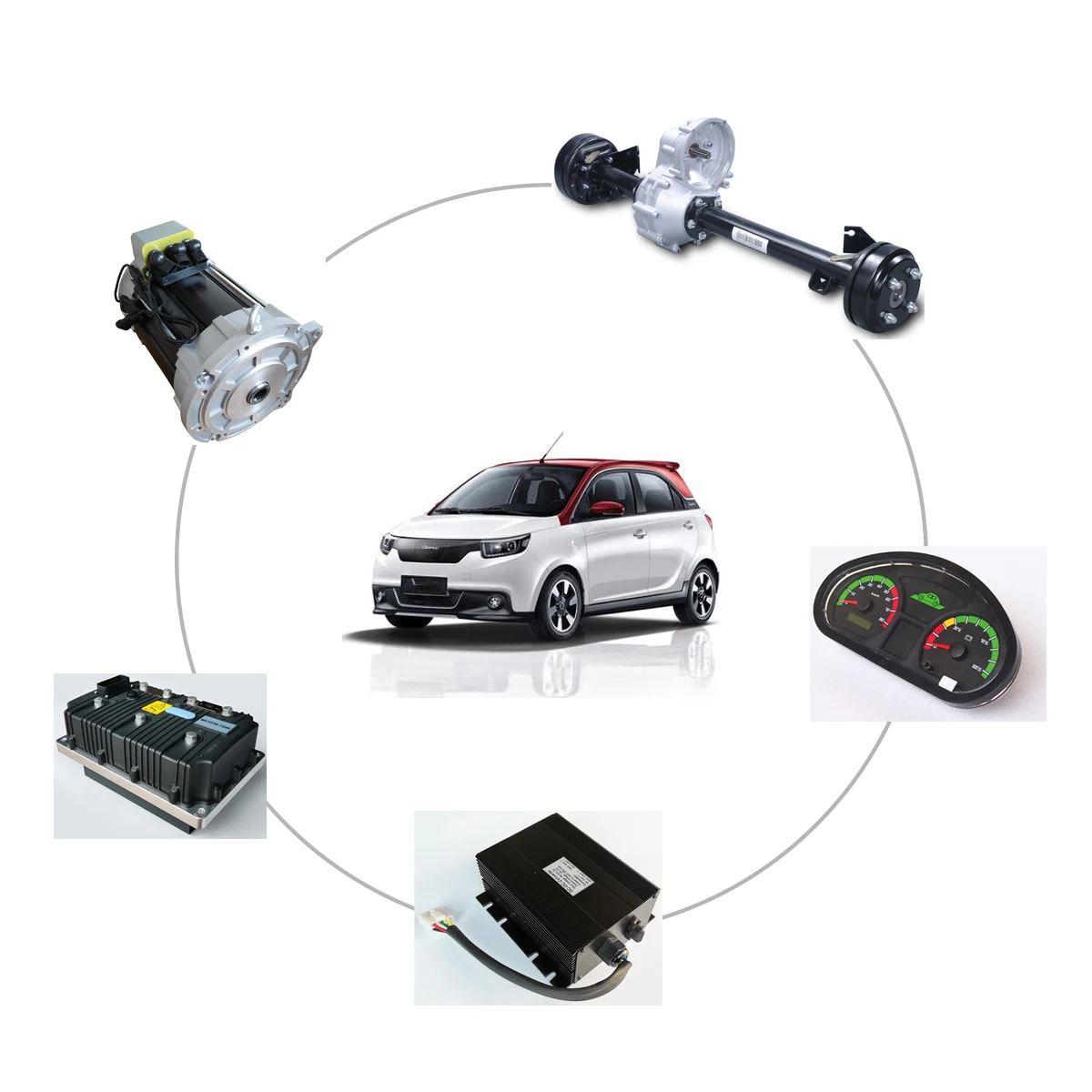
- NetGain Hyper9 or similar AC systems: These are industry standards for small to mid-sized cars, costing roughly $4,500 to $6,000 for the motor and controller kit.
- Salvaged Tesla Drive Units: High-performance builders often use salvaged drive units (Large Rear Drive Units), which can be sourced for $5,000 to $8,000. These provide massive power but require expensive third-party logic boards to operate outside of the original Tesla ecosystem.
Professional Labor vs. DIY
Professional conversion shops charge for their expertise in high-voltage safety, fabrication, and software tuning. A full professional conversion typically requires 150 to 300 hours of labor. At 2026 shop rates of $120–$180 per hour, labor alone can add $18,000 to $40,000 to the build. Conversely, a DIY builder saves this cost but must invest hundreds of hours in learning and execution.
Detailed Component Cost Breakdown
To plan a budget accurately, it is helpful to view the conversion as a collection of subsystems. The following table provides a realistic cost estimate for a mid-range conversion (approx. 120-mile range, 150hp) in 2026.
| Component / Service | DIY Estimated Cost | Professional Shop Cost |
|---|---|---|
| Battery Pack (35-40 kWh) | $6,000 - $8,000 | $9,000 - $12,000 (with warranty) |
| Motor & Controller Kit | $4,500 - $6,000 | $5,500 - $7,500 |
| Battery Management System (BMS) | $600 - $1,200 | $1,500 - $2,500 (integrated) |
| Onboard Charger & DC/DC Converter | $1,200 - $2,000 | $2,500 - $3,500 |
| Adapter Plate & Coupler | $800 - $1,500 | $1,200 - $2,500 |
| Wiring, Fuses, & Contactors | $500 - $1,000 | $1,000 - $2,000 |
| Fabrication & Mounts | $300 (Raw materials) | $3,000 - $7,000 |
| Labor (Professional Installation) | $0 (Self-work) | $15,000 - $35,000 |
| Total Project Cost | $13,900 - $20,000 | $38,700 - $72,000+ |
Critical Subsystems and Hidden Costs
Beyond the "big three" (motor, battery, controller), several secondary systems are necessary to make the vehicle roadworthy and comfortable.
The Battery Management System (BMS)
A BMS is non-negotiable for safety. It monitors the voltage and temperature of every individual cell in the pack, preventing overcharging or deep discharge, which can lead to fires. A high-quality BMS for a 100V+ system will cost between $600 and $1,500. This system also ensures "cell balancing," which maximizes the lifespan of your expensive battery investment.
Charging Infrastructure (Level 2 and CCS)
Most conversions include a J1772 "Level 2" port for home and public AC charging. However, in 2026, the demand for DC Fast Charging (CCS or NACS) in conversions has increased. Adding fast-charging capability requires a specialized contactor arrangement and a BMS capable of communicating with high-speed chargers, adding roughly $2,500 to $4,000 to the total cost.
Support Systems: Steering, Braking, and HVAC
An ICE engine provides vacuum for power brakes and runs a pump for power steering. When the engine is removed, you must replace these with electric versions:
- Electric Vacuum Pump (for brakes): $300 - $500.
- Electric Power Steering Pump (or EHPS): $400 - $800.
- Electric Heater (PTC): $500 - $900. Unlike ICE cars, EVs don't have "waste heat" to warm the cabin; a high-voltage heater is required.
- Electric A/C Compressor: $1,000 - $1,500.
Selecting the Right Donor Vehicle
The donor vehicle's architecture significantly impacts the final bill. The ideal candidate is a lightweight vehicle with a manual transmission and ample space for battery boxes.
- Weight Matters: Heavier vehicles like full-sized trucks or SUVs require larger, more expensive motors and massive battery packs to achieve the same range as a small hatchback.
- Transmission Integration: Most conversions retain the original manual transmission to simplify the build. This requires a custom adapter plate to mate the electric motor to the gearbox. If you choose a "direct drive" setup (common in high-end builds), you will need a custom driveshaft and potentially a different differential ratio, increasing the cost of fabrication.
- Mechanical Condition: Do not convert a "basket case." If the suspension, brakes, and tires are shot, you will spend thousands of dollars on basic repairs before even touching the electric drivetrain. The Department of Energy suggests that a donor vehicle should be in excellent mechanical and structural shape to justify the conversion cost.
Legal, Insurance, and Certification Costs
In 2026, the regulatory landscape for EV conversions has become more defined. While there is no federal "EV conversion tax," certain states have specific inspection requirements.
- Insurance: Standard insurance companies often struggle to value a converted vehicle. You may need Agreed Value Insurance (similar to classic car insurance), which can have higher premiums or specific usage restrictions.
- Certification: If you plan to use a salvaged pack from a crashed vehicle, some jurisdictions require a battery health certification to ensure the cells aren't internally damaged, costing $200–$500 for a professional scan and report.
- Registration Updates: You must update the vehicle's title from "Gas" to "Electric" at the DMV. While the fee is usually nominal, it may trigger a weight-based registration tax in some states, as EVs are generally heavier than their ICE counterparts.
Is an EV Conversion Worth the Cost?
From a purely financial standpoint, converting a car is rarely cheaper than buying a used factory EV, such as a used Tesla Model 3 or a Nissan Leaf. The primary value of a conversion lies in heritage preservation and customization.
Conversion makes the most sense for:
- Classic Cars: Where the goal is to improve reliability and performance while retaining the vintage aesthetic.
- Specialty Work Vehicles: Such as small delivery vans or farm equipment where a specific chassis is required but a quiet, low-maintenance drivetrain is preferred.
- Education and Engineering Enthusiasts: Who value the process of building a custom machine.
FAQ
Can I convert an automatic transmission car to electric? Yes, but it is significantly more complex and expensive. Automatic transmissions require the engine (or an electric motor) to be spinning to maintain hydraulic pressure. This often requires an auxiliary electric pump to keep the transmission primed, or the use of a more expensive "direct drive" motor that bypasses the transmission entirely.
How long does a converted EV battery last? With a modern BMS and high-quality LFP or NMC cells, a battery pack should last between 1,500 and 3,000 charge cycles. For the average driver, this translates to 10 to 20 years of service life before the capacity drops below 80% of its original rating.
Is it safe to do a DIY conversion? Only if you have a strong understanding of high-voltage DC systems. Conversions typically operate at 96V to 400V DC, which is lethal if mishandled. Proper use of orange high-voltage cabling, manual service disconnects (MSD), and proper fusing is mandatory for safety.
Do I get a tax credit for converting my car? As of 2026, federal tax credits (like those under the Inflation Reduction Act) primarily target the purchase of new or used factory-built EVs. Most conversion kits and DIY labor do not qualify for federal credits, though some state-level rebates for "repowering" commercial vehicles may exist.
What is the "Adapter Plate" and why is it expensive? The adapter plate is a precision-machined piece of aluminum that aligns the electric motor's shaft perfectly with the transmission's input shaft. Even a millimeter of misalignment can cause catastrophic bearing failure. Because these are often custom-made for specific motor/vehicle combinations, they are a significant "hidden" cost.
Final Recommendation
If you are considering an EV conversion in 2026, begin by defining your minimum viable range. Overestimating your range needs is the fastest way to blow your budget. For a first-time DIYer, purchasing a pre-engineered conversion kit from a reputable supplier is highly recommended. These kits include matched components and mounting hardware, which reduces the risk of expensive trial-and-error fabrication. Always prioritize the Battery Management System and high-voltage safety equipment over performance upgrades.
Image Gallery