CEO of Berkshire Hathaway Leadership Change and Ongoing Debate
In 2026, the leadership of Berkshire Hathaway has transitioned into a new era defined by the stewardship of Greg Abel. While the foundational principles established by Warren Buffett remain the company’s "North Star," the shift from a...
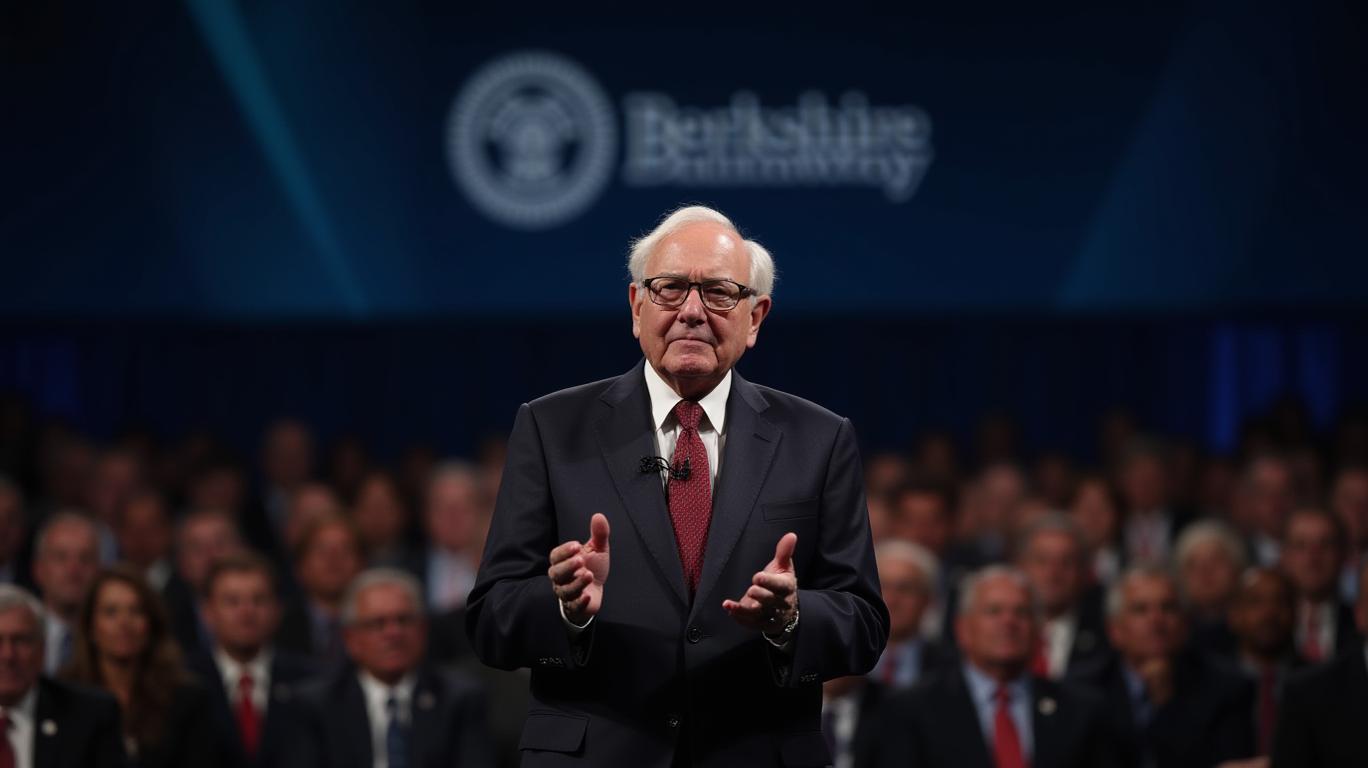
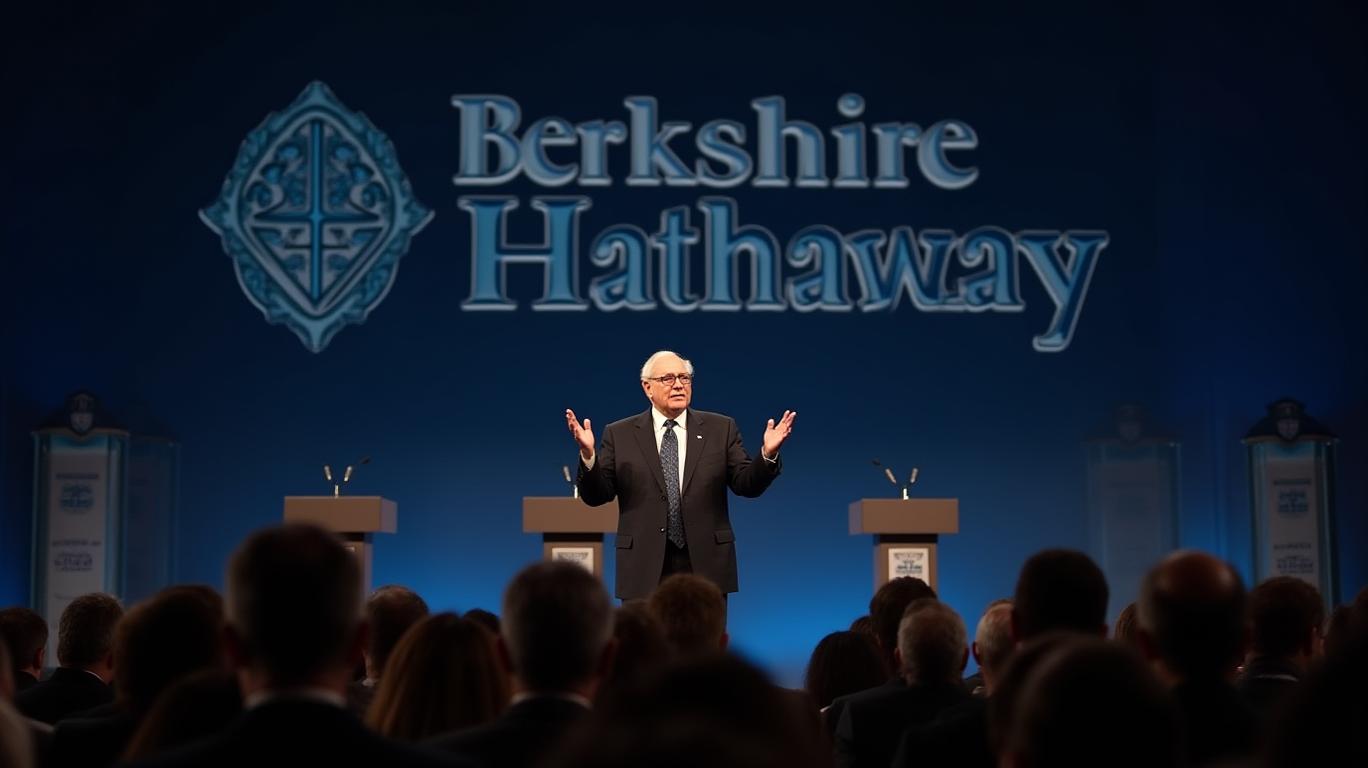
In 2026, the leadership of Berkshire Hathaway has transitioned into a new era defined by the stewardship of Greg Abel. While the foundational principles established by Warren Buffett remain the company’s "North Star," the shift from a founder-led conglomerate to a professionally managed multi-industry giant continues to spark intense debate regarding capital allocation, corporate culture, and the "Buffett Premium."
Contents
The Strategic Transition to Greg Abel
The appointment of Greg Abel as CEO marks the most significant leadership change in the history of Berkshire Hathaway. For decades, the primary question looming over the Omaha-based conglomerate was how it would function without the singular vision of Warren Buffett. As of 2026, that question is no longer theoretical. Abel, who previously oversaw the company’s vast non-insurance operations, has stepped into the role with a focus on operational efficiency and the preservation of Berkshire’s unique decentralized model.
Abel’s ascent was not a sudden pivot but a meticulously choreographed multi-year handoff. Following the official designation of his succession status in 2021, Abel spent years integrating himself into the diverse array of subsidiaries, from BNSF Railway to Berkshire Hathaway Energy. His management style is often characterized as more "hands-on" regarding operational metrics than Buffett’s famously hands-off approach, though he maintains the core philosophy of letting talented subsidiary managers run their own businesses.
The debate in 2026 centers on whether Abel can replicate Buffett’s "elephant hunting"—the ability to negotiate massive, idiosyncratic deals that utilize Berkshire’s immense cash piles. While Abel is a proven operational expert, the market continues to evaluate his prowess as a capital allocator on a global scale.
The Triad of Power: Abel, Jain, and the Investment Managers
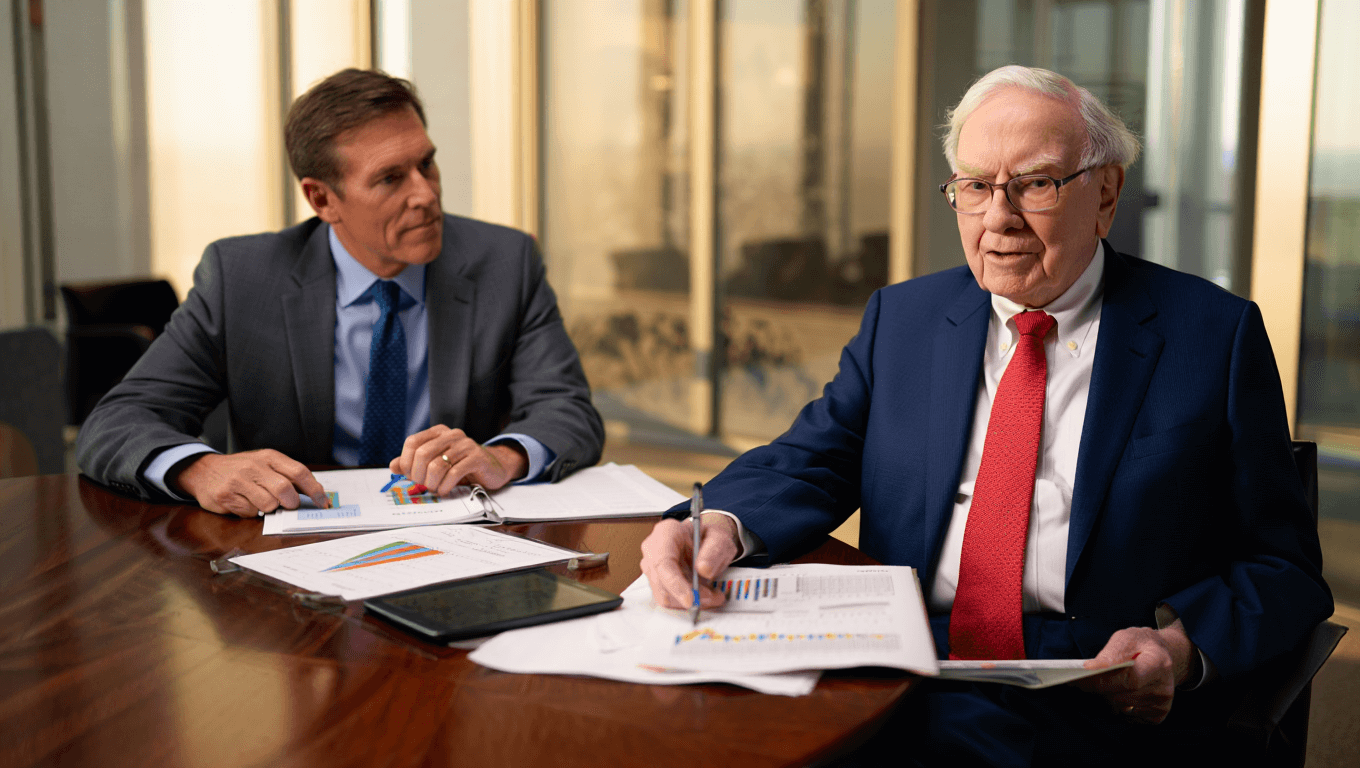
The leadership change at Berkshire Hathaway is not a solo act. The current organizational structure relies on a triad of expertise designed to replace the multifaceted genius of the Buffett-Munger era. This division of labor is intended to institutionalize the qualities that were previously embodied by individuals.
Operational Oversight under Greg Abel
Abel retains direct oversight of the non-insurance businesses. This includes heavy industries, retail, and utility sectors. His challenge in 2026 involves navigating the energy transition—ensuring that Berkshire Hathaway Energy remains a leader in renewables while maintaining the profitability of its traditional utility assets. The ongoing debate here is whether Abel will eventually look to streamline the portfolio, which currently consists of over 60 distinct companies.
The Insurance Engine: Ajit Jain
Ajit Jain remains the titan of the insurance world, managing the "float" that powers Berkshire's investment capabilities. Jain’s role is arguably the most critical for the company’s long-term solvency and growth. His ability to price catastrophic risk accurately has been the bedrock of Berkshire’s success. In 2026, observers are closely watching for how Jain interacts with the new CEO, as their partnership is the linchpin of the company’s financial stability.
The Investment Portfolio: Combs and Weschler
While the CEO manages the businesses, Todd Combs and Ted Weschler manage a significant portion of the equity portfolio. The transition has empowered these two managers to take on larger roles. The debate surrounding their performance often focuses on whether they can outperform the S&P 500 without the "Oracle of Omaha’s" specific brand of value investing, especially as the portfolio leans more heavily into technology and high-growth sectors than it did in the 20th century.
Analyzing the Leadership Eras: Buffett vs. Abel
To understand the ongoing debate, it is essential to compare the operational philosophies of the two eras. While the core values remain identical—integrity, long-term thinking, and capital preservation—the execution is evolving.
| Feature | The Buffett Era | The Abel Era (Current 2026) |
|---|---|---|
| Management Style | Extreme decentralization; personality-driven trust. | Institutionalized decentralization; data-driven oversight. |
| Deal Making | Opportunistic, often based on personal phone calls. | Systematic, focused on bolt-on acquisitions and infrastructure. |
| Public Profile | Global celebrity; "The Oracle of Omaha." | Low-profile, operational, and results-oriented. |
| Capital Allocation | Heavy focus on public equities and total buyouts. | Balanced focus on infrastructure reinvestment and buybacks. |
| Succession Logic | Longevity and visionary consistency. | Stability, operational excellence, and continuity. |
The Ongoing Debate: Culture vs. Complexity
The most persistent debate among shareholders and Wall Street analysts in 2026 is whether the "Berkshire Culture" can survive the transition from a cult of personality to a corporate institution. Warren Buffett’s presence acted as a shield against activist investors and short-term market pressures.
The Threat of Activism
Without Buffett’s massive voting power and legendary status, there is a recurring discussion about whether Berkshire Hathaway should be broken up. Critics argue that the conglomerate discount—where the market values the whole less than the sum of its parts—is more pronounced under Abel. Activists frequently suggest that spinning off the energy or insurance divisions could unlock immediate value. However, the leadership team maintains that the synergy of the "float" and the tax advantages of a consolidated entity provide a permanent competitive edge.
The Dividend Dilemma
For decades, Buffett famously resisted paying a dividend, preferring to reinvest capital or buy back shares. In 2026, the debate over a dividend has intensified. With a cash hoard that frequently exceeds $150 billion, some institutional investors argue that Abel should initiate a regular dividend to attract a broader base of income-oriented shareholders. The leadership’s resistance to this change is seen by some as a commitment to the Buffett legacy, while others view it as an inefficiency in a post-Buffett world.
Maintaining the "Berkshire Way" in a Modern Market
As Greg Abel navigates the complexities of 2026, his primary task is proving that Berkshire’s competitive advantages are structural, not just personal. The "moats" around businesses like GEICO and the Dairy Queen franchise must be defended through technological adaptation, not just brand loyalty.
- Technological Modernization: Abel has been more aggressive than his predecessor in pushing subsidiaries to adopt AI and advanced data analytics. This is seen as a necessary evolution to keep the "old economy" businesses relevant.
- ESG and Transparency: Under Abel’s leadership, Berkshire has moved toward greater transparency in its ESG (Environmental, Social, and Governance) reporting. While Buffett often pushed back against standardized ESG disclosures, Abel recognizes the requirements of the 2026 regulatory environment.
- Capital Reinvestment: A core pillar of the current strategy is the massive reinvestment into BNSF and Berkshire Hathaway Energy. By funneling profits back into regulated utilities and infrastructure, Abel is building a "fortress" balance sheet that provides steady, predictable returns regardless of stock market volatility.
Common Misconceptions Regarding the Successor
A frequent point of confusion in the leadership debate is the assumption that Greg Abel is a "placeholder" for a younger candidate. This is factually incorrect. Abel’s deep institutional knowledge and his years of working directly under Buffett and Munger have positioned him as the definitive architect of Berkshire’s second century.
Another misconception is that the investment strategy will remain stagnant. While value remains the core, the inclusion of more technology-heavy positions indicates that the "new" Berkshire is more comfortable with intangible assets than the "old" Berkshire. This shift is not a rejection of Buffett’s principles but an application of them to the current economic reality of 2026.
FAQs About Berkshire Hathaway Leadership
Who is currently the CEO of Berkshire Hathaway?
As of 2026, Greg Abel is the CEO of Berkshire Hathaway. He was the long-standing head of Berkshire Hathaway Energy and was officially designated as the successor to Warren Buffett several years prior to taking the helm.
Will Berkshire Hathaway pay a dividend under Greg Abel?
The debate is ongoing, but as of 2026, Berkshire Hathaway has not shifted to a regular dividend policy. The company continues to prioritize share buybacks and internal reinvestment as the primary methods of returning value to shareholders, consistent with the philosophy established by Warren Buffett.
How has the stock performed since the leadership change?
Historically, Berkshire Hathaway stock often traded at a "Buffett Premium." Since the transition to Greg Abel, the stock has remained a market leader, though its valuation is now more closely tied to the tangible book value and the earnings of its subsidiaries rather than the perceived genius of a single leader.
What is Ajit Jain's role in the new leadership structure?
Ajit Jain continues to lead all insurance operations. He operates with significant autonomy, reporting directly to the CEO. His role is vital for managing the insurance float, which provides the capital necessary for Berkshire's large-scale investments and acquisitions.
Is Berkshire Hathaway still buying "Moat" businesses?
Yes. Greg Abel has maintained the strategy of acquiring businesses with strong competitive advantages, although the focus in 2026 has shifted slightly toward "bolt-on" acquisitions—buying companies that complement existing subsidiaries—rather than purely standalone new entities.
Practical Recommendations for Investors
For those monitoring the leadership change at Berkshire Hathaway in 2026, the following actions are recommended:
- Monitor Capital Allocation Reports: Pay close attention to the quarterly letters to shareholders. Under Abel, these letters provide more granular detail on capital expenditures in the energy and rail sectors than in previous decades.
- Evaluate the Conglomerate Discount: Analyze the sum-of-the-parts valuation of Berkshire’s subsidiaries. If the stock trades significantly below this value, it may indicate market skepticism about the new leadership that is not supported by the underlying earnings power.
- Focus on the Float: The health of the insurance operations remains the most important metric. Any significant changes in the combined ratio of GEICO or Berkshire Hathaway Reinsurance should be viewed as a primary indicator of the company’s long-term health.
- Ignore the "Oracle" Comparisons: Avoid the trap of comparing Abel’s public persona to Buffett’s. Evaluate the CEO based on the return on invested capital (ROIC) and the growth in book value, which are the metrics Abel himself uses to judge performance.
Image Gallery