DS-160 Nepal Application Overview: A Step-by-Step Guide for 2026
The DS-160 is the mandatory online non-immigrant visa application form for Nepalese citizens seeking to enter the United States for temporary stay. Completed via the Consular Electronic Application Center (CEAC) website, it serves as t...
The DS-160 is the mandatory online non-immigrant visa application form for Nepalese citizens seeking to enter the United States for temporary stay. Completed via the Consular Electronic Application Center (CEAC) website, it serves as the primary document for consular officers at the U.S. Embassy in Kathmandu to assess your eligibility for a visa.
Contents
Understanding the DS-160 for Nepalese Applicants
The Form DS-160, officially known as the Online Nonimmigrant Visa Application, is a fully integrated online form that collects necessary intelligence from individuals traveling to the United States for tourism, business, study, or temporary work. For applicants in Nepal, this form is the foundational step of the entire U.S. visa process. In 2026, the U.S. Department of State continues to utilize this digital platform to streamline the application process and enhance security screening.
Every applicant, including children and infants, must have their own DS-160 form. The information provided must be accurate and truthful, as any discrepancies between the form and the subsequent interview at the U.S. Embassy in Maharajgunj, Kathmandu, can lead to visa denials or permanent ineligibility. Because the form is extensive and requires specific details regarding your background, travel history, and intentions, it is essential to approach the process with patience and thoroughness.
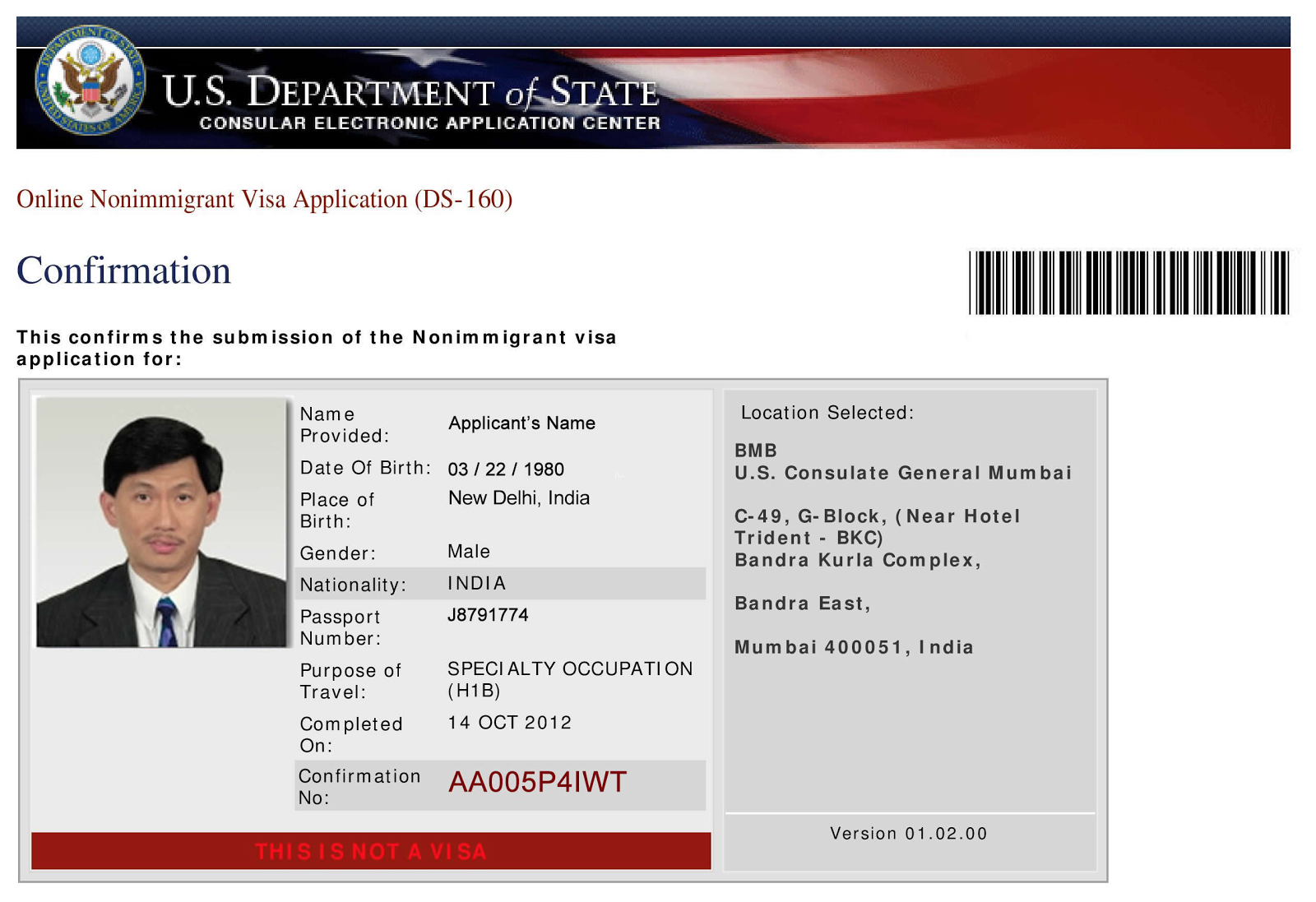
The form is submitted electronically to the Department of State website. Once submitted, it cannot be edited. This makes the review stage of the application the most critical moment for any Nepalese applicant. The confirmation page, which features a unique barcode, is the only document you must bring from this specific process to your interview.
Essential Prerequisites Before Starting the Application
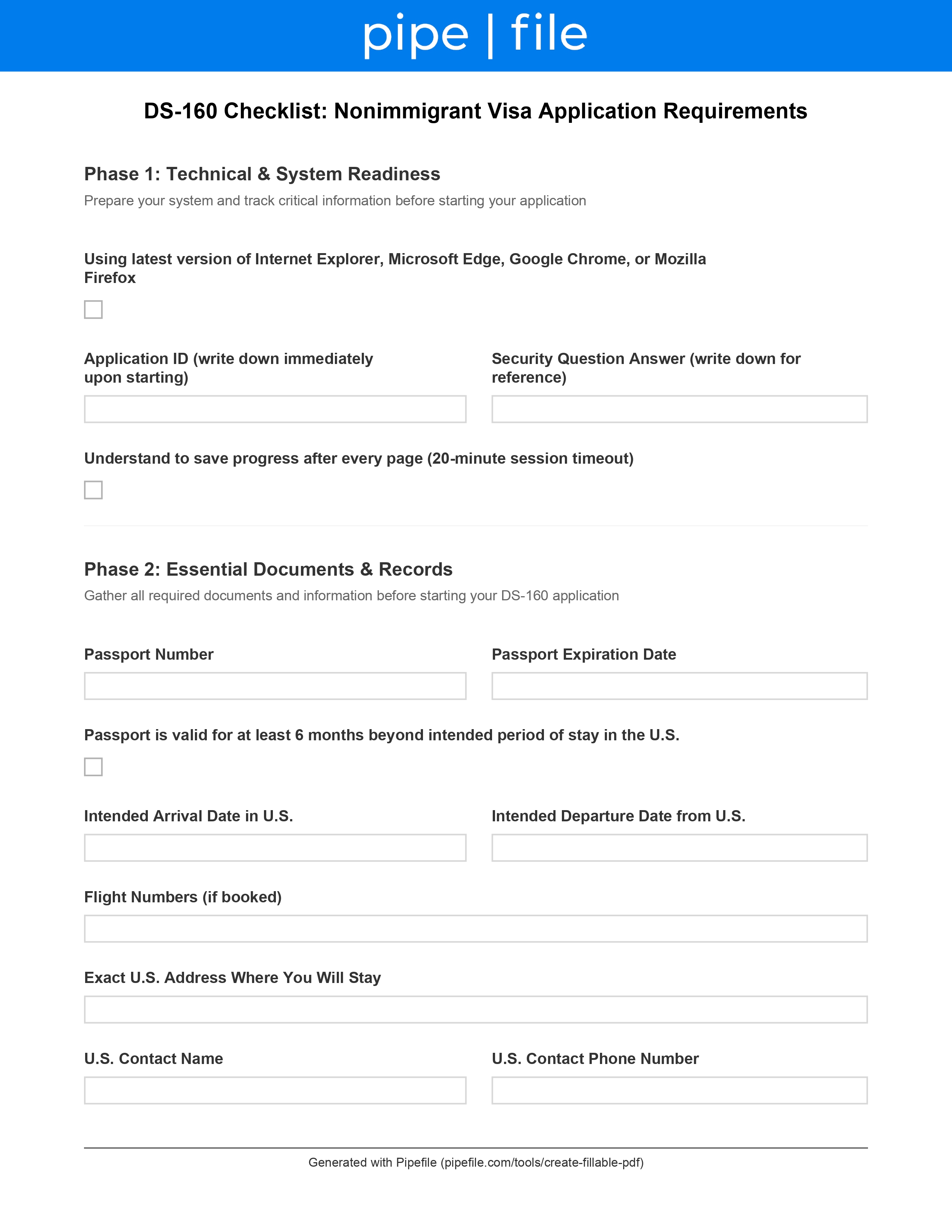
Before you log onto the CEAC website, you must gather several documents. Attempting to fill out the DS-160 without these on hand often leads to session timeouts, which can be a source of significant frustration for applicants in Nepal, where internet stability can occasionally fluctuate.
Passport and Travel Documentation
You will need a valid passport that is recognized by the U.S. government. For Nepalese citizens, this usually means a Machine Readable Passport (MRP) or the newer e-Passport. Your passport should have a validity of at least six months beyond your intended period of stay in the United States. You will also need to provide your travel itinerary if you have already made arrangements, though it is not strictly necessary to have confirmed flights before applying.
Digital Photograph Requirements for 2026
The U.S. visa photo requirements are notoriously strict. In 2026, the digital image must be a square photo (600 x 600 pixels minimum) taken within the last six months. It must be in color, against a plain white or off-white background, and the applicant must have a neutral facial expression with both eyes open.
Important Note for Nepal Applicants: Many local photo studios in Kathmandu and Pokhara are familiar with "U.S. Visa Specs," but you must ensure they provide you with a digital file, not just a physical print. You will need to upload this file directly into the DS-160 form. If the photo does not meet the automated quality check on the CEAC website, you will not be able to proceed with the submission.
Historical Information and Records
You should have records of your last five visits to the United States if you have traveled there previously. Additionally, you will be asked for your international travel history for the last five years. For many Nepalese applicants, this includes trips to India, the UAE, Australia, or Europe. Having your old passports nearby is highly recommended to ensure dates and visa details are entered correctly.
Navigating the CEAC Portal: Step-by-Step Instructions
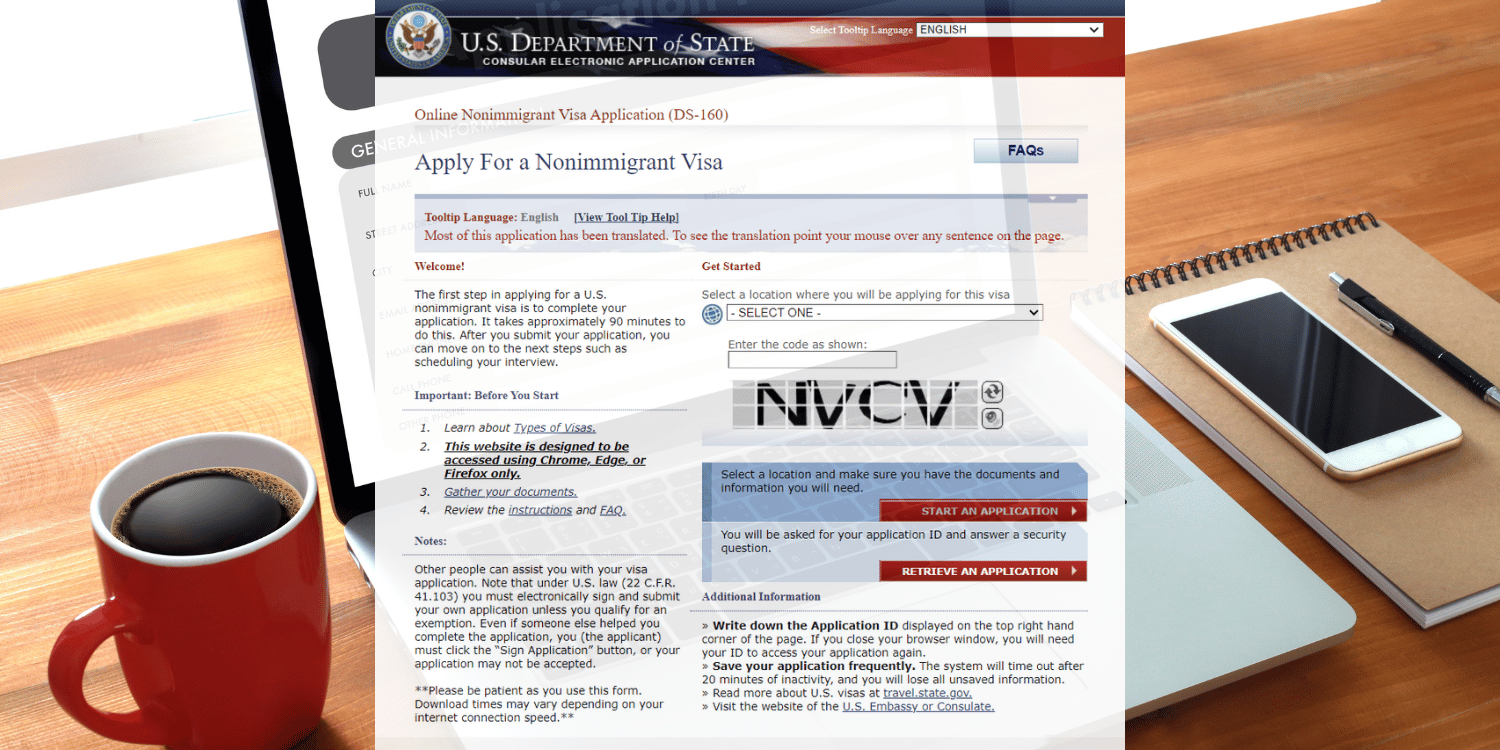
Once you have your documents ready, you can begin the application. The first step is selecting your location: NEPAL, KATHMANDU. After this selection, you will be prompted to start a new application.
- Application ID and Security Questions: Upon starting, you will be assigned an Application ID. Write this down immediately. You will also choose a security question and provide an answer. In 2026, many applicants still lose access to their forms because they forget their ID or security answer. This ID is required to retrieve your saved application if you are logged out.
- Saving Progress: The CEAC system is designed to time out after approximately 20 minutes of inactivity. To avoid losing data, click the "Save" button at the bottom center of each page frequently. This saves your progress to the Department of State servers.
- The "Save to File" Option: For those with unreliable internet, the DS-160 allows you to save the application to your local computer as a
.datfile. You can then reload this file later to continue. This is a highly recommended practice for applicants outside of the Kathmandu valley.
Section-by-Section Breakdown of Form DS-160
The DS-160 is divided into several thematic sections. Each must be completed in English using English characters only, except when you are asked to provide your full name in your native alphabet (Devanagari for Nepalese citizens).
Personal, Address, and Phone Information
This section asks for basic biological data. Ensure your name matches the spelling on your passport exactly. You will also be asked for your "National Identification Number." For Nepalese citizens, this is typically your Citizenship Number (Nagarita number). If you have a National ID (Rastriya Parichayapatra), you may use that number as well.
You will also be asked for your social media identifiers. You must provide the handles or usernames for any social media platforms you have used in the last five years (e.g., Facebook, Instagram, LinkedIn). You do not need to provide passwords, but you must list the accounts.
U.S. Contact and Travel Details
You must provide a point of contact in the U.S. This can be a person (friend or relative) or an organization (a hotel or a university). If you are applying for a tourist visa (B2) and do not know anyone in the U.S., you should provide the name and address of the hotel where you intend to stay. For student visa (F1) applicants, this will be the Designated School Official (DSO) listed on your I-20 form.
Work, Education, and Training History
This section requires a detailed account of your professional and academic life. You should list your current employer or school first, followed by previous employment history for the last five years. For Nepalese applicants who have served in the military or police, or those who have specialized chemical, biological, or nuclear training, additional questions will appear. It is vital to be transparent about military service, as the U.S. Embassy in Kathmandu conducts thorough background checks on these details.
Security and Background Questionnaires
This is the final major section and consists primarily of "Yes/No" questions regarding health, criminal records, and security concerns. While most applicants will answer "No" to all questions, it is crucial to read each one carefully. Answering "Yes" to a question does not automatically result in a visa denial, but providing a false "No" when the answer should be "Yes" constitutes fraud and can lead to a permanent ban from the United States.
2026 U.S. Visa Fee Structure for Nepal
After completing the DS-160, the next logistical hurdle is the visa fee, known as the Machine Readable Visa (MRV) fee. This fee is non-refundable and must be paid before you can schedule an interview appointment.
| Visa Type | Description | Fee (USD) | 2026 Fee (NPR Equivalent - Approx.) |
|---|---|---|---|
| B1/B2 | Business and Tourism | $185 | NPR 24,600 |
| F, M, J | Students and Exchange Visitors | $185 | NPR 24,600 |
| H, L, O, P, Q, R | Petition-based Work Visas | $205 | NPR 27,200 |
| K | Fiancé(e) of U.S. Citizen | $265 | NPR 35,200 |
| E | Treaty Trader/Investor | $315 | NPR 41,900 |
Note: The NPR (Nepalese Rupee) amount fluctuates based on the exchange rate determined by the U.S. Treasury. Always check the current rate on the official appointment website before making a payment.
Common Mistakes and Troubleshooting in Nepal
Even with a clear guide, several issues frequently plague Nepalese applicants during the DS-160 process.
- Wrong Consular Post: Selecting "Mumbai" or "New Delhi" instead of "Kathmandu." If you do this, your form will not be accessible to the officers in Nepal, and you will likely have to start over.
- Missing Middle Names: Nepalese names often include middle names (e.g., Bahadur, Kumari). These must be included in the "Given Names" field exactly as they appear on the passport.
- Inconsistent Dates: Ensure that the dates of employment and education do not overlap in a way that is physically impossible or contradicts your submitted CV.
- Photo Upload Failures: If the website rejects your photo, do not try to bypass it with a low-quality scan. Use the "Photo Cropping Tool" provided on the CEAC website to adjust your digital file to the required 2-inch by 2-inch dimensions.
- Submitting Before Reviewing: Once you hit "Sign and Submit," the form is locked. Many applicants realize they mistyped their passport number only after submission. If this happens, you must fill out a new DS-160 and update the barcode number on your appointment profile.
Fee Payment and Interview Scheduling in Kathmandu
Once the DS-160 is submitted, you will receive a confirmation page with a barcode. You must then create a profile on the official U.S. visa appointment system for Nepal.
In 2026, the primary method for fee payment in Nepal remains through authorized branches of Siddhartha Bank. You must print a customized deposit slip from your online profile and take it to the bank. After payment, there is usually a 24-hour waiting period before the "receipt number" becomes active in the system, allowing you to book your interview and OFC (Optical Fingerprint Collection) appointments.
The U.S. Embassy in Kathmandu is located in Maharajgunj. Most applicants will need to attend two separate appointments: one for biometrics (fingerprints and photo) and one for the actual consular interview. The DS-160 confirmation page is required for both.
Frequently Asked Questions
Can I change my DS-160 after I have scheduled my appointment?No, you cannot change a submitted DS-160. However, if you discover a major error, you can complete a new DS-160. You must then log into your appointment profile and update the DS-160 barcode number to the new one. This must be done at least 2-3 business days before your interview to ensure the embassy has the correct data.
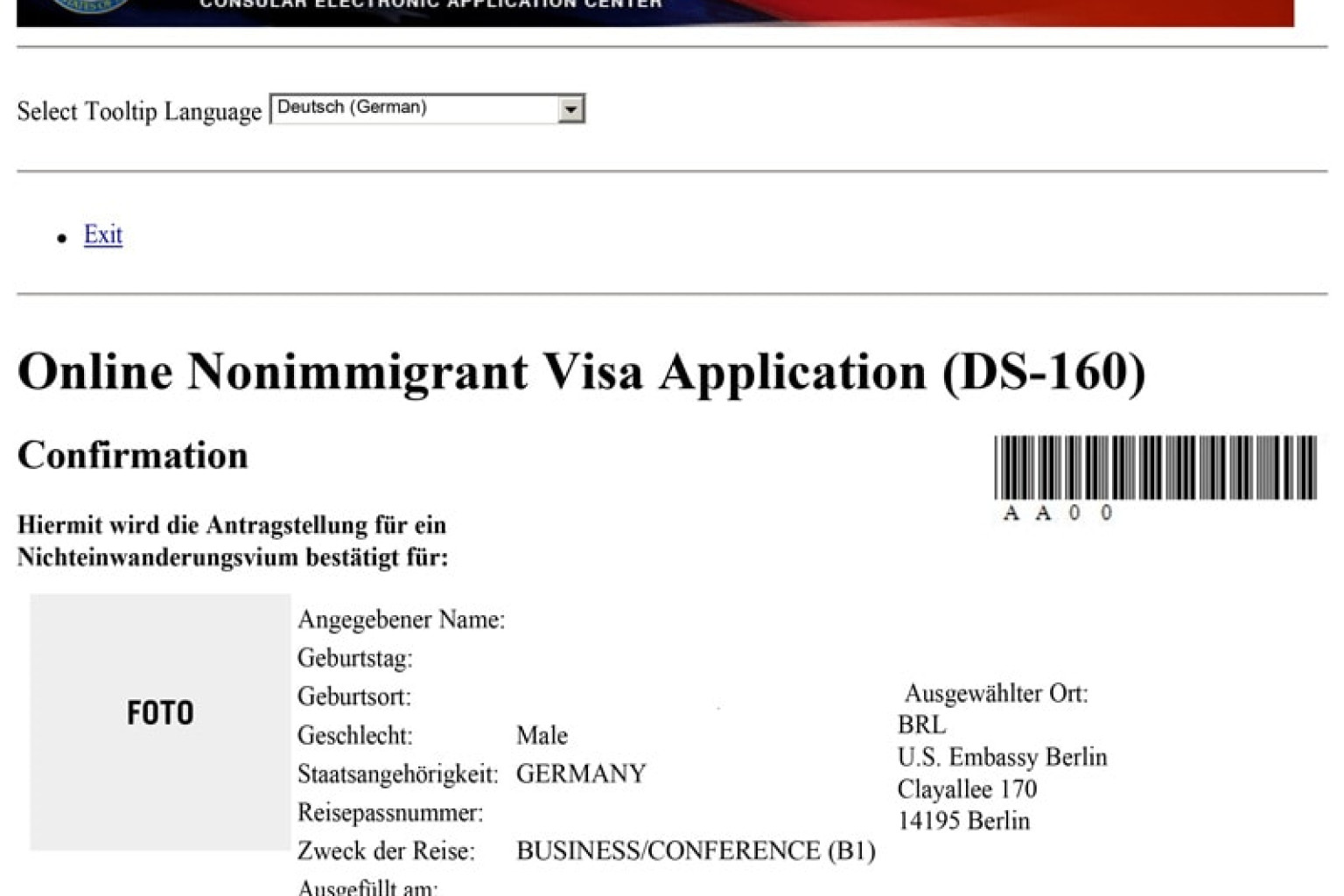
Is the DS-160 available in the Nepali language?The form itself must be completed in English. However, there is a language tooltip feature. If you select "Nepali" in the "Select Tooltip Language" box at the top right of the page, you can hover your mouse over any English text to see a translation in Nepali. This helps ensure you understand exactly what is being asked.
What happens if my DS-160 session times out?If your session times out, you must go back to the CEAC homepage and select "Retrieve an Application." You will need your Application ID, the first five letters of your surname, your year of birth, and the answer to your security question. If you do not have these, you will have to start a new application from scratch.
Do I need to hire an agency in Kathmandu to fill out my DS-160?No. The U.S. Embassy explicitly states that applicants are responsible for their own forms. While some people seek help from educational consultancies or travel agents, you must personally review every answer. You are legally responsible for the information on the form, regardless of who typed it.
How long does it take to complete the DS-160?For a first-time applicant, it typically takes between 60 and 90 minutes. This includes time for reading the instructions, entering detailed work/education history, and performing the final review. It is best to do this in a quiet environment with a stable internet connection.
Final Recommendation for Applicants
Before you attend your interview at the Maharajgunj embassy, print a clear copy of your DS-160 Confirmation Page. You do not need to print the entire application (which can be 10-15 pages), as the officer will access your data digitally using the barcode. However, keeping a saved PDF copy of the full application for your own records is highly recommended. This allows you to review exactly what you told the government, which is helpful for consistent answers during the interview and for future visa renewals.
Image Gallery