Understanding the Brain’s Reward Center: Mechanisms of Motivation and Reinforcement
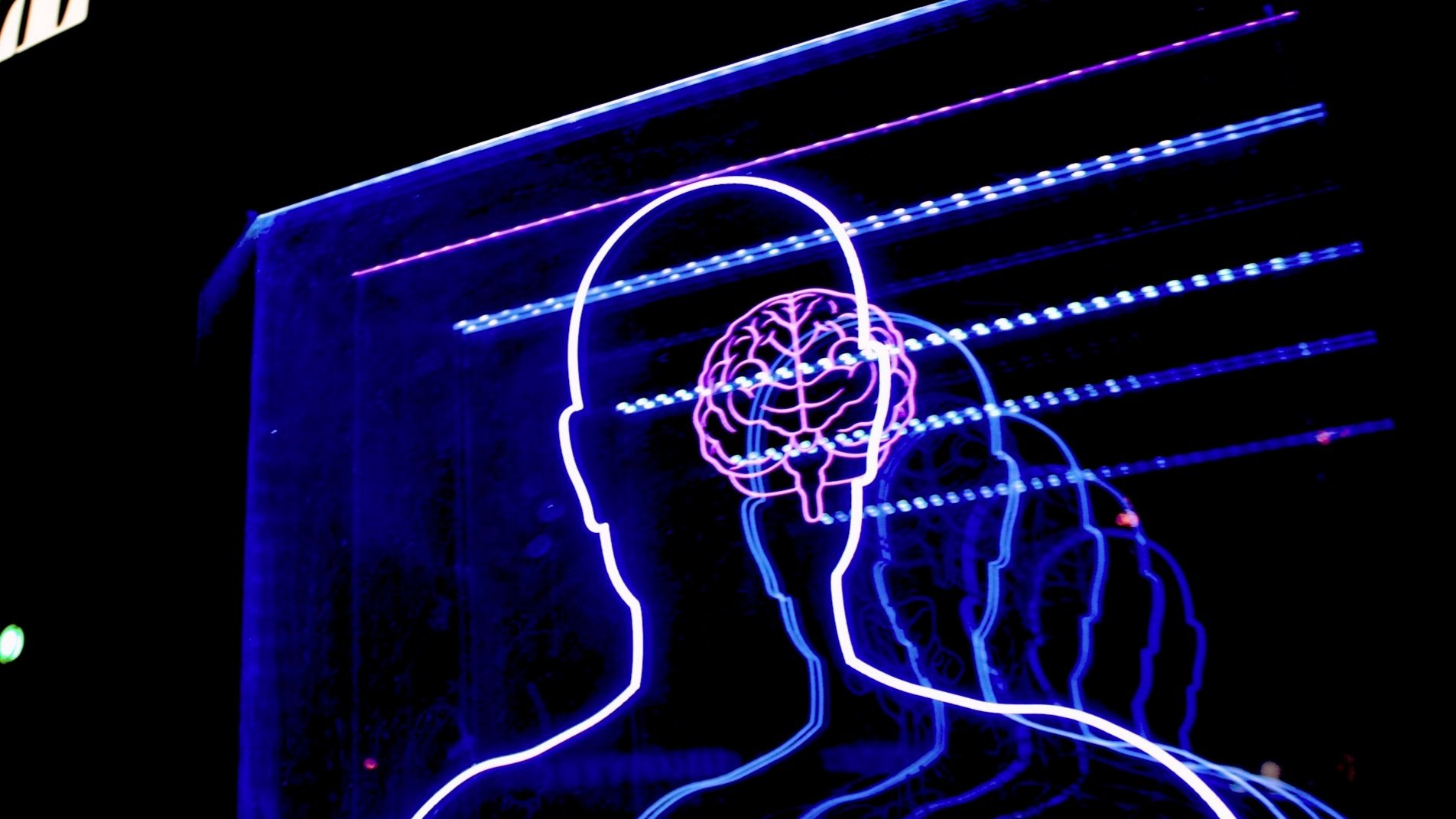
The brain's reward center is a complex network of structures, primarily involving the mesolimbic pathway, that processes rewarding stimuli by releasing the neurotransmitter dopamine. It serves as a biological mechanism designed to rein...
The brain's reward center is a complex network of structures, primarily involving the mesolimbic pathway, that processes rewarding stimuli by releasing the neurotransmitter dopamine. It serves as a biological mechanism designed to reinforce survival-oriented behaviors—such as eating or social interaction—by creating sensations of pleasure and encouraging the repetition of those specific actions.
Contents
The Neurobiology of Reward Processing
At the heart of the brain's reward system is the mesolimbic pathway, a neural circuit that connects the ventral tegmental area (VTA) to the nucleus accumbens. When an individual encounters a stimulus that the brain perceives as beneficial or pleasurable, neurons in the VTA fire, triggering a release of dopamine into the nucleus accumbens.
This chemical signal acts as a "teaching" mechanism. It effectively flags the experience as valuable, telling the brain, "That was important—remember what you just did so you can do it again." This process, known as positive reinforcement, is evolutionary in origin. By linking specific behaviors to a spike in dopamine, the brain ensures that organisms prioritize activities that facilitate survival, such as consuming calories or finding shelter.
However, the system is not merely reactive; it is also predictive. Through a phenomenon called "reward prediction error," the brain constantly compares expected outcomes with actual outcomes. If a behavior yields a reward greater than what was anticipated, dopamine levels surge higher. If the reward is less than expected, dopamine levels drop. This predictive modeling allows the brain to adjust behavior dynamically in response to the environment.
Primary Structures and Their Functions
The reward center is not a single anatomical point but a functional circuit involving several interconnected regions. Understanding these components is essential to grasping how the brain translates signals into motivated behavior:
- Ventral Tegmental Area (VTA): Located in the midbrain, this is the primary site of dopamine production. It acts as the "source" of the reward signal, projecting dopamine-rich neurons to the rest of the circuit.
- Nucleus Accumbens: Often described as the brain's "pleasure center," this region receives dopamine from the VTA. It evaluates the value of a stimulus and plays a critical role in motor function, turning motivation into action.
- Prefrontal Cortex: This area is responsible for executive function, decision-making, and impulse control. It provides the "top-down" regulation of the reward system, allowing individuals to weigh the long-term consequences of an action against immediate gratification.
- Amygdala and Hippocampus: These structures provide emotional and memory context. They help the brain associate specific environmental cues with past rewards, essentially creating a "map" of where to find the things that make us feel good.
Comparison of Reward-Related Responses
The following table outlines how different types of stimuli interact with the brain's reward circuitry to influence behavior and cognitive state.
| Stimulus Type | Primary Mechanism | Behavioral Outcome | Role in Reinforcement |
|---|---|---|---|
| Natural Rewards | Dopamine Release | Increased Survival | High; essential for life functions |
| Novelty/Curiosity | Dopamine Spikes | Information Seeking | Moderate; promotes learning |
| Social Connection | Oxytocin/Dopamine | Pair Bonding | High; ensures group cohesion |
| Substance/Drug | Artificial Overload | Addiction Vulnerability | Disruptive; bypasses natural limits |
| Anticipatory Cues | Predicted Dopamine | Goal-Directed Effort | High; maintains focus on future goals |
The Role of Dopamine vs. Liking
A common misconception is that dopamine is purely a "pleasure molecule." Current neuroscientific consensus distinguishes between wanting (incentive salience) and liking (hedonic impact).
Dopamine is primarily involved in "wanting"—the motivational drive that compels an individual to pursue a reward. It is the fuel for effort and anticipation. In contrast, "liking"—the actual subjective experience of pleasure—is mediated by different chemical systems, including endogenous opioids and endocannabinoids.
This distinction is crucial because it explains why individuals often continue to pursue rewards even when the pleasure associated with them has diminished. A person may feel a strong, dopamine-driven craving to perform a behavior but experience little satisfaction upon completing it. This decoupling is a hallmark of behavioral addictions and habit loops.
The Impact of Modern Environments
In the evolutionary environment where the human brain developed, rewards were often scarce and required physical exertion. Today, however, the brain’s reward center is frequently bombarded with "super-normal" stimuli. These include high-calorie processed foods, instant digital gratification, and social media metrics.
Because the reward circuit is calibrated to reward effort, the ease of modern rewards can lead to a sense of dysregulation. When the brain is constantly flooded with artificial spikes in dopamine, the system may adapt by downregulating its sensitivity—a process known as receptor downregulation. This means that, over time, an individual may require more intense or frequent stimuli to achieve the same feeling of motivation or satisfaction that was previously provided by simpler experiences.
Addressing Reward System Dysfunction
When the reward circuit becomes dysfunctional, it can manifest as anhedonia (the inability to feel pleasure), chronic demotivation, or compulsive behavioral patterns. Professionals in fields such as clinical psychology and neurology often address these issues through a combination of strategies:
- Behavioral Activation: This approach involves identifying and slowly reintroducing activities that naturally stimulate the reward system, even if the initial motivation is low. By forcing the cycle of behavior, the brain can eventually recalibrate its response.
- Executive Regulation: Leveraging the prefrontal cortex to establish "friction" against impulsive rewards. By consciously placing barriers between a craving and the action (e.g., hiding distractions or limiting access to specific stimuli), individuals can reduce the frequency of automatic reward-seeking.
- Mindfulness Practices: Training the brain to observe the "wanting" signal without acting upon it. This creates space between the neurological impulse and the behavior, allowing the prefrontal cortex to exert greater control.
Medical Disclaimer: The information provided here is for educational purposes only and does not constitute medical advice, diagnosis, or treatment. If you or someone you know is struggling with behavioral issues related to motivation or impulse control, please consult a licensed healthcare provider.
Frequently Asked Questions
Does the brain have a single "reward center"? No. While the nucleus accumbens and VTA are central, the reward system is a distributed network. It involves communication between the midbrain, the limbic system, and the frontal lobes to process motivation, memory, and executive decision-making.
Why do some people have a "higher" reward threshold? Individual differences in reward sensitivity are driven by a combination of genetics, environmental history, and baseline dopamine receptor density. Some people may naturally require more intense stimulation to feel a "reward" compared to others.
Can you reset your reward center? The brain possesses neuroplasticity, meaning its pathways can change. By intentionally reducing exposure to high-stimulation triggers and engaging in low-dopamine activities, individuals can help their brain chemistry return to a more balanced baseline over time.
What is the difference between addiction and habit? Addiction typically involves a hijacking of the reward circuit, where the stimulus becomes a physiological necessity for emotional regulation. A habit is a behavioral pattern mediated by the basal ganglia that runs on "autopilot" to conserve cognitive energy.
Does exercise affect the reward system? Yes. Physical activity is one of the most effective ways to naturally stimulate the reward system, leading to sustained improvements in dopamine signaling and mood regulation, often referred to as a "natural high."
Moving Forward: Practical Application
Understanding the reward center allows for a more intentional approach to daily life. Rather than fighting against your biology, you can work with it by designing environments that encourage "slow" rewards—such as learning a craft, exercising, or deep social interaction—that yield sustained satisfaction rather than transient dopamine spikes. By consciously choosing activities that require effort, you effectively strengthen the connection between your executive brain and your motivational centers, leading to greater long-term focus and goal alignment.
Image Gallery