Canadian Tourist Tragedies in Costa Rica: Consular Support, Repatriation, and Legal Protocols
When a Canadian tourist suffers a fatal incident in Costa Rica, Global Affairs Canada collaborates with local Costa Rican authorities—including the Organismo de Investigación Judicial—to verify identities, notify next of kin, provide c...
When a Canadian tourist suffers a fatal incident in Costa Rica, Global Affairs Canada collaborates with local Costa Rican authorities—including the Organismo de Investigación Judicial—to verify identities, notify next of kin, provide consular support, and guide families through local legal procedures, autopsy protocols, travel insurance claims, and the repatriation of remains.
Contents
Understanding Emergency Response Protocols: Consular Assistance for Canadians
When a tragic incident occurs involving a Canadian citizen in Costa Rica—whether resulting from an ocean drowning, a road accident, an adventurous excursion mishap, or a violent crime—the immediate response involves both local emergency responders and Canadian diplomatic officials. Navigating an international tragedy requires a clear understanding of what government authorities can and cannot do under international law and diplomatic frameworks.
The Embassy of Canada to Costa Rica, located in San José, acts as the primary diplomatic point of contact on the ground. Simultaneously, Global Affairs Canada (GAC) operates the 24/7 Emergency Watch and Response Centre (EWRC) in Ottawa. When local authorities or witnesses report a serious injury or fatality involving a foreigner, the Costa Rican police or medical personnel notify the Canadian Embassy to confirm the victim’s identity and citizenship.
What Consular Officials Can Do
Canadian consular officers provide critical administrative and emotional guidance during international emergencies. Their core functions include:
- Next-of-Kin Notification: Coordinating with the Royal Canadian Mounted Police (RCMP) or local Canadian police services to deliver official, sensitive notification to family members in Canada.
- Logistical Guidance: Providing lists of qualified local service providers, including legal counsel, certified translators, and licensed international funeral homes in Costa Rica.
- Interfacing with Local Authorities: Maintaining communication with Costa Rican police agencies, judicial investigators, and hospital administration to track the status of investigations and medical reports.
- Documentation Assistance: Expediting consular paperwork required for emergency travel of family members or for the eventual transport of human remains back to Canada.
Limitations of Consular Services
Consular officers operate under strict diplomatic boundaries governed by the Vienna Convention on Consular Relations. Consular officials cannot act as legal representatives, provide formal legal advice, pay medical or funeral bills, conduct independent criminal investigations, or intervene in local judicial proceedings. Costa Rican sovereignty dictates that all investigative and legal procedures must follow Costa Rican statutory law.
Legal and Investigative Procedures in Costa Rica
Costa Rica’s legal framework for investigating deaths involving foreign nationals differs significantly from Canadian provincial coroner systems. Understanding the roles of Costa Rica's judicial institutions helps families navigate the investigative pipeline.
- INCIDENT OCCURRENCE
- Organismo de Investigación Judicial (OIJ): Secures scene, conducts initial forensic assessment
- Medicatura Forense: Performs mandatory judicial autopsy (Heredia)
- Registro Civil & Ministerio de Salud: Issues official Costa Rican Death Certificate (Apostilled)
- Consular & Funeral Logistical Execution: Repatriation of remains or local cremation / burial
The Role of the Organismo de Investigación Judicial (OIJ)
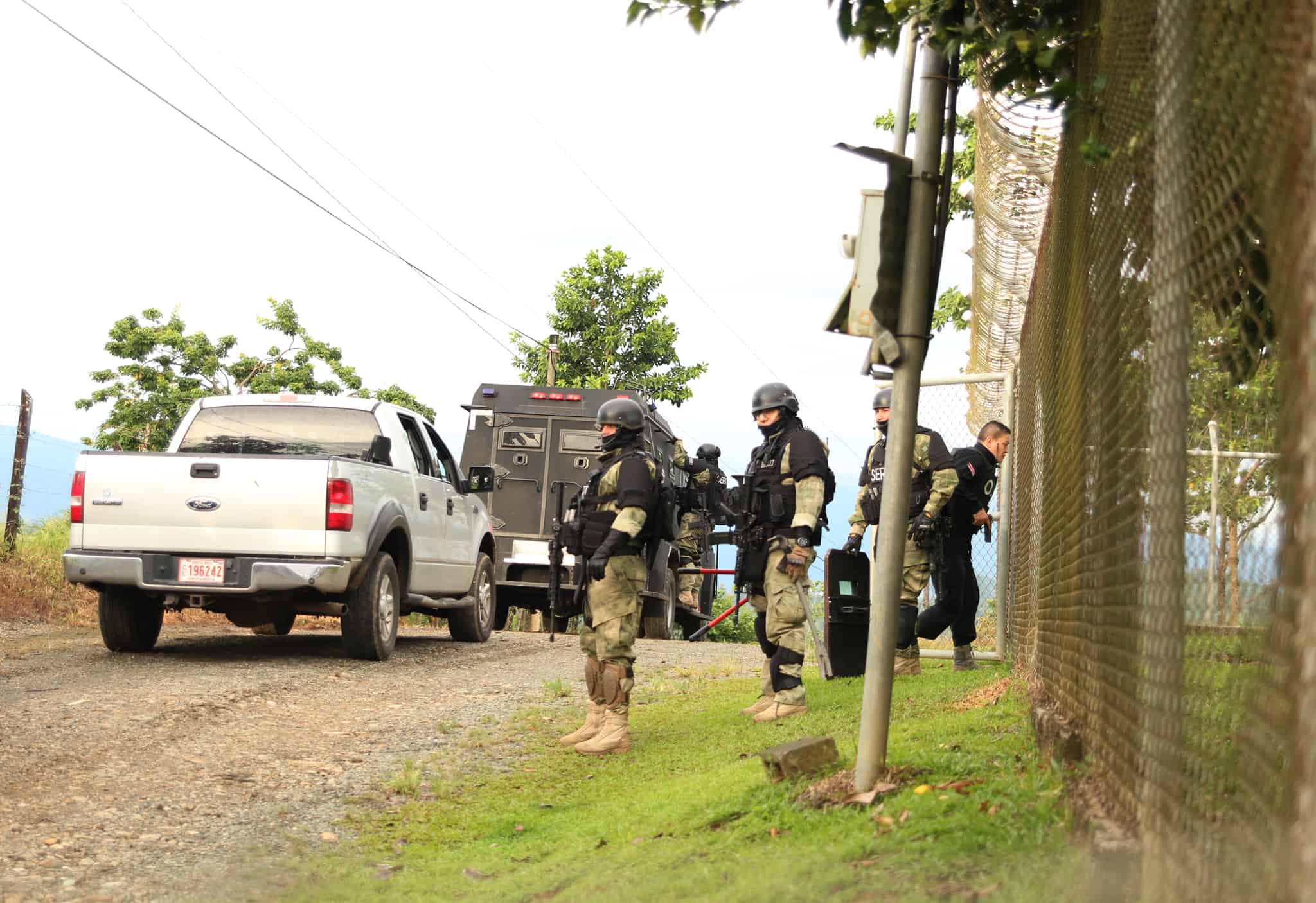
The Organismo de Investigación Judicial (OIJ) is the primary law enforcement agency responsible for investigating serious crimes, sudden deaths, and fatal accidents across Costa Rica. When a foreign tourist dies under non-natural, accidental, or suspicious circumstances, OIJ agents secure the scene, gather evidence, and take custody of the deceased.
If the incident involves potential criminal culpability (such as motor vehicle negligence, tour operator failure, or assault), the case is referred to the Fiscalía General de la República (Public Prosecution Service). The prosecutor determines whether criminal charges should be filed against responsible parties under Costa Rican criminal procedure law.
Autopsy Protocols at the Medicatura Forense
Under Costa Rican law, any death resulting from accidents, violence, sudden illness without prior local medical history, or unverified causes requires a mandatory judicial autopsy. Autopsies are conducted exclusively at the Complejo Forense (Forensic Complex) of the Medicatura Forense, located in San Joaquín de Flores, Heredia.
The autopsy process serves several crucial functions:
- Establishing the exact scientific cause and manner of death.
- Collecting toxicological, histological, and physical evidence for judicial proceedings.
- Supplying official findings required to issue a formal death certificate.
Depending on the complexity of toxicological analysis, full forensic reports may take several weeks or months to be finalized by judicial pathologists, though preliminary cause-of-death declarations are usually issued faster to facilitate repatriation.
Civil Registration and Official Documentation
Before human remains can be repatriated or cremated, the death must be formally registered in Costa Rica. The Registro Civil (Civil Registry), a division of the Tribunal Supremo de Elecciones, issues the official Costa Rican Death Certificate (Certificado de Defunción).
To be recognized by Canadian financial institutions, insurance companies, provincial vital statistics registries, and probate courts, the Costa Rican death certificate must be translated into English or French by a certified translator and legalised via an Apostille under the Hague Apostille Convention (which Costa Rica joined in 2011 and Canada joined in January 2024). This streamlines document verification between the two nations without requiring traditional consular authentication chains.
Repatriation of Remains and Insurance Claims Management
Managing the logistical and financial obligations following a death abroad is one of the most challenging hurdles for grieving families. Early communication with travel insurance providers and international mortuary specialists is critical.
Repatriation vs. Local Cremation
Families generally have two options for final arrangements:
- Repatriation of Preparation (Embalming and Transport): Returning the body to Canada requires specialized embalming performed by a licensed Costa Rican funeral service equipped for international transit. The remains must be sealed in an airtight, zinc-lined casket or approved shipping container (hermetic seal) meeting international air transport regulations (IATA). Air freight logistics from Juan Santamaría International Airport (SJO) or Daniel Oduber Quirós International Airport (LIR) must be coordinated alongside local export permits from the Costa Rican Ministry of Health (Ministerio de Salud).
- Cremation in Costa Rica: Cremation can be performed locally in San José or surrounding areas after the OIJ and the prosecutor release the body. Once cremated, the ashes (remains) can be transported back to Canada by family members as carry-on or checked baggage, provided they are placed in a non-metallic container capable of passing airport X-ray security, accompanied by the crematorium certificate and apostilled death certificate.
Navigating Travel Insurance Policies
Travel insurance policies vary widely regarding coverage for accidental death, emergency evacuation, and repatriation of remains. Families should immediately review policy terms and contact the insurer's emergency assistance department.
| Policy Component | Standard Coverage Details | Common Exclusions & Limitations |
|---|---|---|
| Repatriation of Remains | Covers air freight, preparation, hermetic container, and transit permits back to home province (typically capped between $10,000 and $25,000 CAD). | Unapproved funeral directors, costs exceeding policy caps, delays caused by uncooperative local authorities. |
| Accidental Death Benefit | Provides a lump-sum payout to designated beneficiaries if death occurs as a direct result of an covered accident. | Death caused by pre-existing medical conditions, self-harm, or participation in unlisted high-risk activities. |
| Family Compassionate Travel | Pays for round-trip economy airfare and daily allowance for a close relative to travel to Costa Rica to identify remains. | Require prior written authorization from the insurer's emergency assistance team before booking travel. |
| Adventure Activity Riders | Extends coverage to zip-lining, scuba diving, white-water rafting, ATV tours, and canopy excursions. | Participating in extreme sports without wearing safety gear, using unlicensed operators, or driving without proper licenses. |
| Substance & Illegality Exclusions | Standard clause nullifying coverage if the incident occurs while impaired or involved in unlawful acts. | Blood alcohol concentration (BAC) exceeding policy limits, consumption of illegal substances, driving without a valid permit. |
Comparative Matrix: Operational Roles and Timelines
The following matrix details the key entities, responsibilities, and expected execution timeframes during an emergency case in Costa Rica.
| Phase / Stage | Responsible Entities | Key Actions Required | Typical Timeframe |
|---|---|---|---|
| Initial Notification & Response | Red Cruz (Red Cross), Tourist Police, Canadian EWRC | Medical triage, securing the scene, initial notification to Canadian diplomatic channels. | First 12 to 24 hours |
| Forensic & Judicial Assessment | OIJ, Medicatura Forense (Heredia) | Scene processing, body transfer, mandatory judicial autopsy, toxicological sampling. | 2 to 7 business days |
| Civil Registration & Apostille | Costa Rican Registro Civil, Ministry of Foreign Affairs | Issuance of local death certificate, legal translation, application of Hague Apostille stamp. | 5 to 15 business days |
| Repatriation / Local Cremation | Licensed International Mortuary, Airlines, Health Ministry | Embalming/cremation, securing export clearance permits, air cargo scheduling to Canada. | 7 to 14 business days |
| Legal & Insurance Settlement | Provincial Probate Courts, Canadian Insurers, Local Fiscalía | Submitting claim files, estate processing, conclusion of criminal or civil fault investigations. | 1 to 12+ months |
Safety Landscape and Preventive Guidance for Travelers
While Costa Rica remains one of Central America’s most popular destinations for Canadian vacationers and eco-tourists, visitors face distinct environmental and localized security hazards. Understanding these risks helps travelers make informed choices.
Ocean Safety and Aquatic Hazards
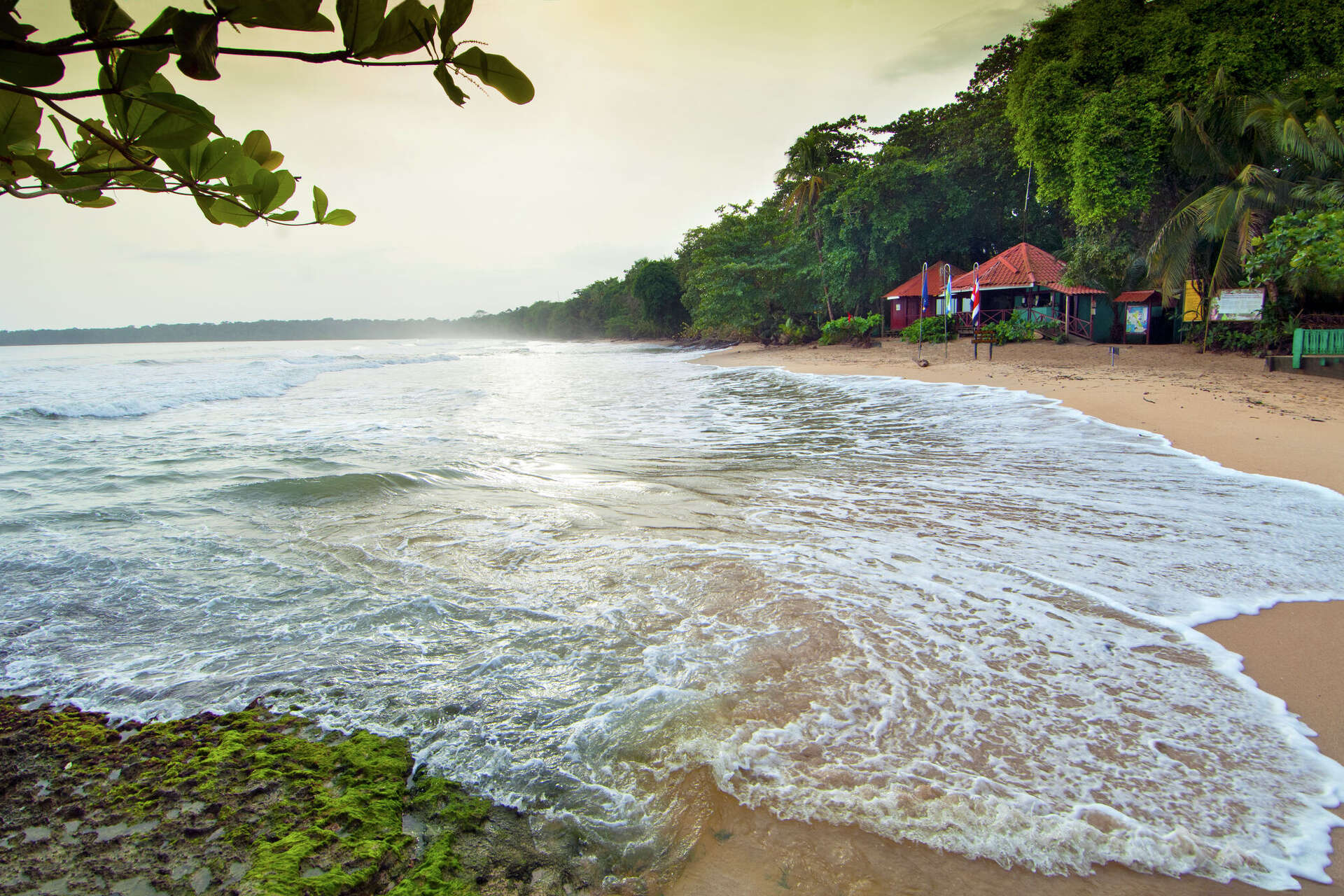
Drowning represents one of the leading causes of accidental death among foreign tourists in Costa Rica. Many popular Pacific and Caribbean beaches feature strong, unpredictable rip currents and lack professional lifeguard services.
- Rip Current Navigation: Travelers should look for posted hazard flags. If caught in a rip current, swim parallel to the shoreline until clear of the pulling channel before heading inward; never attempt to swim directly against the current.
- Unregulated Watercraft: Jet-ski rentals, banana boats, and informal boat charters in coastal villages may lack safety gear, life jackets, or adequate liability insurance.
Adventure Tourism Standards
Costa Rica is famous for canopy zip-lining, white-water rafting, canyoning, and volcano trekking. While many operators adhere to strict safety standards certified by the Instituto Costarricense de Turismo (ICT), standards vary across regions.
- Operator Verification: Ensure tour companies maintain active ICT accreditation, hold commercial liability insurance, and enforce safety equipment requirements (e.g., helmets, harness inspections).
- Weather Awareness: Flash flooding in tropical river canyons poses severe risks during the rainy season (May through November). Rafting and waterfall tours should be canceled during heavy rainfall.
Crime and Personal Security Concerns
While Costa Rica is relatively stable, rates of opportunistic property crime, vehicle break-ins, and armed robberies have fluctuated in urban centers like San José and specific coastal tourist hubs.
- Rental Car Vulnerability: Park in secure, attended parking lots (parqueos). Never leave luggage, passports, or electronics visible inside parked vehicles.
- Isolated Areas: Avoid walking on unlit beaches or isolated roads after dark. Use registered red taxis (taxis rojos) or recognized rideshare services rather than unlicensed transit (taxis piratas).
Actionable Steps for Families Facing an Emergency Abroad
If you are notified that a family member has been injured or killed in Costa Rica, taking methodical steps ensures that legal, medical, and administrative obligations are met efficiently.
- CONTACT GLOBAL AFFAIRS CANADA: Call EWRC at +1 613 996 8885 or email sos@international.gc.ca
- NOTIFY TRAVEL INSURANCE PROVIDER: Open an emergency file before signing local financial guarantees
- APPOINT A SINGLE FAMILY SPOKESPERSON: Streamline communication with consular officers and authorities
- ENGAGE QUALIFIED LOCAL SERVICES: Select an international funeral director experienced in GAC protocols
- SECURE FORMAL DOCUMENTATION: Obtain multiple apostilled death certificates for legal estate use
1. Contact Global Affairs Canada Immediately
Call the Emergency Watch and Response Centre (EWRC) in Ottawa at +1 613 996 8885 (collect calls accepted) or email sos@international.gc.ca. Establish an official case number and assign a primary family point of contact.
2. Notify the Travel Insurance Provider
Contact the insurer's emergency line before authorizing major expenditures or signing contracts with local funeral homes. Insurance companies often have established networks with international repatriation providers and will manage payments directly.
3. Register with the Registration of Canadians Abroad (ROCA) System
If traveling in Costa Rica, ensure all group members are registered with ROCA. This system enables consular officials to contact travelers quickly during emergencies, natural disasters, or civil unrest.
4. Engage Certified Local Representation
If the incident involves criminal liability, traffic collisions, or disputed circumstances, retain an attorney licensed by the Colegio de Abogados y Abogadas de Costa Rica. The Canadian Embassy maintains a standard reference list of English-speaking legal professionals in San José.
Frequently Asked Questions
Will the Canadian government pay for the repatriation of a deceased citizen's remains?
No. The Government of Canada does not cover the costs of returning human remains to Canada, nor does it cover local burial or cremation fees. These expenses are the responsibility of the deceased person's estate, family, or private travel insurance policy.
How long does an autopsy take in Costa Rica following a tourist tragedy?
A judicial autopsy performed by the Medicatura Forense typically takes between 2 to 7 business days, depending on case backlogs, judicial authorization, and the necessity of specialized toxicological testing. Preliminary findings are usually shared with consular officials once completed.
Do Canadian travel insurance policies cover accidents caused during adventure sports in Costa Rica?
Standard travel insurance policies frequently exclude high-risk activities such as canopy zip-lining, scuba diving, canopy walks, or ATV rentals unless an explicit adventure sports rider was purchased prior to departure. Always review policy exclusions before participating in eco-adventure excursions.
How is a Costa Rican death certificate rendered valid for use in Canada?
Because Costa Rica and Canada are signatories to the Hague Apostille Convention, a Costa Rican death certificate must be issued by the Registro Civil, translated into English or French by an official translator, and authenticated with an Apostille certificate from the Costa Rican Ministry of Foreign Affairs (Ministerio de Relaciones Exteriores y Culto).
What legal action can be taken if negligence contributed to a tourist's death in Costa Rica?
If third-party negligence (such as faulty safety equipment or dangerous driving) contributed to the incident, the OIJ and Fiscalía may initiate criminal proceedings under Costa Rican law. Families can also file a civil action for damages (acción civil resarcitoria) within the Costa Rican judicial system by hiring a local attorney.
Strategic Guidance for International Travelers
Experiencing a major tragedy abroad requires balancing legal constraints with logistical requirements. Travelers heading to Costa Rica should verify that their medical insurance includes explicit coverage for emergency medical evacuation and repatriation of remains. Register all itinerary details with Global Affairs Canada's ROCA program prior to departure, and keep primary consular contact details readily accessible throughout your stay. For families navigating an active emergency, maintaining close, continuous communication with GAC consular case officers remains the most reliable path toward resolving legal and administrative requirements in Costa Rica.
Image Gallery