Navigating What to Expect From a Land Loan Company
Securing a land loan differs significantly from obtaining a traditional residential mortgage, primarily due to the increased risk lenders associate with raw, undeveloped property. When working with a specialized land loan company, you...
Securing a land loan differs significantly from obtaining a traditional residential mortgage, primarily due to the increased risk lenders associate with raw, undeveloped property. When working with a specialized land loan company, you should expect rigorous underwriting requirements, higher interest rates, shorter repayment terms, and a thorough assessment of your development plans or investment goals.
Contents
The Fundamental Difference Between Land and Home Loans
When you apply for a standard home mortgage, the lender is financing a structure that serves as collateral with an easily quantifiable market value. A land loan, however, is often categorized as a "non-conforming" loan. Because raw land does not generate income, lacks a structure to appraise against, and can be more difficult to resell in a down market, lenders perceive it as a higher-risk asset.
A land loan company is typically a bank, credit union, or specialized private lender that understands the nuances of raw, unimproved, or partially improved land. Unlike conventional mortgage lenders, these institutions focus less on the creditworthiness of a home and more on the "highest and best use" of the terrain. You should expect the lender to act as an investigator, verifying the legal status, environmental safety, and development potential of the parcel before committing any capital.
Categorizing Your Land: The First Step in Underwriting
Before a lender reviews your application, they will categorize the property to determine their risk profile. Most land loan companies break property down into three distinct buckets:
- Raw Land: Property with no access to utilities, no roads, and no site preparation. This carries the highest interest rate and the lowest Loan-to-Value (LTV) ratio because it is the most difficult to monetize.
- Unimproved Land: Property that may have some basic access, like a dirt road, but lacks comprehensive utility connections such as sewer, water, or electricity.
- Improved Land (Finished Lots): Property that is "shovel-ready," meaning all utility connections are at the property line, and the land is surveyed and zoned for immediate construction. These loans are the easiest to secure and often feature terms closer to traditional mortgages.
Key Financial Expectations and Requirements
When you approach a land loan company, you must be prepared for a financial structure that demands more "skin in the game" than a traditional home purchase.
- Higher Down Payments: While a home mortgage might require 3% to 20% down, land loans frequently mandate a down payment of 25% to 50%. The lender wants to ensure that if you default, they have a substantial equity cushion.
- Interest Rates: Expect land loan interest rates to be 0.5% to 2% higher than standard residential mortgage rates. This "risk premium" compensates the lender for the volatility and illiquidity of the land market.
- Shorter Amortization: While you might get a 30-year term for a house, land loans often have shorter repayment windows, typically between 5 and 15 years. Some loans may even feature a "balloon payment," where the balance is due in full after a set period, requiring you to refinance or pay off the debt.
Table 1: Comparative Expectations for Real Estate Financing
| Feature | Standard Home Mortgage | Raw Land Loan |
|---|---|---|
| Typical Down Payment | 3% – 20% | 25% – 50% |
| Interest Rate | Market Baseline | Baseline + Risk Premium |
| Loan Term | 15 – 30 Years | 5 – 15 Years |
| Primary Collateral | Improved Structure | Unimproved Soil/Ground |
| Underwriting Focus | Debt-to-Income / Credit | Zoning / Feasibility / LTV |
The Role of Feasibility Studies
A land loan company does not just look at your bank account; they look at the dirt. A significant part of the underwriting process involves evaluating the feasibility of the land. They will require documentation confirming:
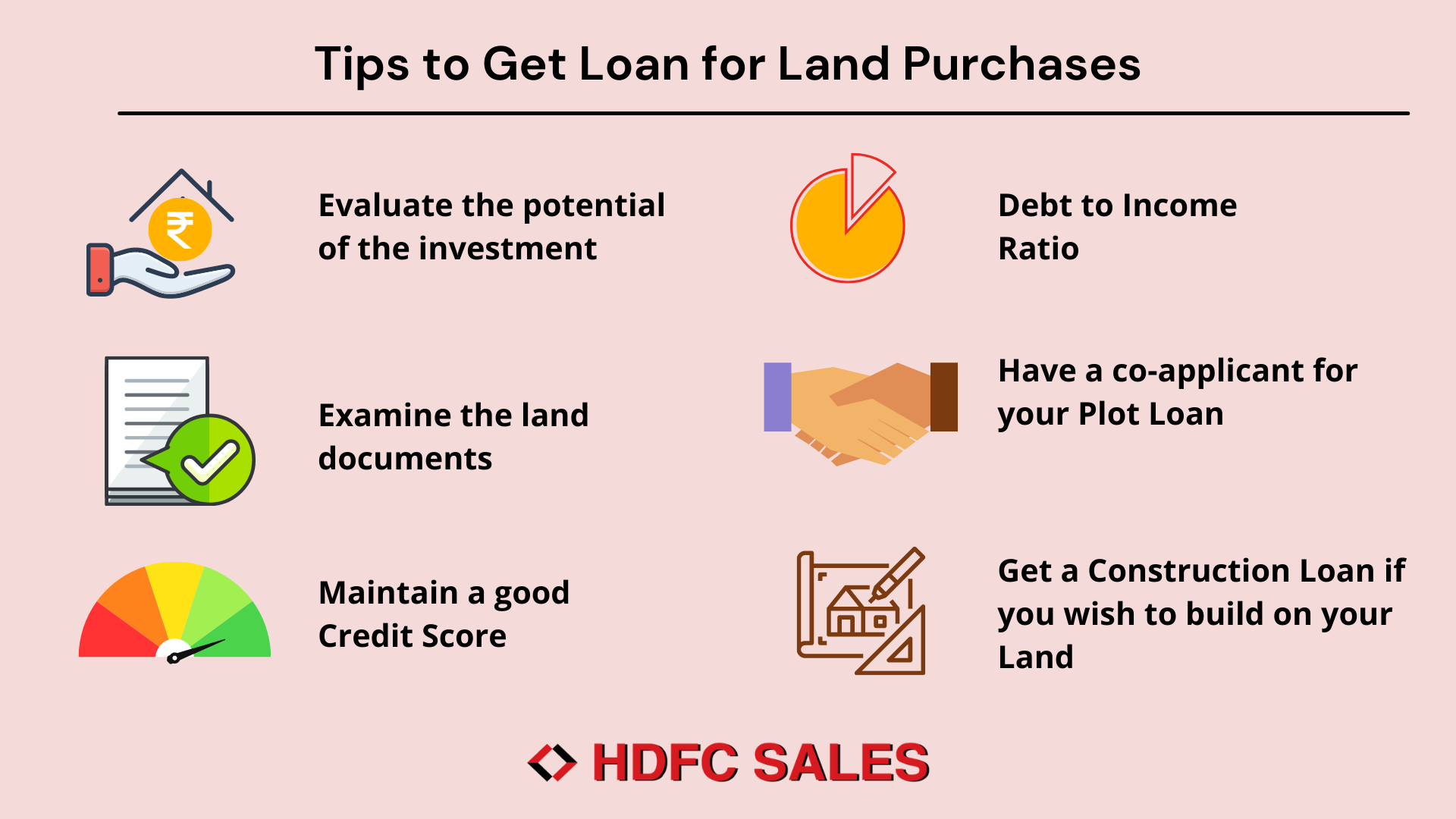
- Zoning Compliance: Is the land zoned for your intended use (residential, agricultural, commercial)? If you plan to build, the lender may require proof that you have researched the local ordinances.
- Utility Access: If utilities are not already present, you must provide a plan and cost estimate for bringing power, water, and sewage systems to the site.
- Environmental Reports: Lenders often mandate a Phase I Environmental Site Assessment to ensure there are no hazardous materials or protected species living on the land that could stall development.
- Surveying: A current land survey is non-negotiable. Lenders must verify the exact boundaries to avoid legal disputes with adjacent property owners.
The Application Process: What to Prepare
To streamline the process with a land loan company, arrive prepared. The "documentation heavy" nature of these loans means that missing items can delay your approval by weeks.
- Project Plan: If you intend to build, have your architectural drawings, budget estimates, and builder contracts ready.
- Credit History: Your credit score is still the bedrock of the application. High credit scores can sometimes negotiate down the higher interest rates inherent to land loans.
- Source of Funds: Lenders will scrutinize where your substantial down payment is coming from. Ensure your liquid assets are verifiable through bank statements.
- Proof of Income: Even if the land is for investment, the lender needs to see that you have the cash flow to service the debt until the project is either completed or sold.
Common Pitfalls and How to Troubleshoot
Many applicants are surprised by the length of the appraisal process. Appraising land is notoriously difficult because "comparable sales" are often sparse, especially in rural areas.
- The Appraisal Gap: If the appraiser cannot find similar plots of land sold in the last six months within a reasonable radius, they may undervalue the property. Troubleshooting: Keep a list of local real estate experts or recent private sales records to provide to your loan officer if the initial appraisal comes in low.
- The Access Problem: Land without legal "deeded access" (a recorded right to cross property to reach yours) is often unlendable. Before applying, ensure the property has a recorded easement. If it does not, you will likely need to resolve this through local legal channels before a bank will touch the deal.
- Incomplete Development Plans: If you tell a lender you plan to build immediately, they may treat the loan as a Construction Loan rather than a Land Loan. Construction loans have different draw schedules and oversight requirements. Be clear about your timeline—if you aren't building for two years, say so.
Frequently Asked Questions
Can I use a government-backed loan for a land purchase? Generally, no. Programs like FHA or VA loans are designed for primary residences with structures. While some rural development loans (like those from the USDA) offer specific programs for building, purchasing raw land for future use usually requires private, commercial, or local portfolio lending.
What is a "balloon payment" and why is it common in land loans? A balloon payment means that while your monthly payments are calculated as if the loan were long-term, the full principal balance is due at the end of a shorter period (e.g., 5 years). Lenders use this to mitigate the risk of being tied to a speculative asset for too long.
Does a land loan company care about the soil quality? Yes. If you plan to build, soil stability and drainage are critical. If the land is in a flood zone or the soil is too unstable to support a foundation, the lender will likely decline the loan because the property is a poor investment.
Can I get a land loan if the property is in a remote area? Lenders are wary of "off-grid" land. Remote properties without access to fire protection, emergency services, or paved roads are viewed as high-risk. Expect to provide a higher down payment or pay a higher interest rate for properties that lack infrastructure.
How long does the land loan approval process take? Because of the complexities of land appraisal and environmental verification, these loans often take longer than home mortgages. Expect 45 to 90 days from application to closing.
Final Recommendation: Due Diligence is Your Responsibility
When seeking a loan for land, treat the process as a business investment rather than a consumer purchase. The most successful borrowers verify the zoning, survey, and utility access before signing a purchase agreement with the seller. Engage with a loan officer who specializes in land specifically; a standard residential mortgage broker may lack the experience to navigate the unique regulatory hurdles of raw, undeveloped real estate. Always confirm that your financial commitment is backed by a clear understanding of the local market and the costs of the eventual development you intend to undertake.
Image Gallery