Understanding the Google AdSense Account: A Comprehensive Guide to Digital Monetization
A Google AdSense account is a specialized merchant profile that allows website owners, YouTube creators, and blog publishers to monetize their digital content by displaying targeted advertisements. By acting as an intermediary, Google...
A Google AdSense account is a specialized merchant profile that allows website owners, YouTube creators, and blog publishers to monetize their digital content by displaying targeted advertisements. By acting as an intermediary, Google uses this account to manage ad delivery, track performance metrics, and facilitate payments from advertisers to the content publisher.
Contents
The Core Mechanics of a Google AdSense Account
To understand what an AdSense account is, one must first grasp its role in the broader digital advertising ecosystem. As of 2026, the digital advertising landscape remains dominated by the relationship between Google Ads (where advertisers pay to show ads) and Google AdSense (where publishers provide space for those ads).
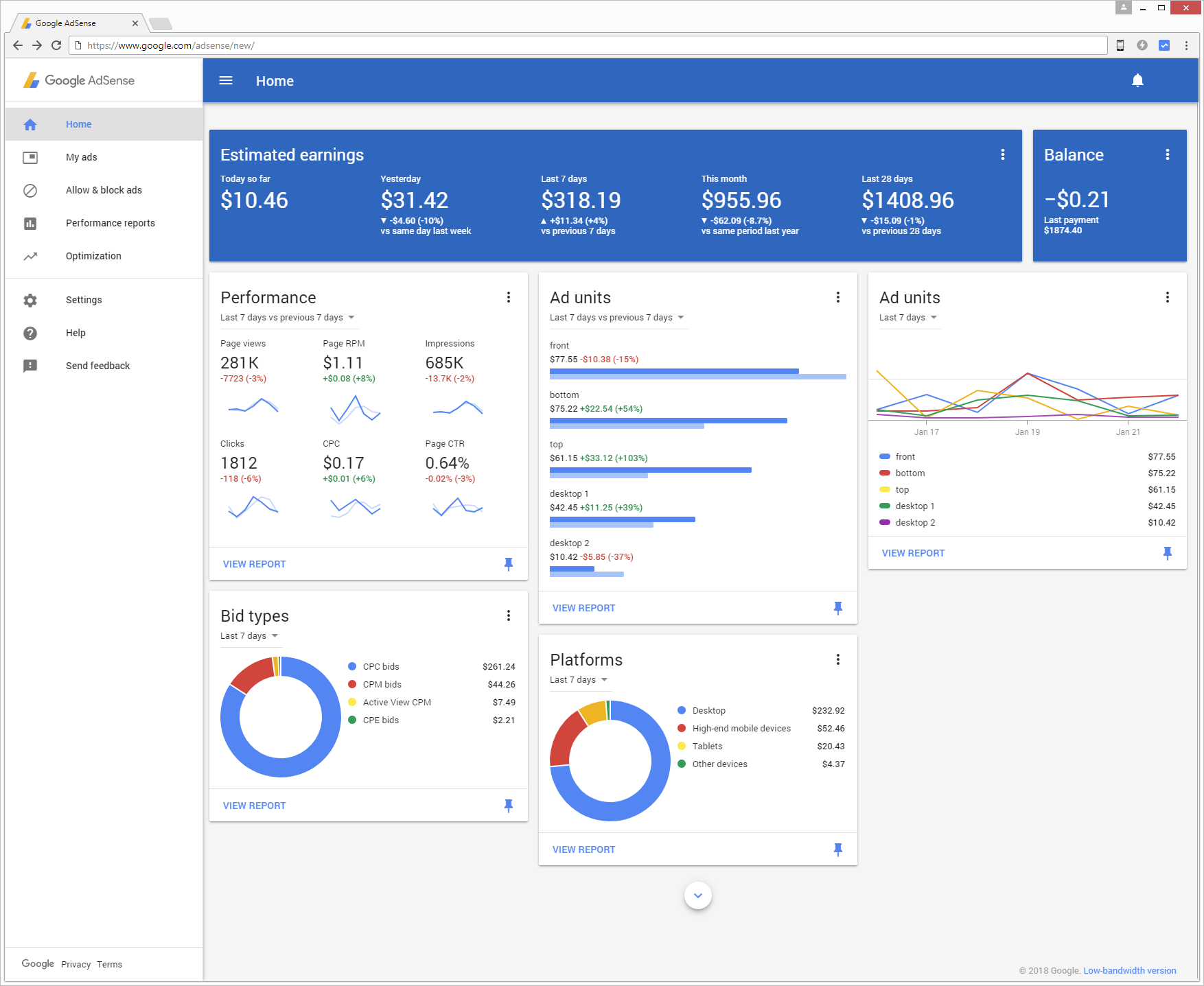
When you open an AdSense account, you are essentially leasing "real estate" on your digital property to Google. Google uses a sophisticated real-time auction system to fill that space with the highest-paying, most relevant advertisements available. The account serves as your command center, providing tools to control where ads appear, what types of ads are allowed, and detailed reporting on how much revenue your content is generating.
The revenue model is primarily based on Cost Per Click (CPC) and Cost Per Mille (CPM). In a CPC model, you earn money when a user interacts with an advertisement. In a CPM model, you earn based on the number of impressions (views) the ad receives. Your AdSense account aggregates these micro-transactions into a balance that is paid out monthly, provided you meet specific verification and threshold requirements.
Primary Account Types and Ownership
When registering for an AdSense account, users must choose between two distinct account types. This decision is critical because, as of 2026, Google typically does not allow publishers to change their account type once it has been verified.
- Individual Accounts: These are designed for single creators, bloggers, and independent developers. The account is tied to a person's legal name, and payments are issued to that individual. Tax documentation must match the individual’s government-issued ID and tax filings.
- Business Accounts: These are intended for corporations, LLCs, or partnerships. The account is registered under a legal business entity, and payments are made to the company bank account. This is the preferred choice for organizations with multiple employees or those looking to scale their publishing operations.
While the functionality and ad types are identical for both, the tax implications and payment recipient requirements differ significantly. Business accounts often require more rigorous documentation during the verification phase, including articles of incorporation or business tax IDs.
Technical and Content Prerequisites for Approval
An AdSense account is not granted automatically; it requires an application and an audit of the publisher's digital property. Google maintains strict "Publisher Policies" to ensure a high-quality environment for advertisers.
Content Quality and Value
Google’s automated crawlers and human reviewers look for "unique and relevant content." In 2026, this means content must demonstrate E-E-A-T (Experience, Expertise, Authoritativeness, and Trustworthiness). Thin content—pages with very little text, automated/AI-generated content without human oversight, or sites that simply curate links—are frequently rejected. Your site must have a clear navigation structure and a significant number of original posts (typically 20–30 high-quality articles) before an account is likely to be approved.
Technical Requirements
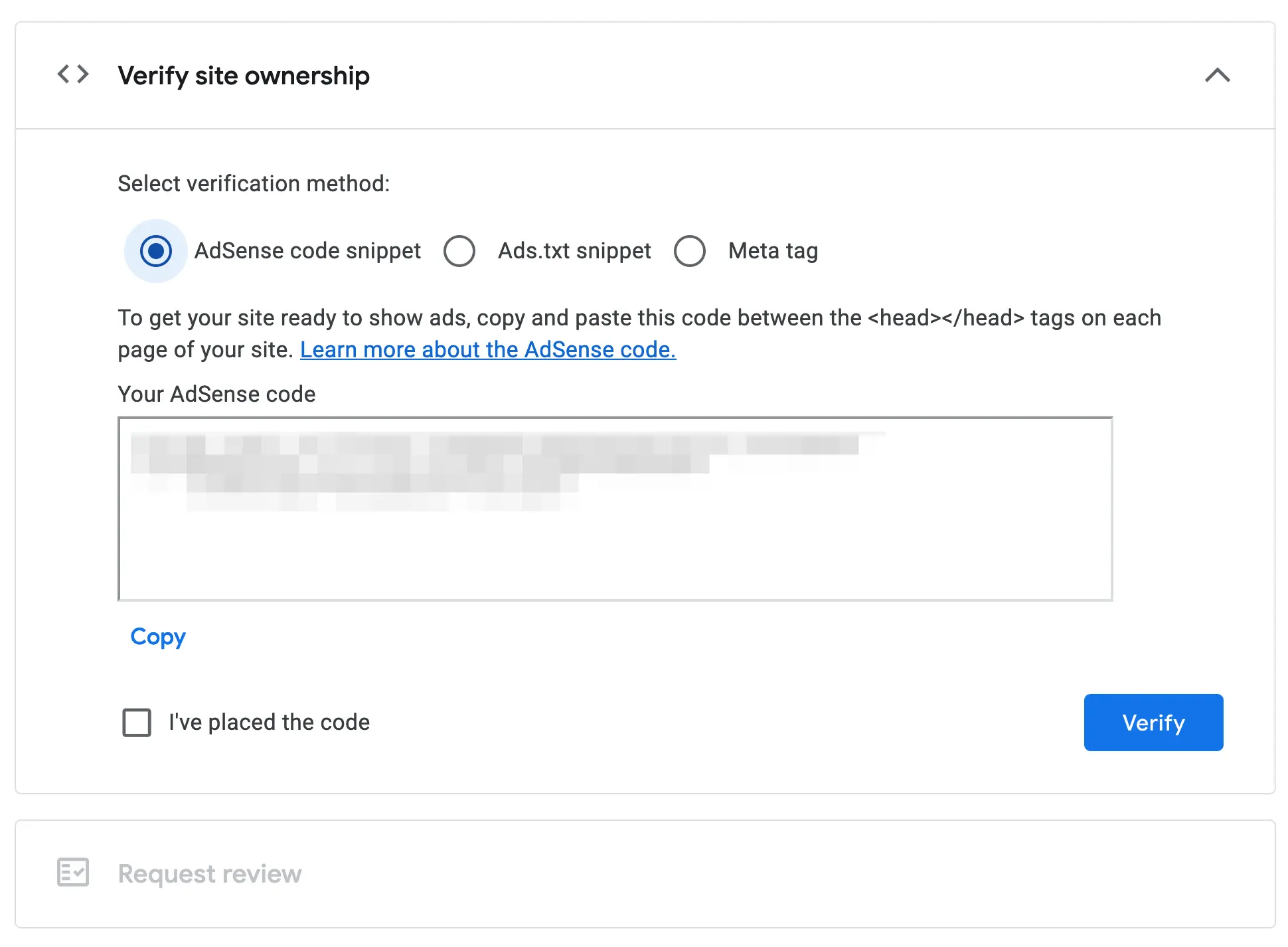
- Site Ownership: You must have access to the HTML source code of your site to place the AdSense code snippet or the
ads.txtfile. - Privacy Policy: Google requires every AdSense-enabled site to have a clear Privacy Policy. This policy must disclose that third parties (like Google) may be placing and reading cookies on your users' browsers to serve ads.
- Age Requirement: The account holder must be at least 18 years old. If a minor creates content, the account must be held and managed by a parent or legal guardian.
- Unsupported Languages: While Google supports dozens of languages, ensuring your content is in a supported language is a mandatory prerequisite for approval.
The AdSense Payment Lifecycle and Thresholds
An AdSense account operates on a specific financial cycle. Understanding these milestones is essential for managing expectations regarding cash flow. Google utilizes "thresholds" in the local currency of the account holder to trigger specific actions.
| Milestone Type | Description | Typical Threshold (USD) |
|---|---|---|
| Identity Verification | Required once your earnings reach a small initial amount. | $10.00 |
| Address Verification (PIN) | Google mails a physical PIN to your registered address to verify your location. | $10.00 |
| Payment Method Selection | The point at which you can enter bank details (EFT/Wire). | $10.00 |
| Payment Threshold | The minimum balance required to trigger a monthly payout. | $100.00 |
| Tax Information | Required for all publishers to determine withholding rates. | Any amount |
Once the $100 threshold is met and all verifications (PIN and Tax) are complete, Google issues payments between the 21st and 26th of the following month. For example, earnings accumulated throughout the month of January are typically deposited into your account in late February.
Critical Account Management and Compliance
Having an AdSense account is a privilege that Google can revoke. The most common reason for account termination is invalid click activity. This includes the publisher clicking their own ads, asking friends or family to click ads, or using automated bots to inflate traffic.
Google’s fraud detection systems are exceptionally sensitive. Even a single day of suspicious activity can lead to a permanent ban. Once an AdSense account is banned for policy violations, it is notoriously difficult to appeal, and the user is often prohibited from ever opening another account under their name or business entity.
Furthermore, publishers must ensure their sites do not host prohibited content. This includes adult content, copyrighted material used without permission, content promoting illegal activities, or "hateful" speech. AdSense provides a "Policy Center" within the account dashboard that alerts publishers to specific pages that are in violation, allowing them to fix the issue before the entire account is jeopardized.
AdSense for Different Platforms
While most people associate AdSense with websites, the account is a multi-faceted tool that integrates with different Google ecosystems:
- AdSense for Content: This is the traditional version used for blogs and news websites. You copy a piece of code into your site's
tag, and Google’s "Auto Ads" technology determines the best placement for maximum revenue. - YouTube Partner Program (YPP): If you are a video creator, your AdSense account is linked to your YouTube channel. Once you meet the YPP requirements (subscribers and watch hours), your AdSense account handles the processing of revenue generated by "skipped" or "unskipped" video ads.
- AdMob: While technically a separate interface, AdMob (for mobile apps) shares the same underlying payment profile as your AdSense account. If you develop apps, your mobile ad revenue is often consolidated into the same payment cycle as your web revenue.
Comparing AdSense to Other Monetization Solutions
For many, AdSense is the entry point into digital publishing, but it is not the only option. As of 2026, many high-traffic publishers use AdSense in conjunction with, or as a fallback for, other networks.
| Feature | Google AdSense | Premium Ad Networks (e.g., Mediavine/Raptive) |
|---|---|---|
| Minimum Traffic | None (though site quality must be high) | High (typically 50,000+ sessions/month) |
| Ease of Use | High (fully automated) | Moderate (requires dedicated setup) |
| Revenue Potential | Variable; often lower for high-traffic sites | Generally higher due to direct sales and optimization |
| Ad Quality | High (Google-vetted advertisers) | Very High (manually curated) |
| Global Reach | Excellent (supports almost every country) | Often limited to English-speaking markets |
Frequently Asked Questions
Can I have more than one AdSense account? No. Google’s terms of service strictly prohibit individuals from owning more than one AdSense account. If you need to manage multiple websites, you can add them all to a single account. However, you can have one "Individual" account and one "Business" account if you are a legitimate business owner.
How long does it take to get an AdSense account approved? The approval process usually takes between 48 hours and two weeks. During this time, Google’s systems analyze your site’s traffic sources and content depth. If your site is rejected, Google will usually provide a general reason (e.g., "Low Value Content"), allowing you to make improvements and reapply.
Does AdSense pay for views or only clicks? AdSense pays for both, though the vast majority of revenue for smaller publishers comes from clicks (CPC). Large publishers with high-authority sites often see a higher percentage of revenue from CPM (cost per thousand impressions) as premium advertisers bid to simply have their brand seen by that specific audience.
Is an AdSense account free? Yes, there is no cost to create or maintain an AdSense account. Google takes a percentage of the ad revenue (typically 32% for content and 45% for YouTube), and the "earnings" shown in your dashboard are your net share.
What is the ads.txt file and is it mandatory?
While not strictly mandatory for account approval, the ads.txt (Authorized Digital Sellers) file is a simple text file you upload to your server. It tells advertisers that you are the authorized seller of the ad space on your domain. Without it, your account may face significant revenue loss as many high-paying advertisers will not bid on "unauthorized" inventory.
Final Recommendation for New Publishers
If you are just starting your journey in digital monetization, a Google AdSense account is the industry standard for a reason. Its ease of integration and reliable payment history make it the best starting point. Your first step should be to focus entirely on content creation. Do not apply for an account until you have at least 20 comprehensive, high-quality articles that solve a specific problem or provide unique value to an audience. Once approved, prioritize "Auto Ads" to let Google's machine learning optimize your placements while you continue to focus on growing your traffic.
Image Gallery