Understanding the Old World and New World Wine Divide
The distinction between Old World and New World wine is a foundational framework for understanding how geography, history, and regulation shape the profile of a wine. Old World wines refer to regions with long-standing viticultural tra...
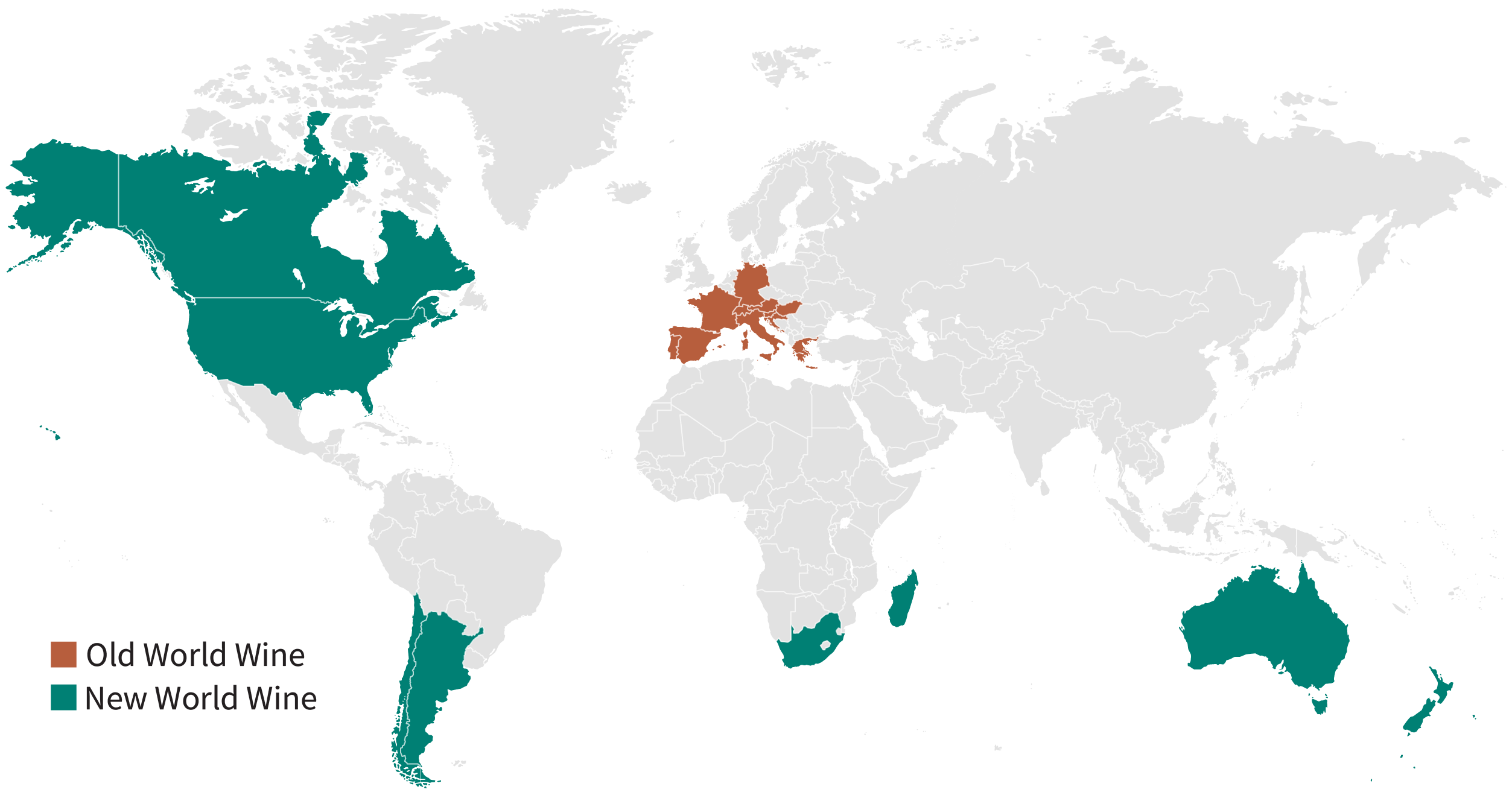
The distinction between Old World and New World wine is a foundational framework for understanding how geography, history, and regulation shape the profile of a wine. Old World wines refer to regions with long-standing viticultural traditions, typically in Europe, whereas New World wines originate from regions where winemaking was introduced via colonial expansion, including the Americas, Oceania, and South Africa.
Contents
The Geographic and Historical Foundations
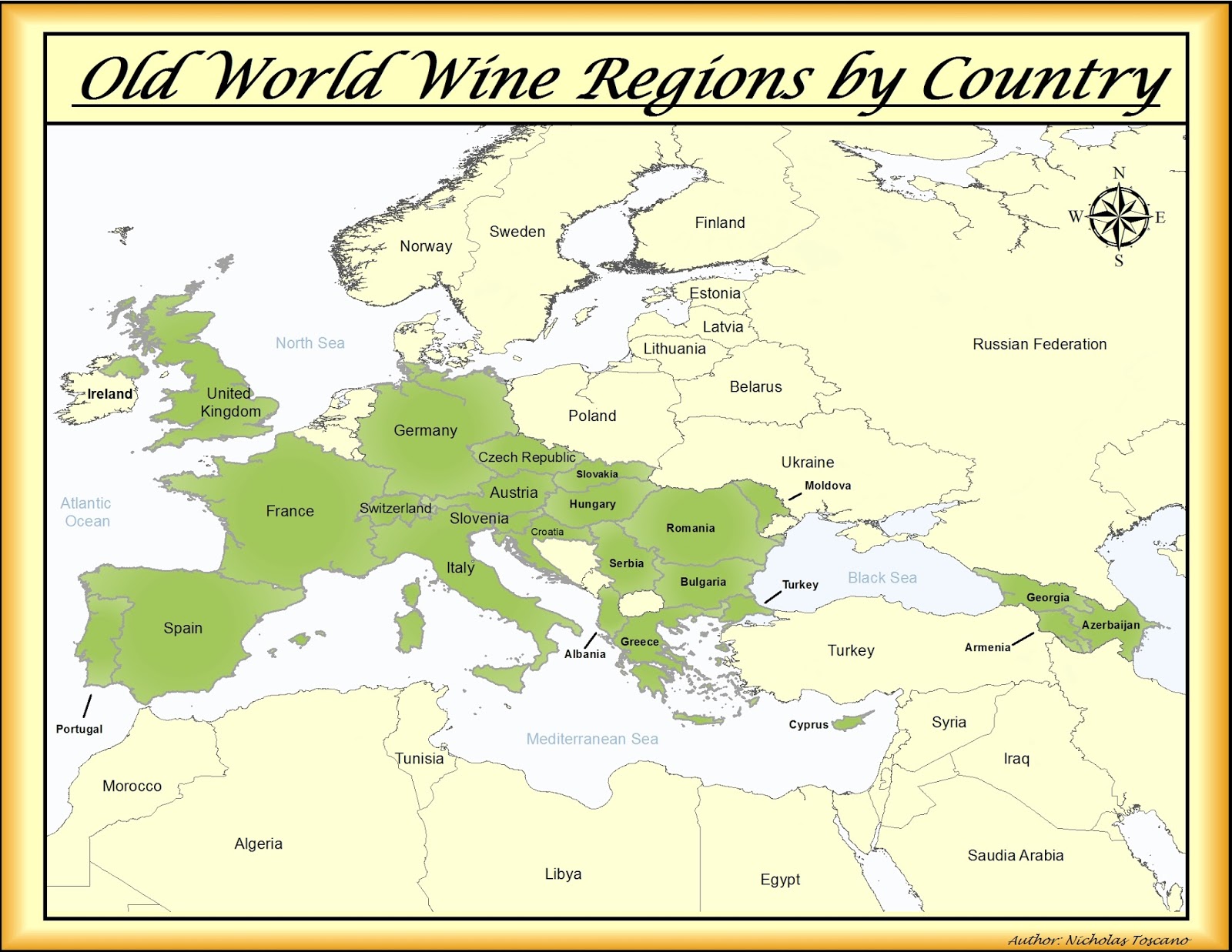
The division between Old World and New World wine is not merely a geographic designation; it is a cultural and regulatory boundary. The "Old World" encompasses the traditional heartlands of winemaking, including France, Italy, Spain, Portugal, Germany, Greece, and Austria. These regions possess thousands of years of recorded viticultural history, often dating back to Roman or even Phoenician influence. The terroir—the total environmental context of a vineyard, including soil, climate, and topography—has been categorized and classified over centuries, leading to rigid regional identities.
Conversely, the "New World" refers to countries that adopted wine production during and after the Age of Discovery. This includes the United States, Australia, New Zealand, Argentina, Chile, and South Africa. While some of these regions have histories of winemaking spanning several hundred years, their modern, globally exported wine industries were largely developed through 19th and 20th-century experimentation and scientific advancement.
Regulatory Frameworks: Appellations vs. Varietal Labeling
One of the most practical ways to distinguish these categories is through their labeling conventions, which are driven by fundamentally different legal requirements.
The Old World Focus on Terroir
In the Old World, wine is synonymous with place. Regulations such as the French Appellation d'Origine Contrôlée (AOC) or the Italian Denominazione di Origine Controllata (DOC) dictate what grapes can be grown, how they are farmed, and how the wine must be processed. Because the consumer is expected to know the characteristics of a specific region (e.g., a Chablis must be Chardonnay, and a Barolo must be Nebbiolo), the label often highlights the village or sub-region rather than the grape variety.
The New World Focus on Varietals
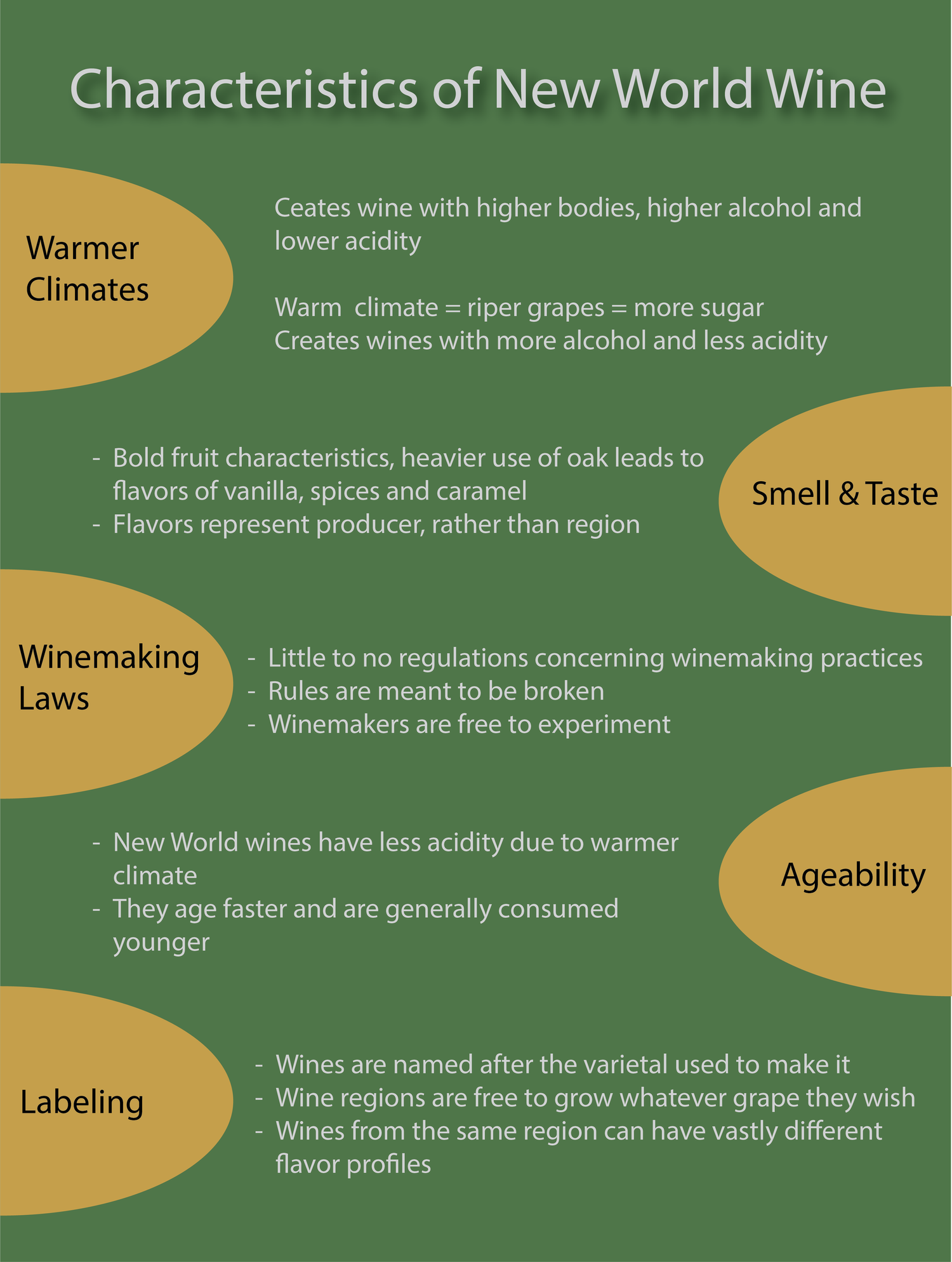
New World producers generally operate with more flexible regulations. The focus is often on the grape variety itself, such as Cabernet Sauvignon, Malbec, or Shiraz. Because these wines are often grown in diverse climates that were not pre-defined by historical regional classifications, marketing the grape variety provides the consumer with a more reliable expectation of the flavor profile, regardless of whether the bottle comes from Napa Valley or the Barossa Valley.
Stylistic Differences in Viticulture and Enology
While globalization has blurred many stylistic lines, historical differences in climate and winemaking philosophy persist.
Traditional Old World Winemaking
Old World wines are frequently characterized by an emphasis on elegance, restraint, and an expression of the environment. Because many European regions are cooler or more variable in climate, the grapes often reach lower sugar levels compared to their warmer, New World counterparts. This typically results in wines with higher acidity, lower alcohol content, and more "earthy" or savory characteristics. The use of oak, while common, is often designed to provide structure rather than to impart aggressive vanilla or toast flavors.
Innovative New World Winemaking
New World winemakers often benefit from more consistent sunshine and warmer growing seasons. This climate stability allows grapes to ripen fully, leading to wines with higher sugar concentrations, which convert into higher alcohol levels. Stylistically, New World wines often emphasize fruit-forward flavors—vibrant berries, tropical fruits, or intense citrus—and are frequently made with a greater openness to modern technological interventions, such as high-tech temperature control and precision viticulture, to ensure consistency across vintages.
Comparative Overview of Wine Classifications
The following table outlines the general tendencies that distinguish these two approaches to wine production.
| Feature | Old World | New World |
|---|---|---|
| Labeling | By region/place | By grape variety |
| Flavor Profile | Earthy, subtle, high acidity | Fruit-forward, bold, lower acidity |
| Alcohol Content | Typically lower | Typically higher |
| Regulation | Strict (AOC, DOC/DOCG) | Flexible (Varietal focus) |
| Focus | Terroir and tradition | Innovation and consistency |
Navigating Modern Market Realities
By 2026, the rigid divide between these categories has become increasingly porous. Many New World producers are now focusing heavily on "site-specific" winemaking, mimicking the Old World obsession with terroir. Conversely, many Old World producers have adopted modern analytical tools and marketing strategies previously associated with the New World to better compete in global markets.
When shopping for wine, it is helpful to look past the binary labels. A "New World" wine from a cool-climate site in New Zealand may exhibit more restraint and acidity than a "Mediterranean" wine from a hot valley in Southern Spain. Understanding the divide provides a starting point for exploration, but it should not serve as an absolute rule for quality or style.
Frequently Asked Questions
Is Old World wine always higher quality than New World wine?
No. Quality is determined by the producer’s skill, the vineyard management, and the specific vintage conditions, rather than the geographic category. Both regions produce exceptional wines at every price point, as well as mediocre ones.
Why do Old World labels often omit the grape variety?
In the Old World, the labeling system is based on the tradition that the specific "terroir" of the region dictates the wine's character. By identifying the region, the label implies the grape composition, as regulations legally restrict what can be planted in those specific areas.
How has technology affected the New World approach?
New World winemakers were early adopters of scientific enology, utilizing data-driven approaches to fermentation and viticulture. This focus on precision helps producers maintain consistent flavor profiles year after year, which is a major commercial advantage in international markets.
Are there exceptions to the Old World vs. New World divide?
Yes, the divide is a general trend rather than a universal rule. Many regions, such as parts of South Africa or Chile, have "Old World" sensibilities regarding site expression, and many European wineries have adopted "New World" marketing techniques by prominently listing grapes on their labels to reach broader audiences.
Should I choose a wine based on whether it is Old World or New World?
Use the divide as a tool for preference. If you enjoy bright, intense fruit flavors, you may find more success in the New World. If you prefer savory, mineral-driven, or subtle wines, the Old World often offers more options. However, let the specific producer and region guide your final selection.
Next Steps for the Discerning Drinker
To gain a practical understanding of these differences, purchase two bottles of the same grape variety—one from a classic Old World region and one from a noted New World region—and taste them side-by-side. For instance, compare a French Chablis (Chardonnay) with a Chardonnay from the Sonoma Coast in California. This comparative tasting will immediately reveal the stylistic variations in acidity, fruit expression, and body that define this historic divide.
Image Gallery