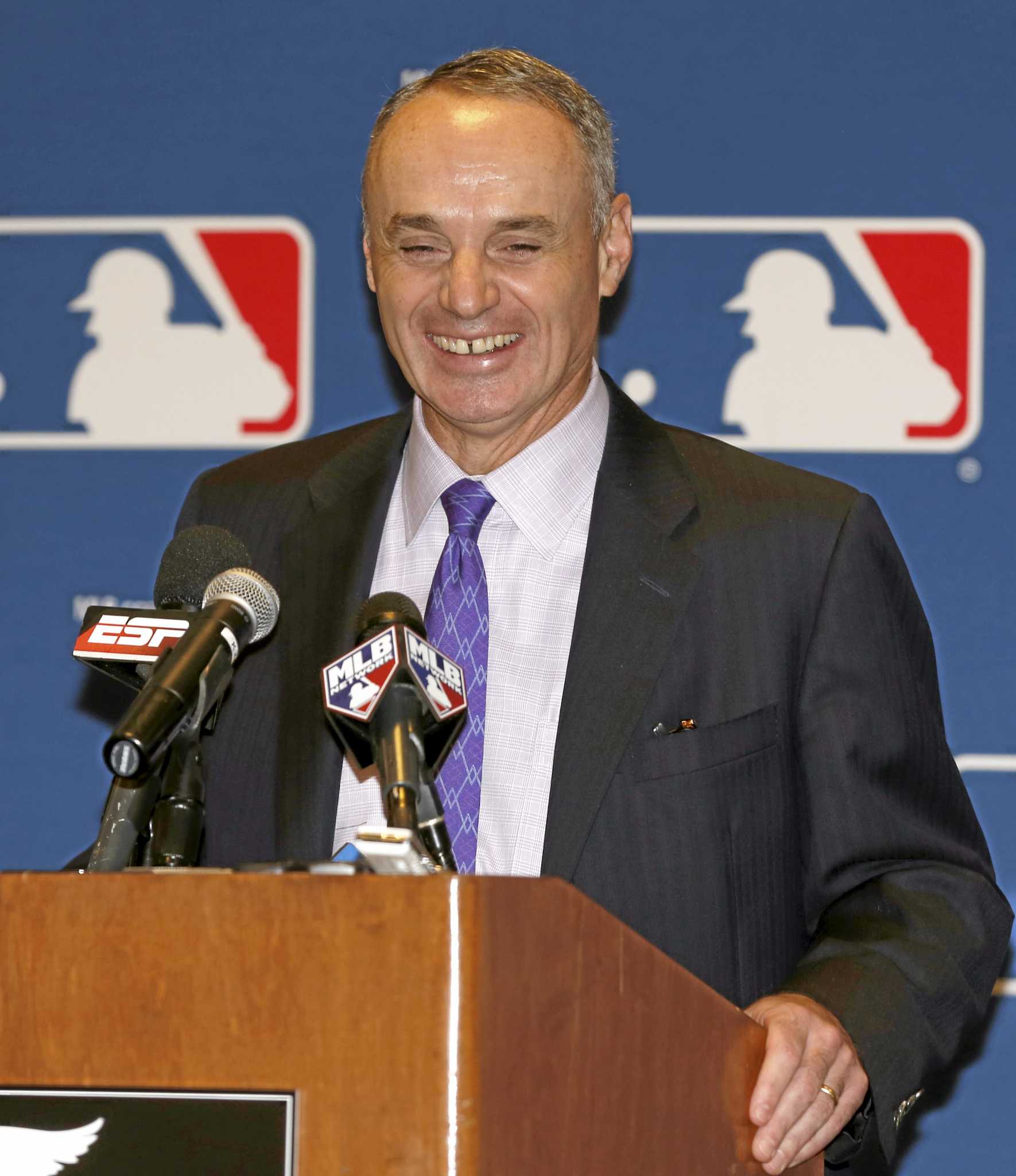
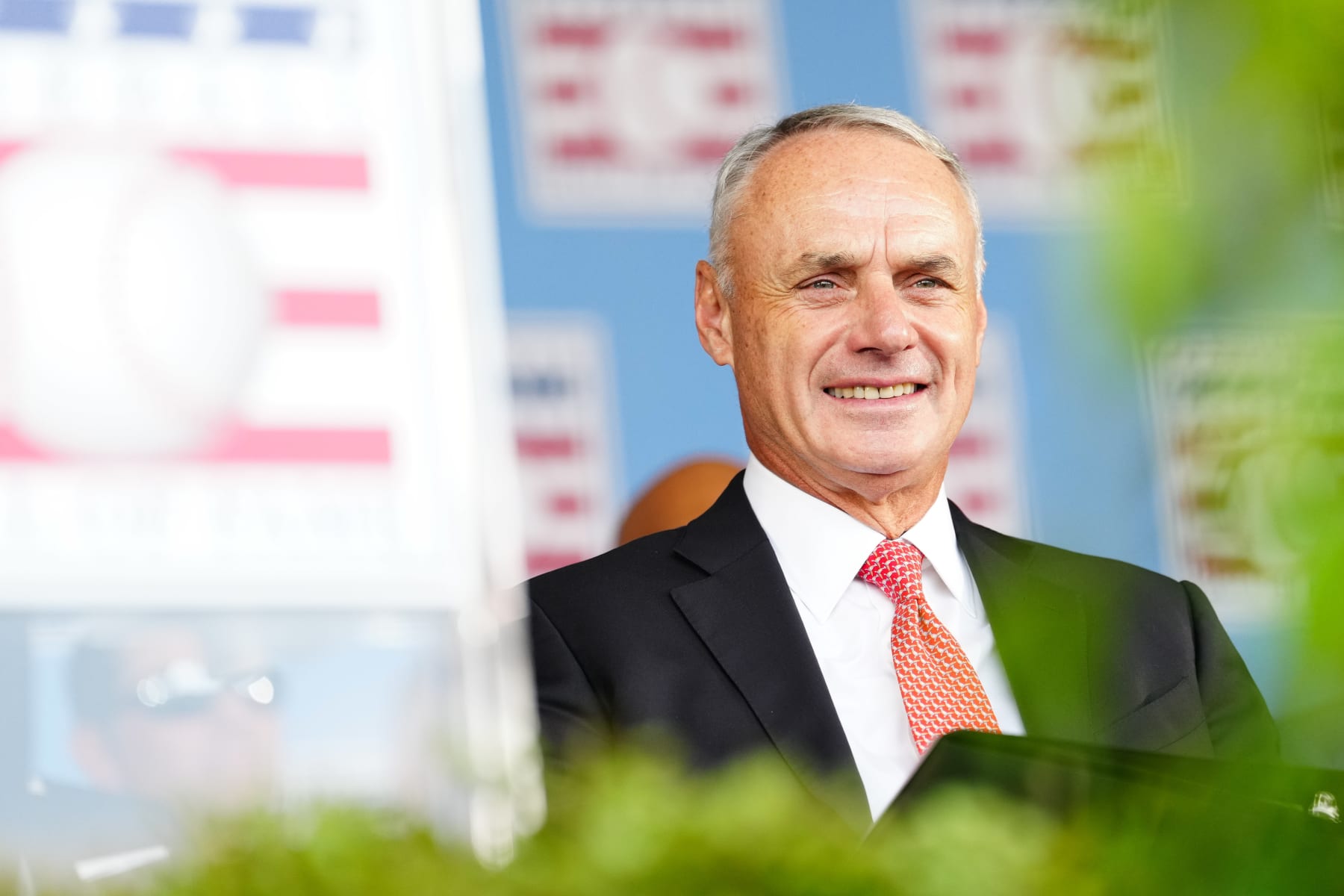
Robert Manfred Jr.: The Legacy and Leadership of the MLB Commissioner
Robert Manfred Jr. is the tenth Commissioner of Major League Baseball (MLB), a position he has held since succeeding Bud Selig in January 2015. As of 2026, Manfred is serving in the final years of his tenure, having navigated the leagu...
Robert Manfred Jr. is the tenth Commissioner of Major League Baseball (MLB), a position he has held since succeeding Bud Selig in January 2015. As of 2026, Manfred is serving in the final years of his tenure, having navigated the league through historic rule changes, labor disputes, and a massive shift in how professional sports are consumed via digital media. Known for his background in labor law, his leadership has been defined by a relentless drive to modernize the "national pastime" and improve the economic efficiency of the 30 franchises.
Contents
The Professional Foundation: From Labor Law to the Commissioner’s Office
Before ascending to the highest office in baseball, Robert Manfred Jr. built a reputation as a formidable negotiator and legal strategist. A graduate of Cornell University’s School of Industrial and Labor Relations and Harvard Law School, Manfred’s entry into the world of Major League Baseball was not as a fan or a former player, but as a specialist in labor relations.
During the late 1980s and early 1990s, Manfred represented MLB as outside counsel during some of the most tumultuous periods in the sport's history, including the 1994-1995 strike. His performance during these negotiations led to a full-time role within the league office in 1998 as Executive Vice President for Economics and League Affairs. In this capacity, he was instrumental in crafting the league's first drug-testing policy and managing the Collective Bargaining Agreements (CBAs) that ensured nearly two decades of labor peace.
His elevation to Chief Operating Officer in 2013 signaled the league’s intent to maintain continuity following Bud Selig’s retirement. When he was elected Commissioner in August 2014, the mandate from the owners was clear: grow the game’s revenue, attract a younger demographic, and resolve the structural inefficiencies that were causing game times to balloon while viewership aged.
Modernizing the Game: The 2023 Rule Revolutions
Perhaps the most visible and controversial aspect of Robert Manfred Jr.’s legacy is the radical transformation of the on-field product. By the early 2020s, baseball faced a "pace of play" crisis. Games were stretching past three hours, and the rise of "three true outcomes" (strikeouts, walks, and home runs) had reduced the amount of "action" on the field.
In 2023, under Manfred’s direction, MLB implemented a suite of rules that represented the most significant changes to the sport in over a century:
- The Pitch Clock: Pitchers and batters were placed on a strict timer. This single change reduced the average game time by approximately 24 minutes in its first season, a metric that has remained consistent through 2026.
- Defensive Shift Restrictions: To encourage more base hits and reward athletic infield play, Manfred pushed for rules requiring two infielders to be on either side of second base.
- Larger Bases: Designed both for player safety and to encourage more aggressive baserunning, the increase in base size led to a measurable spike in stolen base attempts.
While purists initially balked at these changes, the economic and engagement data by 2026 suggest Manfred’s gamble paid off. Attendance across the league saw a resurgence as the "dead time" in games was eliminated, making the sport more palatable for television broadcasts and younger fans with shorter attention spans.
Labor Relations and the 2022 Lockout
Manfred’s tenure has not been without significant friction, particularly regarding the relationship between the owners and the Major League Baseball Players Association (MLBPA). His background as a labor lawyer was put to the ultimate test during the 2021-2022 lockout, the first work stoppage in baseball in 26 years.
The core of the dispute centered on "service time manipulation," the competitive balance tax (CBT), and the minimum salary for younger players. Manfred was often the lightning rod for player frustration, with critics arguing that his approach was too focused on the bottom line of the owners rather than the health of the sport.
The resulting CBA, signed in March 2022, introduced the universal Designated Hitter (DH), an expanded postseason format, and a draft lottery to discourage "tanking." While the lockout was a public relations challenge, Manfred managed to secure a five-year deal that provided the league with stability through the mid-2020s, allowing the office to focus on expansion and media rights.
Economic Evolution: The RSN Crisis and Digital Transition
One of the most complex hurdles of Manfred’s commissionership has been the collapse of the Regional Sports Network (RSN) model. Historically, MLB teams relied heavily on lucrative local television contracts. However, as "cord-cutting" accelerated in the 2020s, many of these networks faced bankruptcy.
Manfred has led the league’s pivot toward a centralized digital streaming strategy. By 2026, the league has moved closer to a "blackout-free" future, where MLB.tv and other proprietary platforms aim to provide fans with direct access to their local teams without the need for a traditional cable subscription. This transition has been painful for some mid-market teams that saw their guaranteed TV revenue vanish, but Manfred’s insistence on a unified digital front is widely seen as the only path toward long-term financial viability.
Relocation and Expansion: Changing the MLB Map
Under Manfred, the league has taken decisive steps toward restructuring its geographic footprint. Two major storylines have dominated this effort:
- The Oakland Athletics’ Move to Las Vegas: After years of stadium deadlocks in Oakland, Manfred supported the Athletics' relocation to Las Vegas. This move, while devastating to the Oakland fan base, followed the trend of professional sports leagues capitalizing on the growing Nevada market.
- The Tampa Bay Rays Stadium Solution: Manfred played a key role in facilitating the deal for a new stadium in St. Petersburg, ensuring the Rays would remain in the Florida market despite years of uncertainty.
As of 2026, Manfred has also laid the groundwork for league expansion. With the "stadium issues" in Oakland and Tampa largely resolved, the league has officially begun the process of vetting cities for two new expansion franchises, with Nashville, Salt Lake City, and Charlotte often cited as frontrunners.
Comparison of MLB Key Metrics: Pre-Manfred vs. 2026 Status
| Metric | 2014 (Pre-Manfred) | 2026 (Current Status) |
|---|---|---|
| Average Game Duration | 3 Hours, 2 Minutes | 2 Hours, 38 Minutes |
| Postseason Format | 10 Teams | 12 Teams |
| Designated Hitter | American League Only | Universal (Both Leagues) |
| Base Size | 15 Inches Square | 18 Inches Square |
| Streaming Access | Heavily Restricted (Blackouts) | Direct-to-Consumer Options |
| Minimum Player Salary | $500,000 | ~$780,000+ (Adjusted via 2022 CBA) |
The Road to 2029: The Final Act
In February 2024, Robert Manfred Jr. announced that he would retire at the end of his current contract, which expires in January 2029. This means that in 2026, the baseball world is beginning to look toward his succession.
His final years are focused on three primary pillars:
- The 2026 World Baseball Classic: Manfred has been a vocal proponent of internationalizing the game, viewing the WBC as the premier vehicle for global growth.
- Finalizing Expansion: The goal is to have the framework for a 32-team league in place before he exits.
- Smoothing the Next CBA: Although the current labor agreement lasts through the 2026 season, Manfred is tasked with setting a foundation that prevents another lockout during the transition to the next commissioner.
FAQ: Understanding Robert Manfred Jr.'s Role
When does Rob Manfred’s term as Commissioner end? Manfred has officially stated he will retire when his current term expires in January 2029. He will have served 14 years in the role, making him one of the longer-tenured commissioners in the modern era.
What is Robert Manfred’s background before baseball? He is a labor lawyer by trade. He practiced at the firm Morgan, Lewis & Bockius before joining MLB full-time. This legal expertise was fundamental in his handling of drug-testing policies and collective bargaining.
How has Manfred changed the rules of baseball? His most significant changes include the implementation of the pitch clock, the banning of defensive shifts, the introduction of the "ghost runner" in extra innings for the regular season, and the universal designated hitter.
Does Rob Manfred work for the players or the owners? Technically, the Commissioner is employed by the 30 team owners. His primary responsibility is to act in the "best interests of baseball," which involves balancing the financial health of the clubs with the growth of the game's popularity and maintaining a functional relationship with the Players Association.
Has the league expanded under Rob Manfred? While the league has not yet added new teams during his tenure, Manfred has cleared the primary obstacles (stadium disputes) that prevented expansion. In 2026, the league is actively pursuing a path to 32 teams.
Summary of Impact and Next Steps
Robert Manfred Jr. will likely be remembered as the "Modernizer" of Major League Baseball. While his tenure has been marked by friction with traditionalists and labor challenges with players, the statistical reality in 2026 shows a sport that is faster, younger, and more digitally integrated than it was a decade ago.
For fans and stakeholders, the next two years are critical. The focus will shift from rule changes to geographic expansion and the selection of his successor. To stay informed on how these changes affect your local team, fans should monitor the updates regarding the 2026-2027 labor negotiations and the official announcements from the Commissioner's Office regarding the expansion bidding process.
Image Gallery