Laser Hair Removal for Teens: What Parents and Adolescents Need to Know in 2026
Laser hair removal has evolved from an exclusive cosmetic luxury into a mainstream dermatological service sought by teenagers navigating puberty, active sports schedules, and social self-esteem challenges. As dermatology clinics and me...
Laser hair removal has evolved from an exclusive cosmetic luxury into a mainstream dermatological service sought by teenagers navigating puberty, active sports schedules, and social self-esteem challenges. As dermatology clinics and medical spas modernize their equipment for the 2026 technological standards, younger patients and their parents increasingly evaluate the safety, efficacy, and timing of permanent hair reduction procedures. Navigating this journey requires balancing biological readiness with psychological maturity, ensuring that clinical decisions align with professional medical guidelines.
Contents
Understanding Adolescent Biology and Hair Growth Cycles
To evaluate laser hair removal for teenagers, one must first examine the physiological mechanisms governing human hair growth. Human hair develops through three distinct phases: the anagen (growth) phase, the catagen (transition) phase, and the telogen (resting) phase. Laser systems target melanin within the hair follicle strictly during the active anagen phase using selective photothermolysis.
Puberty introduces surges in androgens—specifically testosterone and dehydroepiandrosterone (DHEA)—which actively stimulate secondary sexual hair growth. In teens, hormone levels frequently fluctuate as the endocrine system matures.
- The Anagen Challenge: Because hormonal instability triggers dormant follicles to produce new hair, treatments performed during active puberty may yield lower long-term efficacy compared to adult procedures.
- Follicular Density: Younger patients often possess higher follicular density, which can influence both the energy settings required by the laser technician and the overall discomfort level during the session.
- Skin Phototypes: Adolescents with varying Fitzpatrick skin types (I through VI) require specific laser wavelengths, such as Alexandrite (755 nm) for lighter skin, Diode (810 nm) for intermediate tones, and Nd:YAG (1064 nm) for deeper skin tones, to prevent thermal injury to the epidermis.
Safety Protocols, Parental Consent, and Clinical Evaluation
Performing aesthetic laser procedures on minors involves strict legal and medical boundaries. Medical-grade lasers are classified as Class IV medical devices. Consequently, dermatologists and licensed aesthetic practitioners adhere to rigorous safety protocols before initiating any treatment plan for a teen.
Medical Disclaimer: Minors under the age of 18 legally require signed informed consent from a parent or legal guardian. Furthermore, an initial consultation must include a comprehensive medical history review to screen for photosensitizing medications, active dermatoses, or systemic endocrine disorders like polycystic ovary syndrome (PCOS).
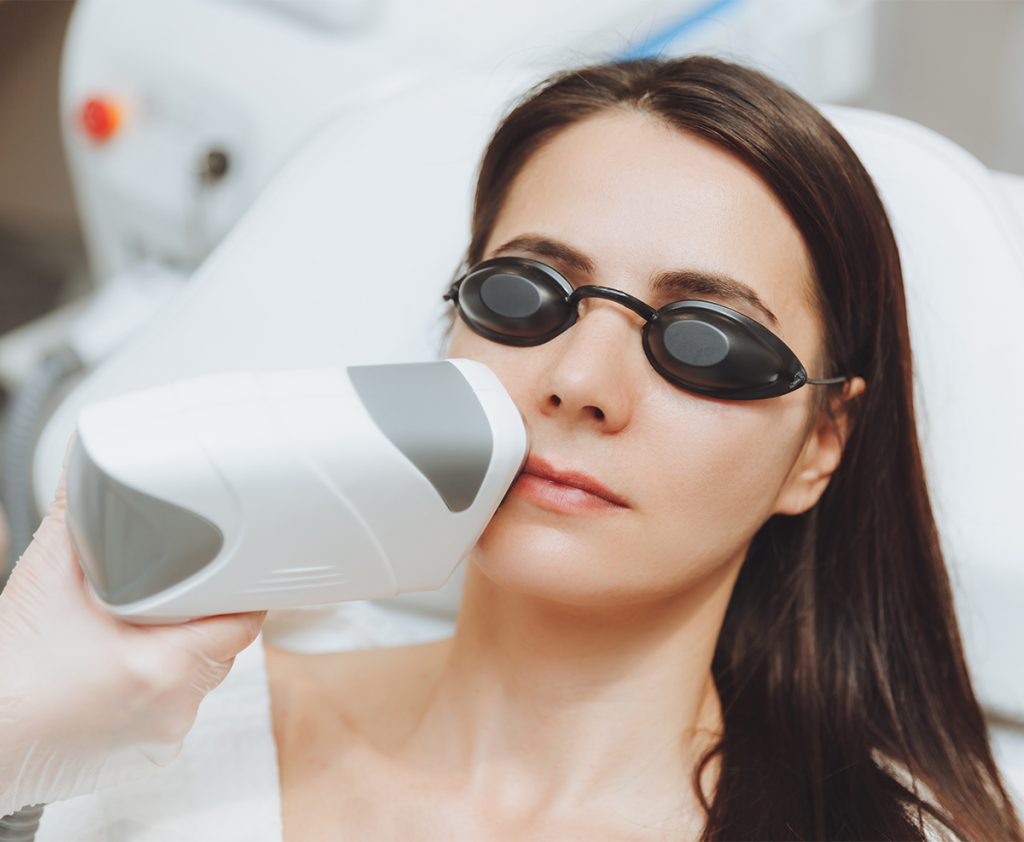
Before undergoing treatment, practitioners evaluate whether the teen can tolerate the physical sensation of the laser pulse, which patients frequently describe as a warm snapping rubber band. Topical anesthetics can be applied 30 to 45 minutes prior to the session to minimize discomfort on sensitive areas like the upper lip, underarms, or bikini line.
Evaluating Treatment Areas, Efficacy, and Realistic Expectations
Teenagers and their parents must establish realistic expectations regarding permanent hair reduction rather than absolute hair elimination. While lasers permanently destroy a significant percentage of actively growing follicles, hormonal shifts during adolescence can stimulate the development of new, fine vellus hairs over time.
| Treatment Zone | Average Session Count | Estimated Interval | Typical Efficacy & Considerations |
|---|---|---|---|
| Upper Lip & Chin | 6 to 10 sessions | 4 to 6 weeks | High hormonal vulnerability; maintenance touch-ups often required post-puberty. |
| Underarms | 6 to 8 sessions | 6 to 8 weeks | Excellent response rate due to coarse hair texture and stable hormonal response. |
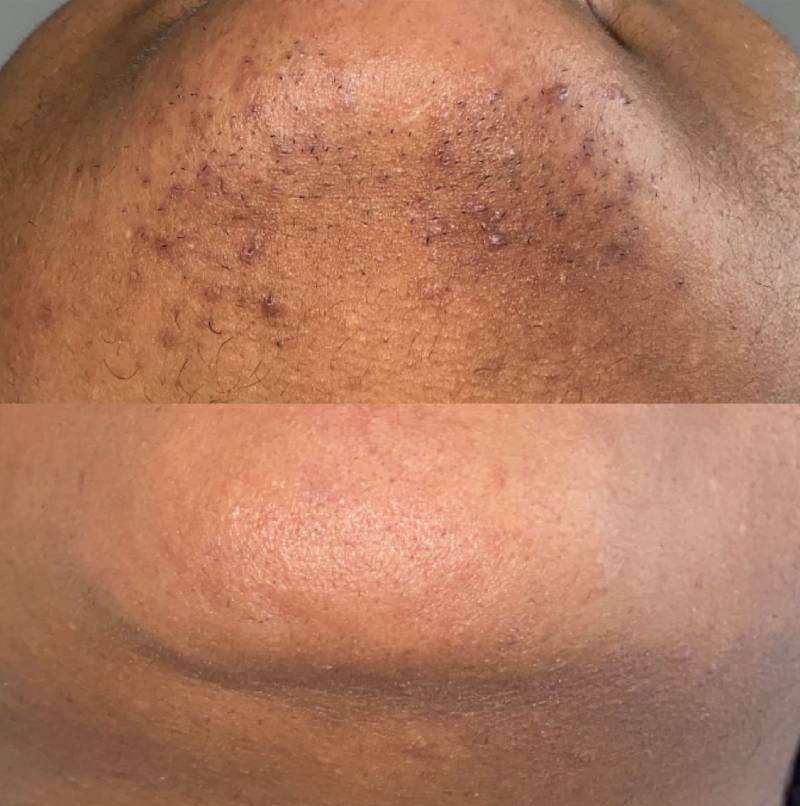
| Lower Legs | 6 to 8 sessions | 8 to 10 weeks | Highly effective; excellent reduction of razor burn and folliculitis. |
| Back & Chest | 8 to 12 sessions | 8 to 10 weeks | Often influenced by ongoing male adolescent maturation; requires patience. |
Comparative Analysis: Traditional Hair Removal vs. Laser Technology
Adolescents historically rely on temporary methods like shaving, waxing, chemical depilatories, and epilators. Comparing these methods against laser hair removal highlights distinct financial, dermatological, and time-investment differences.
| Feature | Shaving & Waxing | Laser Hair Removal |
|---|---|---|
| Duration of Results | Hours to weeks (temporary) | Long-term reduction (permanent decrease in density) |
| Skin Trauma Risk | High risk of cuts, razor burn, and ingrown hairs (pseudofolliculitis barbae) | Low risk when performed by certified professionals; transient erythema |
| Long-Term Cost | Low upfront cost, but accumulates significantly over decades | Higher initial investment, but decreases recurring grooming expenses |
| Time Commitment | Continuous weekly or monthly routine | Finite series of sessions (typically 6-8), followed by rare touch-ups |
Step-by-Step Guide for Teens and Parents Considering Treatment
Embarking on a laser hair removal regimen requires careful preparation and adherence to post-treatment care guidelines to ensure optimal clinical outcomes and prevent adverse events such as post-inflammatory hyperpigmentation or blistering.
- Schedule a Professional Consultation: Book an appointment with a board-certified dermatologist or a certified laser practitioner working under direct physician supervision. Avoid unregulated day spas that lack proper medical oversight.
- Perform a Patch Test: Ensure the clinic performs a test spot on the target treatment area at least 24 to 48 hours prior to the full session to assess skin reactivity and calibrate optimal energy fluency.
- Avoid Sun Exposure and Tanning: Protect the treatment area from natural sunlight and UV tanning beds for at least four to six weeks before and after sessions. Tanned skin contains competing melanin, which increases the risk of burns.
- Shave, Do Not Wax: Shave the treatment area 24 hours prior to the appointment. Never wax, pluck, or use epilators, as the laser requires an intact hair root (follicle) beneath the skin surface to target effectively.
- Follow Post-Care Protocols: Apply soothing agents such as pure aloe vera gel or recommended medical-grade post-laser creams. Avoid rigorous exercise, hot showers, saunas, and swimming pools for 24 to 48 hours post-treatment.
Frequently Asked Questions
What is the minimum age required for a teenager to get laser hair removal?
There is no strict universal age minimum set by medical boards, but most dermatologists prefer patients to be at least post-pubescent, typically starting around 14 to 16 years old, depending on hormonal stability and emotional maturity. Parental consent is mandatory for all minors under 18.
Is laser hair removal safe for developing adolescent skin?
Yes, when performed by trained medical professionals using modern equipment calibrated correctly for the teen's skin type, laser hair removal is entirely safe and does not damage internal organs or disrupt normal systemic development.
Will the hair grow back if the teen undergoes hormonal changes?
While laser hair removal permanently reduces hair density, significant future hormonal shifts during late adolescence or adulthood can occasionally stimulate dormant or new follicles to produce fine vellus hairs, requiring occasional annual touch-up sessions.
Does laser hair removal hurt for younger patients?
Sensations vary depending on pain tolerance and the treatment area, but modern lasers feature integrated cooling tips or dynamic cooling devices that minimize discomfort, making the procedure feel similar to a quick snapping sensation against the skin.
Can teens with darker skin tones safely receive laser treatments?
Yes, clinics utilizing specialized long-pulsed Nd:YAG lasers (1064 nm wavelength) can safely and effectively treat darker skin phototypes (Fitzpatrick IV through VI) by bypassing epidermal melanin and targeting the hair follicle safely.
How should parents choose a reputable clinic for their teen?
Parents should verify that the facility is overseen by a licensed medical director (such as a dermatologist or plastic surgeon), ensure the technicians hold valid state laser certifications, and check for transparent consultation practices that prioritize patient education over sales quotas.
Empowering Informed Aesthetic Decisions
Deciding to pursue laser hair removal during the teenage years is a personal choice that combines aesthetic self-care with practical dermatological health benefits, such as eliminating chronic razor burn and ingrown hairs. By consulting with qualified medical professionals, understanding the underlying biological and hormonal factors, and adhering to strict pre- and post-treatment protocols, families can ensure a safe, comfortable, and empowering experience. To explore a personalized treatment plan and schedule a professional adolescent skin assessment for 2026, contact a board-certified dermatologist in your local area today.
Image Gallery