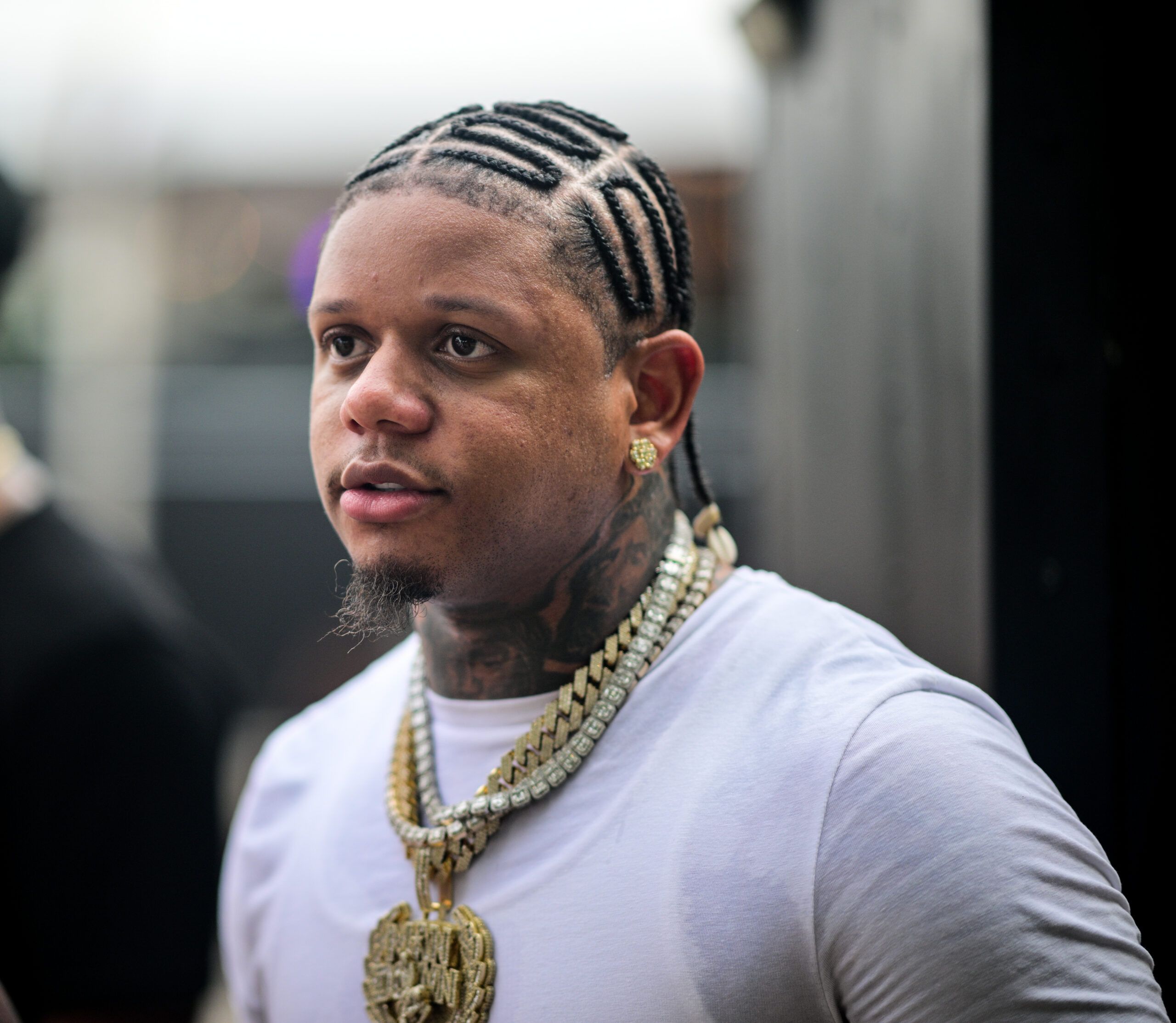
Why the Boosie and Yella Beezy Collaboration Matters
The collaboration between Boosie Badazz and Yella Beezy represents a pivotal bridge between the foundational "pain music" of Louisiana and the modern melodic trap movement of North Texas. This partnership matters because it solidifies...
The collaboration between Boosie Badazz and Yella Beezy represents a pivotal bridge between the foundational "pain music" of Louisiana and the modern melodic trap movement of North Texas. This partnership matters because it solidifies the cultural and sonic corridor between Baton Rouge and Dallas, preserving the regional authenticity of Southern hip-hop while demonstrating the commercial viability of multi-generational street narratives in 2026.
Contents
The Cultural Significance of the Baton Rouge-Dallas Connection
To understand why a Boosie and Yella Beezy collaboration carries weight, one must first understand the historical "cousin" relationship between Louisiana and Texas rap. For decades, the I-20 and I-10 corridors have served as a pipeline for music, culture, and family ties. When Boosie Badazz, a legend who defined the Baton Rouge sound in the early 2000s, joins forces with Yella Beezy, who spearheaded the Dallas resurgence in the late 2010s, it is more than just a musical recording; it is a diplomatic gesture between two Southern powerhouses.
In the current landscape of 2026, hip-hop has often been criticized for becoming overly homogenized due to the influence of social media algorithms. However, Boosie and Yella Beezy have consistently resisted these trends. Their work together serves as a reminder that regional identity still dictates the soul of the genre. Boosie brings a high-pitched, urgent delivery that conveys survival and struggle, while Yella Beezy contributes a smooth, rhythmic cadence that represents the "hustle" and the rewards that come with it.
Preserving the "Pain Music" Legacy
"Pain music" is a specific subgenre of Southern rap that focuses on the hardships of poverty, systemic incarceration, and the loss of loved ones. Boosie Badazz is arguably the primary architect of this style. By collaborating with Yella Beezy, who has also faced significant real-life adversity—including surviving a high-profile shooting in 2018—the duo reinforces the validity of this narrative.
This collaboration matters because it provides a blueprint for younger artists. It shows that street rap does not have to be purely antagonistic; it can be a shared journal of resilience. In songs like "Ghetto," the two artists don't just trade verses; they trade experiences that resonate with a specific demographic of listeners who see their own lives reflected in the lyrics.
Bridging the Generational Divide in Southern Hip-Hop
The age and era gap between Torrence Hatch Jr. (Boosie) and Markies Conway (Yella Beezy) is significant. Boosie began his career with the Concentration Camp and Trill Entertainment in the late 1990s, while Yella Beezy’s mainstream ascent occurred nearly 20 years later. In an industry that often discards veterans in favor of "the next big thing," this collaboration is a testament to Boosie’s enduring relevance and Yella Beezy’s respect for the pioneers.
Mentorship and Mutual Respect
Unlike many forced collaborations engineered by major labels, the Boosie and Yella Beezy partnership feels organic. It signals a "passing of the torch" while keeping the flame alive for both. For Yella Beezy, working with a legend like Boosie provides a stamp of "street credibility" that is difficult to manufacture. For Boosie, collaborating with Beezy keeps him connected to the modern sounds and younger fanbases of 2026.
This synergy is vital for the health of the genre. When veterans and contemporary stars work together, it creates a sense of continuity. It prevents the genre from fracturing into "old head" vs. "mumble rap" camps, showing that the core tenets of Southern storytelling remain unchanged across decades.
Technical Analysis of Production and Sonic Styles
The technical chemistry between these two artists is a primary reason why their collaborations matter to audiophiles and critics alike. Southern rap often relies on specific production elements: heavy 808s, soulful piano loops, and sharp snare hits.
Contrast in Delivery
| Feature | Boosie Badazz | Yella Beezy |
|---|---|---|
| Vocal Pitch | High-tenor, piercing | Mid-range, melodic |
| Flow Style | Rapid-fire, staccato | Rhythmic, "bouncing" |
| Lyric Focus | Social commentary, survival | Lifestyle, triumph, resilience |
| Regional Sound | Louisiana "Ratchet" / Soul | Texas "Bounce" / Trap |
The contrast between Boosie’s raspy, emotive vocals and Yella Beezy’s melodic, almost sing-song approach creates a balanced listening experience. On tracks like "Keep It 100," the production allows Boosie to handle the "grit" of the verses while Yella Beezy often provides a hook that is catchy enough for radio and club play without losing its edge. This technical balance allows their music to perform well across multiple platforms, from street-level mixtapes to digital streaming playlists.
Independent Business Models and Industry Autonomy
Another reason this collaboration matters is the business philosophy shared by both men. Both Boosie Badazz and Yella Beezy have navigated the music industry with a strong emphasis on independence and ownership. Boosie, through his Bad Azz Music Syndicate, and Yella Beezy, through his ties to Hitman Music Group, have demonstrated that artists can maintain a high level of influence without being entirely beholden to the traditional major label system.
By collaborating, they leverage their collective independent fanbases. This "unionization" of independent stars is a trend that has defined the 2020s. It allows for higher profit margins and total creative control over the music videos, marketing, and distribution. When they drop a project together, they aren't just releasing music; they are executing a strategic business move that bypasses traditional gatekeepers.
Impact on Regional Tourism and Economics
Music collaborations often lead to cross-promotional events. The Boosie and Yella Beezy partnership has historically led to sold-out shows in cities like Shreveport, Dallas, Houston, and New Orleans. This matters because it drives the local "nightlife economy." In 2026, the live performance sector remains the primary revenue stream for rap artists, and a joint bill featuring these two guarantees a massive turnout from the "Dirty South" faithful.
Authentic Storytelling in the Age of Artificial Intelligence
As we move further into 2026, the music industry is grappling with the rise of AI-generated vocals and ghostwritten lyrics. In this climate, the Boosie and Yella Beezy collaboration matters more than ever because it is fundamentally "AI-proof."
The specific life experiences—incarceration, loss, regional slang, and local references—that these two bring to the table cannot be authentically replicated by a machine. Their collaboration serves as a bastion for "human-centric" music. Listeners gravitate toward them because they know the stories being told are backed by real-world consequences. This authenticity is the "gold standard" of hip-hop, and Boosie and Beezy are among its most prominent guardians.
Frequently Asked Questions
What was the first major song Boosie and Yella Beezy did together?
While they have appeared on various remixes and regional tapes, their significant early collaboration that garnered national attention was "Ghetto." The track highlighted their shared upbringing and established the sonic template for their future work, blending soulful production with hard-hitting street narratives.
Why do fans call their music "Pain Music"?
"Pain Music" refers to the emotional honesty in their lyrics. It focuses on the internal and external struggles of living in underserved communities. Boosie is often cited as the "king" of this style, and Yella Beezy has adopted similar themes in his more reflective tracks, making their collaboration a natural fit for this subgenre.
Are Boosie and Yella Beezy from the same city?
No. Boosie Badazz is a native of Baton Rouge, Louisiana. Yella Beezy is from the Oak Cliff neighborhood of Dallas, Texas. However, the two cities share a very similar cultural and musical heritage, often referred to as the "Southwest connection."
How has their collaboration impacted the Dallas music scene?
Boosie’s endorsement of Yella Beezy helped solidify Dallas as a major player in the national rap scene. For a long time, Texas rap was dominated by Houston. The Boosie-Beezy connection helped shine a light on the unique "Triple D" (Dallas) sound, encouraging more collaborations between Louisiana legends and North Texas rising stars.
Do they have a full-length collaborative album?
While they have teased joint projects over the years and appeared on numerous tracks together, their collaborative output is mostly found in high-profile singles and mutual features on each other’s solo albums. Fans in 2026 continue to advocate for a full-length "Best of Both Worlds" style Southern project.
Future Outlook and Next Actions
The Boosie and Yella Beezy collaboration is a vital case study in regional hip-hop synergy. For fans and industry observers, the next logical step is to monitor how this partnership influences the next generation of artists from the South.
If you are a fan of authentic Southern storytelling, you should:
- Explore the "Ghetto" Remix: Analyze the lyrical interplay to see how they handle shared themes.
- Support Independent Labels: Follow Bad Azz Music Syndicate and Hitman Music Group to understand the business side of their success.
- Attend Regional Tours: Experience the energy of a Dallas-Baton Rouge link-up in a live setting, as the chemistry between these two is most evident on stage.
This collaboration matters because it ensures that the "Dirty South" remains a dominant force in music, rooted in history but always moving forward.
Image Gallery