What the Coca-Cola Secret Formula Is and How the Legend Persists
The Coca-Cola secret formula is a proprietary, century-old recipe for the flavoring syrup used to manufacture Coca-Cola, famously guarded as one of the world's most successful trade secrets. While the broad ingredients—such as sugar, c...
The Coca-Cola secret formula is a proprietary, century-old recipe for the flavoring syrup used to manufacture Coca-Cola, famously guarded as one of the world's most successful trade secrets. While the broad ingredients—such as sugar, caramel color, phosphoric acid, caffeine, and natural flavorings known collectively as "Merchandise 7X"—are publicly known through ingredient lists and regulatory filings, the exact proportions, blending sequence, and botanical origins remain strictly confidential.
Contents
Understanding the reality behind the Coca-Cola secret formula requires separating verified corporate history from the vast landscape of urban legends, patent misunderstandings, and marketing lore. For over a century, The Coca-Cola Company has utilized extreme physical security, strategic legal structures, and cultural mystique to protect its flagship asset. Examining how this formula was created, how it is safeguarded, and what analytical chemistry reveals about its composition provides a clear picture of how corporate secrecy functions in the modern global economy.
Historical Origins and the Evolution of Merchandise 7X
The original syrup recipe was formulated by John Stith Pemberton, an Atlanta pharmacist and former Confederate cavalry officer, in May 1886. Pemberton initially developed a beverage called Pemberton’s French Wine Coca, which blended coca leaves, kola nuts, and damiana. When Atlanta enacted local temperance legislation in 1886 prohibiting the sale of alcohol, Pemberton modified the formula to create a non-alcoholic version, dropping the wine and incorporating carbonated water, sugar syrup, and extracts derived from the coca leaf and the kola nut.
Following Pemberton’s death and financial struggles, businessman Asa Griggs Candler acquired the rights to the formula and established The Coca-Cola Company in 1892. Candler standardized the manufacturing process and began shipping syrup concentrates to regional bottling plants across the United States. During this transition, the recipe underwent subtle iterations to improve shelf life, taste consistency, and cost efficiency.
Central to the recipe is "Merchandise 7X," a proprietary blend of flavoring oils added to the base syrup. According to historical records and archival documents preserved by the company, Merchandise 7X constitutes a minute fraction of the total syrup volume—often cited as less than one percent—yet it defines the distinctive aromatic and taste profile of the beverage. The exact components of Merchandise 7X historically included oils of orange, lemon, nutmeg, cinnamon, coriander, and neroli, combined in precise, closely guarded ratios.
Security Measures and the Myth of the Single Custodian
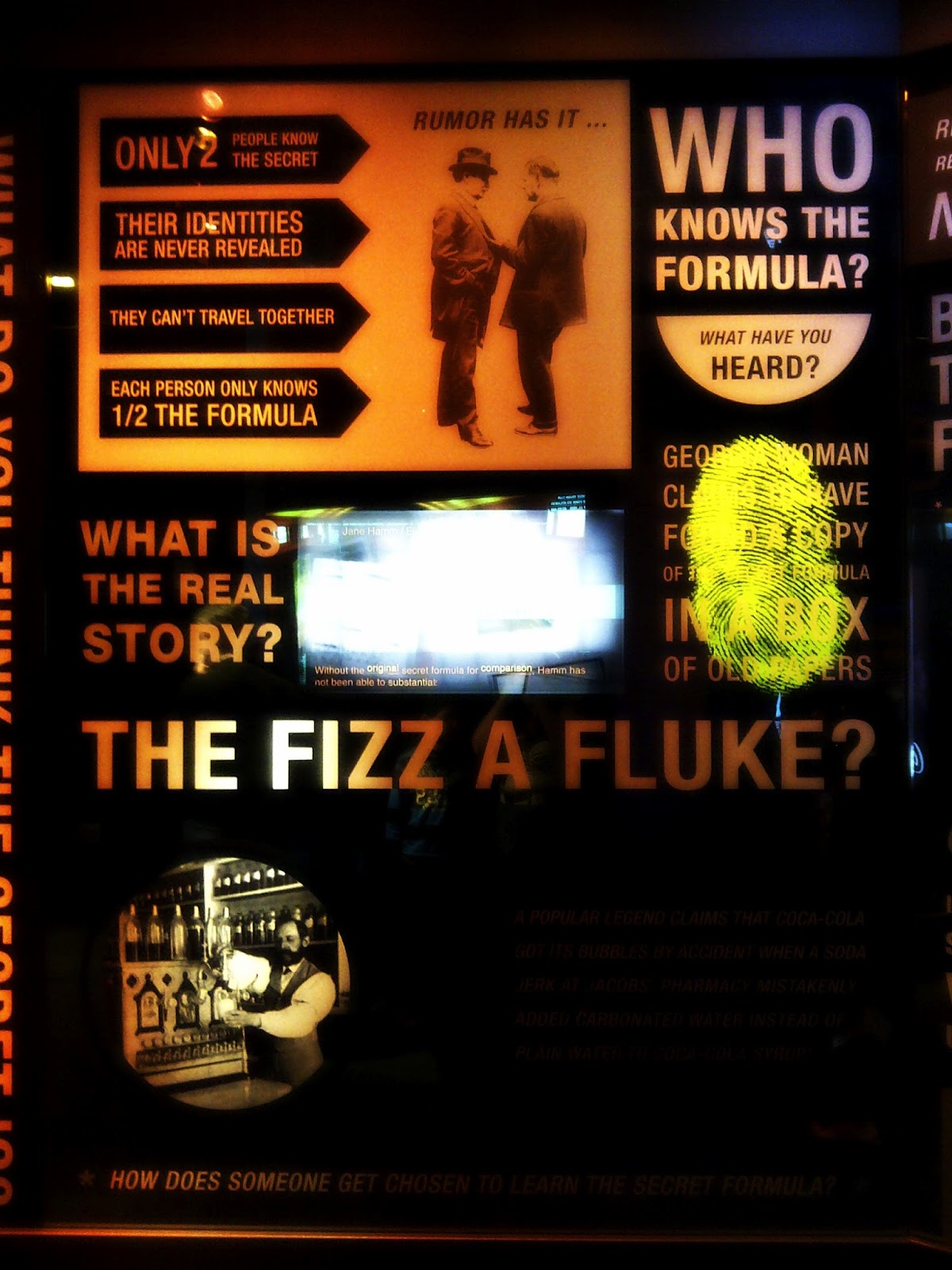
The physical security surrounding the Coca-Cola secret formula is a cornerstone of corporate lore. For decades, company executives propagated the legend that the formula was memorized by only two living executives at any given time, who were forbidden from traveling on the same airplane to prevent a catastrophic loss of institutional knowledge. While this narrative served as an effective public relations tool, the modern reality is governed by standard corporate governance and risk management protocols.
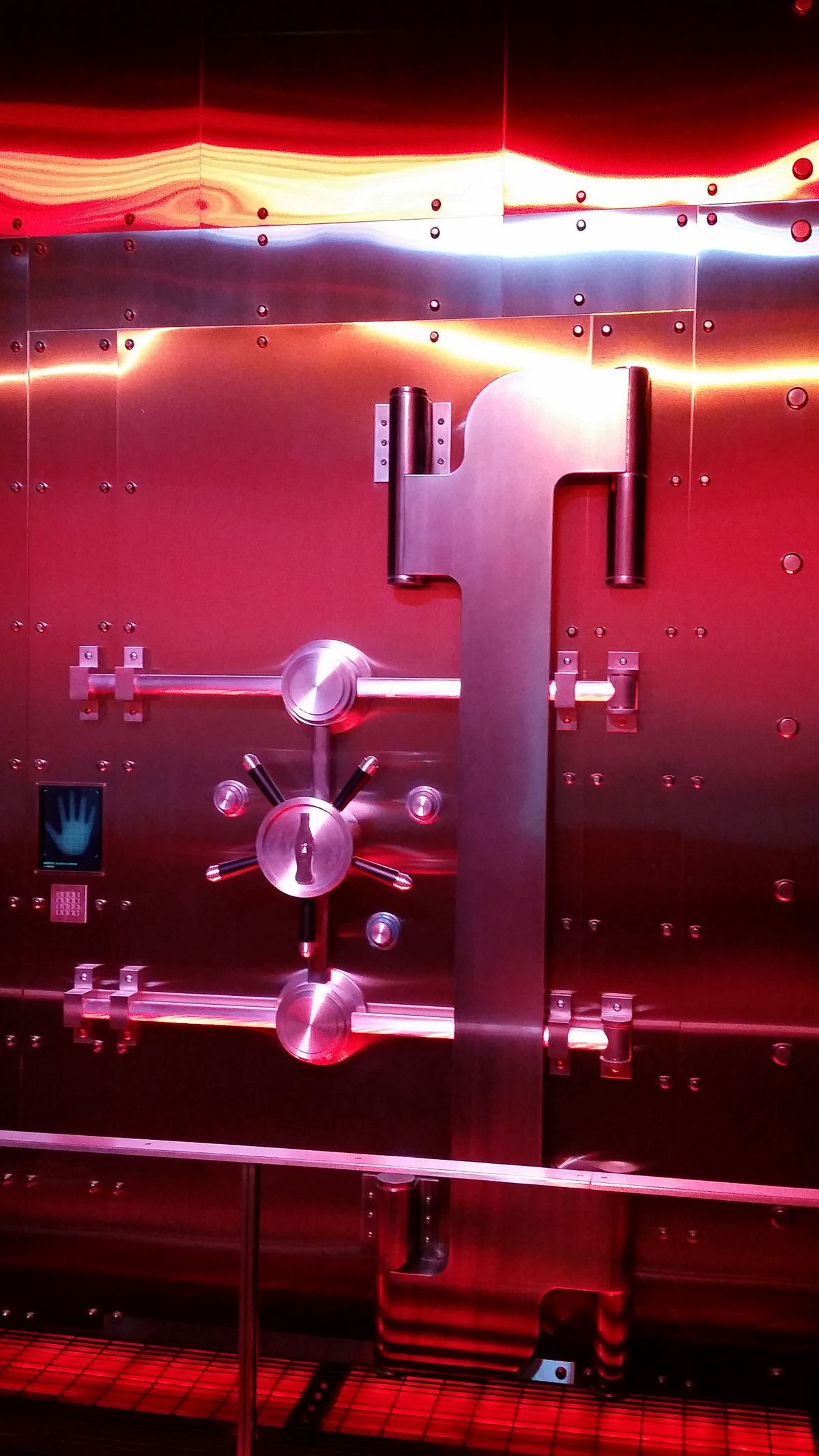
In December 2011, The Coca-Cola Company moved the physical document containing the formula from a SunTrust Bank vault in downtown Atlanta to a permanent exhibit within the World of Coca-Cola museum. This move shifted the asset from a banking vault to a secure, publicly viewable environment, signaling that the company no longer relies on a single piece of paper locked away in a drawer to protect its intellectual property.
| Security Era | Primary Vault Location | Custodianship Model | Primary Risk Mitigation Strategy |
|---|---|---|---|
| 1892–1919 (Candler Era) | Local Atlanta Banks | Asa Candler and close associates | Compartmentalization of raw material purchasing |
| 1919–2011 (Trustee Era) | Trust Company of Georgia / SunTrust Bank | Two designated executives bound by board resolution | Strict travel restrictions and physical vault separation |
| 2011–Present (Museum Era) | World of Coca-Cola (Atlanta, GA) | Institutional redundancy and decentralized data storage | Digital backups, legal trade secret protection laws |
Today, the protection of the formula relies less on physical lockboxes and more on supply chain compartmentalization. The raw ingredients and flavor components are manufactured in specialized facilities where workers handle only specific fractions of the process. No single employee or plant manager has access to the complete end-to-end recipe, ensuring that internal espionage or employee turnover cannot compromise the entire formula.
Legal Protection: Trade Secrets Versus Patents
A common point of public confusion is why The Coca-Cola Company chose to protect its formula as a trade secret rather than filing a patent. The distinction between these two forms of intellectual property protection is critical to understanding the company's long-term commercial strategy.
Patents offer a government-sanctioned monopoly on an invention, typically lasting for twenty years from the date of filing. However, the fundamental legal requirement of a patent is total public disclosure. To secure a patent, an inventor must publish the exact chemical formula, manufacturing process, and specifications so that any person skilled in the art can replicate the invention once the patent expires.
Had Pemberton or Candler patented the Coca-Cola formula in the late nineteenth century, the recipe would have entered the public domain by the early twentieth century, allowing any competitor to manufacture and sell identical syrup without legal penalty. By opting for trade secret protection under common law and statutory frameworks—such as the federal Defend Trade Secrets Act in the United States—The Coca-Cola Company secured indefinite protection, provided the company maintains reasonable measures to keep the information confidential.
- Intellectual Property Framework Comparison
- Patent Protection
- Requires complete public disclosure of formula and process
- Provides time-limited monopoly (typically 20 years)
- Allows legal action only during the active patent term
- Trade Secret Protection (Coca-Cola Model)
- Requires strict confidentiality and security measures
- Offers indefinite protection duration (no expiration date)
- Provides legal recourse against industrial espionage and misappropriation
- Patent Protection
Analytical Chemistry and Reverse Engineering Attempts
Despite the rigorous security measures, food scientists and analytical chemists have repeatedly attempted to reverse-engineer the Coca-Cola formula using advanced laboratory techniques. Modern instrumentation, such as gas chromatography-mass spectrometry (GC-MS) and high-performance liquid chromatography (HPLC), allows researchers to break down complex food and beverage matrices into their molecular constituents.
Independent analyses consistently confirm that the primary components of regular Coca-Cola are carbonated water, high-fructose corn syrup (or sucrose depending on the geographic market), caramel coloring, phosphoric acid, natural caffeine, and trace flavoring agents. The flavoring profile is dominated by citrus oils (limonene and citral), spice extracts (cinnamaldehyde and eugenol), and vanillin.
However, knowing the individual chemical constituents does not equate to duplicating the exact taste. The sensory experience of food and beverage products depends heavily on trace botanical impurities, the precise order of mixing, temperature parameters during blending, and the interaction between natural essential oils and the acidic aqueous base. Even if an analytical laboratory identifies every chemical compound present in the syrup, replicating the exact organoleptic profile remains exceedingly difficult without the master proportion ratios.
Global Variations and Localized Formulations
The Coca-Cola secret formula is not a monolithic global constant; rather, it adapts to regional agricultural conditions, regulatory requirements, and consumer preferences. The most notable historical shift occurred in 1980 when the company began replacing cane sugar with high-fructose corn syrup (HFCS) in the United States due to domestic agricultural policies and cost efficiencies. In contrast, many international markets, most notably Mexico, continue to use cane sugar, resulting in discernible taste differences often noted by consumers.
Furthermore, regulatory bodies in various jurisdictions impose strict limits on certain ingredients, requiring local formulators to adjust acidulants, preservatives, and colorants. For example, the caramel coloring used in the beverage has undergone reformulation in certain regions to comply with changing standards regarding chemical byproducts such as 4-methylimidazole (4-MEI). Despite these localized adjustments, the core flavor profile managed by Merchandise 7X remains centralized and controlled to maintain global brand consistency.
Frequently Asked Questions
What are the main ingredients in Coca-Cola?
The primary ingredients listed on product packaging include carbonated water, high-fructose corn syrup or sugar, caramel color, phosphoric acid, natural flavors, and caffeine. The secret element resides entirely within the "natural flavors" category, specifically the proprietary blend known as Merchandise 7X.
Is the real formula stored in a bank vault?
No. While the original handwritten recipe was kept in a bank vault for nearly a century, The Coca-Cola Company moved the document in December 2011 to a permanent, secure vault exhibit at the World of Coca-Cola museum in Atlanta, Georgia.
Why did Coca-Cola never patent its formula?
Patents require public disclosure of the exact recipe and manufacturing process and expire after a limited period, typically twenty years. By maintaining the recipe as a trade secret, the company protects its intellectual property indefinitely without having to surrender the formula to the public domain.
Can food scientists duplicate the Coca-Cola formula using chemistry?
Advanced analytical techniques like gas chromatography can identify most chemical constituents in the syrup, but they cannot accurately determine the exact proportions, blending sequence, or trace botanical origins required to replicate the precise taste.
Does the formula taste the same all over the world?
No. While the core flavoring concentrate is shipped globally, local bottlers use different sweeteners—such as high-fructose corn syrup in the United States and cane sugar in Mexico—and adjust formulations to meet regional regulatory standards.
Practical Next Actions and Consumer Takeaways
For consumers, culinary enthusiasts, and business students studying intellectual property, the enduring mystery of the Coca-Cola secret formula illustrates the power of trade secret law over patent protection in consumer goods. Those interested in further exploration can examine legal filings related to the Defend Trade Secrets Act, visit the corporate archives and museum exhibits in Atlanta, or review peer-reviewed food science literature on flavor chemistry and essential oil extraction methods.
Image Gallery