How Old Was Lee Loughnane in 2025?
Lee Loughnane, the celebrated founding member and trumpeter of the legendary rock band Chicago, turned 79 years old in 2025. Born on October 21, 1946, he spent the majority of 2025 at age 78 before reaching his 79th birthday in the fin...
Lee Loughnane, the celebrated founding member and trumpeter of the legendary rock band Chicago, turned 79 years old in 2025. Born on October 21, 1946, he spent the majority of 2025 at age 78 before reaching his 79th birthday in the final quarter of the year.
Contents
As of 2026, Lee Loughnane remains one of the few original members still actively performing and touring with Chicago. His career, which spans over five and a half decades, represents a masterclass in musical longevity and technical evolution. To understand the significance of Loughnane reaching this milestone in 2025, one must look at his foundational role in the "rock with horns" movement and how his contributions shaped the landscape of American jazz-rock.
The Early Life and Musical Foundations of Lee Loughnane
Lee David Loughnane was born in Elmwood Park, Illinois, a suburb of Chicago. His interest in music was fostered by his father, Philip, who was a former trumpet player and bandleader. This familial connection to the brass tradition provided Loughnane with a disciplined start. He began playing the trumpet at age 11, eventually attending DePaul University, where he met future bandmates Walter Parazaider and James Pankow.
The technical training Loughnane received during his formative years was instrumental in the development of the Chicago Transit Authority (later shortened to Chicago). Unlike many rock musicians of the late 1960s who relied on raw intuition, Loughnane and his horn-section peers were classically and jazz-trained. This enabled them to execute the complex, interlocking arrangements that would become the band's hallmark.
By the time Loughnane reached 79 in 2025, he had spent roughly 58 years as a professional musician in the same ensemble. This level of consistency is nearly unprecedented in the music industry, particularly for a brass player, as the physical demands of the trumpet—often called the "athlete's instrument"—require immense respiratory strength and facial muscle endurance.
The Founding of Chicago and the Horn Section Revolution
In 1967, Loughnane joined forces with Parazaider, Pankow, Robert Lamm, Terry Kath, Danny Seraphine, and Peter Cetera to form "The Big Thing." Their goal was to integrate the power of a rock rhythm section with the sophistication of a jazz horn section. This was not merely a rock band with background horns; it was a collaborative unit where the trumpet, trombone, and saxophone were lead instruments.
The "Rock with Horns" Philosophy
Loughnane’s role in the trio of horn players was crucial. While James Pankow handled much of the arranging, Loughnane provided the bright, piercing top end of the harmonic stack. His trumpet work on early albums like Chicago Transit Authority (1969) and Chicago II (1970) demonstrated a range that could shift from aggressive, staccato punches to lyrical, melodic lines.
As he entered his late 70s in 2025, historians and fans alike reflected on how Loughnane helped bridge the gap between traditional big band sounds and modern rock. Tracks like "Introduction" and "25 or 6 to 4" showcased his ability to maintain high-energy performance throughout long, experimental compositions.
Songwriting and Vocal Contributions
While primarily known as a trumpeter, Lee Loughnane’s impact on Chicago extended into songwriting and lead vocals. As the band evolved through different "eras"—from the experimental jazz-rock of the 70s to the power ballad dominance of the 80s—Loughnane remained a versatile contributor.
Notable Songwriting Credits
One of Loughnane's most enduring contributions as a songwriter is the hit "Call on Me," released in 1974 on the album Chicago VII. The track reached the top 10 on the Billboard Hot 100 and showcased his ability to write sophisticated pop melodies with a soulful edge. He also contributed to tracks such as:
- "No Tell Lover" (co-writer)
- "Take a Chance"
- "America"
Vocal Presence
Though Robert Lamm, Peter Cetera, and Terry Kath were the primary vocalists during the band's peak commercial years, Loughnane’s voice provided a distinct texture. He sang lead on "Song for You" and "Let It Snow! Let It Snow! Let It Snow!" (from the band's various holiday releases). His ability to step up to the microphone allowed the band to maintain a rich, multi-layered vocal harmony, which became another defining characteristic of the Chicago sound.
Technical Mastery and the Physicality of the Trumpet
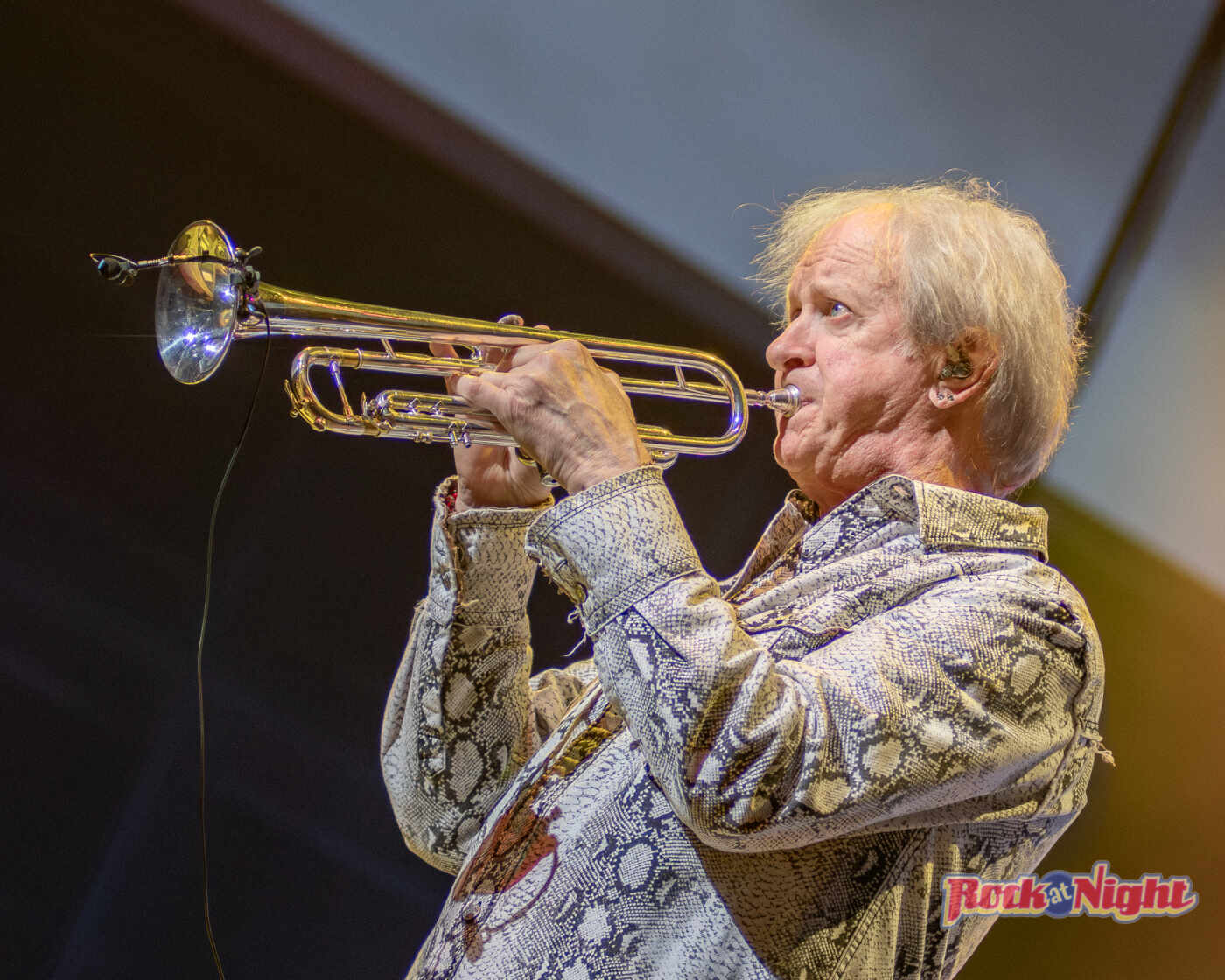
Playing the trumpet at age 79 is a feat of physical conditioning. Brass players often face challenges related to "embouchure"—the use of facial muscles and lips to produce sound. Over decades of touring, many trumpet players find their range or stamina decreasing. However, Loughnane has been noted for his rigorous practice routine and health-conscious lifestyle, which allowed him to remain a touring powerhouse in 2025.
In 2025, his technical setup continued to involve high-quality instruments capable of delivering the "Chicago" bite. He has historically used various trumpets and flugelhorns, often favoring instruments that allow for a warm, broad tone during ballads while still providing the "cutting" power needed for up-tempo rock tracks.
Lee Loughnane's Career Milestones: A Chronological View
The following table outlines the progression of Lee Loughnane’s career leading up to his 79th year in 2025.
| Year | Age | Milestone/Event | Key Album or Achievement |
|---|---|---|---|
| 1946 | 0 | Born in Elmwood Park, Illinois | N/A |
| 1967 | 21 | Joins "The Big Thing" (Later Chicago) | Formation of the band |
| 1969 | 23 | Debut release | Chicago Transit Authority |
| 1974 | 28 | Major songwriting success | "Call on Me" (Chicago VII) |
| 1982 | 36 | Commercial resurgence | Chicago 16 (Grammy winner) |
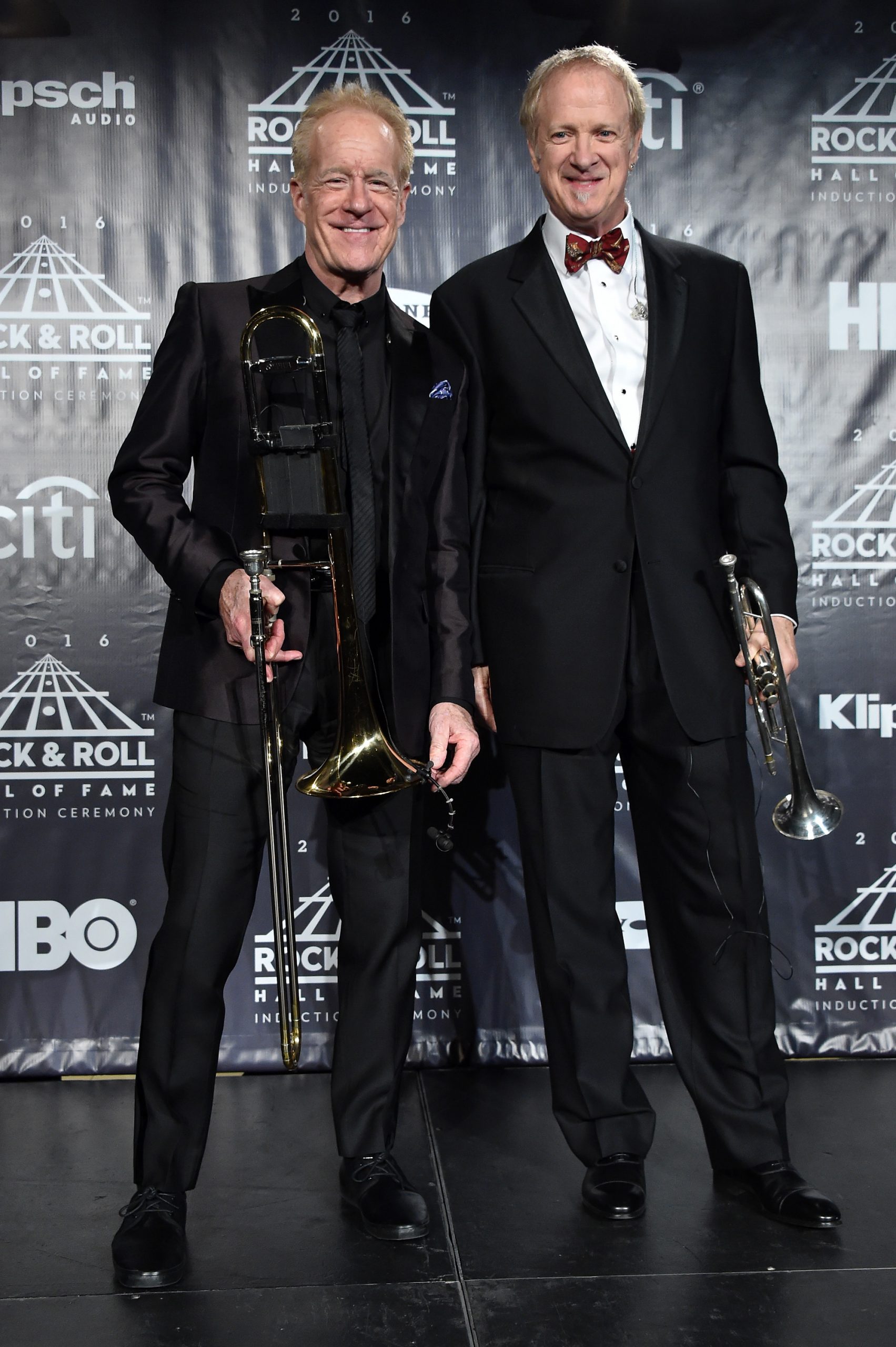
| 2016 | 70 | Rock & Roll Hall of Fame Induction | Career-defining recognition |
| 2020 | 74 | Grammy Lifetime Achievement Award | Honor for the entire band |
| 2022 | 76 | Release of Chicago XXXVIII: Born for This Moment | Recent studio production |
| 2025 | 79 | Reaches 79th birthday | Continuous touring/Modern Legacy |
The Band's Status and Touring in 2026
Moving into 2026, the year after Loughnane turned 79, the band Chicago shows few signs of slowing down. Their touring schedule remains one of the most active in the classic rock circuit. For Loughnane, the motivation to continue touring is driven by a combination of musical passion and a sense of responsibility to the band's legacy.
In recent years, the band has utilized modern technology to preserve their sound. Loughnane himself has been active in the production side of things, overseeing various remasters and surround-sound mixes of the band’s catalog. His deep knowledge of the band's recording history has made him an invaluable asset for archival projects, ensuring that the horn arrangements he helped create are preserved with contemporary fidelity.
Legacy and Influence on Modern Jazz-Rock
Lee Loughnane's influence is seen in the work of modern "brass rock" groups and jazz-fusion artists. By proving that a trumpet could be as central to a rock band as a lead guitar, he opened doors for generations of horn players. In 2025, as he reached 79, his career served as a testament to the idea that rock music does not have to be simplistic; it can incorporate complex theory and instrumental virtuosity without losing its popular appeal.
He also stands as a symbol of the collaborative spirit. Unlike many bands that splintered due to ego, the core original members of Chicago—Loughnane, Pankow, and Lamm—have maintained a working relationship for nearly 60 years. This stability has allowed the band to navigate the changing tastes of the music industry while keeping their signature sound intact.
FAQs About Lee Loughnane
Is Lee Loughnane still an active member of Chicago?
Yes, Lee Loughnane is a founding member and remains fully active in the band as of 2026. He continues to perform on trumpet and provides backing and occasional lead vocals during live sets. He is one of the three original members still in the lineup.
What is Lee Loughnane’s birth date?
Lee Loughnane was born on October 21, 1946. This date is widely documented in music biographies and the band's official history records.
How did Lee Loughnane stay in shape to play trumpet at 79?
Loughnane has frequently attributed his longevity to a dedicated practice regimen and a healthy lifestyle. Unlike the stereotypical rock stars of the 70s, Loughnane and his bandmates transitioned to a more disciplined approach to health in the 80s, which has allowed them to endure the rigors of the road for several decades.
Has Lee Loughnane won any awards for his music?
Yes, as a member of Chicago, he has won multiple Grammy Awards, including the Grammy Lifetime Achievement Award in 2020. He was also inducted into the Rock & Roll Hall of Fame in 2016 and the Songwriters Hall of Fame in 2017.
What instruments does Lee Loughnane play?
While primarily a trumpet player, Loughnane also plays the flugelhorn, which offers a mellower, darker sound used frequently in Chicago's ballads. He is also proficient in percussion and contributes significantly to the band's vocal arrangements.
Final Perspective on a Musical Icon
As we look at Lee Loughnane's status in 2026, his 79th year in 2025 stands out as a celebration of endurance. For fans of Chicago, Loughnane represents more than just a trumpet player; he is a living link to the golden age of American rock. Whether through his crisp trumpet fanfares or his behind-the-scenes work in audio production, his impact on the music industry is both deep and lasting.
For those looking to explore his work further, listening to the early 1970s recordings provides the best insight into the raw power he brought to the genre, while their more recent live performances showcase a musician who has mastered his craft over a lifetime of dedication.
Image Gallery