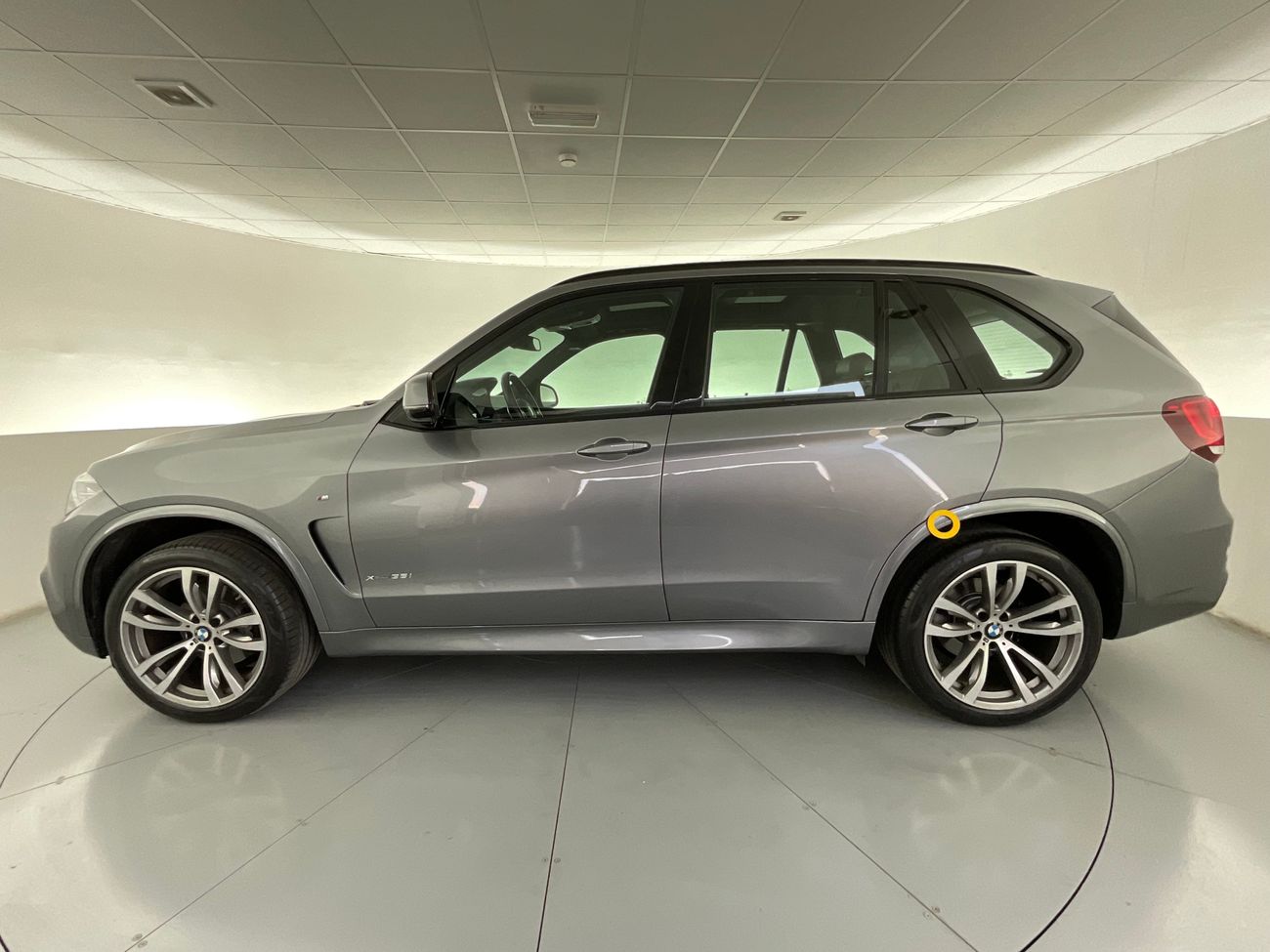
Comprehensive Review of the BMW X5 35i M Sport High Performance Luxury SUV
The BMW X5 35i M Sport balances everyday utility, robust inline-six turbo power, and athletic design elements, making it a benchmark for midsize luxury sport utility vehicles. Introduction to the BMW X5 35i M Sport The midsize luxury s...
The BMW X5 35i M Sport balances everyday utility, robust inline-six turbo power, and athletic design elements, making it a benchmark for midsize luxury sport utility vehicles.
Contents
Introduction to the BMW X5 35i M Sport
The midsize luxury sport utility vehicle segment has long been contested by manufacturers seeking to blend executive comfort with engaging driving dynamics. Within this crowded marketplace, the BMW X5 has maintained a dominant position since its initial introduction. Specifically, variants featuring the 35i designation coupled with the aggressive visual and functional enhancements of the M Sport package occupy a sweet spot for enthusiasts and daily drivers alike.
Disambiguating the nomenclature helps clarify what this specific model delivers. The "35i" badge historically denotes BMW's turbocharged 3.0-liter inline-six-cylinder engine, while the "M Sport" designation layers on aerodynamic body styling, sport-tuned suspension components, upgraded interior trim, and distinct alloy wheels. This configuration avoids the fuel consumption and heavier front-end weight of the V8-powered variants while offering substantially more performance and dynamic presence than base trims. Understanding how these elements converge requires an examination of powertrain engineering, chassis tuning, interior execution, and long-term ownership considerations.
Powertrain Engineering and Performance Dynamics
At the heart of the BMW X5 35i M Sport is the N55 or B58 turbocharged inline-six engine, depending on the specific production year within the F15 or E70 generations. Displacing 3.0 liters, this powerplant utilizes a twin-scroll turbocharger, direct fuel injection, and VALVETRONIC variable valve timing to deliver smooth, linear power across the RPM band.
Output typically hovers around 300 horsepower and 300 lb-ft of torque. This power is routed through an adaptive 8-speed ZF automatic transmission that manages gear shifts with crisp precision. The integration of this transmission allows the heavy luxury SUV to accelerate from zero to 60 miles per hour in roughly 6.2 to 6.5 seconds, an impressive feat for a vehicle of its physical footprint.
Performance dynamics are further elevated by the M Sport package's chassis enhancements. Unlike standard trims that prioritize a plush, isolated ride, the M Sport configuration often introduces stiffer spring rates, firmer damper controls, and wider rear tires on staggered wheel setups. Drivers can cycle through various drive modes—ranging from Eco Pro and Comfort to Sport and Sport Plus—which alter throttle response, transmission shift points, and steering weight. The result is a vehicle that hides its curb weight remarkably well through tight cornering maneuvers while maintaining highway stability.
Exterior Design and M Sport Aesthetic Enhancements
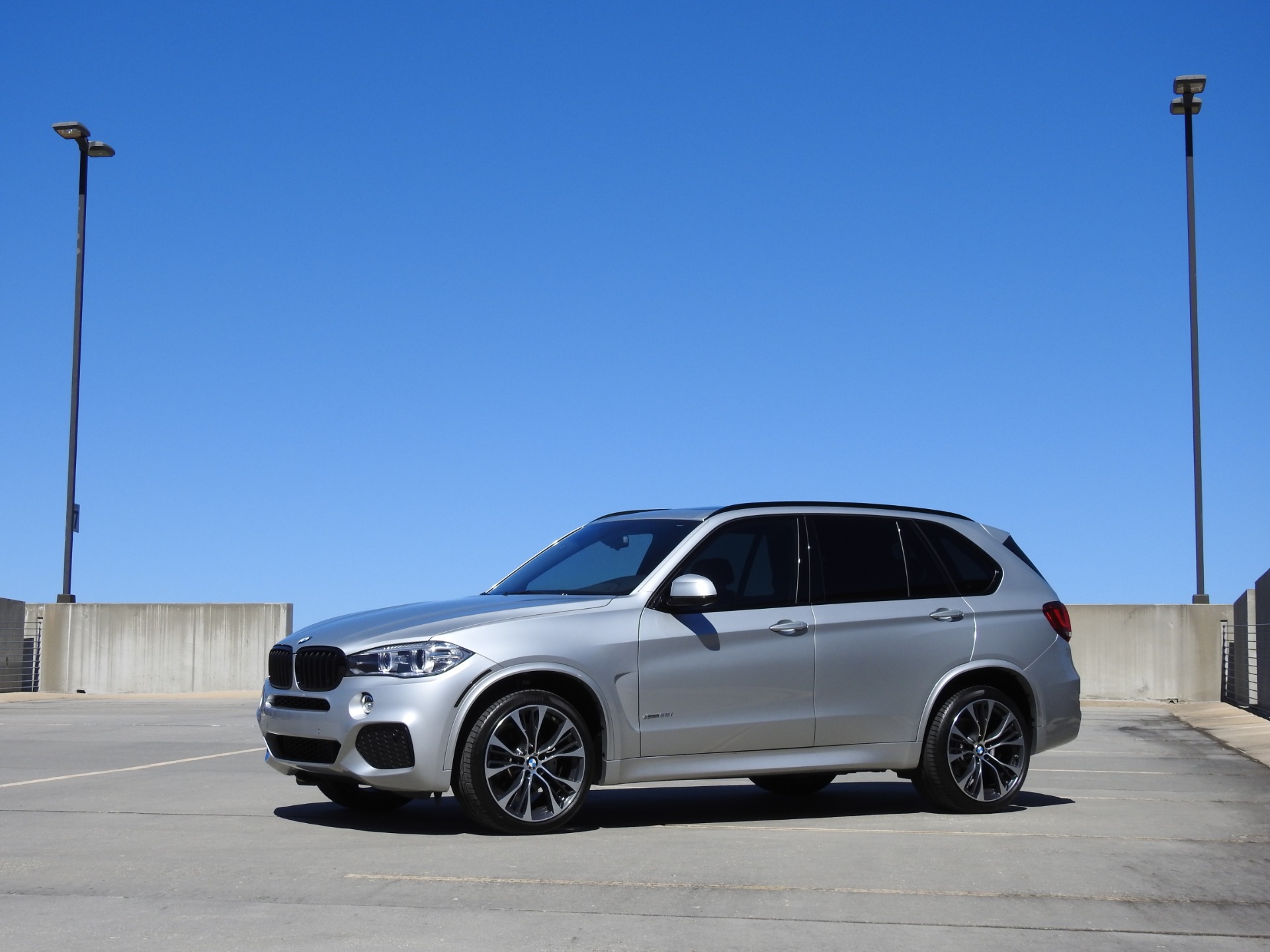
Visual differentiation is a primary driver for buyers selecting the M Sport trim level. Standard X5 models feature understated body-colored or black plastic lower claddings and softer bumper contours. In contrast, the M Sport variant introduces a more aggressive aerodynamic body kit.
| Exterior Feature | Standard X5 Trim | X5 35i M Sport Trim |
|---|---|---|
| Front Bumper | Standard intake geometry with black mesh | Enlarged cooling ducts and sculpted lower splitter |
| Side Sills | Body-colored with subtle contouring | Sculpted, aerodynamically optimized side skirts |
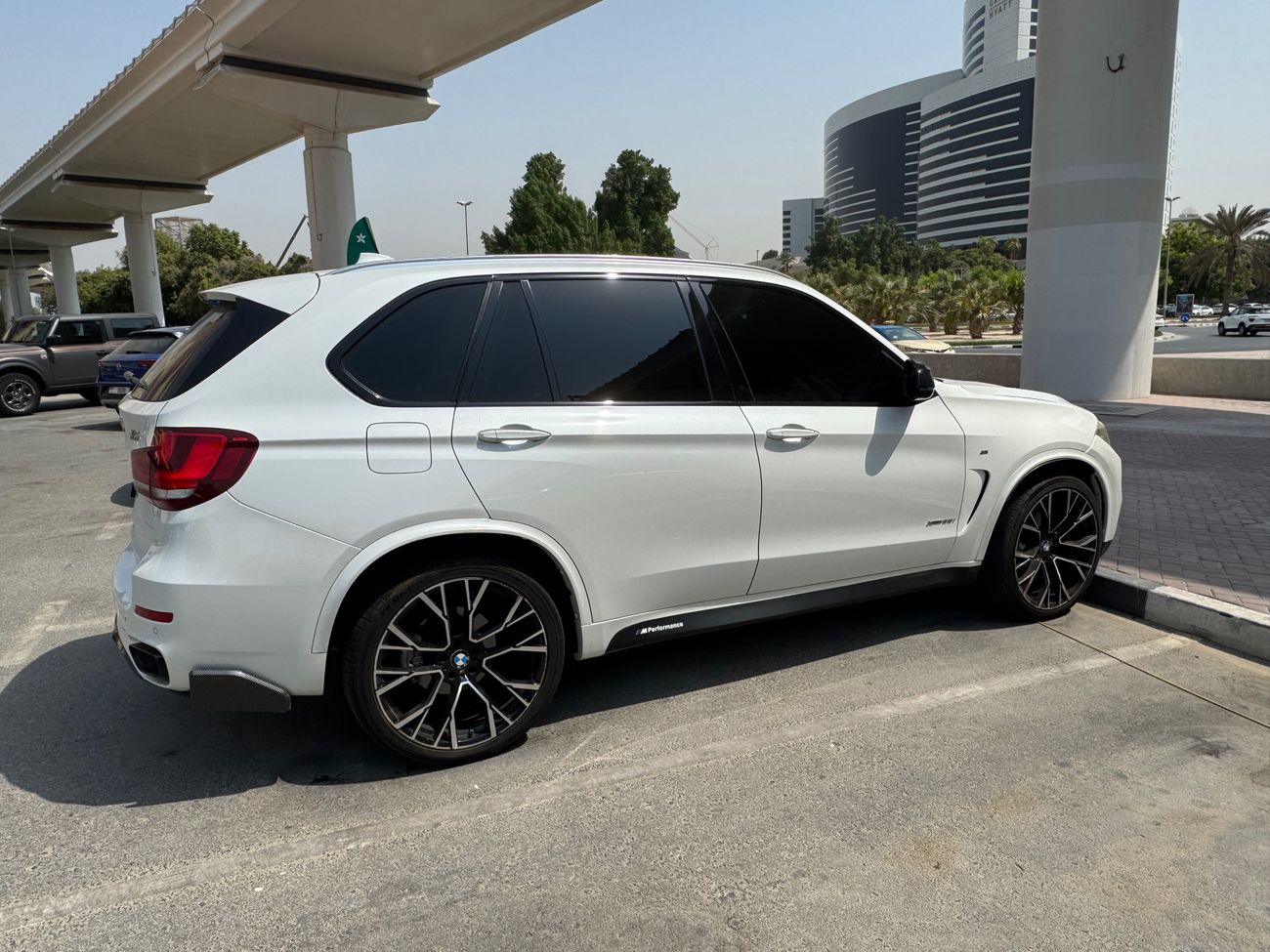
| Wheel Options | 18-inch to 19-inch multi-spoke alloy wheels | 19-inch to 20-inch M light-alloy double-spoke wheels |
| Trim Finish | Satin aluminum or matte black window surrounds | High-gloss Shadowline exterior trim |
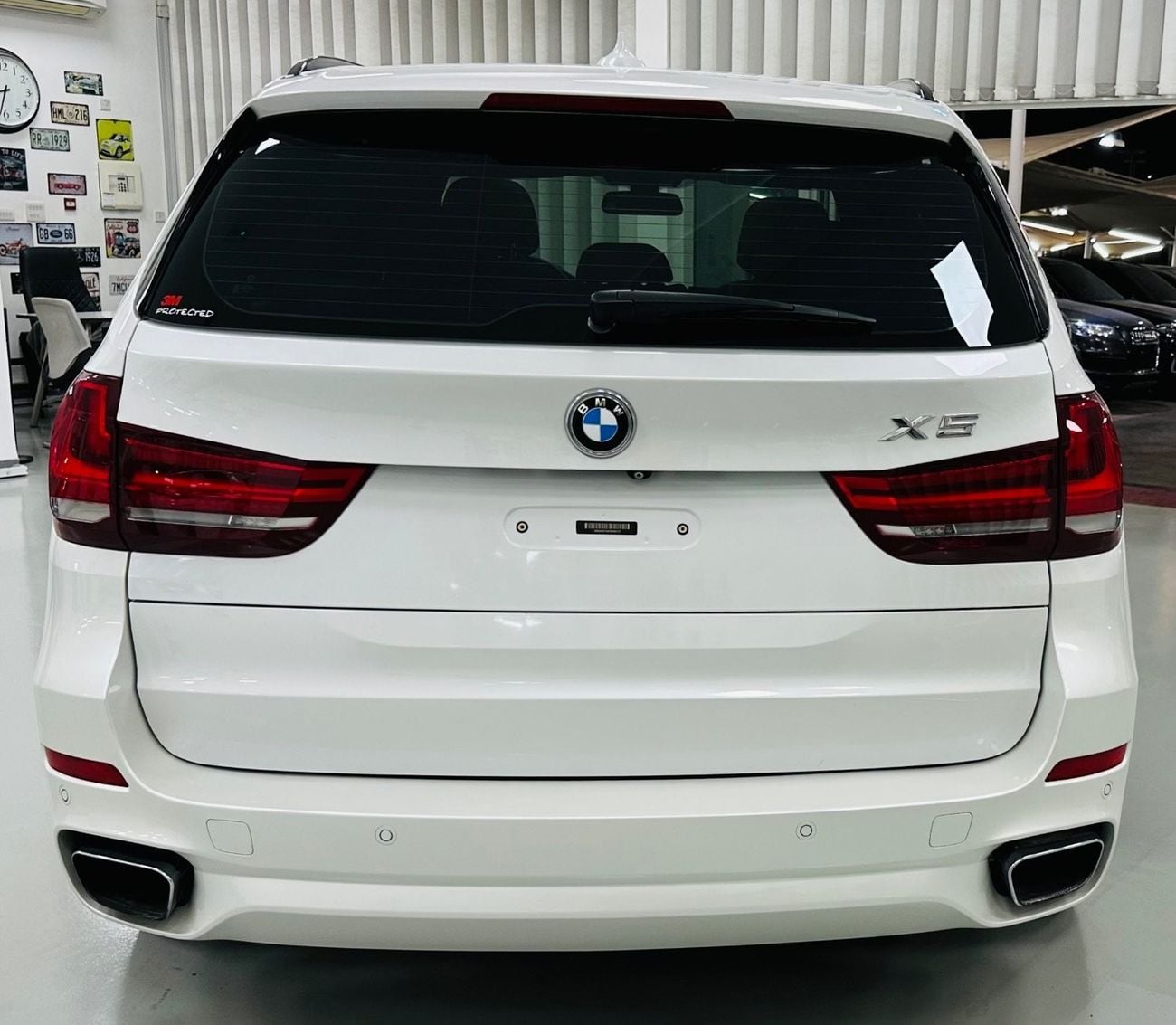
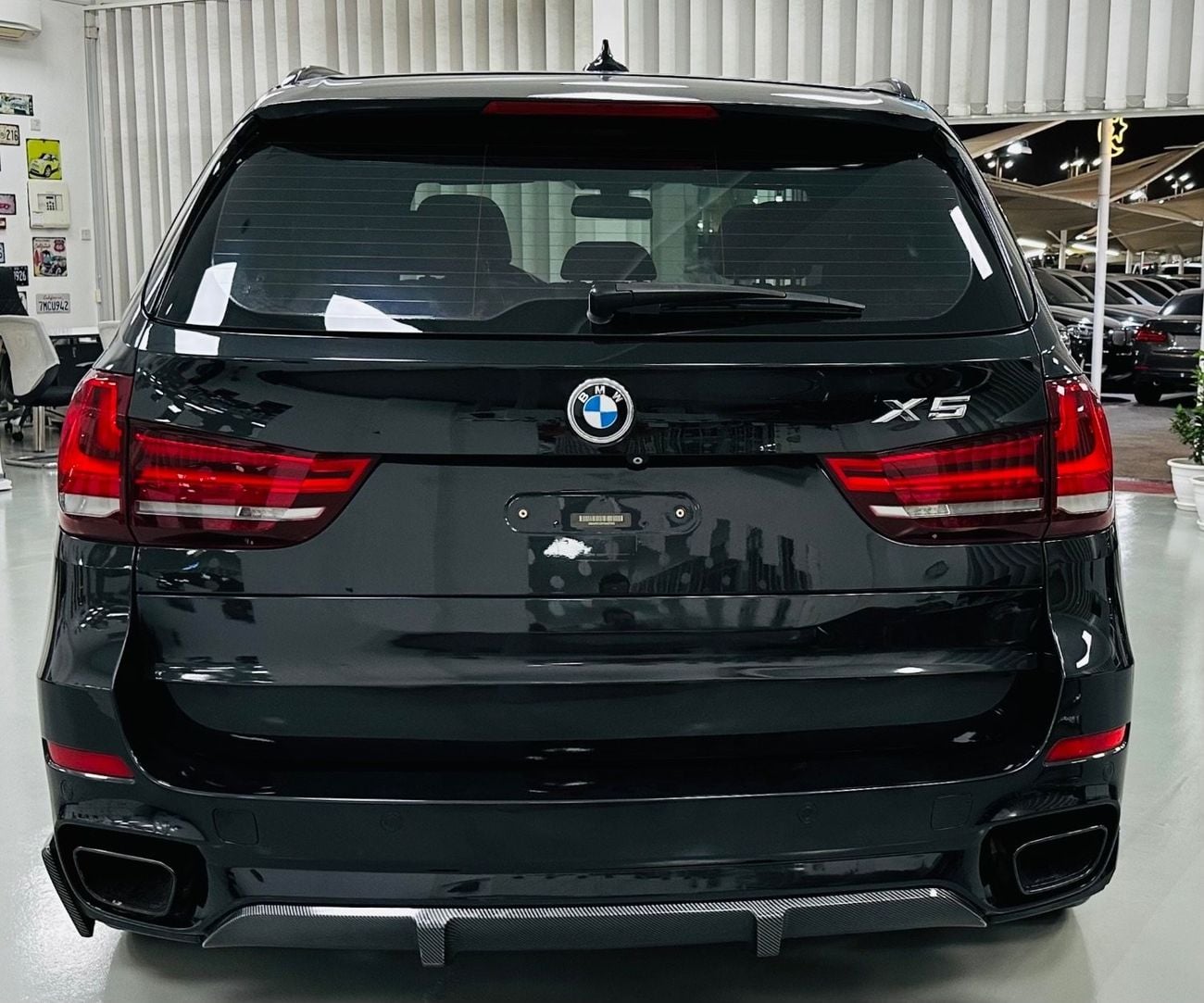
| Exhaust Tips | Integrated trapezoidal or round tips | Distinctive trapezoidal tips integrated into the rear diffuser |
Beyond the body kit, the M Sport package incorporates high-gloss Shadowline trim, which replaces traditional chrome window surrounds and roof rails with a deep gloss-black finish. Coupled with distinct M badging on the front fenders and available larger alloy wheels wrapped in performance rubber, the vehicle projects a purposeful, athletic stance without crossing into overtly garish territory.
Interior Craftsmanship, Ergonomics, and Technology
Stepping inside the cabin reveals an environment tailored around the driver while maintaining high standards of passenger luxury. The M Sport treatment introduces specific cabin components that elevate the tactile experience.
Cabin Appointments and Seating
Drivers are greeted by an M-branded leather-wrapped steering wheel featuring thicker grips and thumb contours derived from BMW's Motorsport division. Door sills feature M insignia, and the headliner is frequently finished in an anthracite dark cloth that imparts a cockpit-like ambiance. Seating options range from multi-adjustable sport seats with pronounced side bolsters to multi-contour comfort seats wrapped in Dakota or Nappa leather. These seats provide substantial adjustability, including lumbar support and adjustable thigh extensions, reducing fatigue on long journeys.
Infotainment and Driver Interface
The dashboard centers around BMW’s iDrive system, featuring a high-resolution central display controlled via the rotary iDrive controller on the center console. The system integrates navigation, Bluetooth connectivity, vehicle settings, and optional smartphone integration. While earlier iterations relied on basic controllers, later versions of the iDrive interface incorporate touch sensitivity and voice recognition. Instrumentation combines analog dials with a crisp multi-information display panel, providing critical trip and performance metrics directly in the driver's line of sight.
Practicality, Utility, and Everyday Usability
While performance and luxury define its character, the BMW X5 35i M Sport remains fundamentally a utility vehicle designed to handle family transport, cargo hauling, and adverse weather conditions.
Cargo Capacity and Cabin Storage
The rear cargo area offers ample volume, accessed via a practical two-piece tailgate system where the upper glass hatch lifts independently and the lower tailgate folds down to create a loading shelf or seating bench. With the 40/20/40 split-folding rear seats upright, the cargo hold accommodates substantial luggage. Folding the rear seats completely flat expands the cargo capacity to over 65 cubic feet, accommodating bulky items or recreational equipment with ease. Small-item storage throughout the cabin includes deep door pockets, a felt-lined center console, and dual cup holders.
All-Weather Capability via xDrive
Most 35i M Sport models feature BMW’s intelligent xDrive all-wheel-drive system. Unlike part-time systems, xDrive continuously variable torque split dynamically between the front and rear axles via an electronically controlled multi-plate clutch. In normal driving conditions, power biases slightly toward the rear wheels to preserve engaging handling dynamics. When slip is detected, torque transfers instantly to the axle with optimal traction, providing security in heavy rain, mud, or light snow environments.
Maintenance Considerations and Ownership Realities
Operating a high-performance luxury SUV requires a clear understanding of ongoing maintenance obligations and common mechanical considerations.
Preventive Maintenance and Service Intervals
Routine maintenance demands adherence to factory service schedules. Synthetic oil changes are recommended every 10,000 miles or annually, though enthusiastic driving may warrant more frequent intervals. Brake pads and rotors experience accelerated wear due to the vehicle's weight and high-performance braking compounds. Furthermore, staggered tire setups prevent front-to-rear tire rotations, meaning rear tires typically require replacement more frequently than front tires.
Common Mechanical Points to Monitor
- Cooling System Components: Thermostats, water pumps, and plastic coolant flanges experience thermal degradation over extended mileage and should be inspected regularly.
- Turbocharger Oil and Coolant Lines: The turbocharger oil feed and return lines can develop minor gasket leaks as seals age.
- Suspension Bushings: Control arm bushings and air suspension components (if equipped with rear air springs) can wear out, manifesting as slight clunking noises or a degraded ride quality over rough pavement.
Frequently Asked Questions
What engine powers the BMW X5 35i M Sport?
The BMW X5 35i M Sport is powered by a 3.0-liter turbocharged inline-six-cylinder engine. Depending on the model year, it utilizes either the N55 or B58 engine architecture, producing approximately 300 horsepower and 300 lb-ft of torque paired with an 8-speed automatic transmission.
Does the M Sport package increase engine horsepower?
No. The M Sport package is strictly an aesthetic, aerodynamic, and chassis-tuning enhancement package. It does not alter the engine's internal output, but it does upgrade suspension firmness, steering feel, and exterior/interior styling elements.
Is the BMW X5 35i M Sport good in snow?
Yes, provided it is equipped with the xDrive all-wheel-drive system and appropriate winter tires. While the M Sport package features wider performance tires that are less effective in deep snow, swapping to dedicated winter tires unlocks the full capability of the intelligent all-wheel-drive system in cold climates.
What is the fuel economy of the X5 35i M Sport?
Fuel economy typically averages around 18 miles per gallon in city driving and 24 to 25 miles per gallon on the highway, resulting in a combined average of roughly 20 to 21 miles per gallon, depending on driving habits and terrain.
How does the 35i compare to the V8 50i models?
The 35i variant offers lighter front-end weight, which translates to more agile handling and improved balance through corners compared to the heavier V8-powered 50i models. While the 50i delivers superior straight-line acceleration, the 35i provides a more balanced compromise between fuel efficiency, maintenance costs, and everyday performance.
Conclusion and Final Recommendation
The BMW X5 35i M Sport stands out as a balanced execution of a performance-oriented luxury utility vehicle. By combining the smooth, responsive power delivery of a turbocharged inline-six engine with the sharp aesthetics and chassis tweaks of the M Sport package, it delivers an engaging driving experience without sacrificing daily comfort or utility. Prospective owners should prioritize examples with comprehensive service histories, verify the condition of suspension and cooling components, and budget appropriately for premium maintenance. For drivers seeking an executive SUV that prioritizes driver engagement alongside practical family transport, this configuration remains a compelling choice.
Image Gallery