Real Berries: Botanical Definitions, True Varieties, and Nutritional Science
A botanical berry is a fleshy fruit produced from a single ovary of a single flower, characterized by a middle and inner layer that are often indistinguishable and seeds embedded directly in the flesh. While many fruits called "berries...
A botanical berry is a fleshy fruit produced from a single ovary of a single flower, characterized by a middle and inner layer that are often indistinguishable and seeds embedded directly in the flesh. While many fruits called "berries" in culinary terms—like strawberries and raspberries—fail this technical definition, true botanical berries include grapes, tomatoes, bananas, and blueberries.
Contents
The Botanical Definition of a True Berry
To understand what constitutes a "real" berry, one must look past the supermarket aisles and into the realm of plant morphology. In botany, the classification of fruit is based on the structure of the flower and the resulting tissues. A berry is a specific type of simple fleshy fruit.
For a fruit to be classified as a true berry, it must meet three primary structural criteria:
- Origin: It must develop from a single ovary of a single flower.
- Layers: The pericarp (the fruit wall) must be divided into three distinct layers: the exocarp (outer skin), the mesocarp (fleshy middle), and the endocarp (the innermost layer surrounding the seeds). In a true berry, the endocarp is fleshy rather than stony or papery.
- Seed Placement: The seeds are generally embedded within the fleshy interior of the fruit rather than being enclosed in a hard pit or resting on the external surface.
Because of these strict requirements, many fruits that we intuitively label as berries are excluded, while several "vegetables" and large fruits are included. For instance, a watermelon is technically a modified berry, whereas a blackberry is a collection of small drupelets.
The Berry Paradox: Common Misconceptions
The discrepancy between botanical science and culinary terminology creates what is often called the "berry paradox." This confusion stems from historical naming conventions that predate modern botanical classification.
Why Strawberries and Raspberries Are Not Berries
Despite their names, strawberries, raspberries, and blackberries do not meet the botanical definition of a berry.
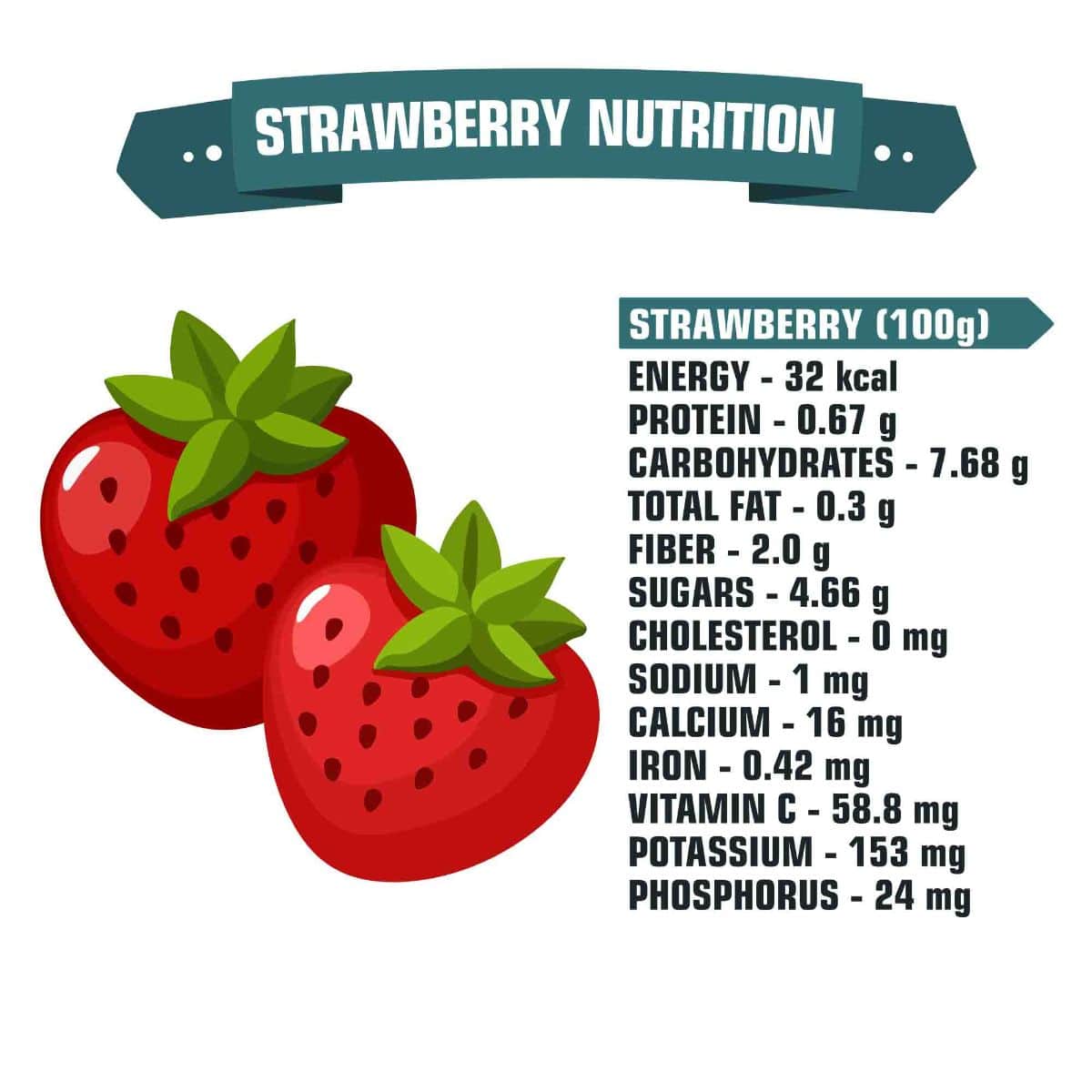
- Strawberries: These are "accessory fruits." The fleshy, red part we eat is actually the enlarged receptacle of the flower, not the ovary itself. The "seeds" on the outside are actually individual tiny fruits called achenes, each containing a single seed.
- Raspberries and Blackberries: These are "aggregate fruits." They form from a single flower that has multiple ovaries. Each small "bead" on a raspberry is a drupelet, which is structurally more similar to a tiny peach or plum (containing a small stony pit) than a berry.
The Surprising "Real" Berries
Conversely, several fruits that lack the "berry" suffix are botanically perfect examples of the classification:
- Bananas: These develop from a single ovary and have a soft endocarp. The tiny black dots in the center of a commercial banana are the remnants of seeds.
- Tomatoes and Eggplants: Both are fleshy fruits derived from a single ovary with seeds embedded in the pulp.
- Watermelons and Pumpkins: These are known as pepos, which are a specialized category of berries with a hard, leathery rind.
- Citrus Fruits: Oranges and lemons are hesperidiums, another modified berry featuring a leathery rind and juice-filled sections.
Major Varieties of True Berries
In 2026, the global market continues to distinguish between botanical accuracy and consumer labeling, but understanding the varieties of true berries is essential for horticulture and nutritional science.
The Ericaceae Family (Blueberries and Cranberries)
Blueberries and cranberries are among the most famous "true" berries that also carry the name in common parlance. They belong to the genus Vaccinium.
- Blueberries: They feature a deep blue-purple exocarp due to high anthocyanin content. The seeds are small and soft, embedded entirely within the fleshy mesocarp.
- Cranberries: These are unique because they contain internal air pockets, allowing them to float—a trait used during commercial water harvesting.
The Vitaceae Family (Grapes)
Grapes are perhaps the most quintessential botanical berry. Whether they are the Vitis vinifera (European grapes) or Vitis labrusca (North American varieties), they consist of a thin skin, a succulent pulp, and seeds (unless bred to be seedless) contained within the fleshy interior.
The Solanaceae Family (Nightshades)
This family provides the most "stealth" berries in our diet.
- Tomatoes: Often mistaken for vegetables, they are fleshy berries with a high water content and numerous seeds distributed through the locular cavities.
- Chili Peppers: From bell peppers to habaneros, these are botanically berries, though they are usually dry-fleshed compared to a blueberry.
Ribes Genus (Currants and Gooseberries)
Currants (black, red, and white) and gooseberries are true berries that grow on shrubs. They are characterized by their translucent skin and high pectin content, which makes them ideal for jams and jellies.
Nutritional Value and Chemical Composition
True berries are celebrated in 2026 for their nutrient density. While botanical structures vary, the chemical profiles of these fruits share common traits that offer significant health benefits.
Antioxidant Profiles and Phytochemicals
The primary health appeal of true berries lies in their high concentration of antioxidants.
- Anthocyanins: These are the pigments responsible for the red, blue, and purple hues in blueberries, grapes, and eggplants. They have been extensively studied for their ability to reduce oxidative stress and inflammation.
- Resveratrol: Found primarily in the skins of grapes (a true berry), this polyphenol is linked to cardiovascular health and longevity.
- Quercetin: Present in cranberries and blueberries, this flavonoid helps modulate the immune response.
Dietary Fiber and Metabolic Health
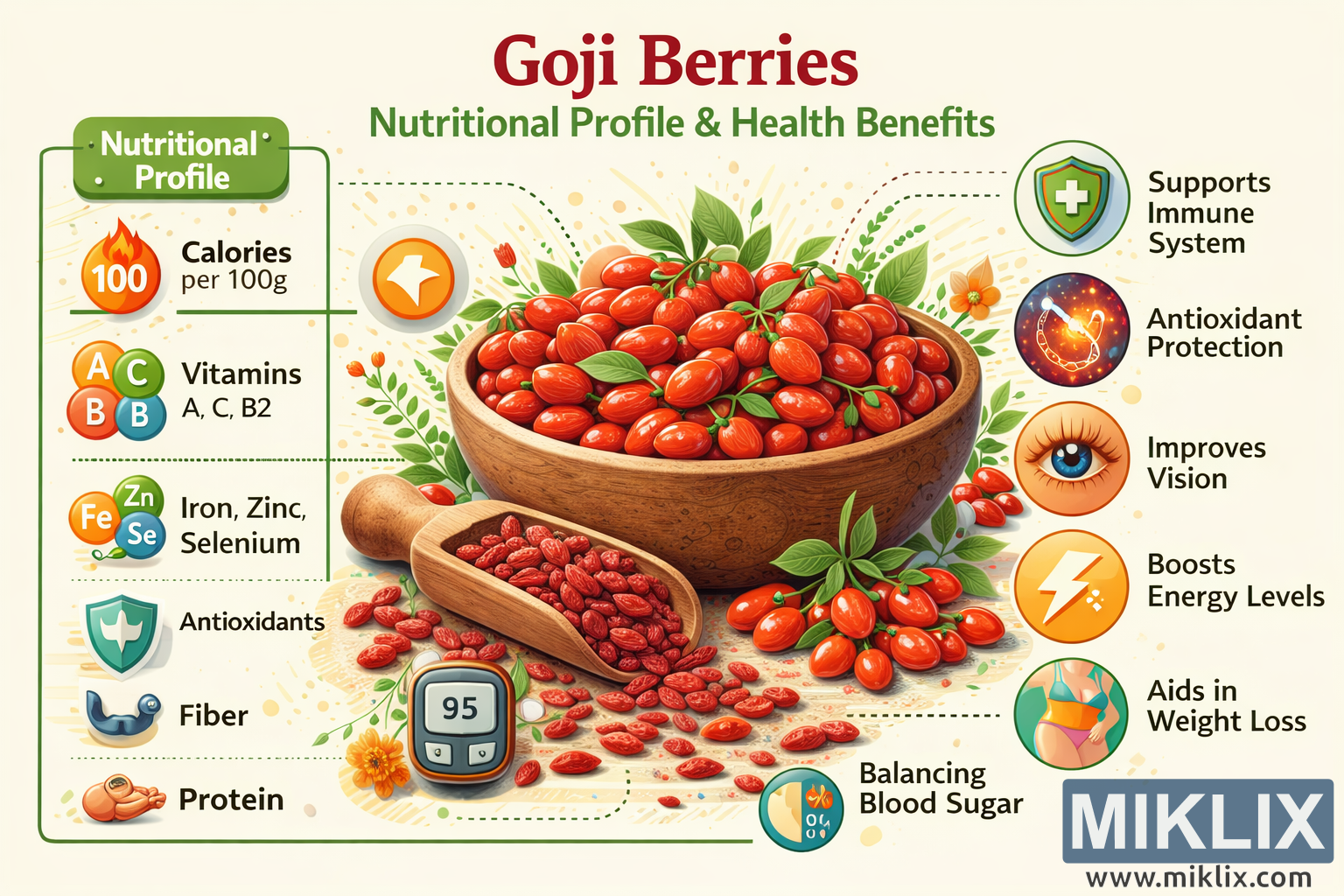
Berries are an excellent source of both soluble and insoluble fiber. Because the seeds of true berries are usually consumed along with the flesh, they provide significant "bulk," which aids in digestion and helps regulate blood sugar levels. A standard serving of blueberries provides approximately 3.6 grams of fiber, supporting a lower glycemic response compared to many other fruits.
Essential Micronutrients
True berries are rich in vitamins that are vital for systemic health:
- Vitamin C: High concentrations are found in citrus (hesperidium berries) and strawberries (culinary berries), but also in gooseberries and currants.
- Vitamin K1: Essential for bone metabolism and blood clotting, Vitamin K is particularly abundant in blueberries and grapes.
- Manganese: This trace mineral is vital for bone formation and nutrient metabolism, found in high levels in the Vaccinium genus.
Comparing Botanical and Culinary Berries
The following table clarifies the classification of popular fruits as of 2026, helping to resolve the ambiguity between botanical science and kitchen terminology.
| Fruit Name | Botanical Classification | True Berry? | Primary Nutritional Highlight |
|---|---|---|---|
| Blueberry | Berry | Yes | Anthocyanins & Manganese |
| Grape | Berry | Yes | Resveratrol & Vitamin K |
| Banana | Berry | Yes | Potassium & Vitamin B6 |
| Tomato | Berry | Yes | Lycopene & Vitamin C |
| Strawberry | Accessory Fruit | No | Vitamin C & Folate |
| Raspberry | Aggregate Fruit | No | Dietary Fiber & Ellagic Acid |
| Blackberry | Aggregate Fruit | No | Vitamin C & Vitamin K |
| Orange | Hesperidium (Modified Berry) | Yes | Vitamin C & Hesperidin |
| Watermelon | Pepo (Modified Berry) | Yes | Citrulline & Lycopene |
| Cranberry | Berry | Yes | Proanthocyanidins (PACs) |
Cultivation and Environmental Considerations
The production of true berries in 2026 faces challenges from shifting climate patterns. True berries like blueberries and cranberries require specific soil acidity (low pH) and "chill hours"—a specific number of hours below a certain temperature during winter—to fruit effectively.
Advancements in agricultural technology now allow for the cultivation of "true" berries in non-traditional climates using hydroponics and controlled-environment agriculture (CEA). This is particularly important for berries with high antioxidant profiles, such as the Honeysuckle berry (Hascap), which is gaining popularity as a hardier true berry variety capable of withstanding extreme cold.
Troubleshooting Common Misidentifications
When trying to identify a "real" berry in the wild or at the market, look for these indicators:
- Check for a Pit: If the fruit has a single, large, hard stone (like a cherry or olive), it is a drupe, not a berry.
- Examine the Skin: If the seeds are on the outside, it is likely an accessory fruit (strawberry).
- Count the Ovaries: If the fruit looks like it is made of many tiny bubbles fused together, it is an aggregate fruit (blackberry).
- Look at the Internal Structure: If you cut the fruit open and the seeds are scattered through the flesh (like a kiwi or a grape), you are likely looking at a botanical berry.
Frequently Asked Questions
Is a cucumber a berry?
Yes, botanically speaking, a cucumber is a berry. Specifically, it is a pepo, which is a type of berry with a hard outer rind and multiple seeds embedded in a fleshy interior. Because it develops from a single ovary, it fits the scientific criteria perfectly.
Why does the distinction between culinary and botanical berries matter?
While it may not change how you cook, the distinction is vital for botanical research, allergy science, and agricultural classification. For example, understanding that a tomato is a berry helps plant breeders apply genetic knowledge from other berry-bearing species to improve crop yield and disease resistance.
Are all true berries edible?
No. Botanical classification is based on structure, not safety. Many true berries, such as those found on the Nightshade (Solanum dulcamara) or Pokeberry (Phytolacca americana) plants, are highly toxic to humans. Always verify the species before consumption.
Which true berry has the highest antioxidant content?
Among commonly consumed true berries, the Wild Blueberry typically ranks highest in antioxidant capacity per gram. However, lesser-known true berries like the Elderberry and Aronia berry also contain exceptionally high concentrations of polyphenols.
Is an avocado a berry?
Yes, an avocado is technically a single-seeded berry. Although it has a large seed, the seed is not encased in a "stony" endocarp (like a peach pit). Instead, the fleshy part you eat is the mesocarp, and the thin layer immediately surrounding the seed is the endocarp.
Summary and Next Actions
Understanding the definition of a real berry requires looking past common names and examining the fruit's internal anatomy. True berries, ranging from the common grape to the surprising banana, offer dense nutritional profiles rich in antioxidants and fiber.
For those looking to optimize their nutrition in 2026, a diverse intake of both botanical berries (like blueberries and grapes) and culinary berries (like raspberries) is recommended. Each offers a unique spectrum of phytochemicals. If you are interested in gardening, begin by testing your soil pH, as many true berries from the Ericaceae family require acidic conditions to thrive.
Image Gallery