Ghibli Ranked: How Totoro Holds the Spot as the Studio’s Definitive Masterpiece
In Studio Ghibli rankings, My Neighbor Totoro consistently holds a top spot because it embodies the studio's core philosophy: the intersection of nature, childhood wonder, and the "ma" (emptiness) of quiet moments. While other films of...
In Studio Ghibli rankings, My Neighbor Totoro consistently holds a top spot because it embodies the studio's core philosophy: the intersection of nature, childhood wonder, and the "ma" (emptiness) of quiet moments. While other films offer complex plots, Totoro relies on emotional resonance and iconic character design, making it the most enduring symbol of the Ghibli legacy.
Contents
The Foundation of the Ghibli Identity
To understand why My Neighbor Totoro (1988) remains a permanent fixture at the top of critical and fan-led rankings in 2026, one must look at the historical context of its release. Originally released as a double feature with the harrowing Grave of the Fireflies, Totoro provided a necessary emotional counterpoint. However, it did more than just balance a somber film; it established the visual and thematic vocabulary for everything Studio Ghibli would become.
The film follows two sisters, Satsuki and Mei, who move to the countryside to be near their ailing mother. The "plot" is deceptively thin by Western standards. There is no traditional antagonist, no ticking clock, and no world-ending stakes. Instead, the tension is found in the everyday anxieties of a child—the fear of a parent not returning home, the mystery of a new house, and the overwhelming scale of the natural world. This focus on "low stakes, high emotion" is exactly why it holds its spot; it is a universal experience that transcends the cultural specificities of post-war Japan.
The Power of the "Ma" and Narrative Simplicity
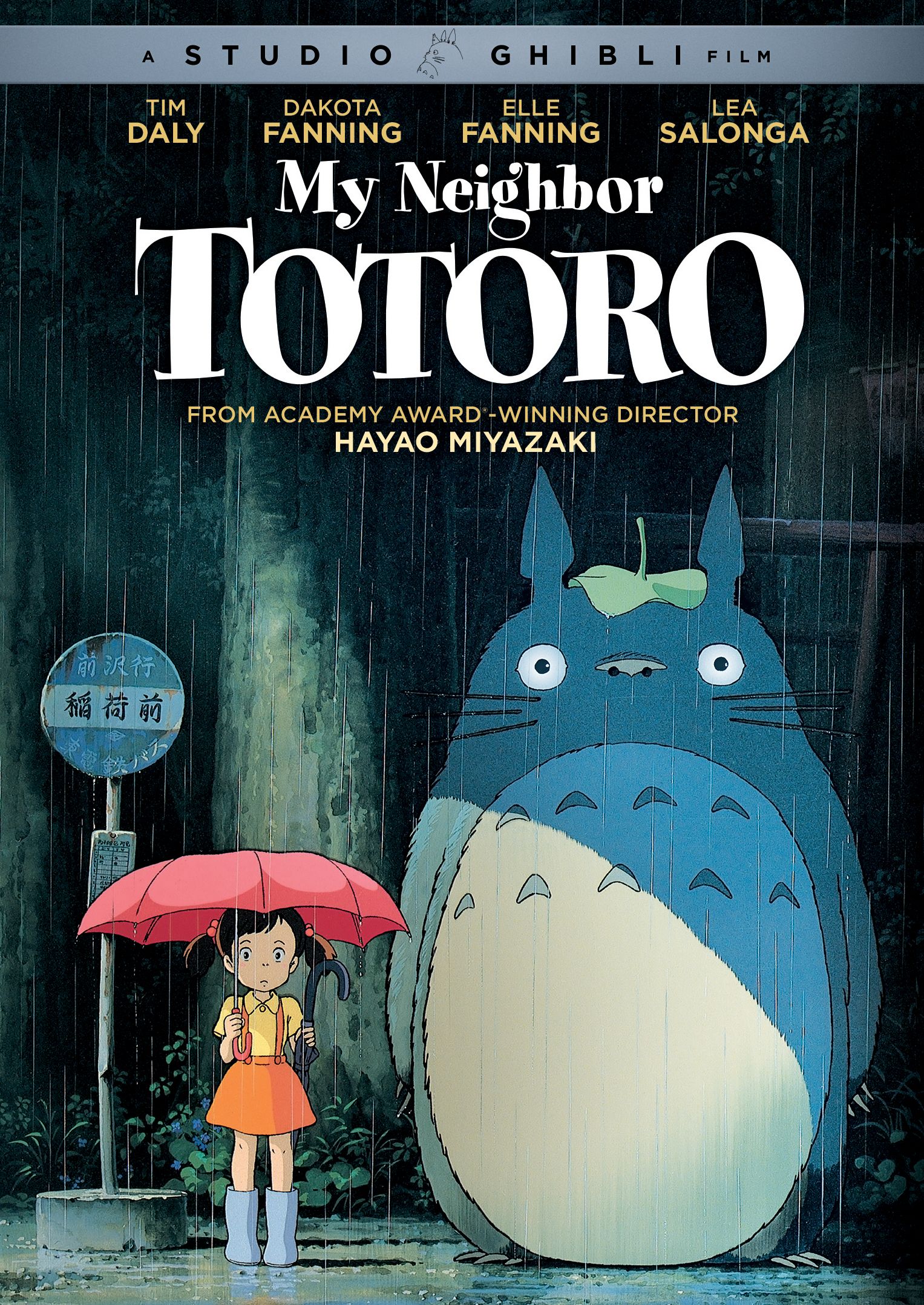
Hayao Miyazaki often speaks of "ma," the Japanese concept of emptiness or intentional space. In many Ghibli rankings, My Neighbor Totoro is praised for its pacing, which allows characters to simply be. We see the sisters waiting for a bus in the rain, or playing in the dirt. These moments do not advance the plot in a traditional sense, but they build an atmosphere of "Iyashikei" (healing).
In an era of high-octane, sensory-overload animation, the 2026 audience finds Totoro more relevant than ever. It acts as a digital detox. The film’s ability to capture the specific texture of wind through camphor trees or the sound of water in a stream creates a sensory experience that more complex narratives like Howl’s Moving Castle or Princess Mononoke sometimes bypass in favor of lore and action. When critics rank these films, Totoro often wins on the basis of "purity of vision." It is the most focused expression of Miyazaki's love for the pastoral.
Totoro as a Global Cultural Icon
It is impossible to discuss why Totoro holds its spot without mentioning the character design of the titular forest spirit. Totoro is not just a character; he is the face of the studio, appearing in the production logo before every film. This branding is a self-fulfilling prophecy for rankings. Because Totoro is the mascot, the film is often the "entry point" for new fans.
The design of Totoro—large, soft, slightly mysterious, but ultimately benevolent—taps into a primal sense of security. In 2026, the proliferation of "cozy gaming" and "cottagecore" aesthetics has only bolstered the film's standing. The Catbus and the smaller Totoro spirits have become shorthand for a specific kind of whimsical comfort. This cultural ubiquity ensures that even as newer, more technologically advanced films are released, Totoro remains the benchmark against which they are measured.
Comparing the Heavyweights: Totoro vs. Spirited Away
When analyzing Ghibli rankings, the battle for the #1 spot is almost always between My Neighbor Totoro and Spirited Away (2001). While Spirited Away won the Academy Award and is objectively more intricate in its world-building, Totoro often edges it out in "rewatchability" and emotional accessibility.
| Feature | My Neighbor Totoro | Spirited Away | Princess Mononoke |
|---|---|---|---|
| Primary Theme | Childhood & Nature | Identity & Greed | Environmental Conflict |
| Antagonist | None (Internal Anxiety) | Yubaba / No-Face | Lady Eboshi / Humans |
| Pacing | Slow, Atmospheric | Fast, Journey-based | Epic, Action-oriented |
| Audience | All Ages (Universal) | Older Children / Adults | Mature Audiences |
| Iconic Element | The Bus Stop Scene | The Bathhouse | The Forest Spirit |
Spirited Away is a masterpiece of the "Hero's Journey," but Totoro is a masterpiece of "Being." In rankings that prioritize the "soul" of the studio, Totoro takes the lead because it feels less like a movie and more like a captured memory. It represents the childhood that many wish they had—one filled with mystery and protected by benevolent spirits.
The Technical Artistry of the Hand-Drawn Era
In 2026, as AI-generated visuals and hyper-realistic CGI dominate the media landscape, the hand-drawn backgrounds of My Neighbor Totoro have gained a legendary status. The art direction by Kazuo Oga is frequently cited in technical SEO and film analysis as some of the finest in animation history. The lush greens of the Japanese countryside are rendered with a level of detail that feels alive.
The film's technical depth isn't found in complex camera movements but in the observation of physical reality. The way Mei’s skirt moves as she runs, or the specific way the rain hits the umbrella at the bus stop, demonstrates a commitment to "truth in motion." This technical honesty is a major factor in why the film hasn't aged. While early 3D films from the 90s and 2000s now look dated, Totoro remains visually pristine, anchoring its spot at the top of "Best Animation" lists globally.
The Joe Hisaishi Influence
A film's ranking is often inseparable from its score, and Joe Hisaishi’s work on Totoro is arguably his most iconic. The soundtrack moves seamlessly from the upbeat, march-like "Stroll" to the ethereal and synth-heavy "The Path of the Wind."
Hisaishi’s music provides the emotional cues that the sparse dialogue leaves out. It creates a sense of wonder that is essential for the film's success. In many critical reviews, the "Bus Stop" scene is cited as a perfect marriage of sound design, music, and silence. By 2026, these tracks have been sampled and covered countless times, maintaining the film’s presence in the cultural zeitgeist and ensuring it remains top-of-mind for anyone compiling a Ghibli list.
Relevance in 2026: Ghibli Park and Beyond
The opening and subsequent expansions of Ghibli Park in Aichi Prefecture have solidified Totoro's status. The "Dondoko Forest" area, featuring a full-scale recreation of Satsuki and Mei’s house, is one of the park’s most popular attractions. This physical manifestation of the film allows new generations to interact with the story in a tangible way.
Furthermore, the availability of the Ghibli catalog on global streaming platforms like Max and Netflix has ensured that Totoro is no longer a "niche" foreign film but a global staple. Its high ranking is supported by decades of data showing it as one of the most-streamed titles in the collection. The film’s brevity (at only 86 minutes) also makes it an easy recommendation in a world of three-hour blockbusters, further cementing its "spot" as the quintessential Ghibli experience.
Common Myths and Misinterpretations
Over the years, several "dark theories" have circulated online regarding the film's ending, suggesting the girls are dead and Totoro is a god of death. While these theories generate clicks, official statements from Studio Ghibli have repeatedly debunked them.
The reality—that the film is simply a story about the resilience of children—is actually what makes it more profound. Its high ranking is not based on hidden "edgy" meanings, but on its ability to handle serious themes like a mother's illness with grace and hope. This emotional maturity is why it continues to outrank films that rely on shock value or complex twists.
FAQ
Why is Totoro considered the best Ghibli film by many critics? It is considered the best because it distills the studio's aesthetic and thematic goals into their purest form. It avoids the narrative bloat of later films and focuses entirely on the relationship between humanity and the supernatural elements of nature.
Is My Neighbor Totoro suitable for very young children? Yes, it is widely regarded as one of the best films for a child’s first cinematic experience. It lacks the violence found in Princess Mononoke or the frightening transformations seen in Spirited Away, focusing instead on exploration and wonder.
How does the 2026 context change the way we view the film? In 2026, the film serves as a historical document of a pre-digital childhood. As childhood becomes increasingly screen-mediated, Totoro’s depiction of outdoor play and imagination feels like a vital cultural touchstone.
Is there a sequel to My Neighbor Totoro? There is a short film titled Mei and the Baby Catbus, which is shown exclusively at the Ghibli Museum in Mitaka, Japan. While not a feature-length sequel, it expands on the world and remains a highly sought-after experience for fans.
Does the film hold up in 4K or modern formats? Absolutely. The original cel animation was produced with such high-quality paint and detail that modern 4K restorations reveal even more of the artistry in the background paintings, making the forest feel more immersive than ever.
Final Recommendation
For those looking to understand the "Ghibli magic," My Neighbor Totoro remains the essential starting point. Whether you are a long-time fan or a newcomer in 2026, the film offers a rare opportunity to see the world through a lens of curiosity rather than conflict. Its high ranking is not a matter of nostalgia alone; it is a recognition of near-perfect craftsmanship in animation and storytelling. To truly appreciate why it "holds the spot," one must watch it not as an adult looking for a plot, but as a viewer willing to rediscover the mystery of the natural world.
Image Gallery