The Best Face Mask for Men to Try Today: A Professional Grooming Guide for 2026
The best face mask for men to try today depends on your specific skin type, but for most, a kaolin clay or activated charcoal mask is the gold standard. These formulas effectively deep-clean pores, manage excess oil production, and soo...
The best face mask for men to try today depends on your specific skin type, but for most, a kaolin clay or activated charcoal mask is the gold standard. These formulas effectively deep-clean pores, manage excess oil production, and soothe irritation caused by daily shaving and environmental pollutants.
Contents
Men’s skincare has evolved significantly by 2026. No longer a niche interest, high-performance grooming is now a standard part of a professional presentation. While a daily cleanser and moisturizer provide the foundation, a targeted face mask serves as the "heavy lifter" in a routine. It delivers concentrated active ingredients that address specific issues—such as congestion, dehydration, or premature aging—in a single 10-to-15-minute session.
Understanding the Biological Necessity of Face Masks for Men
To understand why a specific mask is necessary, one must look at the physiological differences between male and female skin. On average, male skin is approximately 25% thicker than female skin. It contains more collagen, which provides a tighter, firmer appearance, but it also features a higher density of sebaceous glands.
Under the influence of testosterone, these glands produce more sebum (oil). While this oil helps protect the skin, an excess often leads to clogged pores, blackheads, and acne, particularly in the T-zone (forehead, nose, and chin). Furthermore, the act of regular shaving subjects the skin to micro-trauma, which can compromise the stratum corneum—the skin’s outermost protective barrier.
Face masks are designed to penetrate these thicker layers more effectively than standard lotions. Whether through chemical exfoliation or intense hydration, they provide a corrective treatment that balances the skin's natural ecosystem.
Top Face Mask Categories for the Modern Man
Selecting the right product requires identifying your primary skin concern. In 2026, the market is categorized into four primary functional groups:
1. Detoxifying Clay and Charcoal Masks
These are the most popular choices for men because they tackle the most common male skin issue: oiliness. Clay masks, particularly those using bentonite or kaolin, act like a vacuum for the pores. They draw out embedded dirt and oxidized sebum.
- Best for: Oily skin, large pores, and those living in high-pollution urban environments.
- Key Benefit: Immediate reduction in shine and visible "tightening" of the pores.
2. Hydrating Sheet and Cream Masks
If your skin feels tight, looks dull, or shows fine lines, you are likely dealing with trans-epidermal water loss (TEWL). Hydrating masks use humectants to pull moisture into the skin cells.
- Best for: Dry skin, frequent travelers (especially after long flights), and winter months.
- Key Benefit: Plumps the skin and restores a healthy, energetic glow.
3. Exfoliating Acid Masks
Rather than using "scrubs" with jagged particles that can cause micro-tears, modern exfoliating masks use Alpha Hydroxy Acids (AHAs) or Beta Hydroxy Acids (BHAs). These chemicals dissolve the "glue" holding dead skin cells together.
- Best for: Ingrown hairs (pseudofolliculitis barbae), rough texture, and uneven skin tone.
- Key Benefit: Smoother shaving surface and reduced post-shave bumps.
4. Soothing and Recovery Masks
Designed for sensitive skin or for use immediately after a close shave, these masks focus on anti-inflammatory ingredients. They reduce redness and calm the burning sensation often associated with razor burn.
- Best for: Sensitive skin and post-shave irritation.
- Key Benefit: Instant cooling and redness reduction.
Deep Dive: Critical Ingredients to Look For in 2026
When reading a product label, the first five ingredients usually constitute the bulk of the formula. For a face mask to be effective for male skin, look for these clinically proven components:
- Salicylic Acid (BHA): This is oil-soluble, meaning it can penetrate deep into the pores to break up clogs. It is the gold standard for preventing acne and ingrown hairs.
- Niacinamide (Vitamin B3): A versatile powerhouse that strengthens the skin barrier, reduces redness, and regulates oil production without drying the skin out.
- Hyaluronic Acid: A humectant capable of holding 1,000 times its weight in water. It is essential for men who want to look "rested" and reduce the appearance of fatigue.
- Activated Charcoal: Known for its adsorption properties, it binds to toxins and dirt on the skin's surface, making it easier to wash them away.
- Peptides: These amino acid chains signal the skin to produce more collagen. They are a staple in "anti-aging" masks designed to maintain the skin’s structural integrity.
Comparison of Leading Face Mask Types
| Mask Type | Frequency | Primary Active Ingredient | Best Time to Use |
|---|---|---|---|
| Clay / Charcoal | 1-2x Weekly | Kaolin, Bentonite | Evening, after a hot shower |
| Sheet Mask | As needed | Hyaluronic Acid, Glycerin | Morning or before an event |
| Exfoliating Acid | 1x Weekly | Salicylic or Glycolic Acid | Evening (increases sun sensitivity) |
| Overnight Mask | 2-3x Weekly | Peptides, Ceramides | Before bed |
How to Apply a Face Mask for Maximum Results
The efficacy of a face mask is often determined by the preparation and application process. Follow these steps to ensure you are getting the full value of the product:
- Cleanse First: Never apply a mask to dirty skin. Use a gentle cleanser to remove surface oils and sweat. This ensures the mask has direct contact with the skin surface.
- Open the Pores (Optional but Recommended): Use a warm towel or apply the mask immediately after a shower. The warmth and humidity soften the sebum, allowing clay masks to extract impurities more easily.
- Apply Evenly: Use a dedicated brush or clean fingers. Avoid the sensitive skin directly around the eyes and lips. For men with facial hair, focus the mask on the upper cheeks, nose, and forehead, as the product can be difficult to rinse out of a thick beard.
- Observe Timing: More is not always better. Leaving a clay mask on until it cracks can actually strip too much moisture, causing your skin to overcompensate by producing more oil. Follow the package instructions—usually 10 to 15 minutes.
- Rinse and Seal: Remove the mask with lukewarm water. Follow up immediately with a moisturizer or face oil to lock in the benefits and prevent dehydration.
Addressing Common Myths in Men's Masking
Despite the growth of the industry, several misconceptions persist. One common myth is that masks are only for those with "problem" skin. In reality, masking is a preventative measure. By maintaining pore health and hydration levels today, you reduce the likelihood of deep wrinkles and chronic inflammation in the future.
Another misconception is that "stronger is better." Men often gravitate toward masks that tingle or feel very tight. While some sensation is normal with acids or clay, intense burning is a sign of a compromised skin barrier. In 2026, the focus has shifted toward biocompatibility—using ingredients that work with the skin's natural pH rather than forcing it into submission.
Environmental and Ethical Considerations
In 2026, the "best" face mask isn't just about what it does for your face; it's about its footprint. High-quality brands have largely moved away from single-use sheet masks that contribute to landfill waste, opting instead for biodegradable fabrics or multi-use wash-off formulas. Look for products that are "Leaping Bunny" certified (cruelty-free) and utilize sustainably sourced clays and botanicals.
Frequently Asked Questions
Can I use a face mask if I have a beard?
Yes, but you should stick to the "exposed" areas of your face—the forehead, nose, and upper cheeks. Applying a clay or cream mask into a beard can be messy and difficult to wash out. For the skin under your beard, a beard oil or a specific liquid beard conditioner is more effective than a traditional face mask.
How often should I realistically use a mask?
For most men, once or twice a week is the "sweet spot." Over-masking, especially with exfoliating or detoxifying formulas, can lead to irritation and dryness. If you have very oily skin, you might lean toward twice a week; if your skin is sensitive, once every ten days may be sufficient.
Is it okay to "multi-mask"?
Multi-masking involves applying different masks to different parts of the face simultaneously. For example, you might apply a charcoal mask to your oily nose and forehead (T-zone) and a hydrating cream mask to your drier cheeks. This is a highly efficient way to address combination skin.
Should I shave before or after using a mask?
It depends on the mask. If you are using a soothing or hydrating mask, using it after shaving can help calm the skin. However, if you are using an exfoliating acid or deep-cleansing clay mask, you should avoid using it immediately after shaving, as the freshly sensitized skin may sting or become inflamed.
Why does my skin break out right after using a detox mask?
This is often called "purging." When a clay mask draws impurities to the surface, it can occasionally trigger a temporary breakout as those clogs are expelled. This usually clears up within a few days, revealing clearer skin beneath.
Final Recommendation
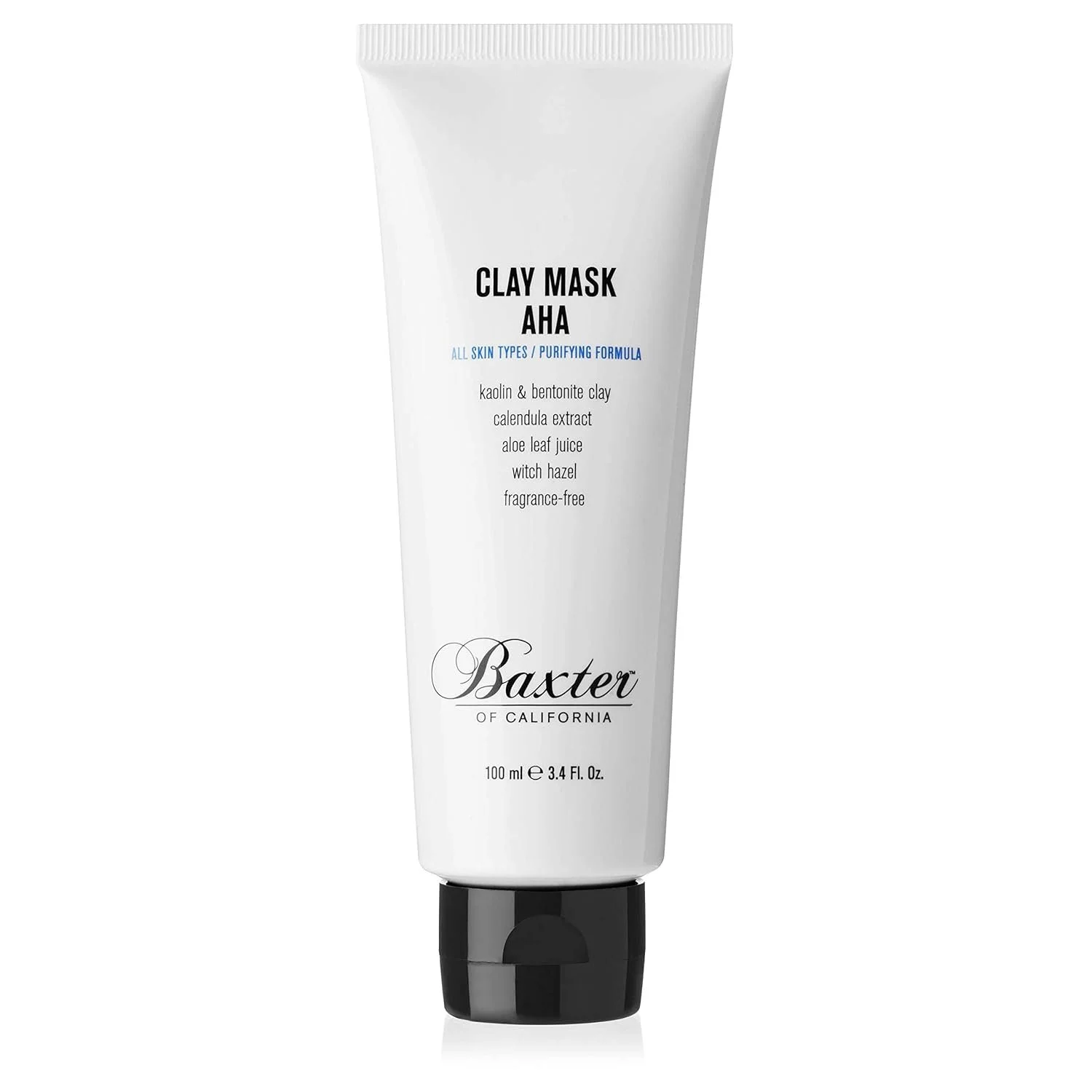
If you are new to masking, start with a high-quality Kaolin Clay mask from a reputable brand like Kiehl's, Baxter of California, or a specialized dermatological line. These provide the most "instant" results by refining the skin's texture and removing the daily grime that simple washing leaves behind. As you become more familiar with how your skin reacts, you can incorporate targeted treatments like hyaluronic acid sheet masks for recovery after long work weeks or travel.
Image Gallery