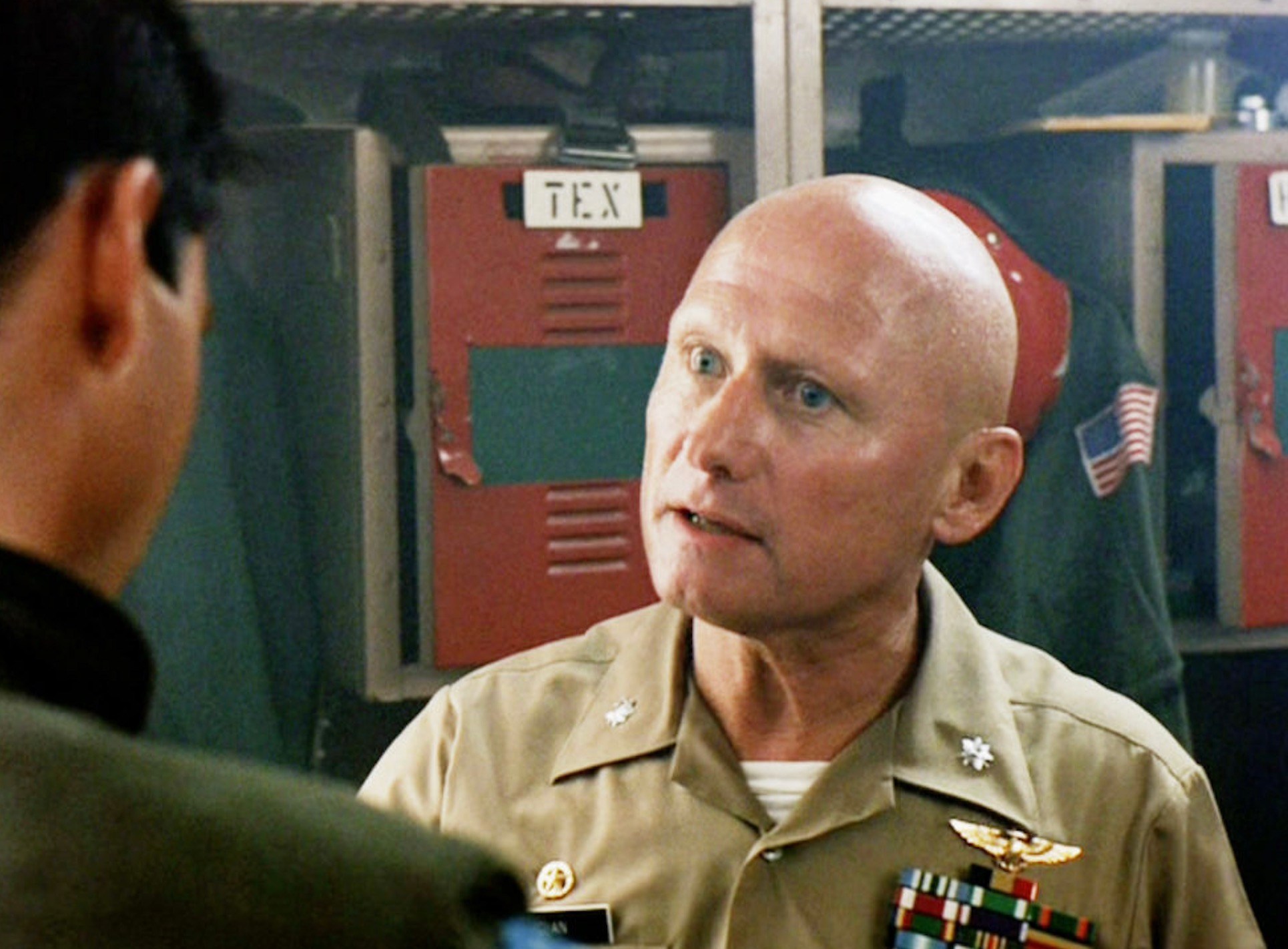
The Enduring Craft: Why James Tolkan Remains a Classic Character Actor
James Tolkan’s status as a classic character actor is rooted in his unparalleled ability to command screen presence through rigid authority, distinct vocal cadence, and an uncanny knack for inhabiting roles that demand both menace and...
James Tolkan’s status as a classic character actor is rooted in his unparalleled ability to command screen presence through rigid authority, distinct vocal cadence, and an uncanny knack for inhabiting roles that demand both menace and comedic frustration. Throughout a career spanning over six decades, he has become a foundational figure in American cinema, not by leading franchises, but by grounding them with performances that elevate the stakes for every protagonist he encounters.
Contents
The Architecture of a Character Actor
A character actor is defined by the ability to step into a narrative, provide a specific, often heightened personality, and exit—leaving the audience with an indelible impression. Unlike a traditional leading man who often plays variations of the same archetypal hero, the character actor must be a chameleon. James Tolkan excels in this craft because he possesses a singular, recognizable "look" and "sound" that directors can utilize as a shorthand for institutional friction.
Tolkan does not simply deliver lines; he crafts an environment of tension. Whether as the high-pressure Mr. Strickland in the Back to the Future trilogy or the uncompromising FBI agent in WarGames, he functions as the human embodiment of the system. His characters often represent the rules, the clock, or the red tape that the protagonist must overcome. By playing these roles with absolute conviction rather than caricature, he forces the audience to take the threat seriously, which in turn makes the hero’s eventual victory more earned.
Iconic Roles and the Art of the Antagonist
Tolkan’s filmography is marked by roles that are small in runtime but massive in narrative impact. His work is characterized by several distinct qualities that define his longevity:
The Mastery of High-Stress Authority
Tolkan’s characters frequently hold positions of power, but it is rarely a position of ease. He specializes in the "stressed authority figure." He captures the exhaustion of managing unruly subordinates or the manic intensity of a man obsessed with order. This is most visible in his turn as Principal Gerald Strickland. In a film defined by high-concept science fiction, Tolkan remains entirely grounded in reality. His performance is a study in consistency; he plays the role with the same level of lethal seriousness in 1955 as he does in 1985, anchoring the time-travel narrative in the unchanging nature of rigid bureaucracy.
Vocal Texture and Physicality
A character actor’s instrument is their entire being. Tolkan utilizes a rapid-fire, clipped speech pattern that suggests a man who believes every second spent talking is a second wasted. This vocal rhythm creates a sense of constant urgency. Complementing this is his physical presence—often slight, yet intensely coiled. He uses his physicality to assert dominance, frequently standing perfectly still while others are in motion, which makes him the focal point of any scene he occupies.
Comparative Impact: Tolkan vs. Modern Character Tropes
To understand why Tolkan remains a standard-bearer for the craft, it is helpful to compare the "classic" character actor model with modern industry practices.
| Feature | Classic Character Acting (e.g., Tolkan) | Modern "Ensemble" Casting |
|---|---|---|
| Narrative Role | Represents the system/obstacle | Often functions as comic relief |
| Training Basis | Stage and repertory theater | Influencer or social media discovery |
| Performance Style | Rigid, disciplined, character-first | Naturalistic, self-referential |
| Endurance | Defined by consistent craft across decades | Often tied to current cultural trends |
The distinction lies in the commitment to the bit. Tolkan rarely "winks" at the camera. Even when his characters are in comedic scenarios, he plays them with the straight face of someone who is convinced they are the only sane person in the room. This dedication creates a level of immersion that allows the audience to suspend their disbelief regardless of how absurd the premise of the movie might be.
Prerequisites for Longevity in Hollywood
The path of the character actor is rarely glamorous, but it is often more sustainable than that of the matinee idol. Tolkan’s career provides a blueprint for longevity that relies on three core pillars:
- Versatility within a Niche: While Tolkan is known for authority figures, he has successfully pivoted to roles in dramas, thrillers, and comedies. He understands how to recalibrate his intensity for the tone of the specific film.
- Professional Reliability: Character actors who are known for being "on time, off-book, and ready to work" are the backbone of studio productions. Tolkan’s reputation for professionalism ensured he was a go-to choice for major directors throughout the 1980s and 1990s.
- The "Third Man" Dynamic: He understands the geometry of a scene. He knows that he does not need to win every moment to be the most memorable person in the frame. By supporting the lead actor’s performance, he often inadvertently steals the scene through sheer intensity.
Frequently Asked Questions
Why is James Tolkan considered an "authority" archetype?
Tolkan’s specific vocal cadence—sharp, rapid, and authoritative—combined with a stern, unflinching gaze, makes him a natural fit for characters who enforce rules. He conveys the weight of an institution without needing pages of exposition to explain his character's background.
Does James Tolkan only play villains?
No. While he is famous for playing antagonists or "obstacles," he is not a villain in the traditional sense. His characters are usually acting based on their own internal code of conduct, which puts them at odds with the protagonist. He plays bureaucrats, teachers, and officials who genuinely believe they are right.
How did his background in theater influence his film career?
Tolkan was heavily involved in the Off-Broadway and repertory theater scene, particularly with the Actors Studio. This training focused on psychological motivation. Even in blockbuster films, he approaches his roles with the same depth of character work he utilized on stage, which prevents his characters from becoming hollow tropes.
What makes his performance in "Back to the Future" so effective?
His performance remains iconic because he does not treat the film as a comedy. He plays Mr. Strickland as a man genuinely concerned with the decline of student discipline. By treating the threat of detention with the same seriousness as a life-or-death situation, he provides the perfect foil for Marty McFly’s chaotic energy.
The Legacy of the Consistent Performer
In 2026, as the industry continues to shift toward digital-heavy productions and shifting distribution models, the value of a classic character actor like James Tolkan has not diminished. If anything, it has become more essential. Audiences crave the stability of a familiar face who can anchor a scene with genuine, human friction.
Tolkan’s work serves as a reminder that the most compelling elements of a film are often the performances that demand the least amount of screen time but exert the most control over the narrative flow. He remains a master of the craft because he never attempted to be the star; he was content to be the engine that made the stars look better. For any aspiring performer or student of cinema, studying the career of James Tolkan reveals that true screen presence is not about taking up space, but about making every moment you are on screen count toward the larger truth of the story.
Image Gallery