Cookie Clicker: Why It Is Time to Stop Playing in 2026
Note: This comprehensive guide addresses the cultural phenomenon of Cookie Clicker, analyzing the psychological hooks of idle games, the opportunity cost of excessive screen time, and structured strategies for breaking free from compul...
Note: This comprehensive guide addresses the cultural phenomenon of Cookie Clicker, analyzing the psychological hooks of idle games, the opportunity cost of excessive screen time, and structured strategies for breaking free from compulsive incremental gaming in 2026.
Contents
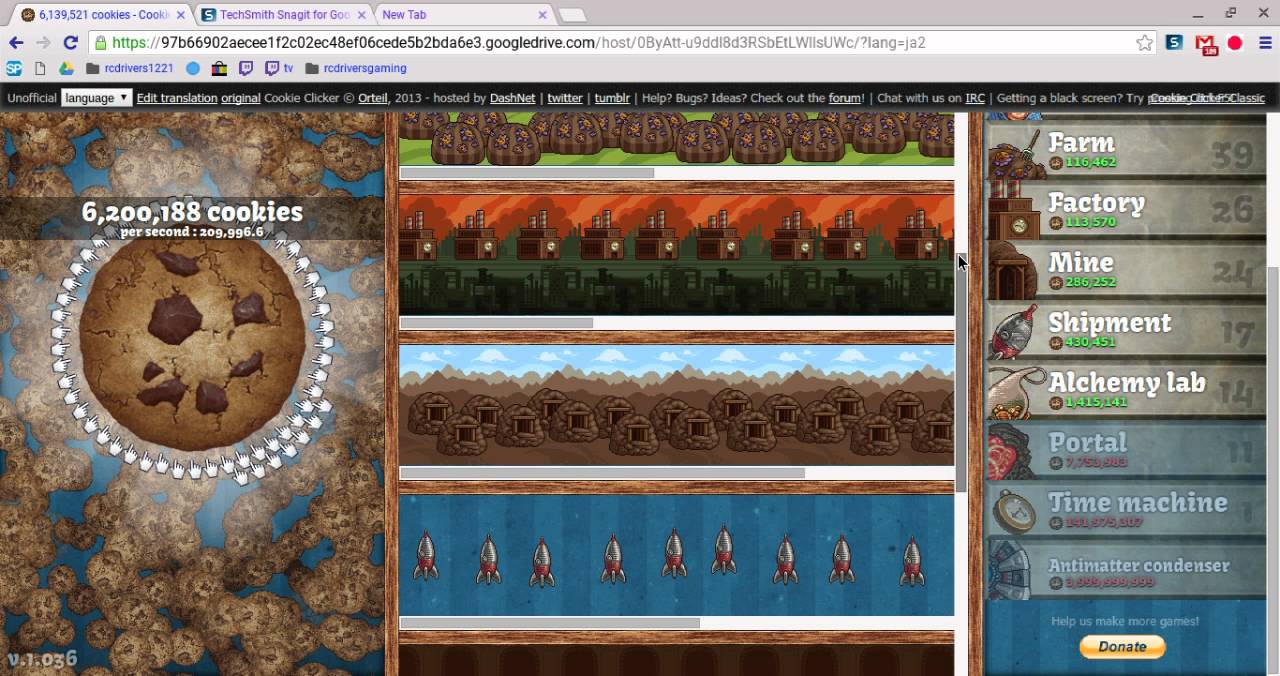
Idle games have evolved from simple browser novelties into deeply addictive psychological loops. Among them, Cookie Clicker remains the undisputed titan of incremental progression. Since its inception, millions of players have spent countless hours watching grandmas bake, portals tear open reality, and cursors multiply exponentially. However, as the digital landscape matures in 2026, the opportunity cost of maintaining an active or passive cookie empire has never been higher. Recognizing the signs of digital burnout, understanding the mechanics of forced engagement, and reclaiming your daily schedule are essential steps for anyone looking to break the cycle.
The Evolution of Incremental Burnout in 2026
The gaming ecosystem of 2026 offers immersive, narrative-driven, and highly social experiences across PC, console, and spatial computing platforms. Yet, millions continue to keep browser tabs open for days, weeks, or even years, feeding an endless stream of baked goods. This persistent engagement relies on variable reward schedules and the illusion of constant progress.
When a game requires zero cognitive skill yet demands persistent attention—or forces you to leave your browser running overnight—it shifts from a leisure activity into an uncompensated chore. Modern productivity frameworks emphasize deep work and mental restoration. Leaving a legacy save running in the background fundamentally undermines the ability to achieve deep focus, constantly pinging the dopamine receptors with trivial milestones like unlocking the thousandth anti-matter condenser.
Psychological Hooks and the Sunk Cost Fallacy
Understanding why it is so difficult to close the tab requires an honest look at the psychological mechanics driving Cookie Clicker. Game designers utilize specific loops to keep players anchored to the interface.
- Variable-Ratio Schedules: Random golden cookie spawns trigger a rush of excitement, training the brain to check the screen obsessively.
- Exponential Scaling: The distance between current production and the next tier of upgrades continually expands, creating an endless carrot-on-a-stick dynamic.
- The Sunk Cost Fallacy: Having invested months into a single save file makes the prospect of closing the tab feel like wasting accumulated progress.
- Passive Validation: Watching numbers tick upward provides a superficial sense of achievement without requiring real-world effort.
These mechanisms are engineered to bypass rational decision-making. Recognizing that virtual numbers hold no intrinsic value is the first step toward breaking the spell of compulsive incrementalism.
The True Cost of Keeping the Browser Open
While idle games are marketed as low-effort pastimes, they exact hidden tolls on both hardware and personal productivity. Evaluating these trade-offs clarifies why walking away is a net positive for your daily routine.
| Cost Category | Impact of Continued Play | Benefit of Stopping |
|---|---|---|
| Productivity | Continuous context-switching; checking the tab breaks focus during work or study sessions. | Reclaimed attention spans, higher output in professional and academic projects. |
| Hardware & Energy | Unnecessary GPU/CPU cycles, fan noise, and elevated electrical consumption from running background browser tabs 24/7. | Reduced system wear, lower electricity bills, and extended device battery life. |
| Mental Well-being | Low-grade anxiety regarding missed golden cookies or stagnant production rates. | Elimination of artificial stress loops and improved psychological presence in real-world activities. |
| Time Allocation | Dozens of hours spent optimizing ascensions and checking synergy achievements instead of pursuing tangible hobbies. | Hundreds of freed hours annually to dedicate to fitness, learning instruments, or socializing. |
Structured Approaches to Breaking the Habit
Cold turkey cessation works for some, but others require a phased approach to deprogram the compulsion of checking idle stats. Implementing a structured offboarding protocol ensures a permanent break without triggering relapse urges.
- Export Your Save for Closure: Before closing the tab forever, export your save string and store it in an obscure text file. This psychological safety net proves that you can return anytime, reducing the anxiety of permanent loss—even though you will likely never open it again.
- Close the Tab and Clear History: Physically close the browser tab. Remove the bookmark from your toolbar and clear your autocomplete cache to eliminate frictionless access.
- Substitute the Dopamine Loop: Replace the urge to check production numbers with a micro-habit that yields real-world growth, such as doing five push-ups, reading a page of a book, or drinking a glass of water.
- Audit Your Digital Workspace: Clean up your browser extensions and bookmarks bar. Removing idle distractions creates a friction-free environment optimized for high-value tasks rather than mindless clicking.
Pros and Cons of Quitting Cookie Clicker
Transitioning away from a long-term idle game brings distinct behavioral shifts. Weighing these outcomes highlights the long-term advantages of reclaiming your screen time.
- Pros of Quitting:
- Immediate recovery of mental bandwidth and elimination of background distractions.
- Reallocation of hours toward physical fitness, skill acquisition, or career advancement.
- Lowered computer resource usage, leading to quieter fans and a cooler workspace.
- Freedom from artificial engagement loops designed solely to capture ad revenue or retain user metrics.
- Cons of Quitting:
- Temporary discomfort or boredom during the initial transition away from the familiar click-and-wait cycle.
- Loss of connection to inside jokes within the incremental gaming community.
Frequently Asked Questions
Is it really a problem if the game runs in the background while I work?
Yes, background tabs consume system resources and cause micro-distractions. Even a glance at the screen breaks your flow state and fractures your concentration.
What if I have spent years on my save file and feel attached to it?
That attachment is a direct result of the sunk cost fallacy. Exporting your save file to a local drive provides emotional closure while allowing you to permanently close the active browser tab.
Are all idle games bad for productivity?
Not necessarily, but games that demand continuous passive monitoring or reward obsessive checking disrupt mental rest. True leisure should recharge your energy rather than quietly draining it.
How do I deal with the urge to check my cookie production stats?
Acknowledge the impulse as a conditioned response to a variable reward loop. Substitute the urge immediately with a physical action, such as stretching or stepping away from the desk.
Can quitting a game like Cookie Clicker actually improve my daily focus?
Absolutely. Removing low-stakes digital distractions trains your brain to tolerate deeper levels of concentration, making sustained work and complex problem-solving significantly easier.
Reclaim Your Time and Attention Today
Cookie Clicker was a fun experiment in absurdity, but holding your browser hostage to bake virtual treats has run its course. By severing ties with artificial incremental loops, you free up mental real estate for pursuits that actually matter in the real world. Close the tab, export your final save into the digital abyss, and redirect your focus toward tangible achievements that yield genuine, lasting fulfillment.
Image Gallery