How to Train Your Jawline for Better Definition
Training your jawline involves a combination of reducing overall body fat to reveal underlying bone structure, developing the masseter muscles through controlled resistance, and maintaining optimal posture. Achieving a defined jaw is l...
Training your jawline involves a combination of reducing overall body fat to reveal underlying bone structure, developing the masseter muscles through controlled resistance, and maintaining optimal posture. Achieving a defined jaw is less about spot-reduction and more about systemic physiological changes, including fat loss, muscle tone, and the mitigation of inflammation or fluid retention around the facial region.
Contents
The Physiology of Jawline Definition
The visible shape of the jawline is dictated by three primary factors: the size and tone of the masseter muscles, the amount of subcutaneous fat covering the mandibular bone, and the skin’s elasticity. Unlike other muscle groups in the body, the jaw does not respond to "spot training" in the way that, for instance, a bicep does. You cannot burn fat specifically from the chin or jaw area through targeted exercises alone.
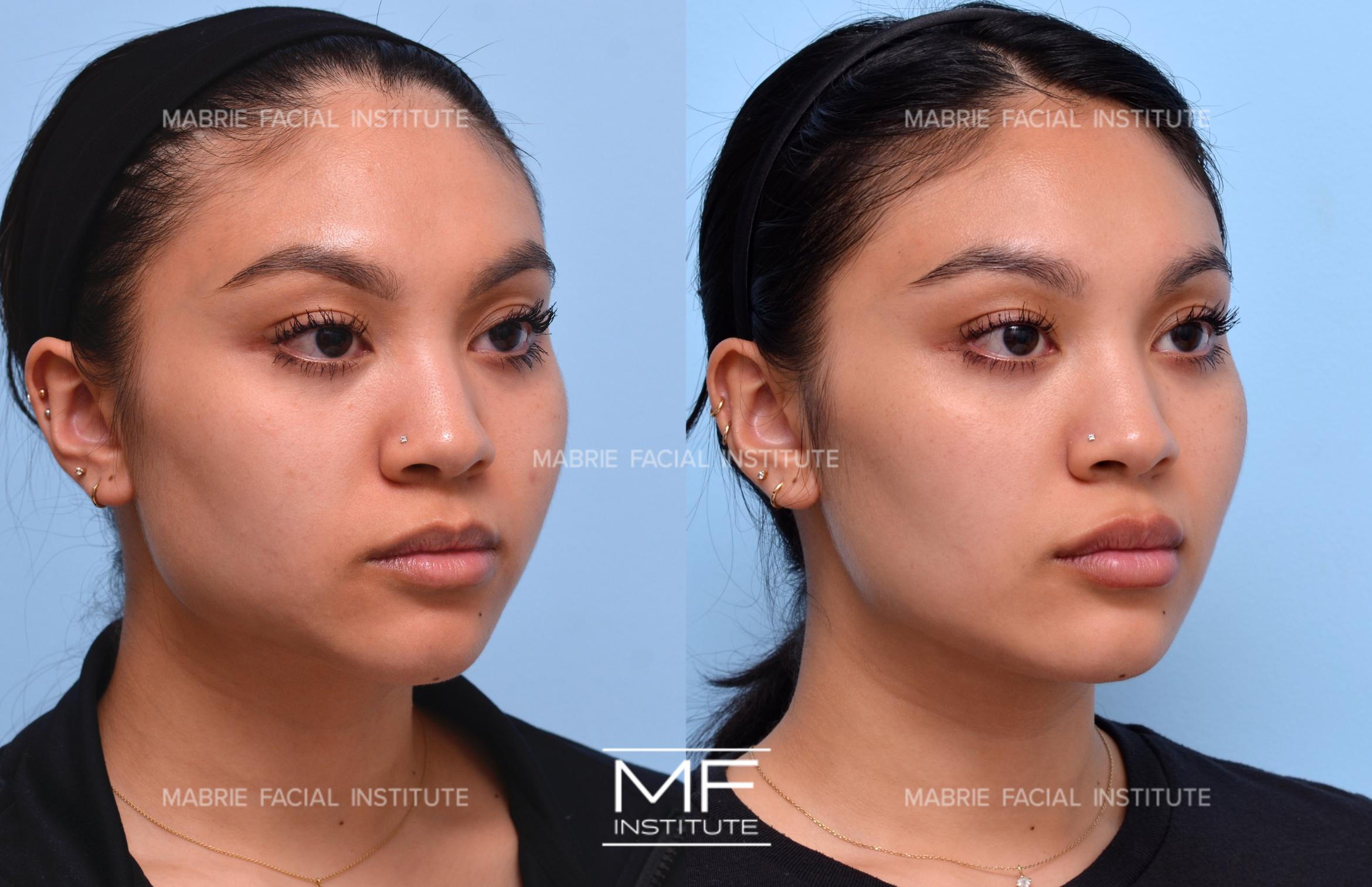
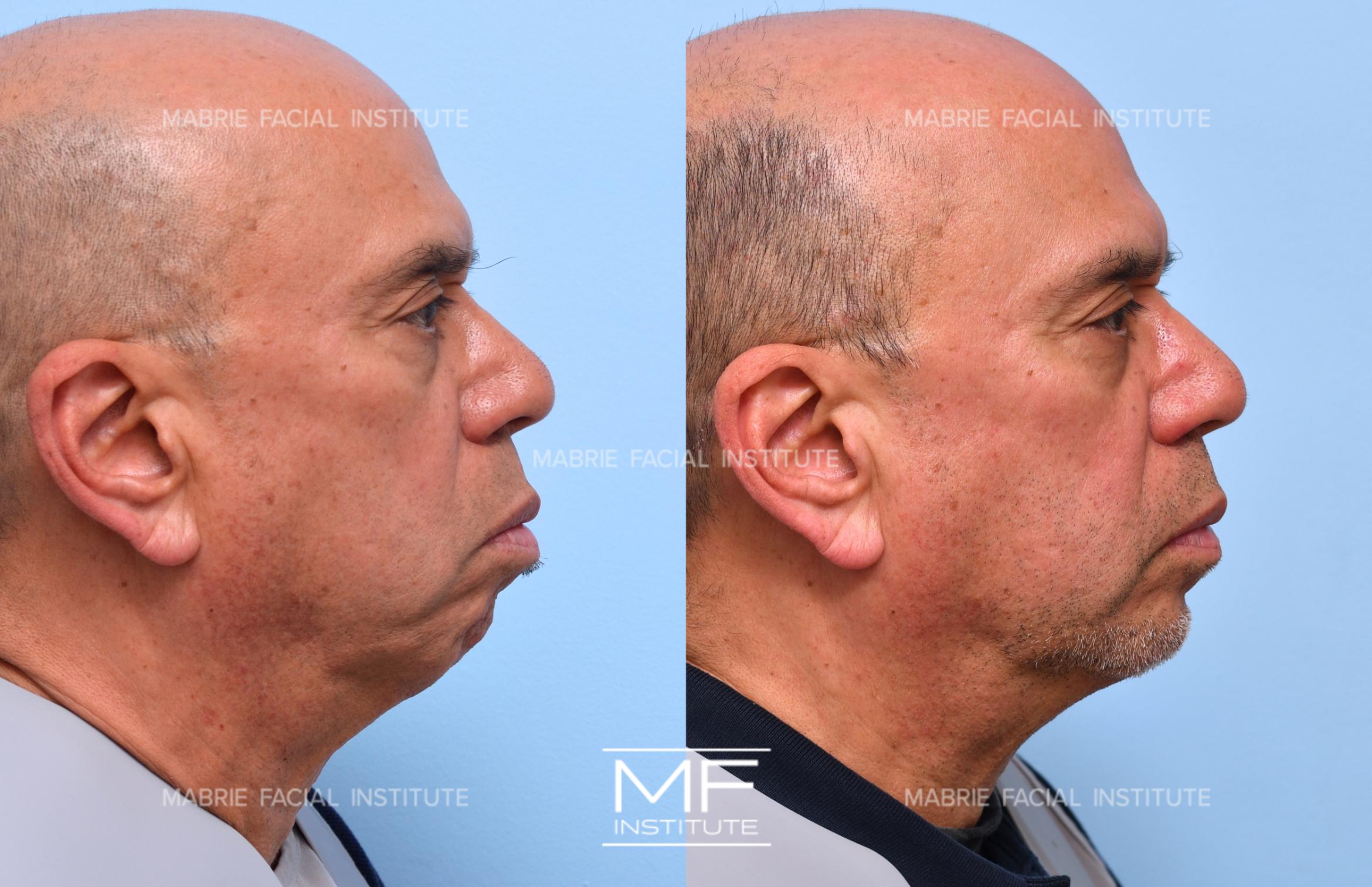
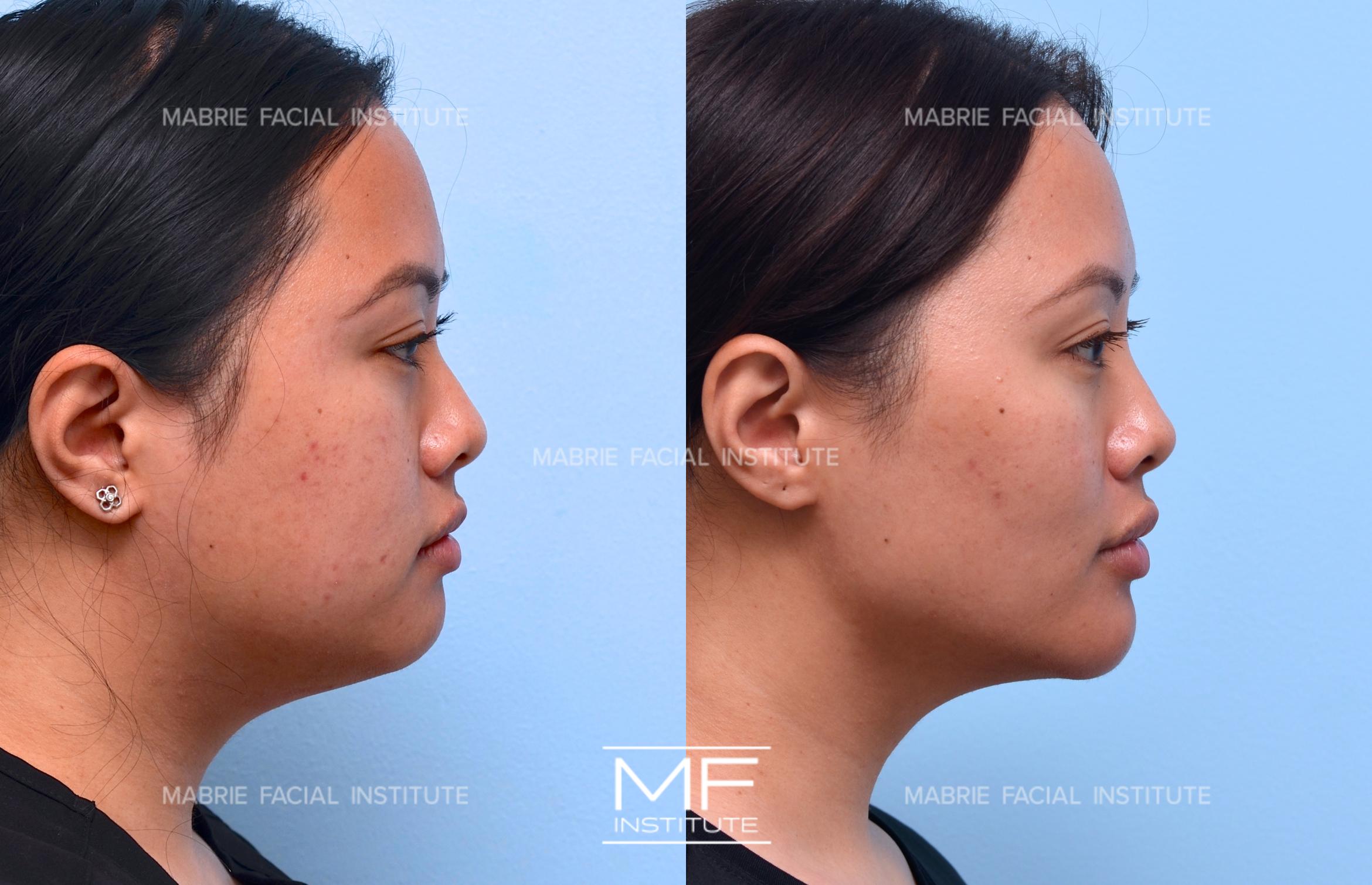
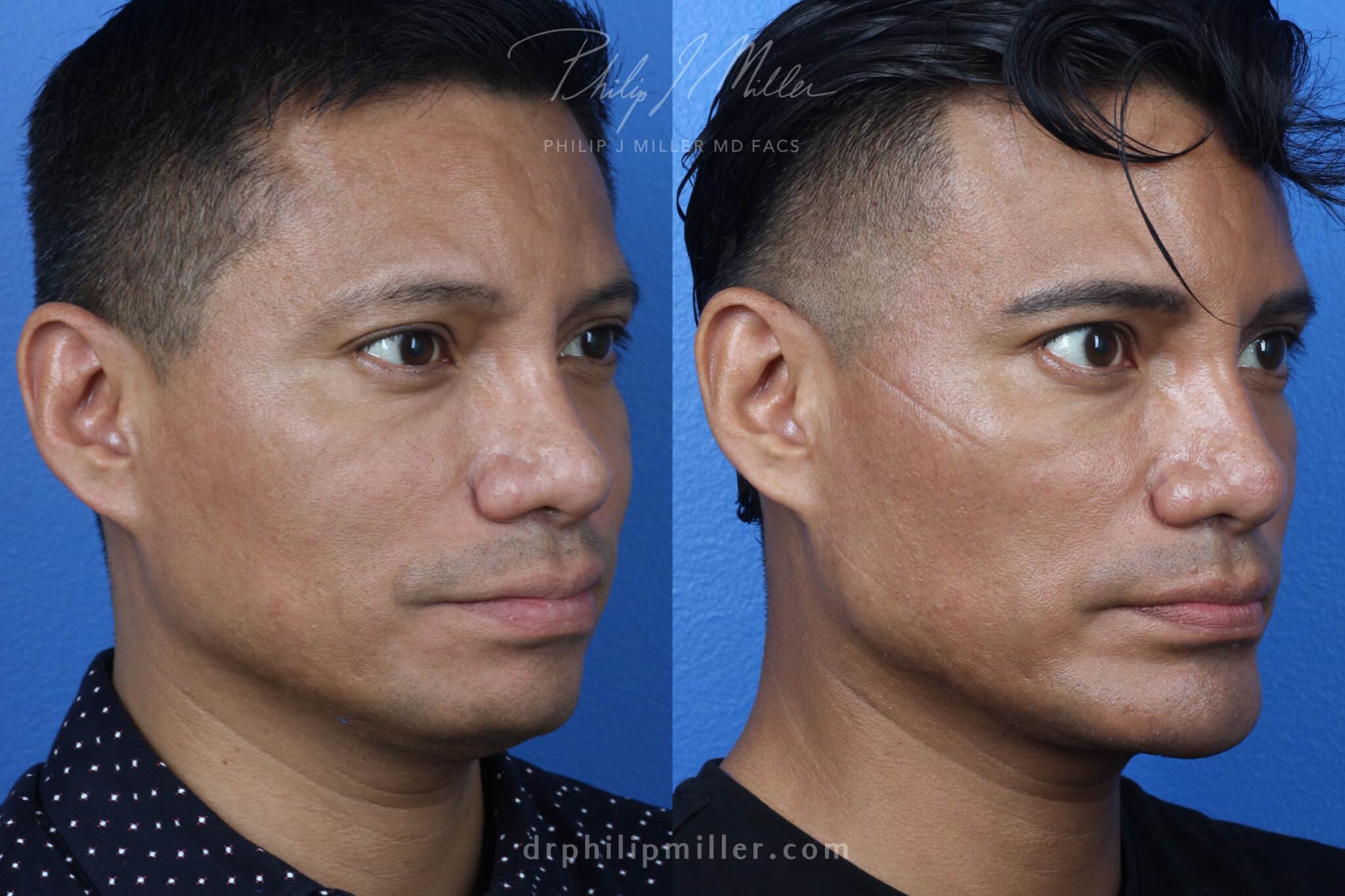
Instead, facial aesthetics are heavily influenced by your overall body composition. When your systemic body fat percentage decreases, the fat deposits located in the submental area (under the chin) and the jowls naturally recede, allowing the jawbone and the masseter muscles to become more apparent.
Strategic Resistance and the Masseter Muscles
The masseter is the strongest muscle in the human body relative to its size, primarily responsible for the elevation of the mandible (closing the jaw). Over-training these muscles through excessive chewing or high-intensity resistance tools can lead to complications such as Temporomandibular Joint (TMJ) disorders.
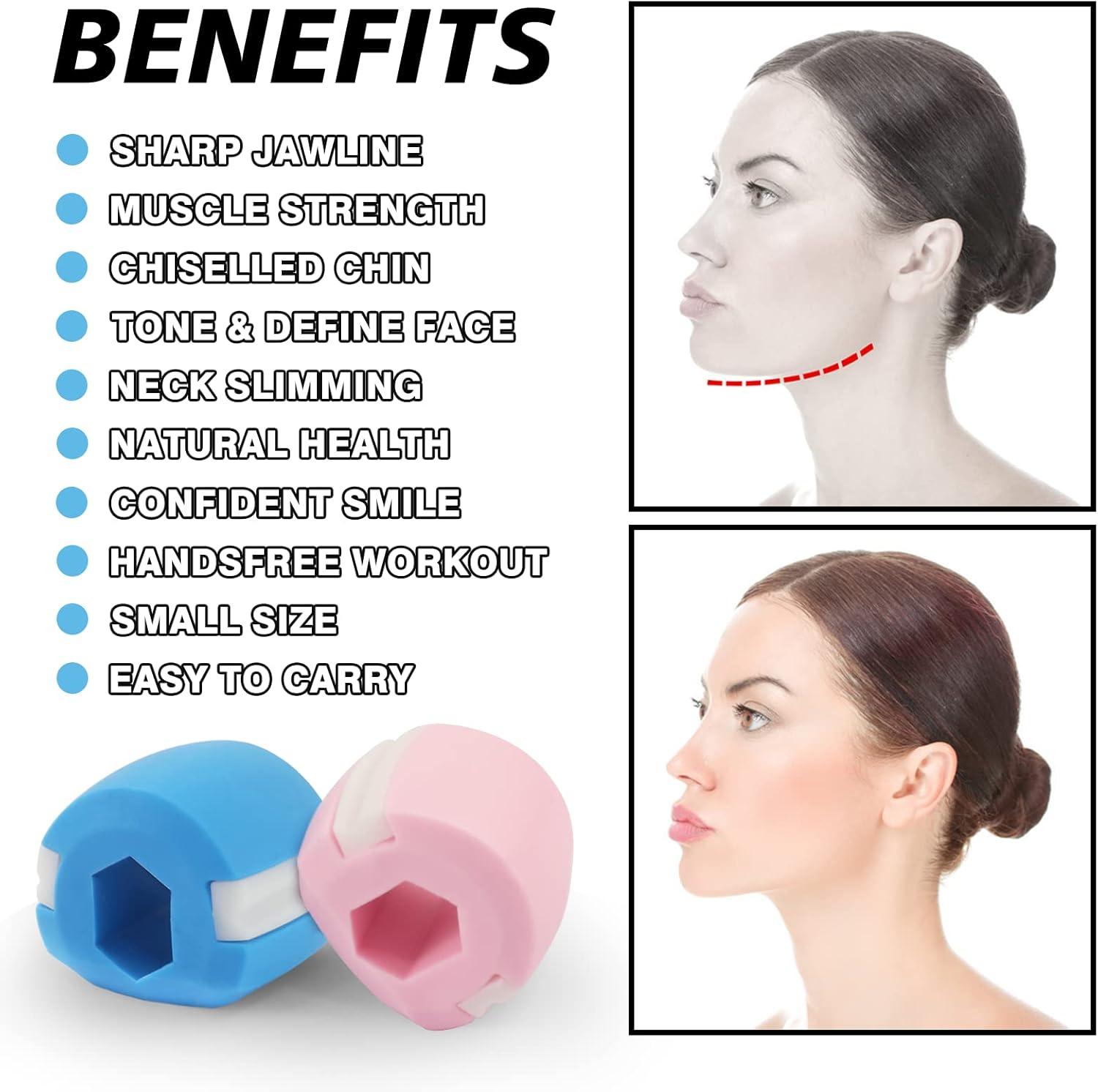
If you choose to incorporate resistance-based tools, proceed with extreme caution. These devices are designed to provide resistance during mastication. However, they place significant strain on the TMJ—the hinge connecting your jawbone to your skull. Prolonged or improper use of such devices may cause:
- Chronic jaw pain or soreness.
- Earaches or tinnitus.
- Clicking or popping sounds in the jaw hinge.
- Hypertrophy (excessive growth) of the masseter muscles, which can give the face a wider, square appearance rather than a lean, defined one.
The Role of Body Composition and Nutrition
The most effective way to "train" for a sharper jawline is to manage your body fat percentage. Men typically begin to notice significant facial definition at 10% to 15% body fat, while women often see these changes between 18% and 22%.
To reach these levels, focus on:
- Caloric Deficit: A moderate, sustainable reduction in daily caloric intake allows the body to tap into stored fat reserves.
- Hydration: High sodium intake leads to water retention, which often manifests as puffiness in the face and neck. Increasing water intake helps flush excess sodium and reduces facial bloating.
- Whole Foods: Reducing processed carbohydrates and sugar limits insulin spikes, which are associated with systemic inflammation and water retention.
Posture and Tongue Positioning
Many experts emphasize the importance of tongue posture, a concept popularized under terms like "mewing." The theory suggests that resting the tongue against the roof of the mouth can help support the structure of the palate and jaw. While scientific literature remains sparse on the long-term structural changes this can produce in adults, it serves a secondary benefit: it prevents the "double chin" effect often caused by poor neck posture or a recessed tongue position.
Keeping your neck elongated and your chin slightly retracted—avoiding the "tech neck" posture associated with looking down at devices—immediately improves the appearance of the jawline by tightening the submental muscles and the skin beneath the chin.
Comparing Methods for Jawline Enhancement
| Method | Mechanism | Risks | Effectiveness |
|---|---|---|---|
| Systemic Fat Loss | Reduced submental fat | Minimal | High |
| Resistance Tools | Masseter hypertrophy | TMJ strain, pain | Moderate/Risky |
| Posture Correction | Structural alignment | None | Immediate visual impact |
| Hydration/Diet | Reduced inflammation | None | High |
Common Mistakes to Avoid
Many individuals fall for marketing trends that promise "sculpted jawlines" in days. Be wary of these common pitfalls:
- Over-chewing: Constant gum chewing or the use of heavy-duty silicone devices can cause joint inflammation. If you feel pain in the hinge of your jaw, stop immediately.
- Ignoring Genetics: The shape of your mandible is genetically determined. While you can lean out, you cannot physically change the length or angle of your bone structure through exercise.
- Ignoring Sleep: Lack of sleep increases cortisol levels, which can lead to water retention and fat storage, specifically in the facial and abdominal regions.
Frequently Asked Questions
Can I get a sharp jawline just by doing facial exercises? No. Facial exercises alone cannot overcome a higher body fat percentage. While they may slightly increase the tone of facial muscles, they do not burn the subcutaneous fat layer covering the jaw, which is the primary factor in visibility.
Is chewing gum an effective way to train the jaw? Excessive gum chewing can lead to masseter hypertrophy or TMJ strain. While it acts as a form of resistance, it is generally not recommended as a training strategy due to the potential for chronic jaw issues.
Does sodium intake actually affect my jawline? Yes. Excessive sodium causes your body to retain water. Because the skin in the neck and chin area is relatively thin, even slight water retention can obscure the definition of your jawline, making it appear softer or "puffy."
How long does it take to see results? If you are consistently in a caloric deficit, visible changes in facial composition often appear within four to eight weeks, depending on your starting body fat percentage and metabolic rate.
What is the best way to handle a "double chin"? If the double chin is caused by fat, it will resolve as you lose systemic body weight. If it is caused by poor posture, correcting your neck alignment and practicing proper tongue posture can offer immediate improvement. If it is skin-related due to age or weight loss, topical treatments or clinical interventions may be required.
Medical Disclaimer
The information provided here is for educational purposes and does not constitute medical advice. Jaw training carries inherent risks of dental and joint-related complications. Before beginning any regimen that involves resistance training for the face, particularly if you have a history of jaw clicking, popping, or pain, consult with a dentist or an oral and maxillofacial surgeon to ensure your TMJ is healthy enough for such activity.
Next Steps
To begin working toward a more defined jawline, start by auditing your current body composition and daily nutrition. Focus on lowering your systemic body fat percentage through a balanced diet and regular physical activity. Simultaneously, practice daily postural awareness—ensure your head is aligned with your spine and your tongue rests on the roof of your mouth. If you choose to use mechanical resistance tools, limit sessions to no more than five minutes, and cease use immediately if you experience any discomfort in your jaw joints.
Image Gallery