Strategies for Affording Health Insurance on a Tight Budget in 2026
Affording health insurance on a tight budget in 2026 requires leveraging federal premium tax credits, exploring Medicaid expansion options, and selecting plans with Cost-Sharing Reductions (CSRs). By calculating your modified adjusted...
Affording health insurance on a tight budget in 2026 requires leveraging federal premium tax credits, exploring Medicaid expansion options, and selecting plans with Cost-Sharing Reductions (CSRs). By calculating your modified adjusted gross income accurately, you can access subsidies that significantly lower monthly premiums or qualify for low-cost state-sponsored coverage.
Contents
Finding a balance between monthly premiums and out-of-pocket maximums is the primary challenge for budget-conscious consumers. While the instinct is often to choose the plan with the lowest monthly price, this can lead to financial catastrophe if a medical emergency occurs. For those navigating the 2026 insurance landscape, the key is understanding how income-based assistance programs interact with different plan "metal" levels to provide the highest value for every dollar spent.
Navigating the Marketplace and Premium Tax Credits
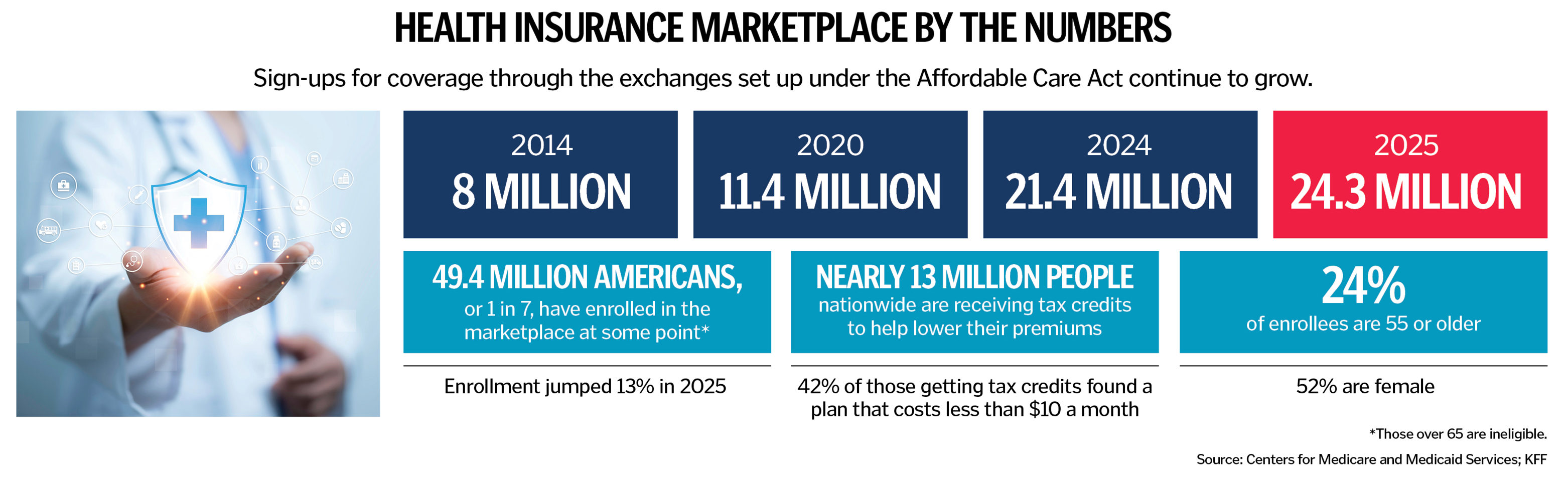
The Affordable Care Act (ACA) Marketplace remains the most viable path for individuals and families who do not have access to affordable employer-sponsored insurance. In 2026, the primary tool for affordability is the Advanced Premium Tax Credit (APTC). This is a federal subsidy designed to cap the percentage of your household income spent on health insurance premiums.
The amount of the tax credit is determined by the "benchmark" plan in your area—usually the second-lowest-cost Silver plan. If your income falls between 100% and 400% of the Federal Poverty Level (FPL), or even higher depending on current legislative extensions, you likely qualify for these credits. The credits are "advanced," meaning they are paid directly to the insurance company each month, lowering your bill immediately rather than making you wait for a tax refund.
To maximize these credits, it is essential to report your income as accurately as possible. Overestimating your income could result in you paying more than necessary throughout the year, while underestimating it could lead to a "clawback" where you must repay a portion of the subsidies when you file your 2026 taxes. For those with fluctuating incomes, such as freelancers or seasonal workers, updating the Marketplace regarding income changes mid-year is a critical step in maintaining budget stability.
The "Silver Plan" Secret: Cost-Sharing Reductions
One of the most overlooked strategies for affording healthcare on a tight budget is utilizing Cost-Sharing Reductions (CSRs). Unlike premium tax credits, which lower your monthly bill, CSRs lower the amount you pay out-of-pocket for medical services, including deductibles, copayments, and coinsurance.
However, there is a specific requirement: you must enroll in a Silver-level plan to receive these benefits. If your household income is below 250% of the Federal Poverty Level, the government effectively upgrades your Silver plan to act like a Gold or Platinum plan behind the scenes. This means you might pay a Silver-level premium (which is further reduced by tax credits) but enjoy a deductible that is thousands of dollars lower than it would be otherwise.
For a budget-conscious individual, a Bronze plan might look cheaper on the surface because of a lower premium. However, a Bronze plan often carries a massive deductible that must be met before the insurance pays for anything. By choosing a Silver plan with CSRs, you protect your monthly budget from the shock of a $5,000 or $8,000 unexpected medical bill. This strategy transforms health insurance from a "just in case" emergency policy into a functional tool for everyday health maintenance.
Exploring Medicaid and CHIP for Low-Income Households
For those at the lower end of the income spectrum, Medicaid and the Children’s Health Insurance Program (CHIP) provide the most comprehensive coverage for the lowest cost. In 2026, eligibility varies significantly depending on whether you live in a state that has adopted Medicaid expansion.
In expansion states, adults earning up to 138% of the FPL are generally eligible for Medicaid. This coverage typically features zero or near-zero premiums and very low copays for prescriptions and doctor visits. Because Medicaid is managed at the state level, the application process and the network of available doctors will differ by geography, but the core benefits—including preventative care, hospitalizations, and maternity care—are federally mandated.
If you earn too much for Medicaid but still struggle to cover your children, CHIP is an essential resource. CHIP often has higher income thresholds than adult Medicaid, ensuring that children in "gap" households—those who earn too much for Medicaid but not enough to easily afford private family plans—remain covered. Enrollment for Medicaid and CHIP is open year-round, meaning you do not have to wait for an Open Enrollment Period to apply if your financial situation changes suddenly.
Catastrophic Plans and High-Deductible Options
If you are under the age of 30 or qualify for a "hardship exemption" (such as homelessness, bankruptcy, or domestic violence), you may be eligible for a Catastrophic health plan. These plans are designed specifically for people who want to avoid the total financial ruin of a major accident or illness but cannot afford a standard comprehensive plan.
Catastrophic plans feature very low monthly premiums but extremely high deductibles. In 2026, these deductibles often align with the maximum out-of-pocket limits set by federal law. While they provide three primary care visits per year at no cost and cover certain preventative services, almost all other costs must be paid out-of-pocket until the deductible is met.
While these plans are "affordable" in terms of monthly cash flow, they are risky for individuals with chronic conditions or those who require regular prescriptions. They serve best as a temporary safety net rather than a long-term healthcare solution. If you choose this route, it is advisable to pair the plan with a dedicated emergency savings fund to cover the high deductible should a medical event occur.
Comparison of Budget-Friendly Insurance Categories (2026 Estimates)
| Plan Category | Primary Benefit | Typical Premium Level | Out-of-Pocket Risk | Best For |
|---|---|---|---|---|
| Medicaid | Zero premiums/copays | Extremely Low | Minimal | Very low income; Expansion states |
| Subsidized Silver | Cost-Sharing Reductions | Moderate (w/ Subsidies) | Low to Moderate | Income 100-250% FPL |
| Bronze Plan | Lowest private premium | Low | High | Healthy individuals; Low usage |
| Catastrophic | Emergency protection | Very Low | Very High | Under 30; Hardship cases |
| Employer HRA/HSA | Tax-advantaged savings | Variable | Moderate | Employees with high-deductible options |
Managing Out-of-Pocket Costs Within Your Plan
Affording insurance is only half the battle; the other half is affording the actual healthcare services. Even the best budget plan can become expensive if not managed correctly. One of the most effective ways to save money is to strictly adhere to in-network providers. Insurance companies negotiate lower rates with specific doctors and hospitals; going out-of-network, even by accident, can lead to "balance billing," where the patient is responsible for the difference between the provider's charge and the insurance company's allowed amount.
Furthermore, 2026 healthcare consumers should maximize the use of preventative care. Under the ACA, most plans must cover screenings, vaccinations, and annual wellness exams at 100% with no cost-sharing. Utilizing these services can catch health issues early when they are less expensive to treat.
For prescriptions, always ask for the generic equivalent. Most insurers have a tiered formulary where Tier 1 (generics) costs a fraction of Tier 3 or 4 (specialty/brand name) drugs. Additionally, many retail pharmacies and manufacturer assistance programs offer discounts that can be cheaper than an insurance copay, particularly for those on high-deductible plans.
The Role of Health Savings Accounts (HSAs)
If you are enrolled in a High-Deductible Health Plan (HDHP), you may be eligible to open a Health Savings Account (HSA). This is a powerful financial tool for those on a tight budget because it offers a triple tax advantage: contributions are tax-deductible, the money grows tax-free, and withdrawals for medical expenses are not taxed.
For someone on a budget, an HSA acts as a "medical emergency fund." Even contributing a small amount—such as $20 or $50 per month—can build a cushion that covers copays or prescription costs. Unlike a Flexible Spending Account (FSA), the money in an HSA does not expire at the end of the year; it rolls over indefinitely. In 2026, some employers also offer "HSA matching" or seed money as an incentive, which is essentially free money to help you afford your healthcare costs.
Common Pitfalls to Avoid
When money is tight, it is tempting to look at non-traditional options like Health Sharing Ministries or Short-Term Limited Duration Insurance (STLDI). While these often advertise premiums that are 50% lower than Marketplace plans, they come with significant risks.
Health Sharing Ministries are not insurance. They are memberships where people pool money to pay each other's bills. They are not required to comply with the ACA, meaning they can deny coverage for pre-existing conditions, cap the total amount they will pay for your care, and are under no legal obligation to pay claims at all. Similarly, short-term plans often exclude basic services like maternity care or mental health and can "underwrite" you, meaning they can charge you more or deny you based on your medical history. For most people, the "savings" on these plans disappear the moment a real medical need arises.
Frequently Asked Questions
Can I get health insurance if I am currently unemployed? Yes. Unemployment often qualifies you for Medicaid in expansion states, or it may trigger a Special Enrollment Period (SEP) for the Marketplace. When you have no income, you are often eligible for the maximum amount of premium tax credits and cost-sharing reductions, making many plans available for $0 or very low monthly costs.
What is a Special Enrollment Period (SEP)? An SEP allows you to sign up for health insurance outside of the standard Open Enrollment period (which usually runs from November to January). You qualify for an SEP if you experience a Qualifying Life Event, such as losing other health coverage, getting married, having a baby, or moving to a new ZIP code. Usually, you have 60 days from the event to enroll.
How do I know if my doctor is in-network? Most insurance providers offer an online "Provider Search" tool on their website. However, the most reliable method is to call the doctor's office directly and ask, "Are you in-network with [Specific Plan Name and Carrier] for 2026?" Be specific, as a doctor may accept one plan from an insurer but not another.
Are there penalties for not having health insurance in 2026? At the federal level, the individual mandate penalty was reduced to $0. However, several states (such as California, Massachusetts, New Jersey, and others) have their own state-level mandates. In these states, you may face a significant tax penalty if you do not have "Minimum Essential Coverage."
How does household size affect my subsidies? Subsidies are based on your total household income relative to the number of people in your tax household. A larger family can earn more money and still qualify for the same level of assistance as a single person earning less. It is important to include everyone you claim as a dependent on your taxes, even if they don't need insurance themselves.
Practical Recommendation: The most effective first step is to visit HealthCare.gov (or your state's official exchange) and enter your projected 2026 income. Focus specifically on Silver plans if your income is below 250% of the Federal Poverty Level to unlock Cost-Sharing Reductions. Compare the "Total Cost of Ownership"—the annual premium plus the deductible—rather than just the monthly price to find the true budget winner.
Image Gallery