How Long to Be Off Alcohol to Pass a Life Insurance Blood Test
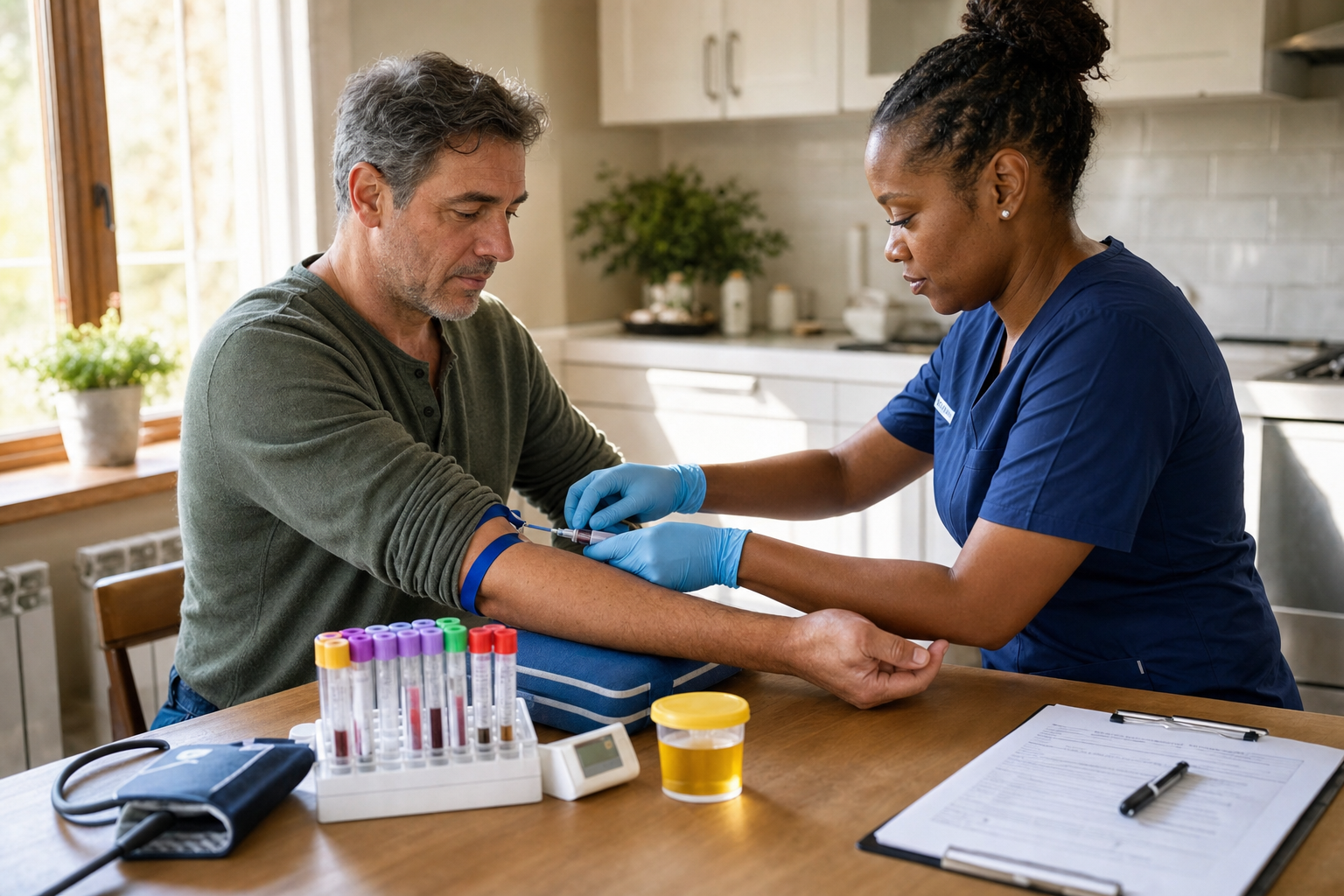
To ensure the most accurate results for a life insurance blood test, you should abstain from alcohol for at least 48 to 72 hours before your exam. While acute markers clear quickly, heavy drinkers may need 30 days of abstinence to norm...
To ensure the most accurate results for a life insurance blood test, you should abstain from alcohol for at least 48 to 72 hours before your exam. While acute markers clear quickly, heavy drinkers may need 30 days of abstinence to normalize chronic markers like GGT or CDT levels used by underwriters.
Contents
In the 2026 life insurance landscape, medical underwriting has become more sophisticated, yet the "paramedical" exam remains a cornerstone for high-coverage policies. When you apply for a life insurance policy, the insurance company isn't just looking for your current state of health; they are assessing your long-term mortality risk. Alcohol consumption is a significant factor in this calculation because of its impact on the liver, cardiovascular system, and overall metabolic health.
Understanding how alcohol interacts with blood chemistry is vital for any applicant. Whether you are a social drinker or someone concerned about how your habits might influence your premiums, knowing the timelines for various biological markers can help you prepare for your exam and ensure you are placed in the correct risk category.
Why Life Insurance Companies Test for Alcohol
Insurance companies are in the business of assessing risk. Statistically, excessive alcohol consumption is linked to a variety of health issues, including cirrhosis of the liver, certain cancers, heart disease, and increased accidental death rates. By testing your blood, underwriters seek an objective measure of your consumption habits rather than relying solely on the self-reported data in your application.
As of 2026, many carriers have adopted "accelerated underwriting" which may waive the blood test for healthy, younger applicants. However, for policies exceeding $1 million or for applicants over the age of 50, a blood and urine sample is almost always mandatory. The goal of the blood test is twofold: to detect the presence of ethanol (indicating very recent use) and to measure liver enzymes and proteins that indicate chronic or heavy usage.
Key Blood Markers in Alcohol Screening
When your blood is drawn during a life insurance exam, the lab performs a panel that includes several markers sensitive to alcohol. Underwriters do not look at these in isolation; they look for patterns that suggest either a healthy lifestyle or potential substance abuse.
GGT (Gamma-Glutamyl Transferase)
GGT is the most common enzyme used to screen for liver dysfunction. While GGT can be elevated by certain medications or conditions like non-alcoholic fatty liver disease (NAFLD), it is highly sensitive to alcohol. Frequent or heavy drinking causes the liver to produce more of this enzyme. Elevated GGT levels are a primary "red flag" for underwriters.
CDT (Carbohydrate-Deficient Transferrin)
If your GGT levels are high, insurers often run a reflex test for CDT. This is a highly specific biomarker for heavy alcohol consumption. Transferrin is a protein that carries iron in the blood. When someone drinks heavily (typically 4–5 or more drinks a day) over a period of one to two weeks, the "carbohydrate" side chains on the transferrin molecules are reduced. CDT is difficult to "cheat" because it only returns to normal levels after prolonged abstinence.
AST and ALT (Liver Transaminases)
Aspartate aminotransferase (AST) and alanine aminotransferase (ALT) are enzymes that leak into the bloodstream when liver cells are damaged. While not as specific to alcohol as CDT, a high AST-to-ALT ratio (often 2:1) is a classic clinical indicator of alcoholic liver disease.
Serum Ethanol
This is a direct measure of the alcohol currently in your system. If you have a detectable blood alcohol content (BAC) during your morning exam, it suggests recent consumption and can lead to an immediate "postponement" or "decline" of your application.
The Timeline: How Long Do Markers Stay in Your System?
The time required for these markers to return to "normal" ranges varies significantly based on your metabolic rate, the amount you usually drink, and the specific marker being tested.
| Marker | Purpose | Detection Window | Required Abstinence (Estimated) |
|---|---|---|---|
| Blood Ethanol | Recent consumption | 6–12 hours | 24 hours |
| Blood Pressure | Cardiovascular health | Immediate spike | 48–72 hours |
| AST/ALT | Liver cell damage | Days to weeks | 1–2 weeks |
| GGT | Chronic liver stress | 2–3 weeks | 3–4 weeks |
| CDT | Heavy drinking marker | 2–4 weeks | 4 weeks+ |
Short-Term Clearance (24 to 72 Hours)
For the average social drinker, the most immediate concern is the impact of alcohol on blood pressure and hydration. Alcohol is a vasodilator initially but leads to a "rebound" effect that can spike your blood pressure the following morning. Furthermore, alcohol is a diuretic. Dehydration can cause your blood sugar and cholesterol readings to appear artificially high. Therefore, a minimum of 48 hours of abstinence is the standard recommendation to ensure your "baseline" vitals are stable.
Mid-Term Normalization (1 to 2 Weeks)
If you are a frequent drinker (several drinks per week), your liver enzymes like AST and ALT may be slightly elevated. It typically takes one to two weeks for these enzymes to settle into a range that underwriters consider "Preferred" or "Preferred Plus." During this period, the liver begins to repair the minor inflammation caused by regular processing of ethanol.
Long-Term Recovery (3 to 4 Weeks)
For those who may fall into a "heavy" drinking category, markers like CDT and GGT are the primary obstacles. These proteins and enzymes have longer half-lives. CDT, in particular, requires a sustained period of abstinence (usually 21 to 30 days) before the transferrin molecules normalize. If an insurer sees high GGT combined with high CDT, they will likely classify the applicant as "Table Rated" (meaning higher premiums) or decline coverage entirely.
Factors That Influence Your Test Results
It is important to remember that alcohol is not the only thing that can trigger "fail" results on these tests. Underwriters are trained to look at the "whole person" in 2026, but the following factors can complicate your blood panel:
- Body Mass Index (BMI): Individuals with a higher BMI are more prone to fatty liver, which can elevate GGT and ALT even without alcohol consumption.
- Medications: Common over-the-counter drugs like acetaminophen (Tylenol) or prescription statins can affect liver enzyme readings. Always disclose your medications to the examiner.
- Exercise: Intense weightlifting or strenuous exercise within 24 hours of the test can spike AST and ALT levels due to muscle breakdown.
- Diet: A high-sugar or high-fat meal the night before the test can skew your glucose and triglyceride levels, which, when combined with alcohol markers, can look like metabolic syndrome.
The Risks of "Timing" the Test and Nondisclosure
Some applicants attempt to "game the system" by quitting alcohol just long enough to pass the blood test while still claiming to be "occasional drinkers" on their application. In 2026, this is increasingly risky. Life insurance companies utilize more than just blood tests; they access Pharmacy Benefit Manager (PBM) records, Motor Vehicle Reports (MVRs) for DUIs, and Medical Information Bureau (MIB) reports.
If your blood test shows high CDT levels but you claimed to drink only one beer a week, the discrepancy is a major red flag. This is known as "material misrepresentation." If an insurer discovers you lied on your application, they can:
- Decline your application immediately.
- Charge a significantly higher premium.
- Rescind the policy or deny a death benefit claim if the truth comes to light within the "contestability period" (usually the first two years of the policy).
Honesty is generally the best policy. If you are a regular drinker, it is better to be upfront and show a history of stable health rather than trying to hide a habit that your blood chemistry will eventually reveal.
How to Prepare for Your Life Insurance Exam
To ensure you get the best possible rate for your life insurance, follow these steps in the days leading up to your blood draw:
- Abstain from alcohol for at least 72 hours. This is the "golden rule" for avoiding acute spikes in blood pressure and liver enzymes.
- Fast for 8 to 12 hours. Most paramedical exams are scheduled for the morning. Do not eat anything after 8:00 PM the night before.
- Drink plenty of water. Hydration makes it easier for the technician to find a vein and helps ensure your kidney function (creatinine) and blood sugar levels are accurate.
- Avoid caffeine and nicotine. For at least two hours before the test, avoid coffee and cigarettes, as both can elevate your heart rate and blood pressure.
- Get a good night's sleep. Fatigue can stress the body and lead to suboptimal readings across several categories.
Frequently Asked Questions
Can one night of heavy drinking ruin my life insurance test?
Yes. A single night of heavy drinking can lead to a detectable blood alcohol level the next morning, elevated blood pressure, and a spike in liver enzymes like GGT and AST. It can also cause dehydration, which negatively impacts your cholesterol and kidney function markers.
What happens if my liver enzymes come back high?
If your enzymes are high, the insurance company will likely ask for a "Liquor Usage Questionnaire" or a statement from your primary care physician. They may also run a reflex CDT test. If the results suggest chronic heavy use, you may be offered a "Standard" or "Substandard" rate rather than a "Preferred" rate.
Does the insurance company test for "binge drinking"?
Indirectly, yes. Markers like CDT are designed specifically to identify patterns of heavy consumption (binge drinking or daily heavy use) rather than a single glass of wine with dinner. Underwriters look for the consistency of these markers over time.
Is it possible to have high GGT without drinking alcohol?
Yes. Conditions like fatty liver, gallbladder issues, or even certain medications can cause high GGT. If you are a non-drinker with high GGT, you should provide medical records from your doctor explaining the underlying cause to ensure you aren't unfairly penalized for alcohol use.
Will a DUI show up if my blood test is clean?
Yes. In 2026, insurance companies automatically pull your Motor Vehicle Report (MVR). A DUI or OVI conviction within the last 5 to 10 years will be visible to the underwriter, regardless of your blood test results.
Final Recommendation
If you are applying for life insurance, the most prudent course of action is to abstain from all alcohol for at least 3 to 7 days before your medical exam. For those who drink more frequently, a 30-day "dry" period is the most effective way to ensure that chronic markers like CDT and GGT are within the ranges required for Preferred Plus or Preferred ratings. Always be honest on your application, as modern data-sharing between institutions makes it nearly impossible to hide a history of heavy alcohol use or related medical issues.
Image Gallery