Exploring Grand Asia Market in Cary: A Comprehensive Guide to the Triangle’s Premier Asian Grocer
Grand Asia Market in the Cary-Raleigh area is the region's largest Asian supermarket, offering a massive selection of authentic groceries, live seafood, a full-service bakery, and a popular hot-food cafe. Located at 1253 Buck Jones Roa...
Grand Asia Market in the Cary-Raleigh area is the region's largest Asian supermarket, offering a massive selection of authentic groceries, live seafood, a full-service bakery, and a popular hot-food cafe. Located at 1253 Buck Jones Road, it serves as a vital cultural and culinary hub for the Research Triangle’s international community and food enthusiasts.
Contents
As of 2026, Grand Asia Market remains a cornerstone of the North Carolina international food scene. While the Research Triangle has seen an influx of new specialized grocers, Grand Asia continues to distinguish itself through its sheer scale and the integration of a traditional wet market atmosphere with modern supermarket conveniences. Whether you are searching for specific regional ingredients for Sichuan cooking, looking for the freshest bok choy, or seeking a quick dim sum lunch, this market provides an expansive inventory that standard grocery chains cannot match.
Navigating the Produce Section: From Bok Choy to Durian
The produce department at Grand Asia Market is often the first stop for visitors and is renowned for its variety and competitive pricing. Unlike conventional supermarkets that may carry only one type of bok choy or a single variety of mango, Grand Asia stocks a diverse array of cultivars suited for specific Asian cuisines.
Leafy Greens and Root Vegetables
The selection of greens is extensive, featuring multiple varieties of choi sum, gai lan (Chinese broccoli), napa cabbage, and water spinach (ong choy). For those looking to replicate authentic stir-fry textures, the freshness of these greens is paramount. In 2026, the market continues to source locally when seasonal, supplemented by specialized distributors to ensure year-round availability of tropical items like taro, lotus root, and various types of radishes (daikon).
Exotic Fruits
Grand Asia is one of the few reliable locations in the Raleigh-Cary area to find seasonal exotic fruits. Depending on the time of year, shoppers can find:
- Durian: Often available both frozen and fresh (seasonally), known for its potent aroma and creamy texture.
- Lychee and Rambutan: High-demand summer fruits often sold by the branch.
- Dragon Fruit: Available in both white and red flesh varieties.
- Asian Pears: Known for their crispness and high water content, often packaged individually to prevent bruising.
The Seafood and Meat Departments: A Focus on Freshness
The back of the store houses the seafood and meat departments, which operate with a level of transparency and customization rarely seen in domestic chains.
Live Seafood Tanks
One of the defining features of Grand Asia Market is its row of live seafood tanks. This allows customers to select live tilapia, catfish, lobsters, and Dungeness crabs. The staff provides complimentary cleaning and scaling services, which is a significant draw for home cooks who prioritize the "live-to-table" freshness essential in many Cantonese and Southeast Asian recipes.
The Butchery
The meat department offers cuts that are specifically prepared for Asian cooking styles. This includes thinly sliced meats for hot pot (shabu-shabu or sukiyaki), pork belly with the skin on, and chicken feet. Unlike pre-packaged grocery stores, the butchers here can often accommodate specific requests for bone-in cuts or specific fat ratios for ground meats, which are essential for making traditional dumplings or bao.
The Pantry: An Encyclopedia of Sauces and Staples
The center aisles of Grand Asia Market are dedicated to shelf-stable goods, categorized by region and product type. For a chef or a home cook, these aisles represent a deep archive of flavor profiles.
Soy Sauces and Condiments
The variety of soy sauces alone can be overwhelming. Shoppers can find light, dark, mushroom-flavored, and gluten-free options from brands across China, Japan, Korea, and Southeast Asia. Beyond soy, the market stocks an impressive array of:
- Chili Oils and Crisps: Including the iconic Lao Gan Ma and various artisanal house-made blends.
- Vinegars: Black vinegar (Chinkiang) for dipping dumplings and various rice vinegars for sushi.
- Pastes: Fermented bean pastes, gochujang, and various curry bases.
Rice and Noodles
An entire aisle is typically dedicated to rice, sold in bags ranging from small five-pound portions to industrial-sized fifty-pound sacks. Varieties include jasmine, basmati, short-grain sushi rice, and black "forbidden" rice. The noodle selection is equally vast, spanning dried, instant, and fresh refrigerated options like lo mein, udon, and rice vermicelli.
The Culinary Experience: Bakery and Hot Bar
For many, the primary reason for visiting Grand Asia Market isn't the groceries, but the prepared food. The market features a dedicated bakery and a cafeteria-style hot bar that attracts a significant lunch and dinner crowd.
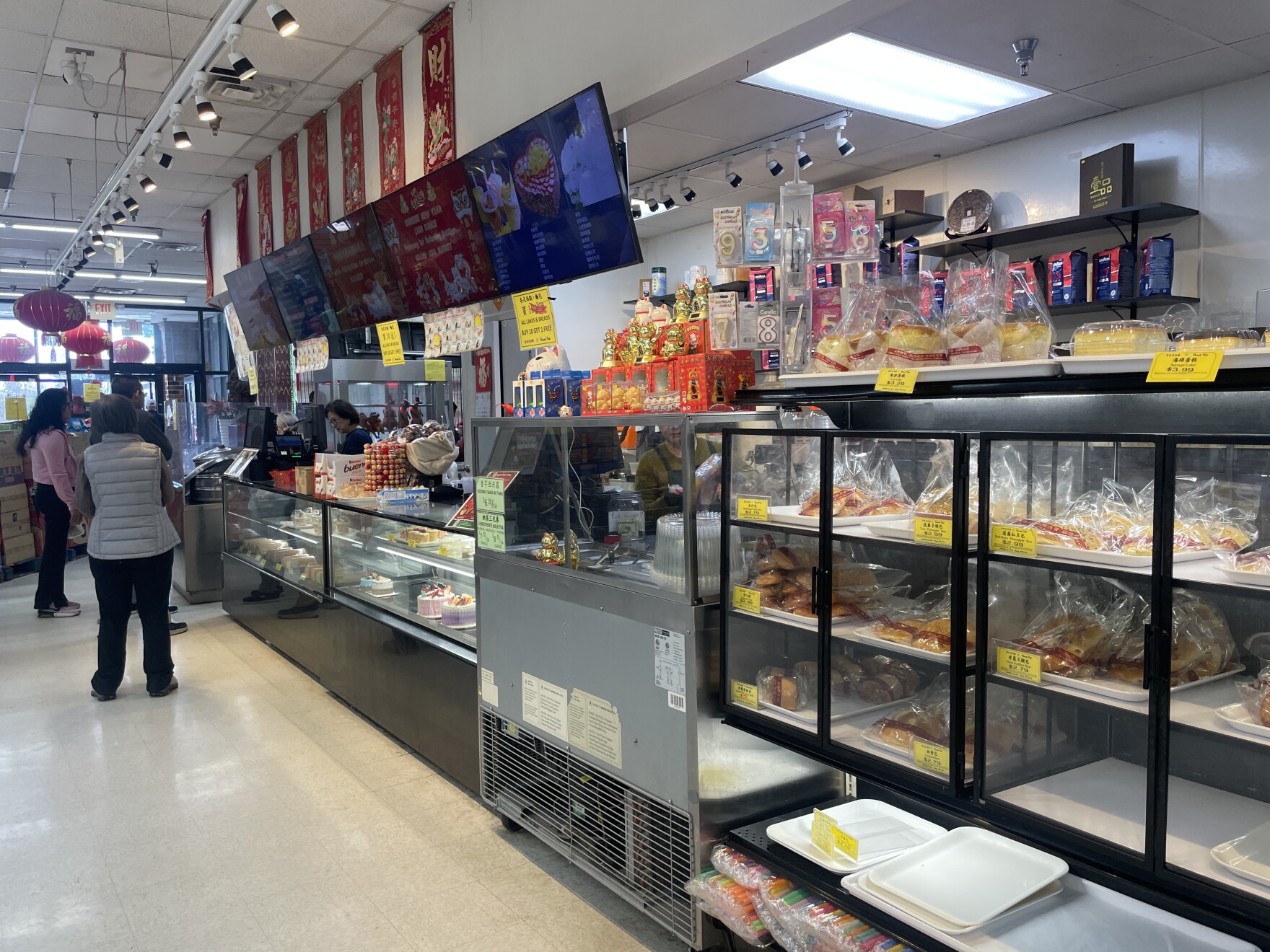
The Bakery (Grand Asia Bakery)
The on-site bakery produces fresh buns, tarts, and cakes daily. Traditional favorites include:
- Pineapple Buns (Bolo Bao): A sweet, crumbly topping over a soft bun (not actually containing pineapple).
- Egg Tarts (Dan Tat): Flaky pastry shells filled with smooth egg custard.
- Sausage Buns: A savory staple for quick breakfasts or snacks.
- Custom Cakes: They specialize in light, airy sponge cakes with fresh fruit and whipped cream, which are less sugary than traditional American buttercream cakes.
The Hot Bar and Roast Meats
The deli section is famous for its Cantonese roast meats. You will see whole roasted ducks, soy sauce chickens, and slabs of crispy pork belly (Siu Yuk) hanging behind the glass. These can be ordered by the pound or as part of a combination plate with rice and vegetables. The hot bar also offers a rotating selection of dim sum items like shumai, har gow (shrimp dumplings), and stuffed eggplant.
Comparison of Market Offerings
To help first-time visitors understand the scope of Grand Asia Market compared to standard local grocers, the following table outlines key service areas:
| Department | Grand Asia Market Offering | Standard Supermarket Equivalent |
|---|---|---|
| Produce | 50+ varieties of Asian greens, exotic tubers, and tropical fruits. | Limited to "International" shelf with basic ginger and bok choy. |
| Seafood | Live tanks (fish, crab, lobster); on-site scaling/cleaning. | Primarily frozen or pre-filleted on ice. |
| Meat | Specialty cuts (pork belly, offal, thinly sliced hot pot meat). | Standard cuts (steaks, chops, roasts). |
| Bakery | Hong Kong-style pastries, savory buns, and light sponge cakes. | Heavy buttercream cakes, donuts, and artisan breads. |
| Prepared Food | Full Cantonese roast meat station and hot dim sum bar. | Rotisserie chicken and basic deli sandwiches. |
| Pantry Goods | Imported brands from across Asia; bulk rice and noodles. | Limited selection of "Global" brand sauces. |
Practical Tips for Shopping at Grand Asia Market
Visiting Grand Asia Market is an experience that benefits from a bit of strategic planning, especially during peak hours.
Timing Your Visit
The market is exceptionally busy on weekends, particularly during the mid-day hours (11:00 AM to 2:00 PM) when the lunch crowd coincides with weekly grocery shoppers. For a calmer experience, visit on weekday mornings or evenings. If you are specifically looking for the widest selection of fresh bakery items, arriving before noon is recommended, as popular buns often sell out by late afternoon.
Navigating the Parking Lot
Located in the South Hills area near the border of Cary and Raleigh, the parking lot can be congested. In 2026, as the area continues to grow, patience is required. Many shoppers find it easier to park slightly further away in the shared shopping center lot rather than attempting to find a spot directly in front of the entrance.
Understanding the Layout
The store is organized logically, but the sheer volume of products can be daunting. If you are looking for a specific ingredient for a recipe, it is helpful to have a picture of the item on your phone, as some labels may prioritize the original language of the product's origin. Most staff members are knowledgeable and can point you toward the correct aisle.
Frequently Asked Questions
Does Grand Asia Market offer vegetarian or vegan options?
Yes. Grand Asia Market has an extensive selection of tofu (fresh, firm, fried, and fermented), tempeh, and "mock meats" made from seitan or soy. The produce section is also a paradise for plant-based diets, offering mushrooms and greens not found elsewhere. However, shoppers should check labels in the bakery and hot bar, as many savory items use lard or oyster sauce.
Can I find kitchenware and household items there?
Beyond food, the market has a dedicated section for Asian cookware. This includes high-quality woks, rice cookers, bamboo steamers, clay pots, and a variety of ceramics like tea sets, bowls, and chopsticks. It is an excellent place to kit out an authentic Asian kitchen at a lower price point than specialty kitchen boutiques.
Is the food in the hot bar authentic?
The hot bar specializes primarily in Cantonese-style cuisine. The roast duck and BBQ pork (Char Siu) are prepared using traditional methods and are widely considered among the most authentic in the Research Triangle. The dim sum selection is designed for quick service, making it a "casual" version of the traditional sit-down dim sum experience.
Does Grand Asia Market deliver or offer online shopping?
As of 2026, Grand Asia Market has integrated with several third-party delivery platforms common in the Raleigh-Cary area. While their full inventory of live seafood may be limited on these platforms, most dry goods and many produce items can be ordered for home delivery. However, for the best selection of fresh meats and bakery items, an in-person visit is still the preferred method.
Final Recommendation
For anyone living in or visiting the Cary area, Grand Asia Market is an essential destination. It provides a unique bridge between cultures and offers culinary possibilities that are simply unavailable in mainstream retail environments. Whether you are a seasoned chef or a curious beginner, a trip to Grand Asia Market should begin with the bakery for a quick snack, followed by a slow walkthrough of the produce and pantry aisles to discover new flavors.
Image Gallery