Guaranteed One Year Life Insurance for Blouses: Protection Plans and Financial Options
Guaranteed one year life insurance for blouses typically refers to one of two distinct financial products: a One-Year Renewable Term (OYRT) life insurance policy (often a typo for "spouses") or a specialized Scheduled Personal Property...
Guaranteed one year life insurance for blouses typically refers to one of two distinct financial products: a One-Year Renewable Term (OYRT) life insurance policy (often a typo for "spouses") or a specialized Scheduled Personal Property rider for high-value apparel. In 2026, these options provide either immediate financial death benefits for individuals or replacement coverage for luxury garments against damage, theft, or loss.
Contents
The phrase "guaranteed one year life insurance for blouses" represents a unique intersection of insurance terminology. While "life insurance" is legally a contract between an insurer and a policyholder to pay a beneficiary upon the death of an insured person, the specific inclusion of "blouses" often signals a search for high-end garment protection or a common phonetic typo for "spouses." In the current 2026 insurance market, navigating these definitions is essential for ensuring that both your loved ones and your high-value assets are appropriately covered.
Defining Guaranteed One Year Life Insurance (The OYRT Model)
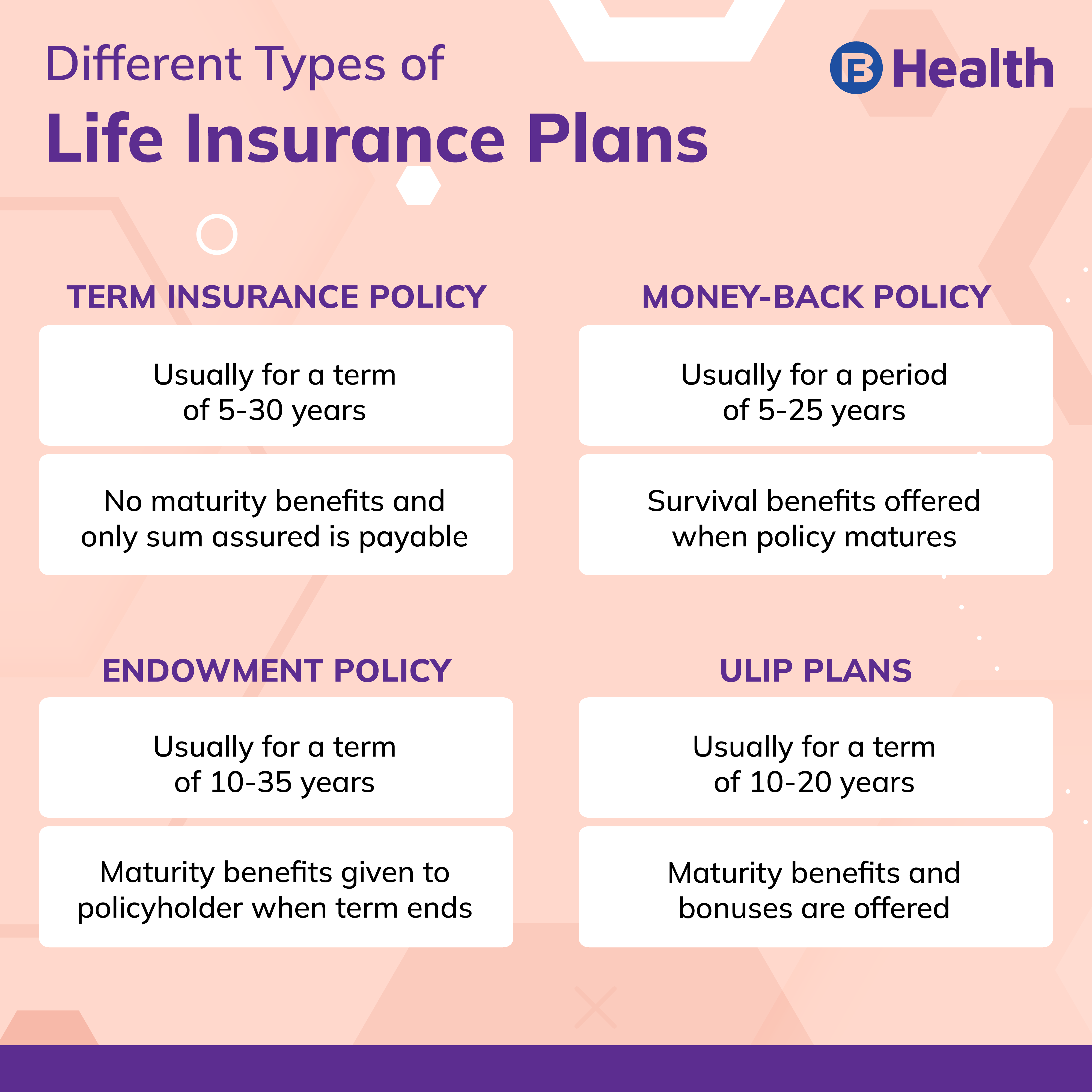
The "guaranteed one year" aspect of this query most closely aligns with the One-Year Renewable Term (OYRT) life insurance structure. Unlike traditional 10- or 20-year level term policies, an OYRT policy provides coverage for exactly 12 months at a time. The "guaranteed" component refers to the "Guaranteed Renewable" clause, which ensures that the policyholder can renew the coverage at the end of the year without undergoing a new medical exam or proving insurability, regardless of changes in health.
In 2026, OYRT policies are frequently used by individuals who require short-term gaps in coverage or those who anticipate a significant change in their financial situation within a year. Because the risk to the insurer is calculated only for a 365-day window, the initial premiums are often the lowest available in the market. However, these premiums increase annually as the insured person ages, following the "attained age" pricing model.
Key Features of OYRT in 2026:
- Annual Re-evaluation: Every 12 months, the policy is updated based on the current age of the insured.
- Guaranteed Re-entry: Many modern policies allow for "re-entry," where the insured can choose to undergo a medical exam to qualify for lower "preferred" rates rather than the standard guaranteed renewal rate.
- Convertibility: Most OYRT contracts include a provision allowing the policyholder to convert the term coverage into a permanent whole life policy without additional medical underwriting.
The "Blouse" Ambiguity: Garment Protection vs. Life Insurance Typology
When "blouses" is paired with "life insurance," it creates a technical ambiguity that must be resolved through the lens of modern asset protection. There are two primary interpretations:
1. High-Value Apparel and Textile Insurance (The Literal Interpretation)
In the luxury fashion market of 2026, high-end couture, including bespoke or archival blouses from major fashion houses, represents a significant investment. Standard homeowners or renters insurance often caps coverage for "apparel" at a low sub-limit (typically $1,000 to $2,500 for the entire category).
To "insure the life" of a high-value blouse, owners utilize a Scheduled Personal Property (SPP) Rider. This is a form of inland marine insurance that provides "all-risk" coverage.
- Guaranteed Replacement: If the garment is destroyed or lost, the policy pays the agreed-upon value or the current market replacement cost.
- No Deductible: Unlike standard property insurance, scheduled riders usually have a $0 deductible.
- Worldwide Coverage: The protection follows the item globally, which is essential for luxury items worn during travel or high-profile events.
2. The "Spouse" Typo (The Search Intent Interpretation)
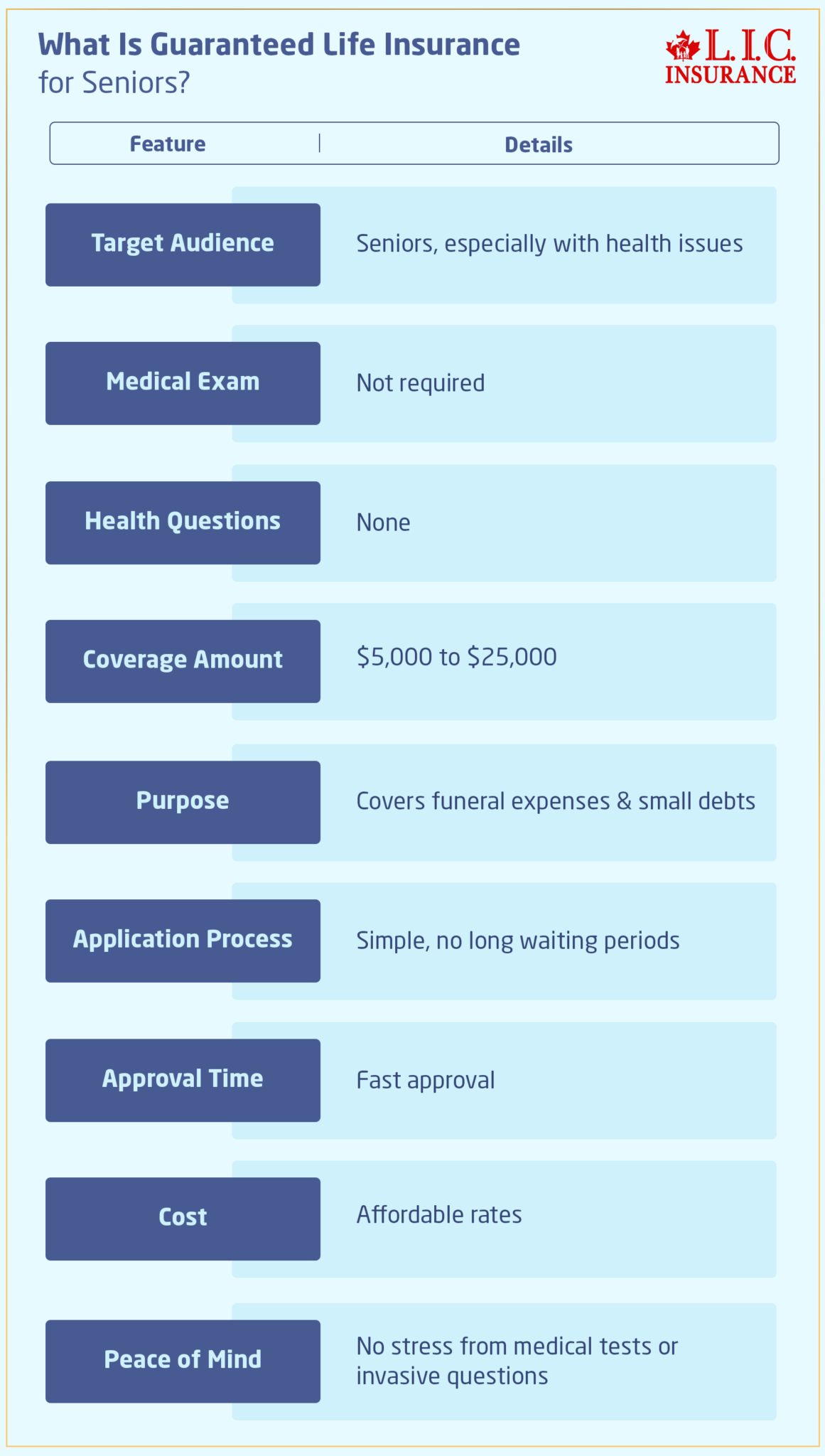
Statistically, "blouses" is a frequent voice-to-text or autocorrect error for "spouses." Guaranteed one-year life insurance for spouses is a common search for couples looking to secure short-term protection during a transition, such as moving between jobs or waiting for a larger group policy to take effect. In this context, the focus is on Guaranteed Issue (GI) policies, which require no medical questions and provide immediate, albeit limited, coverage.
How One-Year Renewable Term (OYRT) Works in 2026
The mechanics of an OYRT policy are governed by mortality tables updated for 2026, reflecting current life expectancy and health trends. When you purchase a guaranteed one-year policy, you are essentially betting on the immediate short-term risk.
Premium Calculations
Premiums for OYRT are calculated using the Net Single Premium method for a one-year duration. Since the insurer only holds the risk for one year, they do not need to build up a large cash reserve for future claims as they do with level-term or whole-life products.
- Year 1: Very low cost (e.g., $15–$25 per month for $500,000 coverage for a healthy 35-year-old).
- Year 5: Noticeable increase as the mortality risk for the new age bracket is applied.
- Year 10: Often exceeds the cost of a comparable level-term policy.
The Renewal Process
Under the "guaranteed" provision, the insurer sends a renewal notice 30 to 60 days before the policy expiration. If the policyholder pays the new premium, the coverage continues. There is no requirement to answer questions about new diagnoses, lifestyle changes (like smoking), or high-risk hobbies that may have begun during the previous year.
Comparison of Coverage Types
To help you decide between literal garment protection and human life insurance (often sought via the "spouse" typo), the following table compares the two most likely intended products.
| Feature | Scheduled Property (Apparel) | Guaranteed Term (Human) |
|---|---|---|
| Primary Goal | Asset replacement/repair | Financial legacy/debt coverage |
| Term Length | Usually 1 year (renewable) | 1 year (renewable) |
| Underwriting | Appraisal/Receipts required | Guaranteed Issue (No medical) |
| Common Exclusions | Wear and tear, moths, inherent vice | Suicide (first 2 years), fraud |
| Payout Basis | Replacement Cost / Agreed Value | Death Benefit (Face Amount) |
| Premium Basis | Value of the item ($ per $100) | Age and gender of the insured |
Eligibility and Enrollment Requirements
The eligibility for "guaranteed" products in 2026 varies significantly depending on whether you are insuring a person or an object.
For Human Life Insurance (The Spouse Context)
Guaranteed Issue policies are typically available to individuals between the ages of 40 and 80. In 2026, many carriers have lowered the entry age to 25 for specific "micro-term" one-year products.
- No Medical Exam: You do not need to provide blood samples or physicals.
- No Health Questions: Enrollment is often "frictionless" and completed online in minutes.
- Graded Death Benefit: Be aware that many guaranteed policies have a "waiting period" (usually 12–24 months). If the insured dies of natural causes during this time, the beneficiary may only receive the premiums paid plus interest, rather than the full face amount. Accidental death, however, is usually covered from day one.
For High-Value Blouses (The Garment Context)
To qualify for a "guaranteed" one-year rider on clothing, insurers require documentation that proves the item's existence and value.
- Appraisal: A professional valuation from a recognized fashion expert or auction house.
- Proof of Purchase: Original receipts from the boutique or authorized retailer.
- Photographic Evidence: Clear, high-resolution photos of the garment, including labels and unique stitching or embellishments.
Strategic Use Cases for One-Year Coverage
Why would someone choose a one-year "guaranteed" product over a more stable long-term option? In 2026, flexibility is the primary driver.
- Bridging the Gap: If an individual is between jobs and their group life insurance has lapsed, a one-year guaranteed policy provides a safety net until the new employer's benefits begin.
- Collateral for Loans: Short-term business loans or personal debts often require life insurance as collateral. A one-year term is a cost-effective way to satisfy a lender's requirements for a specific project duration.
- High-Risk Periods: Individuals engaging in a temporary high-risk activity (such as a year-long research expedition) may find a one-year term more suitable than a 20-year commitment.
- Fashion Archiving: Collectors who acquire a high-value blouse for an exhibition or a single-season loan to a museum use one-year scheduled property riders to protect the asset during the high-exposure period.
Common Pitfalls and Selection Criteria
When seeking "guaranteed" one-year coverage, several "fine print" areas can lead to complications.
- The "Age Out" Clause: Many OYRT policies have a maximum age (often 70 or 80) beyond which the "guaranteed" renewal feature expires. In 2026, ensure your policy remains renewable for as long as you anticipate needing the coverage.
- Inflation Adjustments: For garment insurance, a "guaranteed" value from three years ago may not cover the cost of a replacement in 2026 due to inflation in the luxury sector. Annual appraisals are recommended.
- Premium Volatility: While the first year is cheap, the "step-rate" increases in OYRT can become unsustainable. Always request a "schedule of premiums" up to age 95 so you can see the future cost trajectory.
FAQs
Can I get life insurance for a blouse if I am a fashion designer?
In a literal sense, no. You cannot buy "life insurance" for a piece of clothing because a blouse does not have a biological life. However, you can buy Inland Marine Insurance or a Commercial Property Floater that guarantees the replacement value of your designs for a one-year term. This is the professional standard for protecting inventory or high-value samples.
Does "guaranteed" mean I can't be turned down?
For "Guaranteed Issue" life insurance (for people), yes. As long as you meet the age and residency requirements, you cannot be turned down for health reasons. For garment insurance, "guaranteed" usually refers to the Agreed Value—meaning the insurer agrees to pay a specific amount in the event of a total loss, regardless of the item's depreciation.
Is one-year renewable term better than a 10-year term?
It depends on your timeframe. If you only need coverage for 12–24 months, OYRT is generally cheaper. If you need coverage for more than three years, a 10-year level term policy will almost always be more cost-effective because it "locks in" your age-based premium for the entire decade.
What happens if I forget to renew my one-year policy?
Most 2026 insurance contracts include a 31-day Grace Period. If the premium is not paid by the anniversary date, the coverage remains in force for 31 days. If you die (or the garment is lost) during this window, the claim is paid, but the overdue premium is deducted from the settlement. After 31 days, the policy lapses.
Can I insure a used blouse for its original price?
For "guaranteed replacement" garment insurance, insurers typically cover the Actual Cash Value (current market price) or an Agreed Value. If the blouse has appreciated (e.g., a vintage piece), you may be able to insure it for more than the original price if you provide a current appraisal. If it has depreciated, you will likely only be covered for its current resale value.
Final Recommendation
If you are looking for financial protection for a person (likely a spouse), seek out a Guaranteed Issue One-Year Renewable Term policy from a provider like Mutual of Omaha or AIG, which are leaders in the 2026 market for simplified underwriting.
If you are looking to protect a literal luxury blouse, contact your current homeowners insurance provider and ask to "schedule" the item as Personal Property. This ensures that the specific piece is covered for its full value against "mysterious disappearance" and accidental damage, which are standard exclusions in basic policies.
Image Gallery