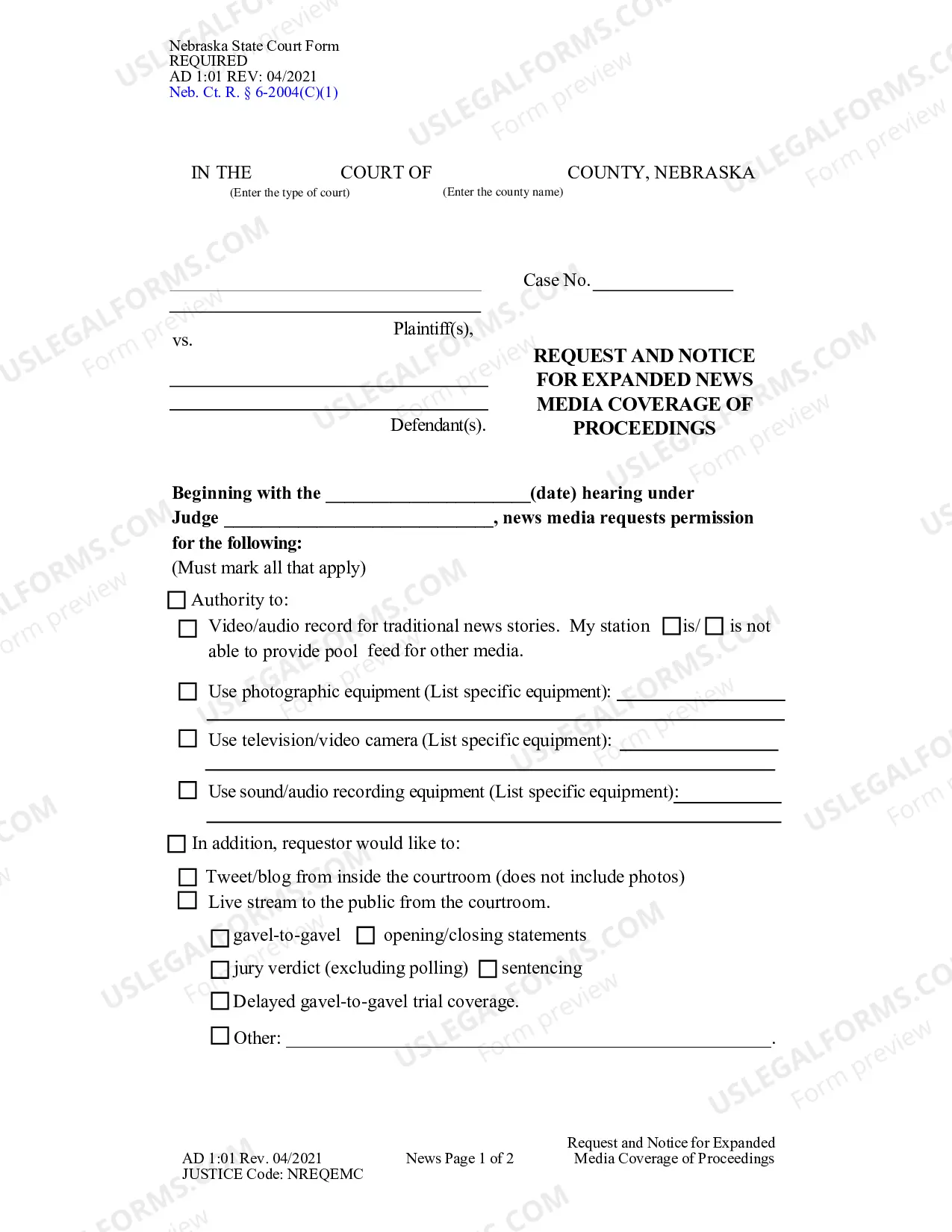
How to Request a Photo in Legal Proceedings: A Procedural Guide
Requesting a photograph in legal proceedings requires utilizing formal discovery mechanisms, such as a Request for Production of Documents (RFP) in civil litigation or a formal discovery motion in criminal cases. You must identify the...
Requesting a photograph in legal proceedings requires utilizing formal discovery mechanisms, such as a Request for Production of Documents (RFP) in civil litigation or a formal discovery motion in criminal cases. You must identify the specific evidence, serve a written request upon the opposing party, and adhere to court-mandated deadlines to ensure the evidence is admissible and discoverable under the governing rules of civil or criminal procedure.
Contents
Understanding Legal Discovery and Photographic Evidence
In any legal proceeding, the "discovery" phase is the period during which parties exchange information and evidence to avoid trial by surprise. Photographs are categorized as "documentary evidence" or "tangible things." Because they are not inherently self-authenticating, requesting them requires more than just a casual inquiry; it demands a structured, legal approach that triggers the opposing party’s obligation to disclose.
Whether you are involved in a personal injury claim, a commercial dispute, or a criminal defense case, the rules of evidence—such as the Federal Rules of Civil Procedure (FRCP) in the United States or equivalent local statutes—govern how this process unfolds. Before initiating a request, you must determine if the photo is relevant to the "claims or defenses" of the case. Courts generally deny requests for evidence that is deemed irrelevant, overly broad, or protected by legal privileges (such as attorney-client privilege or work-product doctrine).
Prerequisites for Requesting Evidence
Before serving a formal request, ensure you have verified three critical prerequisites:
- Jurisdictional Compliance: Confirm whether your case is in state or federal court. State courts follow their own procedural codes (e.g., the California Code of Civil Procedure), while federal courts follow the FRCP. Rules regarding timeframes, formatting, and the number of allowed requests vary significantly between these jurisdictions.
- Parties vs. Non-Parties: You can request photos directly from the opposing party using standard discovery rules. However, if the photo is held by a third party (such as a witness or a private business), you cannot simply use an RFP. You must instead issue a subpoena duces tecum to compel the production of that specific evidence.
- Privilege Review: Verify that the photo is not protected. For example, photographs taken by an insurance investigator specifically in anticipation of litigation may be shielded under the "work-product doctrine." Understanding what is off-limits prevents you from wasting time on motions that will likely be overruled.
Formal Procedures: How to Submit a Request for Production (RFP)
In civil litigation, the Request for Production is the primary tool used to obtain photographs. Follow this systematic approach to maximize your chances of success:
1. Define the Scope
Do not make a vague request for "all photos." Specificity is required for compliance. Instead, draft your request to be precise: "Any and all photographs, including digital metadata, taken at the scene of the incident on [Date] between [Time] and [Time]." This helps prevent the opposing counsel from arguing that your request is "unduly burdensome."
2. Draft the Written Request
The request must be in writing and formatted according to your court’s local rules. It typically includes:
- A clear header identifying the case name and number.
- The definition section (defining "photograph" to include digital files, raw negatives, and video stills).
- The specific numbered requests.
- The formal "Certificate of Service," verifying that the document was delivered to the opposing party.
3. Service and Deadlines
Serve the request according to the method permitted by your jurisdiction—usually via electronic filing (e-filing) or certified mail. Once served, the opposing party has a specific number of days to respond (often 30 days, though this varies). They must either provide the photos, state that they do not possess them, or object to the request.
Comparing Discovery Mechanisms
| Mechanism | Best Used For | Requirement |
|---|---|---|
| Request for Production (RFP) | Parties to the lawsuit | Written request; 30-day response window |
| Subpoena Duces Tecum | Third-party entities/witnesses | Court-issued command for physical evidence |
| Request for Admissions | Verifying if a photo exists | Formal request for party to admit existence/authenticity |
| Motion to Compel | When a party refuses production | Court intervention required to force disclosure |
Handling Objections and Refusals
It is common for the opposing party to object to a request. Common objections include "overbreadth," "relevance," or "harassment." If you receive an objection, do not ignore it. You must attempt to "meet and confer" with the opposing counsel to resolve the dispute informally. In many jurisdictions, judges require you to certify that you made a good-faith effort to resolve the dispute before they will even consider a Motion to Compel.
If the opposing party refuses to produce the photo, the Motion to Compel is your next step. This motion asks the court to intervene and force the party to turn over the evidence. Be prepared to argue that the photos are essential to your case and that the burden of producing them is outweighed by their evidentiary value.
Authentication and Admissibility
Obtaining the photo is only the first half of the task; you must also ensure the photo is admissible. Under the rules of evidence, a photo is generally only admissible if it is "authenticated." This means you must be able to prove that the photograph is what you claim it to be.
Before trial, consider sending a Request for Admissions (RFA) to the opposing party. By asking them to admit that the photograph is a fair and accurate representation of the scene as it appeared on the date of the incident, you can save significant time during trial, as the opposing party will be legally barred from later claiming the photo is a fake or a misrepresentation.
FAQ: Common Questions Regarding Photographic Evidence
Can I request digital metadata along with the photo? Yes. In modern litigation, metadata (the information embedded in the file, such as GPS coordinates, camera model, and timestamp) is often as important as the image itself. When drafting your RFP, explicitly include a definition of "photograph" that encompasses "all associated electronic metadata."
What if the opposing party claims the photos were deleted? If a party deletes photos after a legal hold or notice of litigation is issued, you may have grounds for a "spoliation of evidence" claim. This can lead to court sanctions, including an instruction to the jury that they may assume the deleted evidence would have been harmful to the party that destroyed it.
Can I use a subpoena for photos held by a government agency? Yes, but procedures vary. Government agencies often have specific "Public Records Act" or "Freedom of Information Act" (FOIA) portals. While a subpoena is a legal tool, checking the agency's public portal first is often faster and less expensive than formal litigation discovery.
Are screenshots of social media posts considered photos? Yes, but they are subject to strict authentication requirements. You should request the original image file if possible, as a screenshot can be easily altered. Ensure that you preserve the context—such as the date, time, and user account—when requesting or capturing these images.
What if the cost of reproducing the photos is high? If the production involves thousands of high-resolution files, the court may shift some of the costs to the requesting party. Be prepared to discuss "proportionality," arguing that the importance of the evidence justifies the cost of production.
Next Steps and Recommendations
If you are currently engaged in active litigation, consult immediately with your legal counsel regarding the timing of your discovery requests. Waiting too long to request evidence can lead to a "discovery cutoff," a deadline after which you can no longer demand information. Ensure that your requests are drafted in accordance with your specific court’s rules and that you keep a detailed log of all served documents. If you are representing yourself (pro se), research your local court’s "self-help" center, which often provides templates for discovery requests that align with local procedural requirements.
Image Gallery