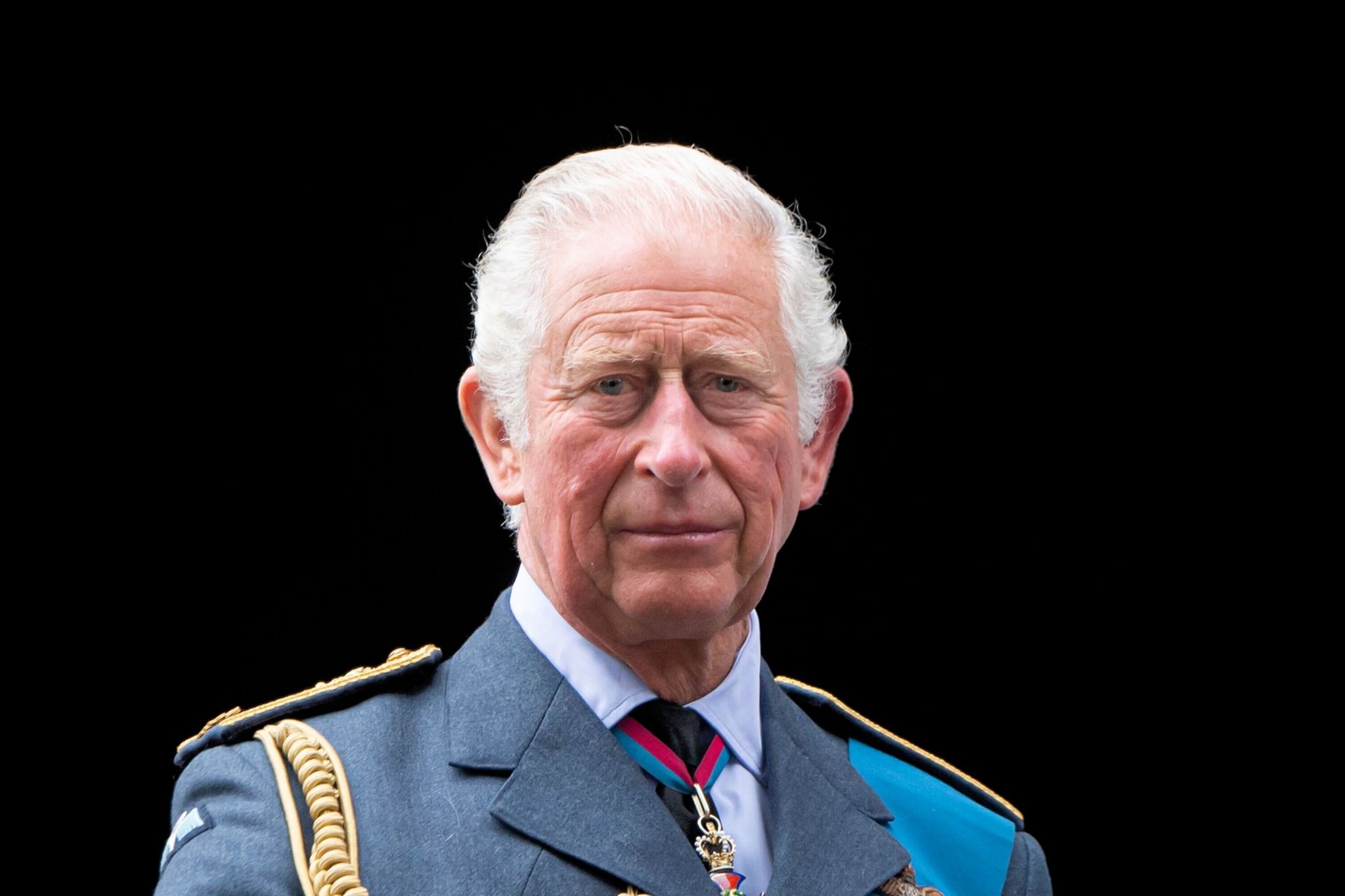
The Role of the King of England: Constitutional Duties, Royal Prerogative, and Modern Governance
The Sovereign serves as the constitutional Head of State of the United Kingdom, representing national unity, legal continuity, and diplomatic stability. While ultimate legislative authority resides in the elected Parliament, the monarc...
The Sovereign serves as the constitutional Head of State of the United Kingdom, representing national unity, legal continuity, and diplomatic stability. While ultimate legislative authority resides in the elected Parliament, the monarch performs essential legal, ceremonial, and constitutional duties—including granting Royal Assent to legislation, appointing the Prime Minister, and conducting state diplomacy, strictly within a framework of political neutrality.
Contents
Title Disambiguation: Sovereign of the United Kingdom vs. "King of England"
While the term "King of England" is widely used in popular culture and international commentary, it is historically and legally inaccurate in a modern context. England ceased to exist as a separate sovereign kingdom in 1707, when the Acts of Union merged the Kingdom of England and the Kingdom of Scotland into the Kingdom of Great Britain. Subsequent legislation, including the Act of Union 1800, formed the United Kingdom of Great Britain and Ireland (now Northern Ireland).
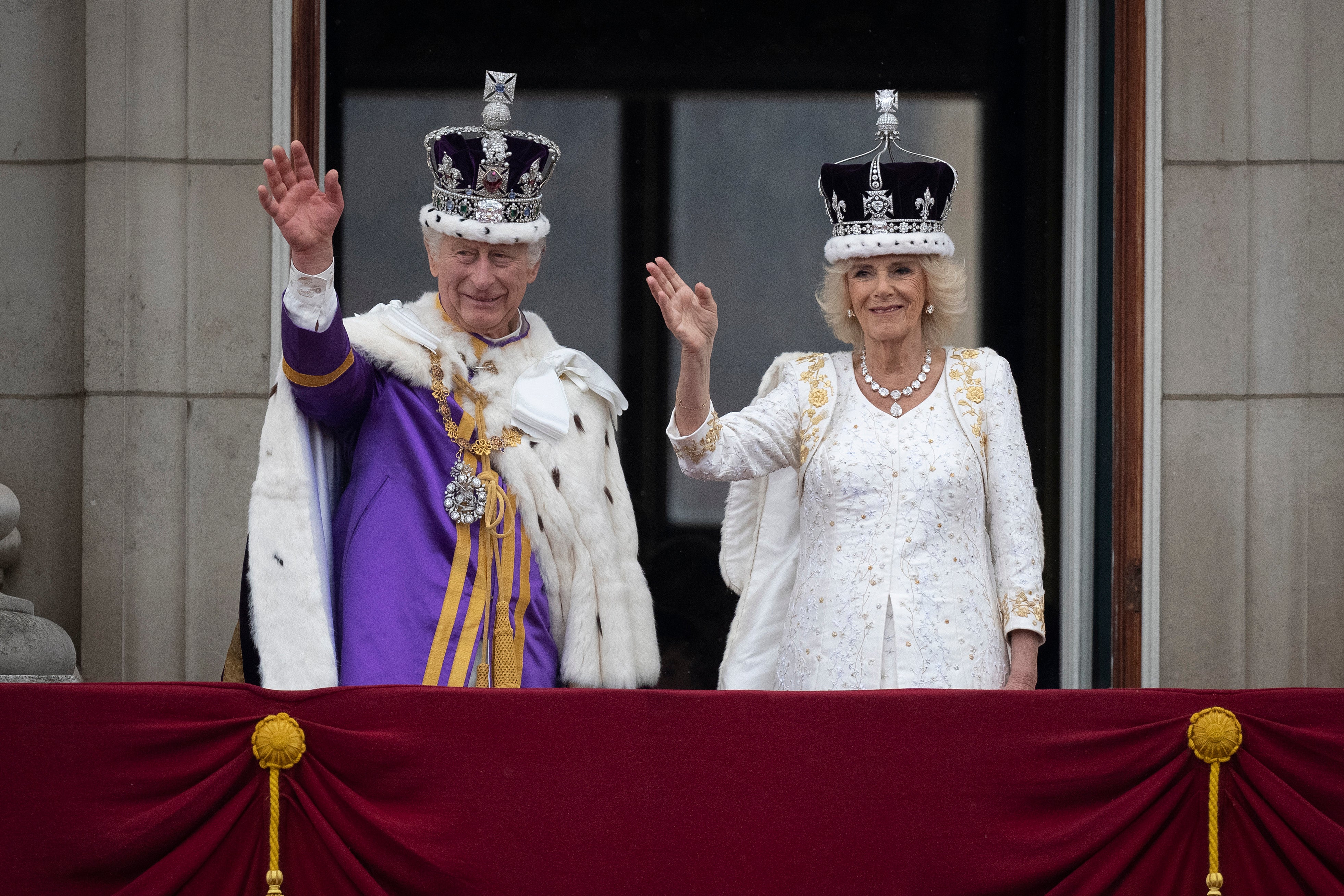
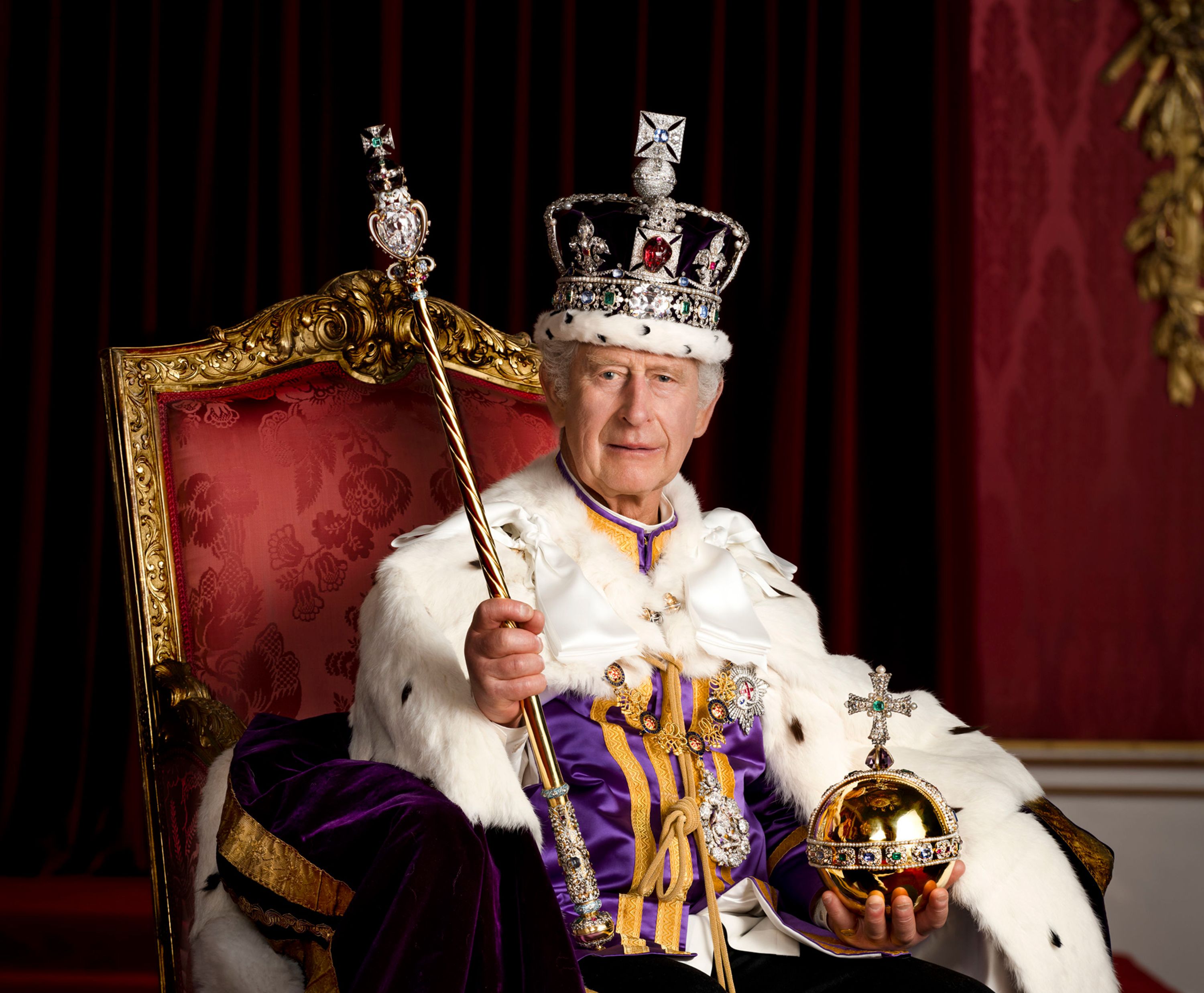
Today, the monarch—King Charles III—holds the official title of King of the United Kingdom of Great Britain and Northern Ireland, alongside his role as Head of State for 14 other sovereign nations known as Commonwealth realms. Despite the constitutional evolution, the phrase "King of England" remains common shorthand across global public discourse. Understanding the monarch's actual duties requires examining the legal structures governing the British constitutional monarchy.
Constitutional and Political Responsibilities
The United Kingdom operates as a constitutional monarchy and parliamentary democracy. Under this framework, the Sovereign reigns but does not rule. Political power is exercised by elected representatives and government ministers, while the monarch functions as a non-partisan Head of State. This separation ensures that state power remains distinct from partisan politics.
The Separation of Head of State and Head of Government
In the British political system, a clear distinction exists between the Head of State and the Head of Government:
- Head of State (The King): Represents the nation as a whole, embodies state sovereignty, ensures constitutional continuity, and remains strictly neutral across all political disputes.
- Head of Government (The Prime Minister): Exercises executive political authority, leads the majority party or coalition in the House of Commons, and directs daily public policy and administration.
This structural divide ensures that changes in government do not disrupt the continuous existence of the state itself.
The Royal Prerogative and Executive Functions
Historically, the monarch held absolute executive authority over lawmaking, defense, and governance. Over centuries of constitutional development—marked by Magna Carta (1215), the Bill of Rights (1689), and the Parliament Acts of 1911 and 1949—these powers evolved into the Royal Prerogative.
Today, prerogative powers are exercised by political ministers accountable to Parliament, or by the Sovereign acting on executive advice. Key constitutional functions executed by the Sovereign include:
- Appointment of the Prime Minister: Following a general election or leadership resignation, the monarch formally appoints the individual most likely to command the confidence of the House of Commons. By constitutional convention, this is almost always the leader of the political party holding a parliamentary majority.
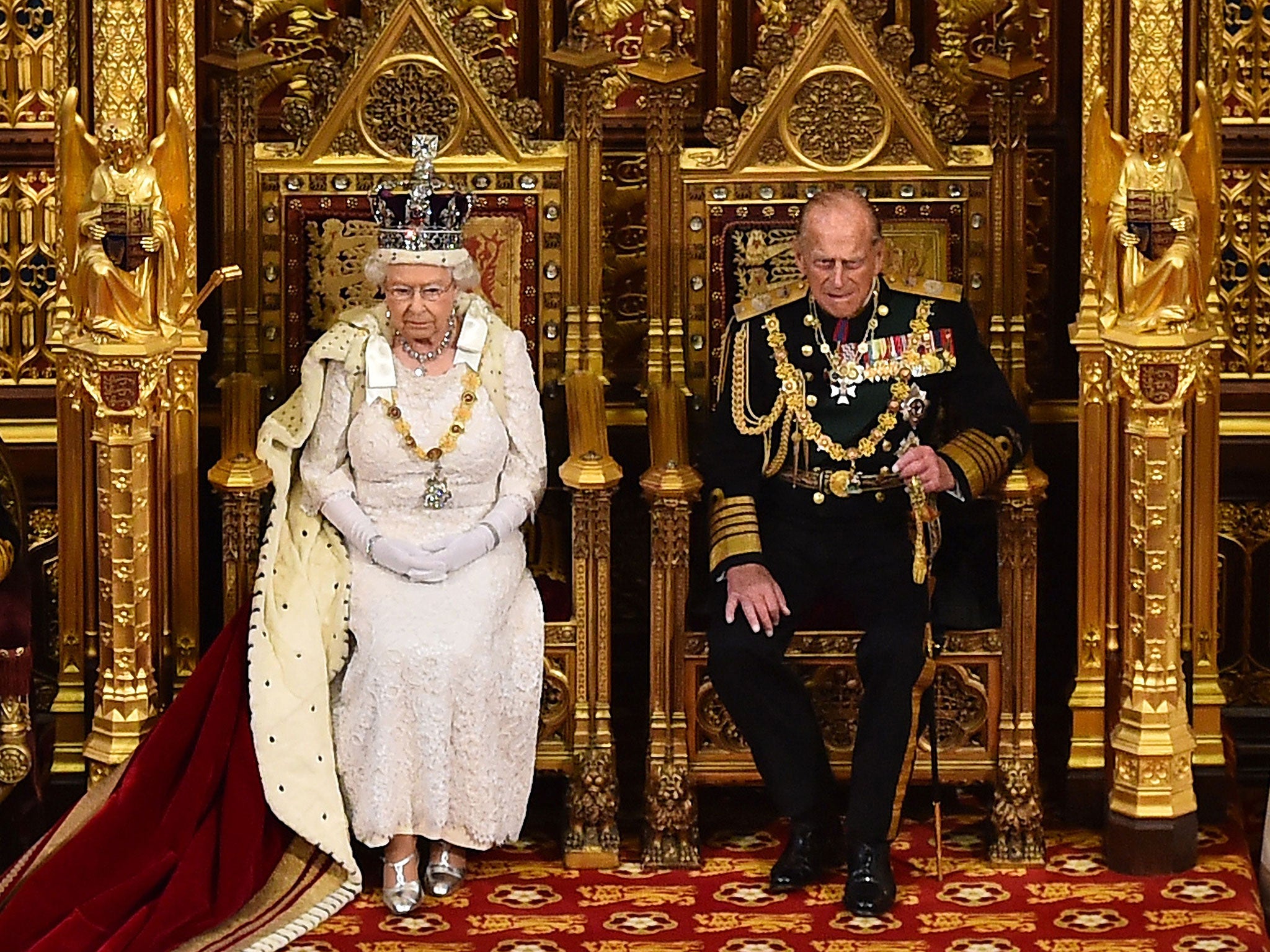
- Opening, Proroguing, and Dissolving Parliament: The monarch opens each parliamentary session with the State Opening of Parliament. The procedures for dissolving Parliament are governed by statutory guidelines, notably refined under the Dissolution and Calling of Parliament Act 2022.
- The King's Speech: Delivered during the State Opening, this address outlines the government's upcoming legislative priorities. Although spoken by the monarch, the text is entirely written by cabinet ministers.
- Granting Royal Assent: A bill passed by both the House of Commons and the House of Lords must receive Royal Assent from the monarch to become a statutory Act of Parliament. Granting assent is a constitutional duty; no monarch has withheld assent since Queen Anne in 1708.
Constitutional Process of Enacting Law:
- House of Commons
- House of Lords
- Royal Assent by Monarch
- Statutory Law
The Constitutional Right to Consultation
Although the King does not make executive decisions, constitutional scholars emphasize the monarch's vital advisory role. As codified by 19th-century political theorist Walter Bagehot, the constitutional monarch retains three fundamental rights regarding the executive government:
- The right to be consulted: The monarch receives daily red dispatch boxes containing government papers, cabinet minutes, intelligence reports, and foreign dispatches.
- The right to encourage: During confidential audience meetings, the monarch can express support for government initiatives or civil service efforts.
- The right to warn: Drawing on years or decades of non-partisan experience, the monarch can privately raise concerns or offer historical perspective to the sitting Prime Minister.
These weekly private audiences between the King and the Prime Minister are strictly confidential, allowing the Head of Government to seek advice without public or political fallout.
Diplomatic and Commonwealth Roles
The monarch represents the United Kingdom on the international stage, performing formal diplomatic duties coordinated by the Foreign, Commonwealth & Development Office (FCDO).
- Sovereign (Head of State)
- International Realm
- Inbound & Outbound State Visits
- Accreditation of Ambassadors
- Diplomatic Reception Host
- Commonwealth Realm
- Voluntary 56-Member Association
- Head of State for 15 Realms
- Focus on Shared Values & Cooperation
- International Realm
Head of the Commonwealth
The King acts as the voluntary Head of the Commonwealth, an association of 56 independent member nations covering over 2.5 billion people. While most Commonwealth countries are republics, 15 realms (including the United Kingdom, Canada, Australia, and Jamaica) retain the King as their official Head of State, represented locally by a Governor-General.
The role of Head of the Commonwealth is not inherited automatically by law; Commonwealth leaders formally agreed at the 2018 Commonwealth Heads of Government Meeting that Charles would succeed Queen Elizabeth II in this role.
International Diplomacy and State Visits
At the request of the UK government, the King undertakes foreign state visits to strengthen trade, security, and diplomatic alliances. Conversely, the monarch acts as official host when foreign heads of state visit the United Kingdom, conducting formal state dinners, ceremonial parades, and diplomatic receptions at Buckingham Palace or Windsor Castle.
Additionally, foreign ambassadors and high commissioners present their credentials (Letters of Credence) directly to the King upon taking up their appointments in London.
Ceremonial, Civic, and Cultural Functions
Beyond formal constitutional duties, the Sovereign holds central ceremonial roles within the social and legal fabric of the nation.
Fount of Honour
The Sovereign is recognized as the Fount of Honour. While the formal British honours system is administered by independent committees and recommendations from the Prime Minister, all peerages, knighthoods, and state medals are granted in the monarch's name. Investitures are conducted directly by the King or senior members of the Royal Family.
Supreme Governor of the Church of England
By law, the British monarch is the Supreme Governor of the Church of England, reflecting the historic union of church and state established during the 16th-century Reformation. On the advice of the Prime Minister—who receives candidate selections from the Crown Nominations Commission—the King formally appoints archbishops, bishops, and deans.
Commander-in-Chief of the Armed Forces
Members of the British Armed Forces (Royal Navy, British Army, and Royal Air Force) swear an oath of allegiance to the reigning Sovereign, rather than to Parliament or the Prime Minister. While operational command is directed by the Ministry of Defence and military commanders, the King holds formal ceremonial commissions across numerous regiments and service branches.
Community Leadership and Patronage
The King and the broader royal institution support civic life through public engagements, official visits, and charitable patronages. Royal patronage provides visibility, funding opportunities, and public recognition to thousands of non-profit organizations focused on education, environmental sustainability, heritage preservation, and community welfare. For authoritative information on public engagements and institutional updates, consult the Official Royal Family Website.
Summary of Constitutional Roles and Realities
The table below summarizes the core functions performed by the Sovereign, contrasting their legal basis with operational practicalities within a modern democracy.
| Operational Sphere | Official Authority / Duty | Constitutional Limitation | Primary Function |
|---|---|---|---|
| Enacting Laws | Granting Royal Assent to parliamentary bills | Assent is always granted by convention; refusal would trigger a constitutional crisis | Validates legislative authority passed by elected representatives |
| Forming Government | Appointing the Prime Minister | Must select the leader who commands a majority in the House of Commons | Assures smooth transition of executive political authority |
| Parliamentary Oversight | Delivering the King's Speech | Speech content is drafted entirely by cabinet ministers | Formally launches government policy and legislative agenda |
| Foreign Diplomacy | Conducting State Visits & receiving envoys | Itineraries and diplomatic goals are directed by the FCDO | Projects soft power, diplomacy, and trade relations |
| National Security | Serving as Head of the Armed Forces | Operational deployment is controlled by ministers and defense chiefs | Maintains military allegiance to the neutral state, not political factions |
| Civic Honours | Conferring knighthoods and awards | Selections are managed by independent advisory panels | Recognizes public service, bravery, and civic achievement |
Financial Framework of the Sovereign
Understanding the monarch's role requires distinguishing between public state funds and private assets. The financial structure governing the monarchy is regulated by statute under the Sovereign Grant Act 2011.
Crown Estate Profits
HM Treasury
Sovereign Grant (Funding Official Royal Duties, Travel, & Property Maintenance)
The Sovereign Grant: An annual consolidated payment provided by HM Treasury to cover the monarch's official duties, royal household staff, and the maintenance of occupied royal palaces (such as Buckingham Palace and Windsor Castle). The grant is calculated as a benchmark percentage of the net profits generated by the Crown Estate—a vast portfolio of land and property owned by the Sovereign in right of the Crown, whose revenues are surrendered to the national Treasury.
The Privy Purse: Income derived from the Duchy of Lancaster, a private portfolio of land and property held in trust for the Sovereign since 1399. This income pays for official expenses not covered by the Sovereign Grant and private expenditures of the monarch.
Personal Wealth: The King's private assets, including inherited estates (such as Sandringham and Balmoral), personal investment portfolios, and private art or stamp collections.
Frequently Asked Questions
Can the King reject legislation passed by Parliament?
In theory, the monarch retains the legal right to withhold Royal Assent. In practice, doing so would breach the constitutional convention established over three centuries of parliamentary governance. If a monarch refused to sign a bill passed by Parliament, it would trigger a severe constitutional crisis, likely leading to legal challenges or legislative reform targeting the monarchy itself.
Does the King express personal political opinions publicly?
No. The monarch must maintain absolute political neutrality. The King does not vote in elections, run for political office, or comment publicly on partisan debates. This political neutrality is critical to ensuring that the Head of State can continuously unify the nation regardless of which political party holds power in Parliament. Detailed explanations of these constitutional conventions can be found via the UK Parliament Guide to Constitutional Monarchy.
What happens if no single party wins a majority in Parliament?
In the event of a hung parliament—where no political party commands an absolute majority in the House of Commons—the monarch stays out of coalition negotiations. Party leaders negotiate among themselves to establish a formal coalition or confidence-and-supply agreement. The King only appoints a Prime Minister once party leaders confirm who can command the confidence of the House.
Is "King of England" still an official title?
No. "King of England" has not been an official title since the 1707 Acts of Union. The correct constitutional title is King of the United Kingdom of Great Britain and Northern Ireland. However, international media and popular culture still frequently use "King of England" as informal shorthand.
How does the King prepare for daily constitutional work?
The King receives daily physical red dispatch boxes from government departments containing sensitive cabinet documents, diplomatic dispatches, legislative drafts, and intelligence reports. Reading these briefs allows the King to fulfill the constitutional duty to remain informed prior to holding regular private audiences with the Prime Minister and cabinet officials.
Practical Summary: The Sovereign's Place in Democratic Governance
The role of the King is defined by a balance between ancient legal tradition and modern democratic necessity. Although policy and lawmaking rest entirely with the elected Prime Minister and Parliament, the Sovereign provides a stable, non-partisan foundation for the British state.
By handling formal constitutional tasks—such as granting Royal Assent, hosting international state visits, and appointing government heads—the monarch ensures that ceremonial authority remains separate from daily political conflict. For citizens, political analysts, and legal researchers, evaluating the monarch's role requires recognizing that the King's primary function is not to exercise political power, but to ensure that political power is exercised legitimately according to established constitutional law.
EDITORIAL CATEGORY METADATA:
Image Gallery