Navigating Mold Remediation Services in Memorial Villages: A Homeowner’s Guide
Residents of the Memorial Villages—including Hunters Creek, Piney Point, Hedwig, Bunker Hill, Hilshire, and Spring Valley—often face unique environmental challenges due to the area’s humid subtropical climate and dense, mature tree can...
Residents of the Memorial Villages—including Hunters Creek, Piney Point, Hedwig, Bunker Hill, Hilshire, and Spring Valley—often face unique environmental challenges due to the area’s humid subtropical climate and dense, mature tree canopy. When mold growth occurs in these homes, selecting a qualified remediation company requires a balance of technical expertise, local experience with high-end residential architecture, and a clear understanding of state-level environmental safety protocols.
Contents
Understanding Mold Remediation vs. Mold Removal
It is a common misconception that mold can be entirely removed from a structure. In reality, mold spores are ubiquitous in the Houston metropolitan area. Professional mold remediation refers to the process of identifying the source of moisture, physically removing affected materials, cleaning surfaces, and implementing structural repairs to prevent future colonization.
The goal of a remediation project in Memorial Villages is to return the home to a "condition 1" state, where the mold concentration is no higher than what is typically found in the outdoor air. Because homes in this area often feature substantial square footage, crawl spaces, and complex HVAC systems, remediation requires more than simple cleaning; it demands a systematic approach to moisture control.
The Regulatory Landscape in Texas
In Texas, mold remediation is governed by the Texas Department of Licensing and Regulation (TDLR). Under the Texas Mold Assessment and Remediation Rules (TMARR), there is a strict separation between the companies that assess the mold and the companies that perform the remediation.
- The Mold Assessor: You must first hire a licensed Mold Assessment Consultant (MAC) to determine the scope of the contamination. The assessor provides a "Mold Remediation Protocol," which dictates how the work must be performed.
- The Mold Remediator: A licensed Mold Remediation Contractor (MRC) then executes the protocol provided by the assessor.
Why this matters for Memorial Villages homeowners: If a company offers to perform both the assessment and the remediation for the same project, they may be in violation of Texas law, unless specific exemptions under the TMARR are met. This separation protects you, the homeowner, by ensuring an objective third party verifies that the work was performed correctly.
Evaluating Remediation Companies
When vetting companies serving the Memorial Villages area, look beyond generic web advertisements. Given the high property values in the region, you should prioritize contractors who have experience with luxury home construction techniques, high-end interior finishes, and complex HVAC zoning.
Essential Verification Checklist
- License Verification: Always search the TDLR online database to ensure the company holds a current Mold Remediation Contractor license.
- Insurance Coverage: Remediation involves significant liability. Ensure the contractor carries specific pollution liability insurance, not just general liability coverage, which often excludes mold-related claims.
- Methodology Disclosure: Ask for their remediation plan. A reputable company should explain how they plan to contain the workspace—typically through negative air pressure (using HEPA-filtered air scrubbers)—to prevent cross-contamination into unaffected areas of the home.
- References: Ask for references from similar architectural styles (e.g., slab-on-grade foundations versus pier-and-beam).
Comparison of Remediation Service Models
| Service Feature | Full-Service Remediation Firm | Independent Remediation Contractor |
|---|---|---|
| Typical Scope | Large-scale loss, demo, and rebuild | Focused cleaning and remediation only |
| Technical Focus | Reconstruction and structural drying | HEPA vacuuming and antimicrobial application |
| Project Management | Often handles insurance claims end-to-end | Usually requires a separate GC for rebuild |
| Primary Advantage | Convenience and streamlined workflow | Direct control over technical remediation quality |
Common Challenges in Memorial Villages Homes
The housing stock in Memorial Villages includes everything from mid-century modern structures to expansive, newer custom builds. Each poses specific risks:
- Pier-and-Beam Foundations: Older homes with crawl spaces are susceptible to high humidity and poor ventilation. Remediation here often involves installing vapor barriers and industrial-grade dehumidification systems.
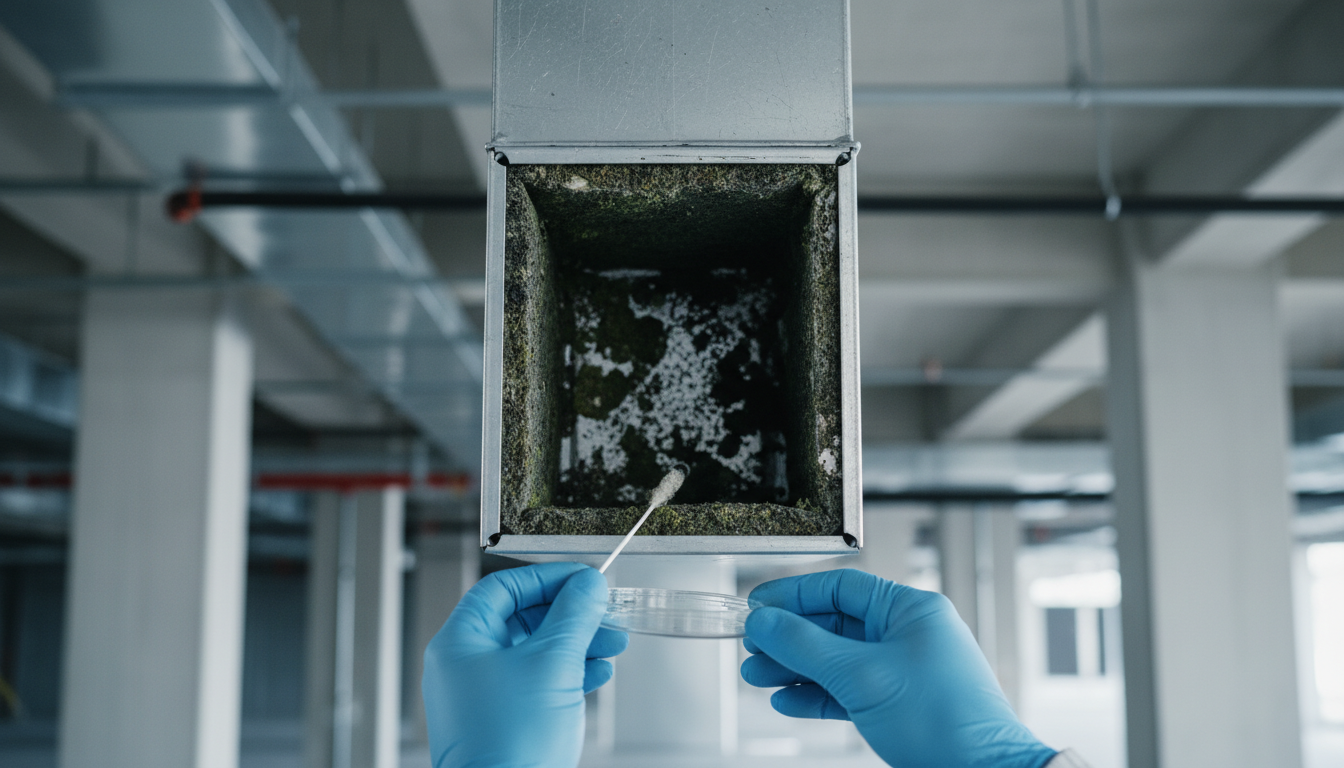
- Advanced HVAC Systems: Multi-zone systems can mask early signs of mold by distributing spores throughout the ductwork. If mold is found in the main living areas, the ductwork must be professionally inspected and potentially cleaned as part of the remediation protocol.
- Mature Landscaping: Dense foliage close to the home’s exterior can prevent sunlight from drying out foundations and siding, leading to "wicking" moisture into the home's structure.
The Remediation Process: A Step-by-Step Overview
- Assessment: A licensed consultant conducts air and surface sampling to identify the genus and concentration of the mold.
- Containment: The remediation crew seals off the affected areas using heavy-duty polyethylene sheeting and negative air machines.
- Removal: Porous materials like drywall, carpet, and insulation are removed if they cannot be effectively cleaned. Non-porous surfaces are treated with specialized antimicrobial solutions.
- Drying: High-velocity air movers and low-grain refrigerant (LGR) dehumidifiers are deployed to bring the moisture content of wood and concrete down to a safe range.
- Clearance Testing: Once the work is done, the initial Mold Assessment Consultant must return to perform "clearance testing" to confirm that the project met the standards set in the initial protocol.
Frequently Asked Questions
Does my homeowners insurance cover mold remediation in Memorial Villages? Coverage depends entirely on the cause of the loss. If the mold resulted from a "sudden and accidental" water event, such as a burst pipe, it is typically covered. However, mold resulting from long-term maintenance neglect or high humidity is often excluded from standard policies. Always review your specific declarations page.
Do I need to leave my home during the remediation process? For minor, isolated mold issues, you may be able to stay in the home if the containment is effective. For extensive remediation involving multiple rooms or ductwork, it is often safer and more comfortable for family members, especially those with respiratory sensitivities, to relocate temporarily.
How long does a typical remediation project take? While small, localized projects might take 2 to 3 days, larger projects requiring structural demolition and extensive drying can take several weeks. The timeline is largely determined by the "drying phase," which cannot be rushed without risking the recurrence of mold.
Is bleach an effective solution for mold remediation? Professional remediators do not use bleach. Bleach is ineffective on porous surfaces like drywall or wood because it does not penetrate the material to kill the mold roots (hyphae). It may also damage the surface and create a false sense of security. Professionals use EPA-registered fungicides designed to kill and inhibit the regrowth of mold.
What happens if I find mold behind a wall? If you discover mold during a renovation or due to a leak, stop immediately. Do not attempt to scrub or cut into the drywall yourself, as this releases concentrated spores into your home's air supply. Seal the area and contact a licensed assessor to evaluate the extent of the growth before remediation begins.
Taking the Next Step
If you suspect mold growth, your priority should be the assessment phase. Do not call a remediation company to start work immediately. Contact a licensed Mold Assessment Consultant to perform a professional evaluation. This report will be your essential roadmap, ensuring that any remediation work you authorize is necessary, legally compliant, and effective. By following the state-mandated separation of assessment and remediation, you ensure the integrity of your home’s air quality and protect your financial investment.
Image Gallery