Employer Responsibilities for Life Insurance Conversion and Portability
Employers are legally and contractually obligated to notify departing employees of their rights to maintain life insurance coverage through conversion or portability. This involves providing specific notices within statutory timeframes...
Employers are legally and contractually obligated to notify departing employees of their rights to maintain life insurance coverage through conversion or portability. This involves providing specific notices within statutory timeframes—typically 31 days—supplying necessary application forms, and ensuring Summary Plan Descriptions accurately reflect these options to maintain ERISA compliance and avoid fiduciary liability.
Contents
The transition of life insurance coverage from an employer-sponsored group plan to an individual arrangement is a critical juncture for both the organization and the employee. As of 2026, the complexity of benefits administration has increased, with stricter regulatory oversight regarding how information is communicated during "qualifying events" such as resignation, termination, or reduction in hours. Failure to meet these responsibilities does not merely result in administrative headaches; it can lead to significant legal exposure where the employer may be held liable for the full face value of a death benefit if a former employee was not properly informed of their rights.
Understanding the Distinction: Conversion vs. Portability
To fulfill their duties, employers must first distinguish between conversion and portability, as the administrative requirements and the nature of the resulting coverage differ substantially.
Life Insurance Conversion
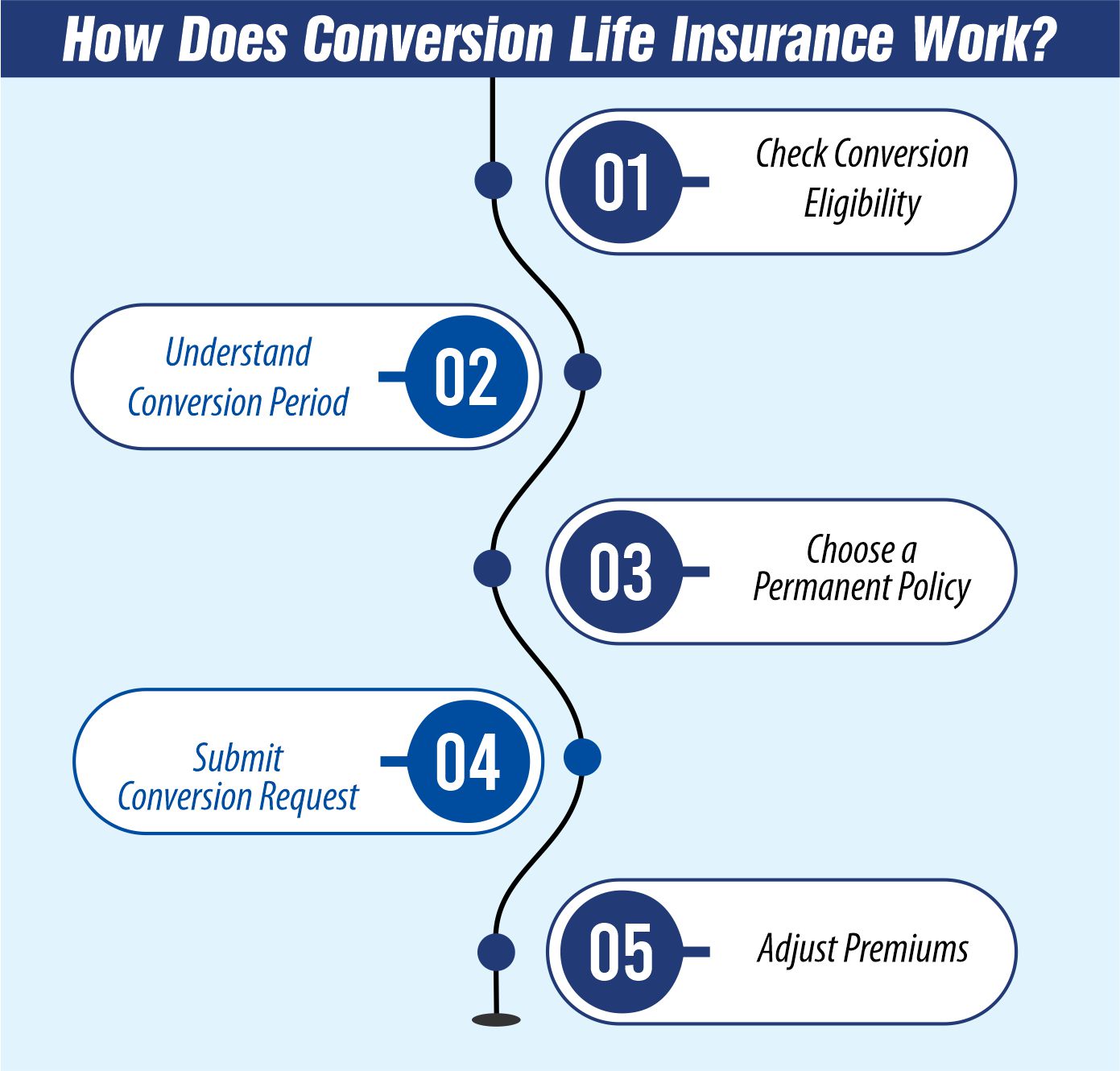
Conversion is a right, often mandated by state law, that allows an insured individual to change their group term life insurance into an individual permanent (whole life) policy without providing evidence of insurability. This means no medical exams or health questionnaires are required. This right is particularly vital for employees with chronic illnesses or those who are otherwise uninsurable on the open market.
The employer’s role in conversion is largely driven by state statutes. Most states follow the National Association of Insurance Commissioners (NAIC) model, which requires that employees be given a specific window—usually 31 days following the termination of group coverage—to exercise this right.
Life Insurance Portability
Portability is typically a contractual feature of the insurance policy rather than a statutory mandate. It allows an employee to "take the coverage with them" by transitioning from the group plan to a separate group-like term life policy. While portability is often more affordable than conversion because it remains term insurance, it usually requires that the employee is not leaving due to a disability and may still be subject to age restrictions.
In 2026, many carriers have streamlined the portability process through digital portals, but the employer remains the primary gatekeeper for the initial notification and eligibility verification.
Primary Employer Obligations and Deadlines
The "duty to inform" is the cornerstone of employer responsibilities. Under the Employee Retirement Income Security Act (ERISA), plan administrators (which is often the employer) have a fiduciary duty to provide participants with material information regarding their benefits.
Timely Notification
The most critical responsibility is the delivery of the conversion and portability notice. While federal law (ERISA) does not explicitly mandate a specific "Conversion Notice" in the same way COBRA mandates a health insurance notice, many state laws do. Furthermore, court rulings have repeatedly found that failing to notify an employee of their conversion rights is a breach of fiduciary duty.
Standard practice in 2026 dictates that these notices should be sent immediately upon the termination of employment. If an employer fails to provide the notice within the required timeframe (often 15 to 31 days depending on the state), the period during which the employee can convert the policy may be extended, sometimes up to 90 days. However, the employer may become the "de facto" insurer during this extension if the carrier refuses to honor a late application.
Provision of Documents and Policy Data
Employers must provide the employee with:
- The official conversion/portability application provided by the insurance carrier.
- The specific group policy number and the employer’s name.
- The amount of coverage available for conversion (which may be less than the total group amount depending on policy terms).
- The deadline by which the application must be submitted to the carrier.
Verification of Eligibility
The employer is responsible for accurately reporting the date of coverage termination to the carrier. Discrepancies in dates can lead to a denial of the conversion application, placing the employer in the middle of a dispute between the former employee’s beneficiaries and the insurance company.
Technical Comparison: Portability vs. Conversion
The following table outlines the differences that HR departments must communicate to employees to help them make an informed decision.
| Feature | Conversion | Portability |
|---|---|---|
| Policy Type | Permanent (Whole Life) | Term Life |
| Evidence of Insurability | Never required | Usually not required (within limits) |
| Cost/Premiums | High (Individual rates) | Moderate (Group-like rates) |
| Eligibility | All terminations of coverage | Often excludes disability/retirement |
| Cash Value | Builds cash value over time | No cash value |
| Statutory Basis | Mandated by most state laws | Contractual policy provision |
| Maximum Coverage | Typically the group amount | May be capped or reduced |
Administrative Best Practices for ERISA Compliance
To mitigate risk, employers should integrate life insurance conversion and portability procedures into their standard offboarding workflow.
Updating the Summary Plan Description (SPD)
The SPD must clearly outline the rights to convert or port coverage. In 2026, regulators look for "plain language" explanations. If the SPD is ambiguous about the deadlines or the process, the courts generally rule in favor of the employee. Employers should audit their SPDs annually to ensure they align with the current group policy certificates.
Documentation of Notice Delivery
In the event of a lawsuit, the burden of proof often falls on the employer to show that the conversion notice was sent. Using certified mail or a verifiable electronic delivery system (with "read" receipts) is essential. Relying on a verbal mention during an exit interview is insufficient and legally indefensible.
Coordination with Third-Party Administrators (TPAs)
Many organizations outsource COBRA and life insurance notifications to TPAs. However, the employer remains the legal plan sponsor. It is the employer's responsibility to monitor the TPA and ensure that notices are being mailed within the 31-day window. Contracts with TPAs should include indemnification clauses in case the TPA fails to send the required life insurance notices.
Common Pitfalls and Liability Risks
Errors in managing conversion and portability can be among the most expensive mistakes an HR department makes.
- The "Disability" Oversight: Many group life policies include a "Waiver of Premium" provision for disabled employees. Employers often mistakenly send conversion notices to disabled employees instead of helping them file for a waiver. If the employee converts to an expensive individual policy when they were entitled to free group coverage, the employer may be liable for the premium difference.
- Reductions in Force (RIF): During mass layoffs, administrative tasks can fall through the cracks. If a large group of employees is not notified of their conversion rights and one passes away shortly after, the class-action liability can be staggering.
- Incomplete Information: Providing the notice but failing to include the specific dollar amount available for conversion. Employees cannot complete the application accurately without the data points held by the employer.
Frequently Asked Questions
Does an employer have to pay for the converted policy?
No. The employer’s responsibility is limited to providing notice and the opportunity to convert. Once the employee transitions to an individual or ported policy, the employee is solely responsible for paying all premiums directly to the insurance carrier. The employer's financial obligation ends when the group coverage terminates.
What happens if the employee dies during the 31-day conversion period?
Standard group life insurance policies include a provision that pays the death benefit if the individual dies during the conversion period, even if they had not yet applied for an individual policy. The employer must still facilitate the claim process for the beneficiaries, as the coverage is technically still in a "grace period" for conversion purposes.
Are employers required to offer both portability and conversion?
No. Conversion is generally a legal requirement in most states, whereas portability is an optional feature that an employer chooses when selecting a group policy. If the policy does not include a portability provision, the employer only needs to provide information regarding conversion.
Can an employee convert only a portion of their coverage?
Yes. Employees typically have the right to convert the full amount of their group coverage or any portion thereof. Employers should ensure the forms provided allow the employee to specify the amount they wish to maintain.
How does the 2026 regulatory environment affect electronic notices?
Under current Department of Labor (DOL) safe harbor rules, electronic delivery is permitted if the employee has regular access to the employer's electronic system as an integral part of their job duties. For terminated employees, employers must ensure they have a valid personal email address and prior consent to receive legal notices electronically, or they must revert to physical mail.
Practical Recommendations for Employers
To ensure full compliance and protect the organization from litigation, employers should take the following steps:
- Conduct an Audit: Review current group life insurance certificates to identify the specific timeframes for conversion and portability. Note that these may differ if the company has policies with multiple carriers.
- Automate Notifications: Link the life insurance notice trigger to the "Status Change" or "Termination" event in the Human Resources Information System (HRIS). This ensures that a notice is generated automatically whenever coverage ends.
- Draft a "Standardized Benefits Termination" Letter: This letter should clearly separate COBRA (health) from Life Insurance Conversion/Portability. Mixing them into one dense document can lead to "notice prejudice," where an employee claims the information was obscured.
- Train Exit Interviewers: Ensure that HR representatives conducting exit interviews are trained to mention the 31-day window specifically. While the written notice is the legal standard, the verbal reminder helps prevent missed deadlines and fosters goodwill.
- Keep Records for Seven Years: Given the statutes of limitations on ERISA claims, maintain proof of notice delivery for at least seven years following an employee's departure.
Image Gallery