Why High School Esports Programs Deserve Institutional Funding
High school esports programs provide a high-engagement environment that fosters STEM skills, social-emotional development, and college scholarship opportunities. By formalizing gaming into a structured varsity environment, schools reac...
High school esports programs provide a high-engagement environment that fosters STEM skills, social-emotional development, and college scholarship opportunities. By formalizing gaming into a structured varsity environment, schools reach underserved student populations, improve academic performance through eligibility requirements, and prepare students for technical career paths in a multi-billion dollar global industry.
Contents
Bridging the Engagement Gap: Reaching the "Un-clubbed" Student
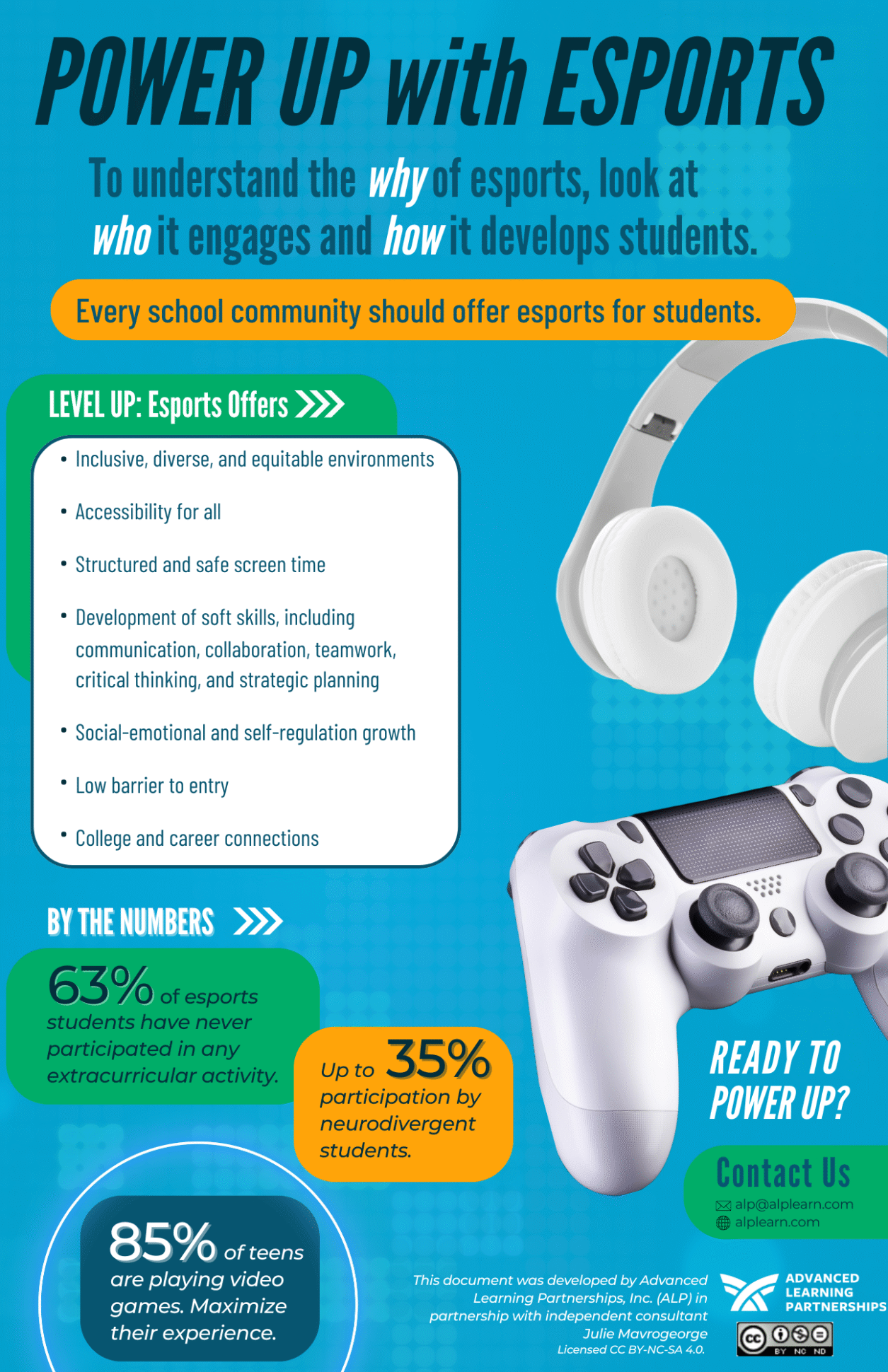
One of the most compelling reasons for school boards to fund an esports program is its unique ability to engage students who are otherwise disconnected from the school community. Statistics from organizations like the High School Esports League (HSEL) consistently show that a significant percentage of esports participants—often referred to as the "un-clubbed"—do not participate in any other school-sponsored extracurricular activities.
Traditional sports, while valuable, often have high barriers to entry, including physical requirements, specialized equipment costs, and limited roster spots. Esports levels this playing field. It provides a sense of belonging and school spirit to students who might feel marginalized in traditional athletic settings. When a student represents their school on a varsity esports team, they experience the same pride, accountability, and social validation as the captain of the football or basketball team. This connection to the school community is a critical factor in student retention, mental health, and overall academic satisfaction.
Furthermore, formalizing esports creates a supervised environment for a hobby that many students already pursue in isolation. By bringing gaming into the school, educators can guide students toward healthy habits, such as proper ergonomics, time management, and digital citizenship, which are often absent when students play alone at home.
STEM Alignment and the Development of 21st-Century Skills
While the primary activity is competitive gaming, the underlying infrastructure of an esports program is a laboratory for Science, Technology, Engineering, and Mathematics (STEM). Funding an esports lab is an investment in a multifunctional space that supports curriculum-based learning during the day and competitive play after school.
Students involved in esports naturally develop high-level technical competencies. These include:
- Hardware and Networking: Understanding the specifications of high-performance PCs, troubleshooting connectivity issues, and managing local area networks (LANs).
- Data Analytics: Competitive gaming at the varsity level requires rigorous post-match analysis. Students use software to track statistics, analyze heat maps, and develop predictive models for opponent behavior, mirroring the workflows used in professional data science.
- Digital Content Creation: A comprehensive program involves more than just players. It requires broadcast teams to manage live streams, graphic designers to create team branding, and video editors to produce highlight reels.
The International Society for Technology in Education (ISTE) has long recognized that esports aligns with its standards for empowering learners and digital citizenship. By funding these programs, schools provide a practical application for theoretical STEM concepts, making learning more relevant to the modern workforce.
Social-Emotional Learning (SEL) and Mental Health Benefits
The perception of gaming as an isolating activity is a misconception that modern scholastic esports has worked hard to dismantle. In a 2026 educational environment, the focus of high school programs is on Social-Emotional Learning (SEL). Like any team sport, esports demands communication, resilience, and emotional regulation.
In the heat of a high-stakes match, students must practice "grit"—the ability to persist through failure and adapt to changing circumstances. They learn to give and receive constructive criticism, manage the stress of competition, and respect their opponents. These are essential life skills that translate directly to the workplace and personal relationships.
Moreover, a funded program allows for the presence of a qualified coach or faculty advisor. This mentor plays a pivotal role in monitoring student well-being. By establishing a code of conduct and emphasizing sportsmanship, schools can combat the toxicity sometimes found in online gaming communities. A structured program provides a safe, inclusive space where students are held to high standards of behavior, effectively teaching them how to be positive contributors to digital society.
The Path to Higher Education: Scholarships and Recruitment
As of 2026, the collegiate esports landscape has matured into a robust ecosystem. Organizations such as the National Association of Collegiate Esports (NACE) oversee hundreds of member institutions that offer millions of dollars in esports scholarships annually. For many students, esports has become a viable pathway to debt-free or reduced-cost higher education.
College recruiters now actively scout high school tournaments, looking for talent not just in gameplay, but in leadership and technical support roles. By funding a high school program, a district provides its students with the visibility and competitive experience necessary to secure these scholarships.
Beyond the financial aspect, many universities have integrated their esports teams with academic departments. Students may find themselves recruited into programs for game design, cybersecurity, or business management, using their competitive background as a springboard into specialized degree paths. A school that fails to provide a formal esports platform is, in effect, closing a door to these modern recruitment opportunities.
Infrastructure Requirements and Cost-Benefit Analysis
A common concern for administrators is the initial "sticker shock" of equipment costs. However, when viewed as a multi-year investment, the cost per student is often lower than that of traditional sports like football or ice hockey, which require constant replacement of consumables, high insurance premiums, and specialized facility maintenance.
The hardware used for esports—high-end PCs and monitors—has a significant lifespan and can be used for other high-demand academic tasks. For example, a computer capable of running a competitive match is also ideal for AutoCAD, Adobe Creative Cloud, and complex computer science compilations.
| Component / Requirement | Estimated Cost (Per Lab) | Primary Academic Use | Secondary Competitive Use |
|---|---|---|---|
| High-Performance PCs | $1,500 - $2,500 per unit | Video editing, 3D modeling, AI | Competitive gameplay, streaming |
| High-Refresh Monitors | $250 - $400 per unit | Graphic design, detailed coding | Reduced input lag, visual clarity |
| Ergonomic Seating | $200 - $400 per unit | Classroom ergonomics | Postural health during long matches |
| Network Infrastructure | $2,000 - $5,000 | School-wide bandwidth stability | Latency-free (low ping) gaming |
| Coaching/Stipends | $1,500 - $4,000/year | Mentorship, SEL guidance | Strategy, roster management |
Funding also covers league fees and insurance. Most reputable leagues, such as PlayVS or the HSEL, provide the platform, scheduling, and security protocols needed to ensure a safe environment. When the cost is spread across 30 to 50 students who might otherwise not participate in any school programs, the return on investment (ROI) in terms of student engagement and academic performance is substantial.
Career Pathways Beyond the Controller
The value of funding an esports program extends far beyond the "pro gamer" aspiration. The global esports market supports a vast array of professional roles that mirror traditional corporate structures. By funding a program, schools introduce students to the "ecosystem" of the industry.
- Management and Operations: Students act as team managers, handling scheduling, logistics, and communications.
- Production and Broadcasting: Learning the technical side of "shoutcasting" (commentary) and live production using tools like OBS (Open Broadcaster Software).
- Marketing and Social Media: Managing the team’s public persona and engagement strategies.
- Health and Wellness: Understanding the importance of physical fitness, nutrition, and mental health in maintaining peak performance.
These roles provide students with a portfolio of work that is highly attractive to employers in many fields, not just gaming. An esports program acts as a career and technical education (CTE) hub, giving students hands-on experience in project management and digital media.
Addressing Common Concerns: Health and Academic Balance
Critics of esports funding often cite concerns regarding sedentary behavior and academic distraction. However, a funded, supervised program is the best solution to these issues. Unlike casual gaming at home, varsity esports programs typically include:
- Mandatory GPA Requirements: Students must maintain a specific grade point average (often 2.0 or higher) to remain eligible, providing a powerful incentive for academic focus.
- Physical Activity Components: Many coaches incorporate mandatory "warm-ups" or physical exercise into practice schedules to emphasize the connection between physical health and mental performance.
- Structured Time Management: Practice times are set, preventing the late-night sessions that can interfere with sleep and school attendance.
By providing funding, the school gains the authority to regulate the activity. Without a formal program, students will still play games, but they will do so without the academic guardrails and professional guidance that a school environment provides.
Frequently Asked Questions
What are the ongoing costs after the initial equipment purchase?
Ongoing costs typically include league participation fees, which range from $40 to $80 per student per season, and hardware maintenance. Schools should also budget for faculty stipends and occasional peripheral replacements (mice, keyboards, headsets) every 2-3 years. Software costs are often minimal, as many competitive titles are free-to-play or provided via league licenses.
How does esports contribute to diversity and inclusion in schools?
Esports is one of the few competitive activities where students of all genders can compete on the same team without physical disadvantages. It is also highly accessible for students with physical disabilities, as adaptive controllers and software allow them to compete at the highest levels alongside their peers. This creates a truly inclusive environment that breaks down traditional social barriers.
Won't esports increase instances of "gaming disorder" among students?
On the contrary, structured programs provide the necessary education to prevent burnout and addiction. Coaches teach students how to set boundaries, identify signs of fatigue, and balance gaming with other responsibilities. By formalizing the hobby, the school transforms it from a potentially compulsive behavior into a disciplined, goal-oriented activity.
Is specialized facility construction necessary for an esports program?
No. Most programs begin in existing computer labs or media centers. While some districts choose to build dedicated "arenas," the primary requirement is a stable power supply and high-speed internet. Existing infrastructure can usually be upgraded to accommodate an esports team with minimal structural changes.
How do we measure the success of a funded esports program?
Success is measured through several metrics: student participation rates (specifically among the "un-clubbed"), year-over-year GPA stability or improvement of participants, the number of students pursuing STEM or esports-related higher education, and the development of soft skills as reported by teachers and parents.
Recommendation for Implementation
To maximize the impact of funding, school districts should approach esports as a multi-departmental initiative involving Athletics, IT, and CTE (Career and Technical Education). Start by identifying a faculty champion who understands the culture of gaming and can bridge the gap between students and administration. Secure a dedicated space that can serve both academic and competitive needs, and choose a league partner that prioritizes student safety and academic eligibility. By treating esports with the same rigor as any other varsity program, schools will see a significant return in student engagement, technical proficiency, and community pride.
Image Gallery