How to Deal When a Lock Is Stuck: A Step-by-Step Troubleshooting Guide
When a lock is stuck, the mechanism has typically failed due to internal debris, mechanical misalignment, or insufficient lubrication, preventing the key from turning or the bolt from retracting. To resolve this, you must first determi...
When a lock is stuck, the mechanism has typically failed due to internal debris, mechanical misalignment, or insufficient lubrication, preventing the key from turning or the bolt from retracting. To resolve this, you must first determine if the issue lies with the key, the cylinder, or the strike plate, then apply targeted lubrication or gentle alignment adjustments to restore functionality without damaging the internal pins or springs.
Contents
Assessing the Point of Failure
Before you attempt any repairs, you must identify where the mechanism is binding. A "stuck lock" can manifest in several ways: the key may refuse to enter the keyway, it may enter but fail to rotate, or the bolt itself may be jammed inside the door frame.
Begin by testing the key. If you have a spare key, attempt to use it. Keys are made of softer metal than the lock pins; over time, they wear down or develop microscopic burrs that prevent them from engaging the tumblers correctly. If the spare key works, your original key is the issue and should be discarded to prevent future lockouts. If neither key works, the problem is likely internal to the lock cylinder.
Next, check for door sagging. Often, a lock appears stuck because the door has shifted in its frame, causing the bolt to bind against the strike plate—the metal piece attached to the door jamb. Try lifting or pulling the door toward you while simultaneously turning the key. If the bolt retracts easily when the door is held in a different position, your issue is structural alignment rather than a mechanical failure of the lock.
Prerequisites for Troubleshooting
If you determine the issue is internal to the lock, you will need a few standard supplies. Avoid the temptation to use household items like WD-40 or heavy oils unless they are specifically formulated for locks.
- Dry Graphite Lubricant or PTFE Spray: These are the industry standards for internal lock mechanisms. They provide lubrication without leaving a sticky residue that attracts dirt.
- Tweezers: Necessary for removing broken key fragments or external debris lodged in the keyway.
- Screwdriver Set: Required if you need to remove the faceplate or the strike plate to inspect the bolt mechanism.
- Microfiber Cloth: Useful for cleaning the key and the face of the lock.
Step-by-Step Resolution Procedures
1. Clearing the Keyway
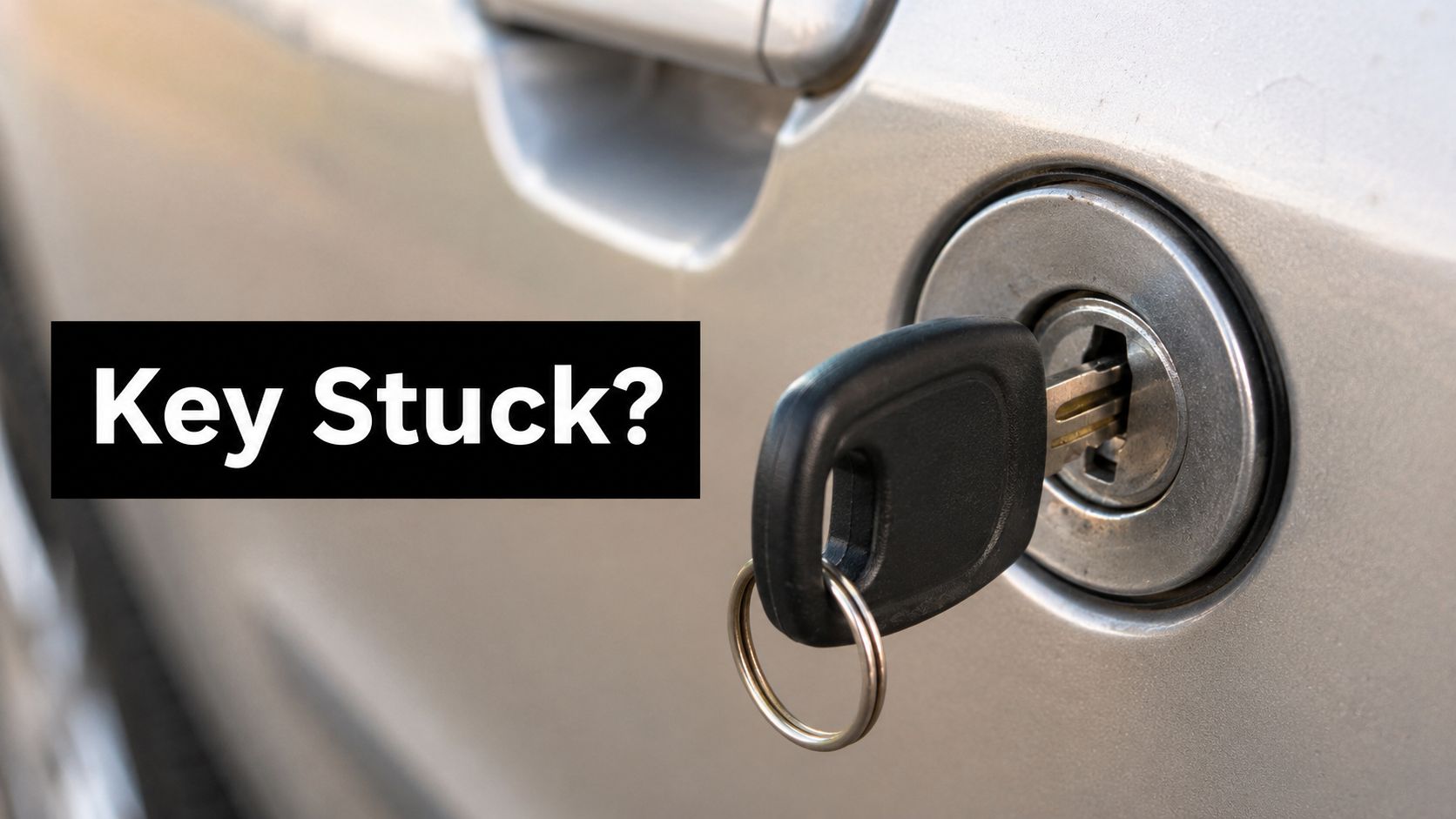
Inspect the keyway for obstructions. If you see lint, paper, or debris, use a thin needle or a pair of non-conductive plastic tweezers to remove it. Do not force a metal object deep into the cylinder, as you risk bending the delicate internal pins or short-circuiting an electronic lock. If a key has snapped off inside, do not push it further; use a key extractor tool or contact a professional locksmith.
2. Lubricating the Mechanism
If the key enters the lock but feels "gritty" or resists turning, the internal tumblers may be seized. Insert the straw of a dry graphite lubricant canister into the keyway and apply a short, controlled burst. If you are using a liquid PTFE spray, ensure it is labeled as "lock safe." After applying the lubricant, insert and remove the key repeatedly without turning it; this distributes the lubricant across the pin stack. Finally, attempt to turn the key gently. Never force a key; if it does not turn with moderate pressure, you risk snapping it off.
3. Adjusting the Strike Plate
If the lock works perfectly while the door is open but sticks when the door is closed, the bolt is likely misaligned with the strike plate. Over time, houses settle, which can cause the door frame to lean. Use a screwdriver to tighten the screws on the hinges, as loose hinges are a common cause of door sag. If the bolt is rubbing against the edge of the strike plate, you may need to file down the metal of the strike plate slightly or adjust its position by loosening the mounting screws and shifting it a few millimeters.
Comparison of Troubleshooting Methods
| Method | Best For | Risk Level | Requirement |
|---|---|---|---|
| Lubrication | Sticky/Gritty rotation | Low | Graphite or PTFE spray |
| Door Realignment | Bolt binds when door closed | Low | Screwdriver |
| Key Extraction | Broken fragment in lock | High | Extractor tool |
| Strike Plate Filing | Structural binding | Moderate | Metal file |
When to Call a Professional
While DIY methods cover most common issues, certain situations necessitate professional intervention. If you encounter a high-security lock—such as those with anti-drill or anti-pick plates—avoid attempting a manual bypass, as you may permanently damage the engagement mechanism. Additionally, if the lock is part of a complex smart-home security system, avoid using liquid lubricants, as they can damage sensitive electronic sensors.
Professional locksmiths in 2026 are trained in non-destructive entry techniques. If your lock has suffered internal spring failure, it cannot be "fixed" with lubricant; the cylinder must be disassembled or replaced. Attempting to force a seized lock with a wrench or pliers often leads to a much more expensive repair bill, as it can damage the door wood and the surrounding trim.
Common Mistakes to Avoid
Many people inadvertently exacerbate lock issues by using inappropriate substances. Common household items like vegetable oil, petroleum jelly, or standard WD-40 (the original formula) are detrimental to locks. These substances act as magnets for dust and grime, eventually turning into a thick sludge that permanently jams the tumblers. If you have already applied these substances, you will likely need to remove the lock cylinder and clean it thoroughly with an electrical contact cleaner or have it professionally serviced.
Another frequent error is the use of excessive force. Lock mechanisms are precision-engineered devices with very tight tolerances. If a key requires significant torque to turn, there is a mechanical obstruction. Turning harder will only stress the key’s shear line, increasing the probability of a snap.
Frequently Asked Questions
Can I use oil to fix a stiff lock? No. You should never use oils or heavy greases. These products collect debris over time, creating a sticky paste that will eventually cause the lock to fail completely. Only use dry lubricants like graphite or specialized Teflon-based sprays.
What should I do if my key broke off inside the lock? Do not attempt to push the broken piece out with another object, as this will drive it deeper into the cylinder. If any portion of the key is visible, you may be able to pull it out with needle-nose pliers. If it is fully submerged, you must use a specialized key extractor tool or hire a locksmith.
Does temperature affect lock performance? Yes. In extreme cold, moisture inside the lock can freeze, causing the pins to seize. In this specific scenario, a de-icer fluid or a gentle heating method, such as holding a warm cloth against the lock, may be required before applying dry lubricant.
My smart lock is unresponsive; is it a mechanical jam? Not necessarily. Smart locks rely on motors to throw the bolt. If the bolt is misaligned with the strike plate, the motor may lack the torque to move it, resulting in an "error" or "jammed" notification. Ensure the door is perfectly aligned before checking the battery and internal motor status.
How often should I lubricate my locks? Under normal residential conditions, lubricating your lock once every 12 to 18 months is sufficient. If you live in an environment with high salt content (coastal areas) or high dust levels, you should inspect and lubricate the cylinders at least once every six months to prevent oxidation and buildup.
Next Actions
To maintain your security hardware, perform a quick check of all external locks in your home today. Test the smoothness of the turn; if any lock feels resistance, apply a small amount of dry lubricant. If you have a door that frequently sticks, check the hinge screws for tightness. Ensuring that your locks are mechanically sound is the most effective way to prevent a total lockout situation in the future. If a lock continues to jam after lubrication and alignment, plan to replace the cylinder or contact a reputable local locksmith for an inspection.
Image Gallery