Navigating the High Seas: The Evolution and Cultural Impact of Pirate Movies in Animation
Pirate movies in animation combine the lawless adventure of the Golden Age of Piracy with the boundless visual potential of hand-drawn, stop-motion, and computer-generated imagery. This subgenre bridges historical swashbuckling tropes...
Pirate movies in animation combine the lawless adventure of the Golden Age of Piracy with the boundless visual potential of hand-drawn, stop-motion, and computer-generated imagery. This subgenre bridges historical swashbuckling tropes with family-friendly storytelling, slapstick comedy, and dark fantasy, creating enduring cinematic milestones that appeal to audiences of all ages.
Contents
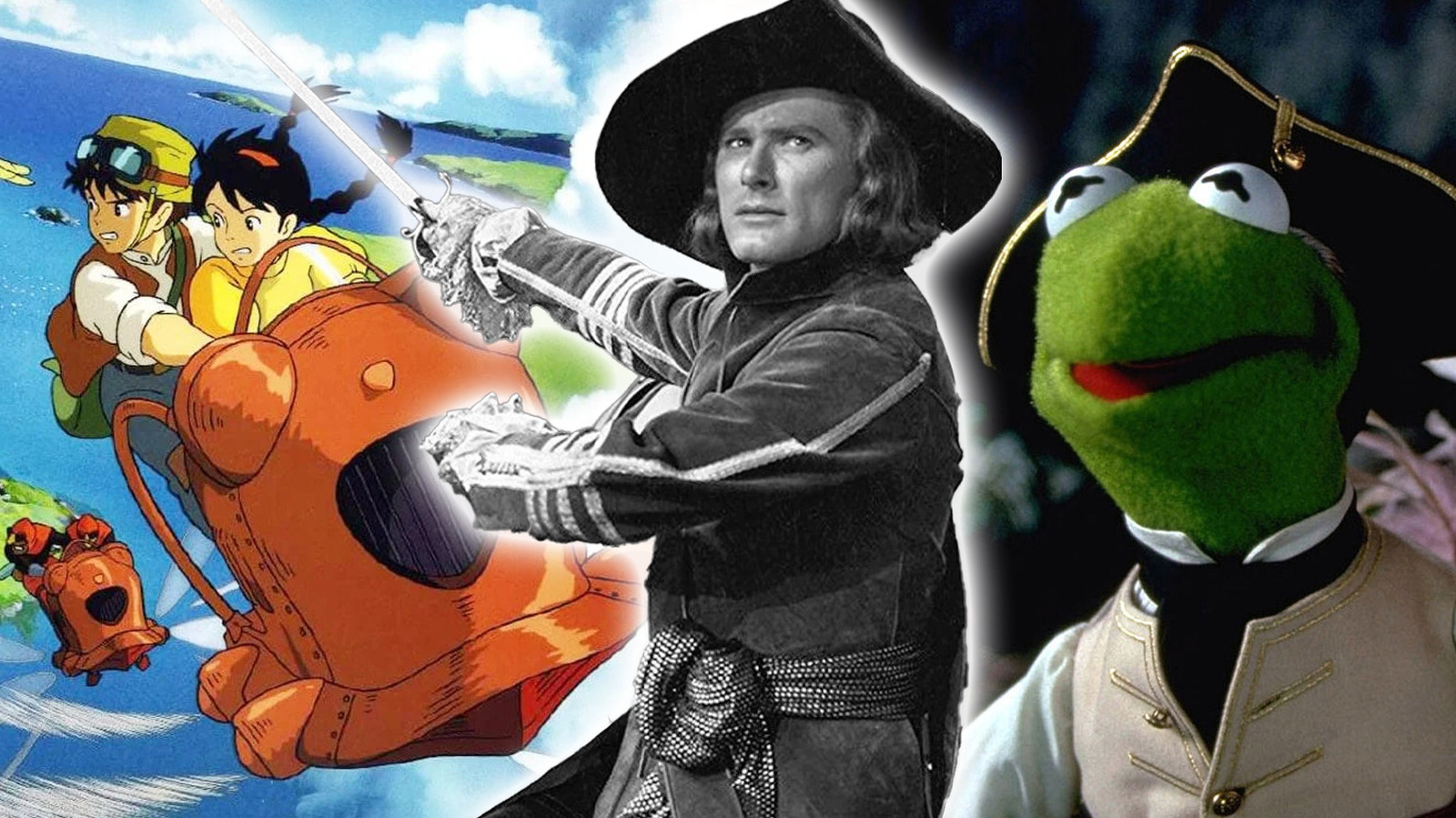
The cinematic depiction of seagoing outlaws has undergone a massive transformation since the early days of silent animation. While live-action pirate films dominated Hollywood's Golden Age with actors like Errol Flynn, animated adaptations eventually carved out a distinct niche. They liberated the genre from the physical constraints of soundstages, water tanks, and practical effects.
Understanding this subgenre requires looking at how technological milestones, distinct studio styles, and narrative subversion shaped pirate animation. From early stylistic experiments to stop-motion masterpieces and blockbusting computer-generated features, animated pirate films offer a unique window into the history of cinematic craft.
Historical Evolution of Pirate Motifs in Early Animation
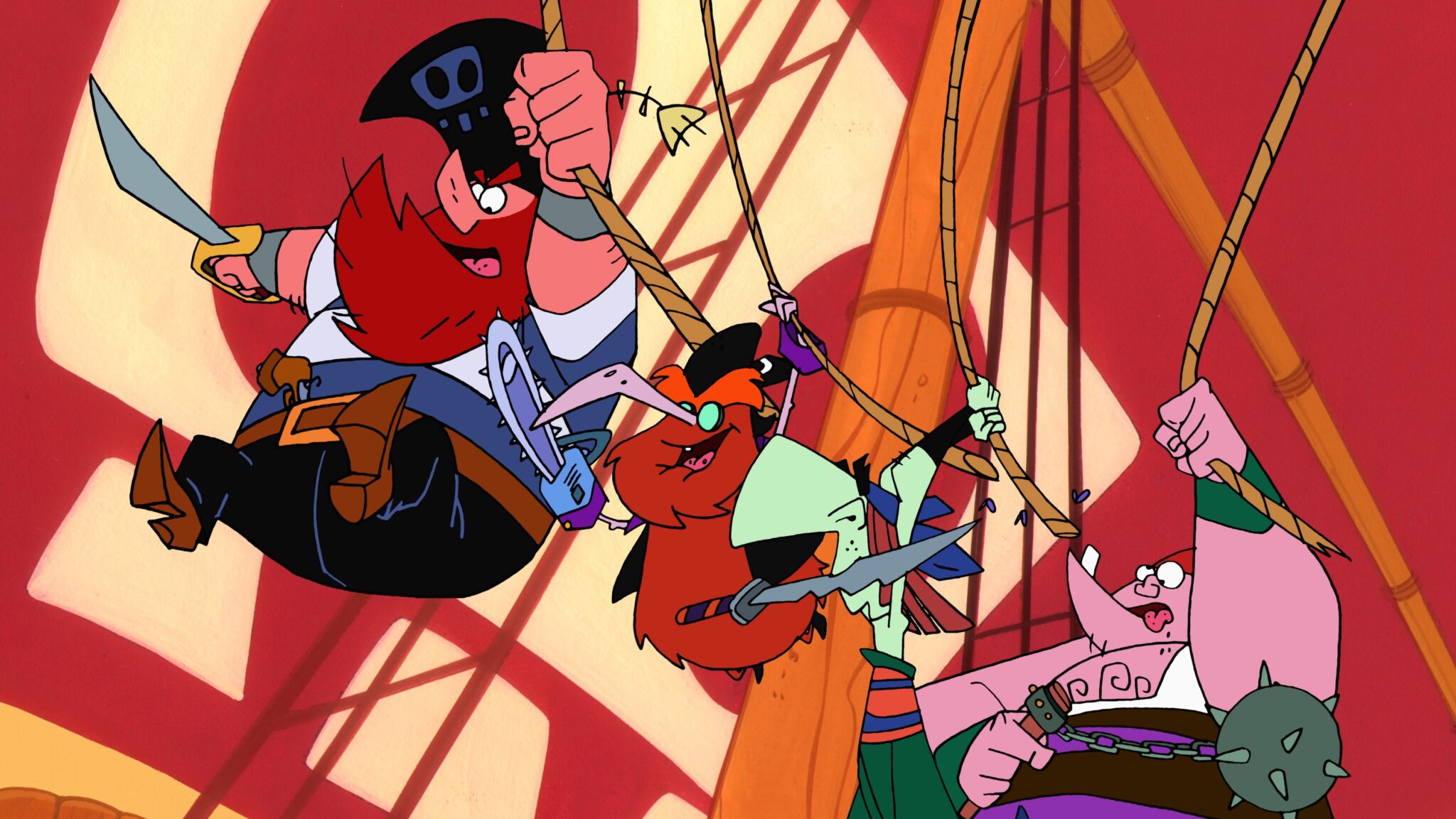
Before full-length features popularized maritime adventure, short-form animation treated pirates as eccentric, caricature-driven antagonists. In the early 20th century, silent shorts and experimental works utilized simple shapes and fluid rubber-hose animation to depict cartoon characters navigating treacherous waters. Pirates served primarily as punchlines or secondary foils for established stars like Mickey Mouse or Felix the Cat.
As studios refined narrative structures in the 1930s and 1940s, the visual language of the animated pirate became formalized. Hook hands, eye patches, peg legs, and parrots perched on shoulders were codified during this era. These design choices were not merely stylistic; they were functional shortcuts that helped audiences instantly identify character alignments in black-and-white or early Technicolor formats.
The turning point for the subgenre arrived with Walt Disney Productions' adaptation of Robert Louis Stevenson’s classic novel. The studio's live-action Treasure Island (1950) proved the commercial viability of the material, but animation soon adopted these tropes to reach younger demographics. Short films began incorporating stylized galleons, deserted islands with marked treasure maps, and dramatic sea shanties that established the auditory and visual template for decades of subsequent media.
The Milestone Era: Traditional and Live-Action Hybrid Masterpieces
The mid-to-late 20th century saw traditional hand-drawn animation elevate pirate tropes into high art and global pop culture. These films moved beyond simple slapstick, introducing complex character motivations, sweeping orchestral scores, and sophisticated narrative stakes.
Disney’s Defining Contributions
No discussion of animated maritime adventures is complete without examining the influence of Walt Disney Animation Studios. While Peter Pan (1953) features Captain Hook as a quintessential comedic yet menacing antagonist, the imagery associated with Neverland's Skull Rock and the Jolly Roger cemented pirate lore in the global consciousness.
Decades later, Disney released Treasure Planet (2002), a bold sci-fi reimagining of the Stevenson classic. By replacing traditional sailing ships with solar-powered galleons navigating an interstellar ether, the film demonstrated how traditional pirate tropes could be reframed within futuristic or fantastical settings. Although it faced box-office challenges upon release, its intricate blend of traditional 2D hand-drawn characters and computer-generated environments remains a technical achievement of its era.
Anime and Global Variations
Outside of Hollywood, international studios explored maritime themes with distinct cultural lenses. Japanese animation studios, notably Toei Animation, produced landmark features such as Animal Treasure Island (1971), a project that heavily involved a young Hayao Miyazaki as a key animator and story consultant. These productions injected high-energy pacing, intricate mechanical designs, and emotional depth into stories traditionally viewed through a purely Western, comedic lens.
Stop-Motion Craftsmanship and Modern CGI Blockbusters
As animation technology progressed into the 21st century, physical craftsmanship and digital innovation expanded the aesthetic boundaries of pirate cinema. Stop-motion animation and computer-generated imagery (CGI) brought tactile realism and fluid kinetic action to the high seas.
Aardman Animations and Stop-Motion Detail
In 2012, Aardman Animations, in partnership with Sony Pictures Animation, released The Pirates! Band of Misfits (released as The Pirates! In an Adventure with Scientists! in several regions). Utilizing intricate stop-motion models combined with digital background augmentation, the film achieved a level of physical texture impossible in pure CGI.
The production value of stop-motion maritime films involves immense technical hurdles:
- Water Simulation: Simulating ocean waves, splashes, and ship wakes requires thousands of individually shaped translucent materials, resin casts, or digital replacements.
- Puppet Rigging: Miniature pirate ships must house complex internal armatures to support crew members during dynamic action sequences.
- Costuming at Scale: Fabric scaling must match miniature proportions without looking bulky under studio lighting.
Aardman’s satirical take on Victorian science, featuring historical figures like Charles Darwin and Queen Victoria alongside incompetent buccaneers, proved that animated pirate movies could successfully target sophisticated adult humor while maintaining family appeal.
CGI Spectacle and Franchise Expansion
Computer-generated imagery allowed filmmakers to choreograph massive naval battles with dynamic camera angles that defied physical camera rigs. Studios leveraged particle systems to render realistic ocean spray, cloth simulation for billowing sails, and complex lighting engines to mimic moonlight glinting off cannon smoke.
While live-action franchises like Pirates of the Caribbean dominated box offices, animated shorts and direct-to-video features continued to experiment. Projects adapted theme park attractions, mythological sea monsters, and classic folklore, ensuring that the visual vocabulary of piracy remained dynamic and responsive to changing cinematic standards.
| Film Title | Release Year | Primary Animation Medium | Notable Technical or Thematic Milestone |
|---|---|---|---|
| Peter Pan | 1953 | Traditional Hand-Drawn | Codified the archetypal cartoon pirate captain and ship design. |
| Treasure Planet | 2002 | Hybrid (2D Characters on 3D Backgrounds) | Transposed classic nautical tropes into a steampunk sci-fi universe. |
| The Pirates! Band of Misfits | 2012 | Stop-Motion / CGI Hybrid | Brought British satirical wit and tactile claymation to maritime action. |
| The Sea Beast | 2022 | Computer-Generated Imagery (CGI) | Utilized advanced water simulation and painterly texturing for monster hunting. |
Comparative Analysis of Styles: Traditional vs. CGI vs. Stop-Motion
Choosing an animation medium alters how a pirate story connects with its audience. Each technique presents distinct advantages and operational limitations when handling nautical themes.
- Traditional Hand-Drawn Animation: Excels at fluid, expressive character acting and painterly backgrounds. However, rendering vast oceans and complex rigging by hand demands intense labor, limiting the scale of large fleet battles.
- Computer-Generated Imagery (CGI): Offers unmatched capability for massive scale, dynamic lighting, and realistic fluid dynamics. It allows directors to move virtual cameras through raging storms and explosive broadsides with total freedom. The trade-off can sometimes involve a loss of physical warmth or tactile texture if not balanced with strong art direction.
- Stop-Motion: Delivers a unique physical presence where every prop, wave, and character is a tangible object. While it limits the speed and scale of fast-paced action compared to CGI, the handcrafted aesthetic creates a storybook feel that resonates with audiences seeking classic craftsmanship.
Common Tropes and Subversion in Modern Narratives
Modern animated pirate films frequently subvert the tropes established by mid-century cinema. Rather than relying on simple depictions of villainous plunderers or romanticized swashbucklers, contemporary screenwriters often interrogate the mythology of piracy itself.
Common thematic shifts include:
- Environmental and Ecological Awareness: Modern stories often pit pirates against industrialized empires, framing seafarers as protectors of mystical marine life rather than mere plunderers.
- Deconstruction of Myth: Characters frequently struggle with the reality of living on the margins of society, contrasting the glamorous myth of buried treasure with the harsh conditions of scurvy, mutiny, and political displacement.
- Inclusive Crew Dynamics: Contemporary narratives actively diversify crew rosters, moving past historical homogeneity to reflect modern storytelling values.
Frequently Asked Questions
What was the first major animated film to feature pirates prominently?
While early animated shorts featured cartoon pirates throughout the 1920s and 1930s, Disney's Peter Pan (1953) stands as the first major feature-length animated film where pirates, led by Captain Hook, form a central and sustained narrative pillar of the story.
Are animated pirate movies suitable for young children?
Most animated pirate films are rated G or PG, making them accessible to family audiences. However, films featuring intense fantasy violence, monster attacks, or darker thematic elements—such as Treasure Planet or The Sea Beast—may be better suited for older children and pre-teens.
How do stop-motion animators create water and ocean effects?
Stop-motion productions typically use materials like dyed translucent silicone, glass, layered resin, or animated cut-paper sheets to mimic the appearance of water. In hybrid films, practical stop-motion puppets are frequently composited over digital ocean simulations to achieve convincing movement.
Why do so many animated pirate films adapt Treasure Island?
Robert Louis Stevenson’s 1883 novel established the core blueprint for modern pirate fiction, including maps marked with an "X," one-legged sailors with parrots, and mutinous plots. Its modular, episodic structure makes it easily adaptable for various animation styles and modern settings.
Did Hayao Miyazaki work on an animated pirate movie?
Yes. Early in his career, Hayao Miyazaki worked as a key animator and story consultant on Toei Animation’s Animal Treasure Island (1971), an anime feature that adapted Stevenson's novel with an anthropomorphic animal cast.
Conclusion and Recommendations for Viewers
Exploring pirate movies in animation reveals a genre that continuously reinvents itself through technological advancement and narrative ambition. Whether you prefer the nostalgic warmth of hand-drawn cel animation, the tactile wonder of stop-motion miniatures, or the sweeping scale of digital ocean simulations, maritime animation offers enduring entertainment.
To start watching, consider viewing Treasure Planet for a creative genre mashup, The Pirates! Band of Misfits for clever British comedy, and The Sea Beast for modern blockbuster CGI visuals.
Image Gallery