A Comprehensive Guide to Planning a Trip to Acadia National Park
Planning a trip to Acadia National Park requires balancing advance reservation logistics, seasonal weather patterns, and specific permit requirements for popular areas like Cadillac Mountain. Visitors must prioritize booking vehicle re...
Planning a trip to Acadia National Park requires balancing advance reservation logistics, seasonal weather patterns, and specific permit requirements for popular areas like Cadillac Mountain. Visitors must prioritize booking vehicle reservations for the Cadillac Summit Road during peak months, securing lodging well in advance, and understanding the park’s multi-modal transit options to navigate its high-traffic corridors effectively.
Contents
Understanding the Acadia National Park Landscape
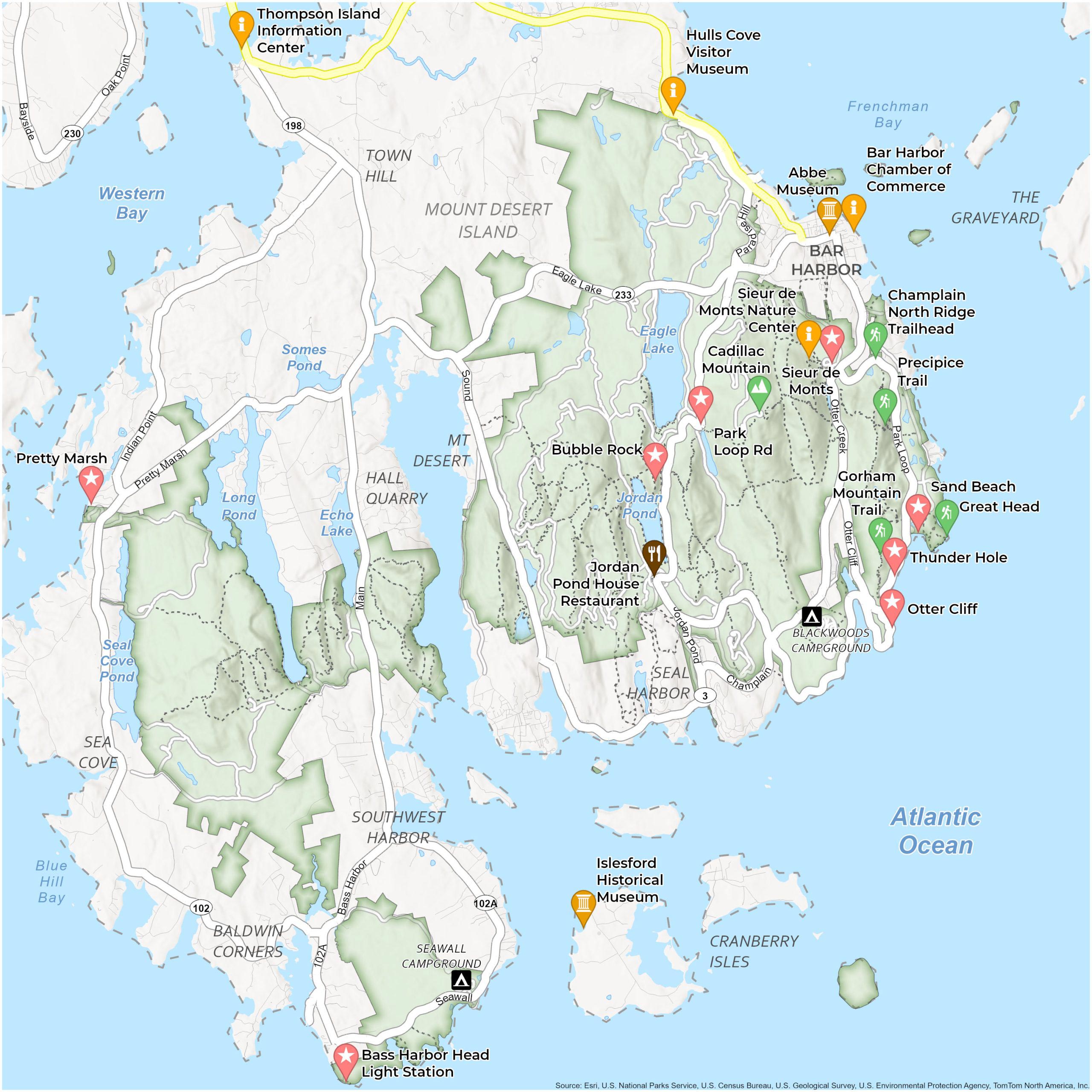
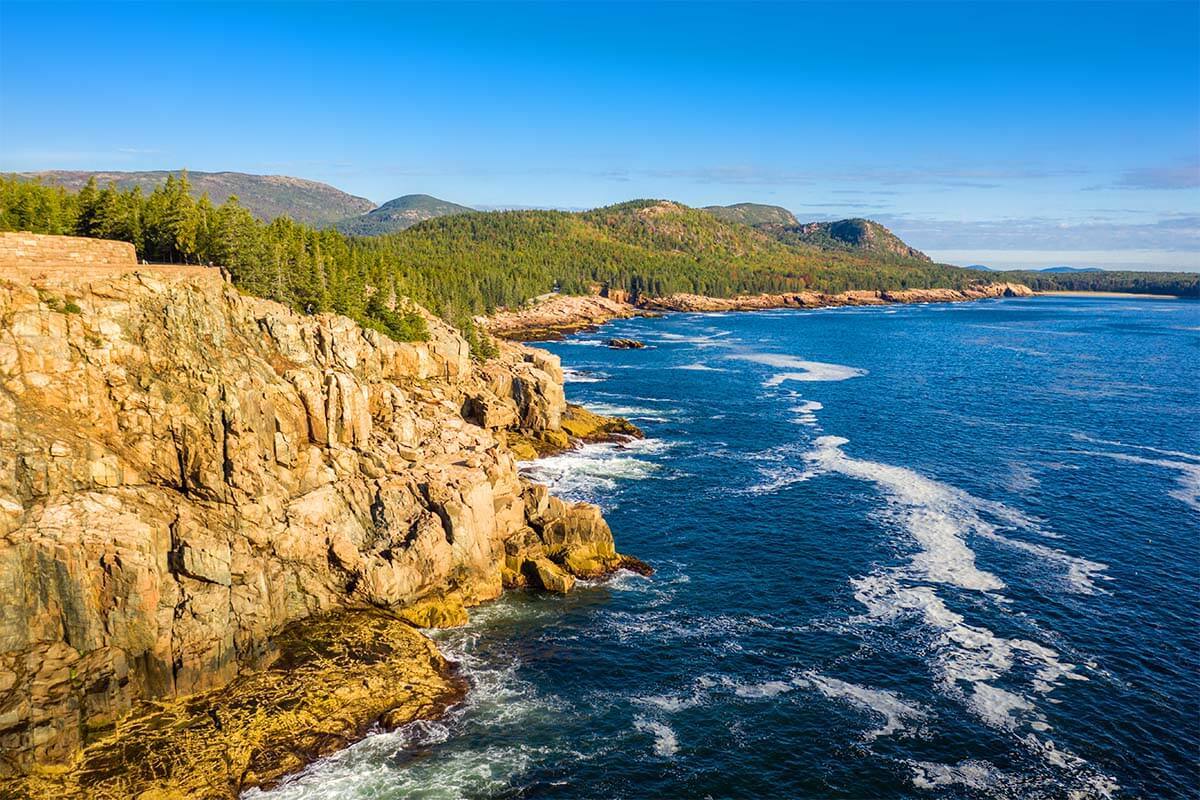
Located primarily on Mount Desert Island off the coast of Maine, Acadia National Park is a unique mosaic of public and private lands. Unlike many sprawling western parks, Acadia’s geography is fragmented, meaning you will frequently cross into town-governed territory while moving between park attractions. The park spans approximately 49,000 acres, encompassing granite peaks, coastline, woodlands, and the historic carriage roads.
Because of this layout, planning your trip requires a clear understanding of the "Park Loop Road," the primary artery for most visitors. This 27-mile road provides access to major highlights like Sand Beach, Thunder Hole, and the Jordan Pond House. However, the popularity of these sites has necessitated strict traffic management systems that define the modern visitor experience.
Mandatory Reservations and Access Requirements
In 2026, the most critical element of your itinerary is the vehicle reservation system for Cadillac Summit Road. This is not a park entry fee; it is a time-specific permit required to drive a personal vehicle to the summit.
- Cadillac Summit Road Reservations: These are released on a rolling basis. A portion is released 90 days in advance, and a smaller percentage is released at 10:00 AM ET two days before the intended date. These sell out almost instantly during the peak summer and fall foliage seasons.
- Park Entrance Pass: Regardless of vehicle reservations, every vehicle entering the park must display an entrance pass. You can purchase these digitally via Recreation.gov or at visitor centers upon arrival. Annual passes and senior lifetime passes are accepted.
Choosing the Best Time to Visit
The "best" time to visit depends on your tolerance for crowds and your interest in specific outdoor activities. Acadia experiences distinct seasons that dramatically shift the availability of services.
- Late May to Early June: The weather is cool, and the crowds are thinner, but black flies and mosquitoes can be intense. Most park roads and campgrounds are open.
- July and August: This is the peak season. Expect heavy traffic, full parking lots by 9:00 AM, and warm, humid weather. This is the optimal time for swimming in Echo Lake or Sand Beach.
- September and October: Historically the most popular time due to the autumn foliage. The weather is crisp and ideal for hiking. However, traffic congestion is at its absolute peak during the Columbus Day/Indigenous Peoples' Day window.
- November to April: The "off-season." Many roads, including the Park Loop Road, close to vehicles in December. While the park remains open for winter recreation, amenities are minimal, and snow removal is limited.
Navigating Logistics: Where to Stay
Accommodation options fall into three categories: inside the park, in the town of Bar Harbor, or in neighboring villages like Southwest Harbor and Northeast Harbor.
- Camping: The park operates three main campgrounds: Blackwoods (open year-round), Seawall (seasonal), and Schoodic Woods. All sites require reservations made months in advance through official government channels. Backcountry camping is prohibited in Acadia.
- Bar Harbor: This is the primary gateway. It offers high density for dining, shopping, and lodging but experiences significant traffic gridlock in the summer.
- The "Quiet Side": Southwest Harbor and Tremont offer a more authentic, slower-paced experience. If you prefer solitude over proximity to the main hub, these areas are superior, though they require a longer drive to reach the Jordan Pond or Cadillac Mountain trailheads.
Transportation and Transit Strategies
The Acadia traffic congestion problem is best solved by utilizing the Island Explorer bus system. This free, propane-powered shuttle service connects the main hubs of Mount Desert Island with the most popular trailheads and points of interest.
Pro Tip: If you are staying in Bar Harbor, you can often leave your car parked for your entire stay. The Island Explorer buses feature bike racks, allowing you to combine bus transit with the park's famous 45-mile carriage road network—which is restricted to non-motorized traffic.
Comparison of Visitor Transport Options
| Feature | Private Vehicle | Island Explorer Shuttle | Rental Bicycle |
|---|---|---|---|
| Convenience | High (freedom of movement) | Medium (follows schedule) | High (on carriage roads) |
| Parking Risk | Extremely High | None | Low |
| Cost | Vehicle Permit Required | Free | Rental Fees Apply |
| Accessibility | Best for mobility issues | Wheelchair accessible | Limited physical range |
Hiking and Recreation Planning
Hiking is the primary activity in Acadia. Trails range from the gentle strolls around Jordan Pond to the challenging, iron-rung ladder trails such as the Beehive or Precipice.
- Safety First: Weather conditions on granite summits change rapidly. Even in August, temperatures at the top of Cadillac Mountain can be 15 degrees cooler than at the shoreline.
- Trail Closures: Periodically, specific trails (notably the Precipice and Jordan Cliffs) are closed to protect nesting peregrine falcons. Always verify current trail status on the official park website before setting out.
- Equipment: Sturdy footwear is essential. Do not attempt technical cliff trails in sandals or casual sneakers.
Frequently Asked Questions
Do I need a reservation to enter the park itself? No, a reservation is not required to enter the park. Reservations are only required for the Cadillac Summit Road during the primary operating season. Your standard entrance fee covers access to all other areas of the park.
Can I drive my RV on all park roads? Most of the park is accessible to standard vehicles, but there are numerous historic stone bridges on the carriage roads and in certain sections of the park with low clearance. Always check the official NPS vehicle clearance guidelines if your vehicle exceeds 10 feet in height.
Are pets allowed on the trails? Acadia is one of the more pet-friendly national parks. Dogs are allowed on most trails and carriage roads, provided they are on a leash no longer than six feet at all times. They are not allowed on Sand Beach during peak hours in the summer.
What should I do if I can't get a Cadillac Mountain reservation? There are many alternative sunrise and sunset locations. Consider hiking the South Ridge Trail of Cadillac (which does not require a vehicle permit) or visiting the Schoodic Peninsula section of the park, which offers a dramatic coastal experience without the heavy crowds of Mount Desert Island.
Are there dining options inside the park? The Jordan Pond House is the only full-service restaurant within park boundaries. It is famous for its popovers and tea service. During peak season, expect significant wait times. It is highly recommended to bring a cooler with your own meals to avoid midday bottlenecks.
Final Recommendation
The most successful way to visit Acadia National Park is to adopt a "park and ride" mentality. Book your lodging as early as possible, secure your Cadillac Summit vehicle permit the moment your window opens on Recreation.gov, and commit to using the Island Explorer shuttle. By decoupling your itinerary from the stress of parking, you will gain the flexibility to explore the quieter trails and carriage roads that truly define the Acadia experience. Always check the official National Park Service website for the most current alerts and weather closures before departing for the trailhead.
Image Gallery