The Second Largest City in the World: A Comprehensive Guide to Delhi
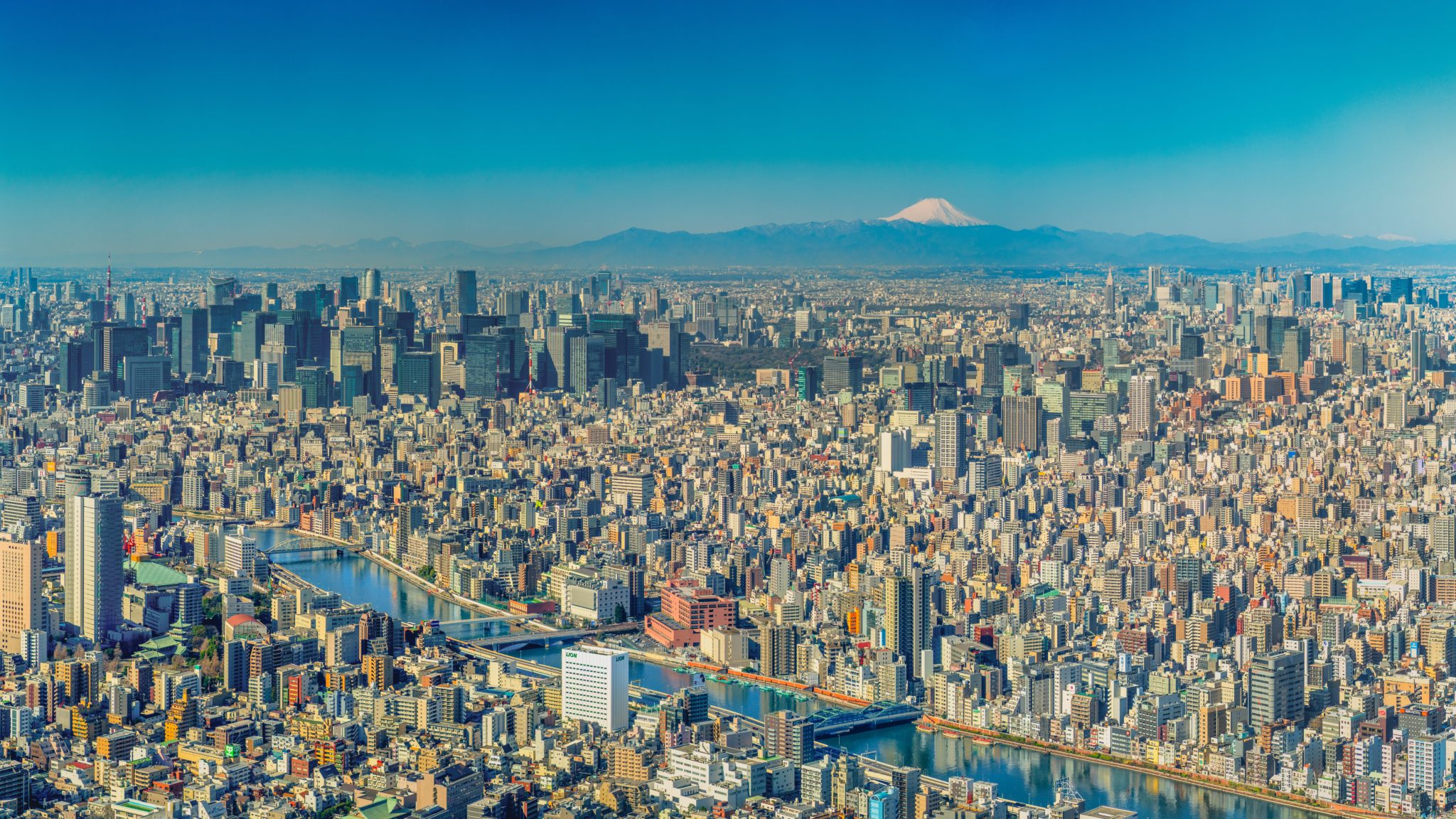
As of 2026, Delhi, India, is the second-largest city in the world by population when measured as an urban agglomeration. With an estimated population exceeding 33 million people, it trails only Tokyo, Japan, while serving as a massive...
As of 2026, Delhi, India, is the second-largest city in the world by population when measured as an urban agglomeration. With an estimated population exceeding 33 million people, it trails only Tokyo, Japan, while serving as a massive economic, cultural, and political powerhouse in South Asia.
Contents
The determination of which city holds the title of "second largest" can vary based on the specific metric used—whether one measures by administrative boundaries (city proper), continuous urban area (agglomeration), or metropolitan region. However, international bodies such as the United Nations and demographic research organizations consistently rank Delhi as the runner-up to Tokyo in terms of total inhabitants within a contiguous urban footprint.
Defining "Largest": Methodology and Classifications
To understand why Delhi is classified as the second-largest city, it is essential to distinguish between the various ways urban size is calculated. Ranking cities is not a simple matter of counting heads; it requires defining where a city begins and ends.
City Proper
The "city proper" refers to a locality defined according to legal or political boundaries. Under this definition, cities like Chongqing or Shanghai often rank higher because their administrative borders encompass vast rural areas and satellite towns. However, this metric is often criticized by urban planners for not accurately reflecting the actual "urban" experience.
Urban Agglomeration
This is the most common metric used by the United Nations World Urbanization Prospects. It includes the central city plus any adjacent territory inhabited at urban levels of residential density. Delhi’s status as the second-largest city is almost always based on this definition, as the city has spilled over its official "National Capital Territory" (NCT) borders into surrounding states.
Metropolitan Area
A metropolitan area includes the urban agglomeration but adds surrounding areas that are socially and economically integrated with the core, often defined by commuting patterns. In India, this is known as the National Capital Region (NCR), which includes Delhi and parts of Haryana, Uttar Pradesh, and Rajasthan.
The Growth and Evolution of Delhi
Delhi’s rise to the position of the world’s second-most populous city is a relatively recent phenomenon. Following India's independence in 1947, the city began a period of rapid expansion that accelerated during the liberalization of the Indian economy in the 1990s.
Historical Context
Delhi has served as the capital of various empires for over a millennium. From the Delhi Sultanate to the Mughal Empire and eventually the British Raj, the city has been a focal point of power. In the 20th century, the British moved their capital from Calcutta to the purpose-built New Delhi, which now sits as a distinct district within the larger Delhi metropolis.
The Migration Factor
The primary driver of Delhi’s population boom is internal migration. Every year, hundreds of thousands of people move to the city from neighboring states like Bihar, Uttar Pradesh, and Punjab. They are drawn by the promise of employment in sectors ranging from government services and manufacturing to a burgeoning technology and startup ecosystem.
Economic Profile of the World's Second Largest City
By 2026, Delhi has solidified its role as a critical node in the global economy. It is not just a political capital but a commercial titan. The city's economy is diverse, featuring a mix of traditional trade, heavy industry, and high-tech services.
Service Sector Dominance
The service sector accounts for the majority of Delhi's Gross State Domestic Product (GSDP). This includes retail, telecommunications, and financial services. The presence of the federal government ensures a steady demand for professional services, legal expertise, and administrative support.
IT and Manufacturing Hubs
While the core of Delhi is administrative, its satellite cities—Gurugram (formerly Gurgaon) and Noida—have become global hubs for Information Technology (IT) and Business Process Outsourcing (BPO). Gurugram, in particular, hosts over half of the Fortune 500 companies' Indian offices, contributing significantly to the region's status as a premier investment destination.
Infrastructure and Connectivity
Managing a city of 33 million people requires an infrastructure network of immense proportions. Delhi has invested heavily in transportation and utilities to keep pace with its growth, though challenges remain.
The Delhi Metro Rail Corporation (DMRC)
The Delhi Metro is often cited as the city's greatest modern achievement. Spanning hundreds of kilometers and multiple "phases," it is one of the world's most extensive and efficient rapid transit systems. By 2026, the completion of further Phase IV lines has improved connectivity to the outermost fringes of the urban agglomeration, reducing the city's reliance on private vehicles.
Indira Gandhi International Airport (DEL)
As the primary gateway to India, Delhi's airport is one of the busiest in the world. Recent expansions have increased its capacity to handle over 100 million passengers annually, facilitating the international trade and tourism that fuel the city's growth.
Road Networks and the Peripheral Expressways
To combat the legendary traffic congestion of the city center, the Indian government developed the Western and Eastern Peripheral Expressways. These bypass roads allow heavy freight traffic to skirt the city, though the sheer volume of local vehicles continues to challenge urban mobility.
Urban Challenges: Environment and Sustainability
Holding the title of the world's second-largest city comes with significant burdens. Delhi faces acute environmental and social pressures that are typical of "megacities."
Air Quality and Pollution
Air pollution remains Delhi's most persistent challenge. During the winter months, a combination of agricultural stubble burning in neighboring states, vehicle emissions, and stagnant weather conditions leads to severe spikes in particulate matter (PM2.5). In 2026, the city continues to implement "graded response" action plans and promotes electric vehicle (EV) adoption to mitigate these health risks.
Water Management and Housing
With a population density that is among the highest in the world, providing clean water and affordable housing is a constant struggle. The Yamuna River, which flows through the city, suffers from heavy pollution, and the city relies on complex agreements with neighboring states to meet its water demands. Additionally, the proliferation of "unauthorized colonies"—informal settlements—highlights the gap between rapid population growth and planned urban development.
Comparison of Global Megacities (2026 Estimates)
The following table compares the top five largest urban agglomerations in the world to provide context for Delhi's scale.
| City/Agglomeration | Country | Estimated Population (Millions) | Approx. Land Area (sq km) | Primary Economic Driver |
|---|---|---|---|---|
| Tokyo | Japan | 37.1 | 8,230 | Finance, Tech, Manufacturing |
| Delhi | India | 33.8 | 2,240 | Government, IT, Services |
| Shanghai | China | 29.2 | 4,000 | Finance, Shipping, Trade |
| Dhaka | Bangladesh | 24.1 | 2,160 | Textiles, Manufacturing |
| Sao Paulo | Brazil | 23.0 | 3,100 | Finance, Industry, Commerce |
Note: Population figures are based on 2026 urban agglomeration projections from UN and demographic databases.
The Future: Will Delhi Become Number One?
Demographic trends suggest that Delhi is on a trajectory to eventually surpass Tokyo as the world's largest city. While Tokyo’s population is aging and slowly declining, Delhi’s population continues to grow due to a younger demographic profile and sustained rural-to-urban migration. Current projections suggest this transition could occur before 2030, making Delhi the most populous urban center in human history.
Frequently Asked Questions
What is the current population of Delhi in 2026?
As of 2026, the population of the Delhi urban agglomeration is estimated to be approximately 33.8 million people. This includes the National Capital Territory and the contiguous urban areas extending into the states of Uttar Pradesh and Haryana.
Why is Tokyo still larger than Delhi?
Tokyo remains the largest city because its metropolitan area is exceptionally vast and densely integrated, covering a much larger land area than Delhi. However, the gap between the two is closing rapidly as Japan's national population shrinks and India's continues to grow.
What is the difference between New Delhi and Delhi?
New Delhi is a small, planned district within the larger city of Delhi. It serves as the seat of the Government of India and the location of all three branches of the federal government. "Delhi" refers to the entire metropolitan region, which includes the historic "Old Delhi" and the modern suburbs.
Is Delhi the largest city in the world by land area?
No. By land area, the New York-Newark urban area is significantly larger than Delhi. Delhi is "large" primarily in terms of population density, meaning more people live within a smaller geographic footprint compared to North American cities.
Is it safe to travel to the world's second-largest city?
Yes, Delhi is a major international tourist destination. Like any megacity, it has areas that require caution, but it offers world-class amenities, luxury hotels, and a rich historical experience. Travelers should be mindful of air quality during the winter months (November to February) and use the Metro for efficient travel.
Practical Recommendations for Navigating Delhi
For business travelers and tourists visiting the world's second-largest city in 2026, planning is essential to manage the scale of the metropolis.
- Use the Metro: Avoid the surface-level traffic whenever possible. The Delhi Metro is air-conditioned, frequent, and covers almost every major commercial and historical site.
- Monitor Air Quality: Check the Air Quality Index (AQI) daily. If you are visiting during the high-pollution season, consider staying in hotels with advanced air filtration systems.
- Explore the Satellites: If your visit is for business, you will likely spend time in Gurugram or Noida. These areas offer a very different, more "corporate" experience than the historic center of Delhi.
- Embrace the History: Despite its modern chaos, Delhi contains three UNESCO World Heritage sites: the Red Fort, Humayun’s Tomb, and the Qutub Minar. Each provides a necessary perspective on how this city became the giant it is today.
Image Gallery