The Identity of Prince Royce: Exploring the Career and Life of Geoffrey Royce Rojas
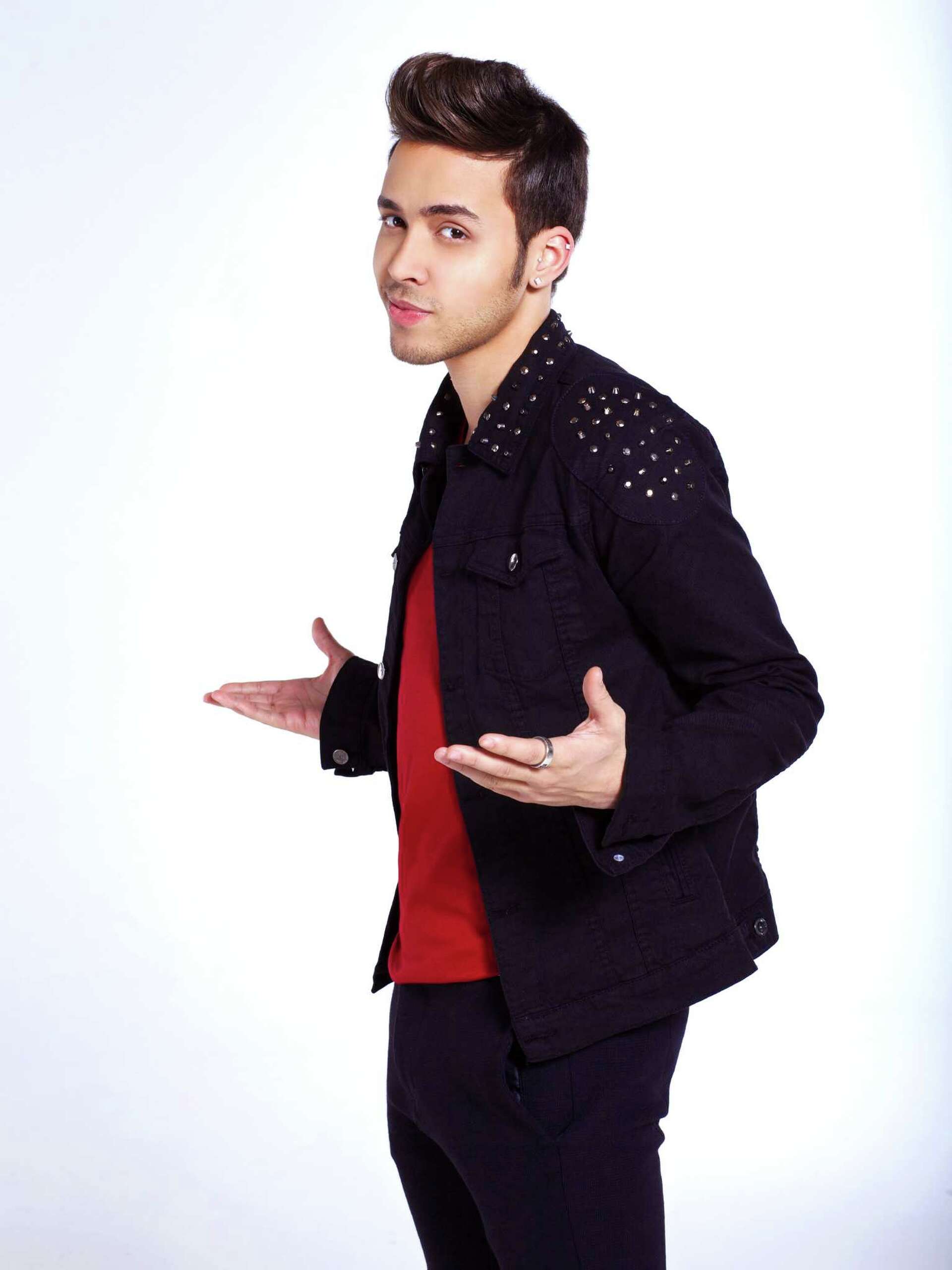
Prince Royce’s real name is Geoffrey Royce Rojas. Born and raised in the Bronx, New York, the singer and songwriter adopted his professional moniker to reflect his royal aspirations within the Bachata genre. While known globally as Pri...
Prince Royce’s real name is Geoffrey Royce Rojas. Born and raised in the Bronx, New York, the singer and songwriter adopted his professional moniker to reflect his royal aspirations within the Bachata genre. While known globally as Prince Royce, his legal identity remains Geoffrey Royce Rojas, a name that roots him in his Dominican-American heritage.
Contents
The Origins of Geoffrey Royce Rojas
Long before he was a multi-platinum recording artist, Prince Royce was simply Geoffrey Royce Rojas, a young man navigating the vibrant, multicultural landscape of the Bronx. Born on May 11, 1989, Geoffrey was the second of four children. His parents had emigrated from the Dominican Republic; his father worked as a taxi driver, and his mother was an employee at a local beauty salon. This upbringing in a working-class immigrant household profoundly shaped his work ethic and his eventual musical style.
Growing up in the Bronx provided Geoffrey with a unique dual perspective. In the streets of New York, he was immersed in hip-hop, R&B, and pop. At home, however, the air was filled with the sounds of traditional Dominican Bachata and Merengue. This cultural duality is the bedrock of his career. As Geoffrey Royce Rojas, he was a student of the city; as Prince Royce, he would become the bridge between these two worlds.
During his teenage years, Geoffrey began writing poetry and experimenting with music. Unlike many Bachata artists who began their careers in the Dominican Republic, Royce’s approach was distinctly urban. He wasn't just singing about the countryside or traditional heartbreak; he was translating those emotions into a language that resonated with second-generation Latinos in the United States who, like him, lived between two cultures.
The Transition from Geoffrey to Prince Royce
The decision to adopt a stage name is a common practice in the music industry, but for Geoffrey Royce Rojas, the choice of "Prince Royce" was a strategic branding move. By 2026, looking back at his nearly two-decade career, it is clear that the "Prince" title was both a marketing masterstroke and a statement of intent. He sought to modernize Bachata, a genre that had historically been viewed as "music of the countryside" or "music of the poor" in the Dominican Republic.
The name "Royce" is taken directly from his middle name, preserving a piece of his legal identity. The addition of "Prince" served to elevate his status and appeal to a younger, more pop-oriented audience. When he entered the scene in 2010, the "King of Bachata" title was already firmly held by Romeo Santos (formerly of Aventura). By positioning himself as the "Prince," Geoffrey Royce Rojas created a space for himself that was respectful of the legends who came before him while signaling a new era for the genre.
This branding allowed him to market himself as a romantic, approachable, and stylish figure. While Geoffrey Rojas might have been any young man from the Bronx, Prince Royce was a curated persona capable of selling out arenas and winning dozens of Latin Billboard Music Awards.
Breaking into the Mainstream: The 2010 Debut
The world first met Geoffrey Royce Rojas through his self-titled debut album, Prince Royce, released in early 2010. The album was a massive success, reaching number one on the Billboard Latin Albums and Tropical Albums charts. Two singles, in particular, defined this era of his career and proved that his hybrid sound had legs.
The first was a Bachata cover of Ben E. King’s "Stand by Me." By taking a classic American soul song and reimagining it with the rhythmic guitars and percussion of Bachata, Royce perfectly illustrated his dual identity. He sang in both English and Spanish, appealing to English-speaking listeners while staying true to his Dominican roots. This track was a breakthrough moment, proving that Bachata could be "cool" and "urban" without losing its essence.
The second major hit from his debut was "Corazón Sin Cara." This track was significant because it was an original composition by Royce himself. It addressed themes of self-esteem and inner beauty, diverging from the more common Bachata themes of betrayal and "amargura" (bitterness). The success of this song solidified his reputation as a songwriter and showed that Prince Royce was more than just a cover artist; he was a creative force with a specific message.
The Evolution of the "Prince of Bachata"
Following his debut, the artist formerly known only as Geoffrey Royce Rojas embarked on a prolific period of growth. His sophomore album, Phase II (2012), incorporated elements of pop and soft rock, further refining the "urban Bachata" sound. The album reached platinum status in the U.S. and Puerto Rico within six months of its release.
As his fame grew, so did the complexity of his productions. By the mid-2010s, Royce was no longer just a Bachata singer. He began to experiment with Latin pop and urban genres, leading to collaborations with some of the biggest names in the industry. These partnerships helped him maintain relevance as musical trends shifted toward Reggaeton and Trap.
Key Collaborations and Genre-Blending
One of the hallmarks of Prince Royce's career has been his ability to collaborate across genres while maintaining his core identity. By working with diverse artists, he expanded his reach beyond the traditional Latin music market.
- Shakira: Their collaboration on "Deja Vu" became a global hit, blending her pop sensibilities with his Bachata mastery.
- Jennifer Lopez and Pitbull: On the track "Back It Up," Royce explored a more commercial, English-language pop sound.
- Daddy Yankee: In songs like "Ven Conmigo," he leaned into the urban movement, showing he could hold his own alongside the titans of Reggaeton.
Alter Ego: The Duality of Geoffrey and Royce
In 2020, the artist released a double album titled Alter Ego, which serves as a definitive exploration of his dual identity. The album was divided into two parts: "Genesis" and "Enigma."
"Genesis" focused on the traditional Bachata sounds that launched his career, acting as a tribute to his roots as Geoffrey Royce Rojas. It featured collaborations with legendary Bachata artists like Marc Anthony and Teodoro Reyes. This half of the album was a reminder to his fans—and perhaps to himself—of where he came from.
"Enigma," on the other hand, was experimental. It delved into R&B, pop, and electronic influences, representing the "Prince Royce" persona that continues to push boundaries and evolve. The Alter Ego project was a critical success, as it allowed him to satisfy longtime fans of traditional Bachata while continuing to innovate in the pop space. This project effectively reconciled the man from the Bronx with the international superstar.
Career Milestones and Achievements
Over the course of his career, Prince Royce has achieved statistics and accolades that place him among the elite of Latin music. As of 2026, his legacy is defined by consistency and a refusal to be pigeonholed.
| Milestone Category | Details |
|---|---|
| Studio Albums | Includes Prince Royce, Phase II, Soy el Mismo, Double Vision, Five, Alter Ego, Llamada Perdida. |
| Chart Dominance | Over 20 Number 1 hits on the Billboard Latin Airplay chart. |
| Awards | Multiple Latin Billboard Music Awards, BMI Awards, and several Latin Grammy nominations. |
| Streaming Impact | Billions of views on YouTube and billions of streams on Spotify, driven by global hits like "Darte un Beso." |
| Touring | Multiple headlining world tours covering the Americas and Europe. |
Personal Life and Public Persona
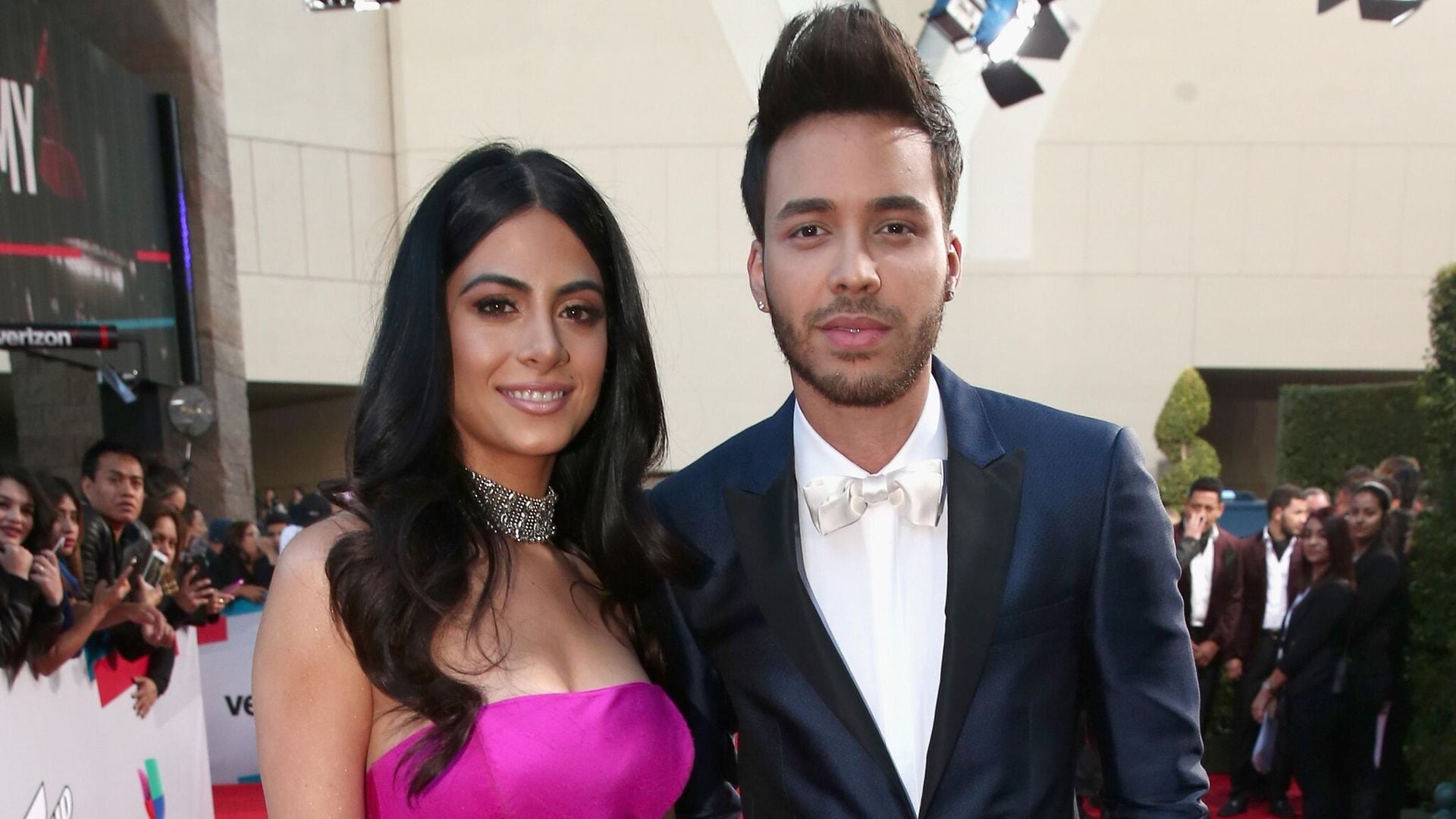
Despite his massive fame, Geoffrey Royce Rojas has managed to keep a relatively low profile regarding his personal life compared to many of his peers. His most public relationship was with actress Emeraude Toubia. The couple was together for many years before marrying in a private ceremony in San Miguel de Allende, Mexico, in late 2018. However, in 2022, they announced their divorce, handling the transition with a level of privacy and mutual respect that is rare in the tabloid-driven world of celebrity culture.
This professional demeanor is a reflection of his Bronx upbringing—a focus on the work rather than the spectacle. Whether he is appearing as a judge on The Voice Kids or performing at a major award show, he maintains a reputation for being disciplined and approachable.
The Significance of the Name in 2026
In 2026, the name Prince Royce represents more than just a singer; it represents a successful brand that has survived the volatile shifts of the music industry. The transition from Geoffrey Royce Rojas to Prince Royce is a blueprint for how an artist can honor their heritage while building a global career.
Today, Royce continues to release music that challenges the definitions of "Tropical" and "Latin Pop." His recent work, including the 2024 album Llamada Perdida, shows a more mature artist who is comfortable in his skin. He no longer feels the need to choose between being a Bachata singer or a pop star; he is simply an artist who uses his diverse background to create music that speaks to a global audience.
FAQs About Prince Royce
Is Prince Royce his real name?
No, his real name is Geoffrey Royce Rojas. He chose "Prince Royce" as his stage name when he began his professional music career to better reflect the romantic and modern nature of his music.
Where was Prince Royce born?
He was born and raised in the Bronx, New York. His parents are Dominican, which gave him a bicultural upbringing that heavily influenced his musical style, blending American urban sounds with traditional Dominican Bachata.
What language does Prince Royce sing in?
He is a bilingual artist. While the majority of his biggest hits are in Spanish, he has released a full English-language album titled Double Vision and frequently incorporates English lyrics into his Bachata tracks to appeal to a wider audience.
Why is he called the "Prince of Bachata"?
The title was popularized early in his career to distinguish him from Romeo Santos, who is known as the "King of Bachata." It reflects his role in the "urban Bachata" movement, which brought the genre to a younger, more mainstream audience in the 2010s.
Is Prince Royce still making music in 2026?
Yes, Prince Royce remains a highly active and influential figure in Latin music. He continues to release new albums, collaborate with emerging artists, and tour internationally, maintaining his status as one of the genre's most consistent hitmakers.
Summary of Next Steps for Fans
For those looking to explore the discography of Geoffrey Royce Rojas further, start with his 2010 self-titled debut to understand the foundations of his sound. To see his evolution, listen to the Alter Ego (2020) album, which provides the best overview of his dual musical identity. Following his official social media channels remains the best way to stay updated on his 2026 tour dates and upcoming releases.
Image Gallery