Is the New York Life Insurance Company Building a Good Investment?
Determining if the New York Life Insurance Company building is a good investment requires distinguishing between the physical landmark at 51 Madison Avenue and the financial products offered by the company. As of 2026, New York Life re...
Determining if the New York Life Insurance Company building is a good investment requires distinguishing between the physical landmark at 51 Madison Avenue and the financial products offered by the company. As of 2026, New York Life remains a mutual company, meaning you cannot buy its stock; however, participating in its life insurance policies allows you to benefit from its massive institutional real estate holdings and historical dividend consistency.
Contents
Understanding the New York Life Investment Structure in 2026
To answer whether the "building" or the company is a good investment, one must first understand that New York Life Insurance Company is a mutual insurance organization. Unlike publicly traded insurers (such as MetLife or Prudential), a mutual company is owned by its policyholders. Consequently, there is no ticker symbol to trade on the New York Stock Exchange.
When people ask about the investment quality of this entity, they are typically referring to one of three things:
- Policy Ownership: Investing in "permanent" life insurance (Whole Life) to receive dividends.
- Institutional Strength: Evaluating the company's "fortress" balance sheet, which is anchored by iconic real estate like 51 Madison Avenue.
- Surrounding Real Estate: Investing in the commercial or residential market in the NoMad (North of Madison Square Park) district where the building is located.
As of 2026, New York Life continues to manage over $700 billion in assets. Its investment strategy is famously conservative, focusing on long-term stability rather than high-risk speculation. For an individual, "investing" in the building is effectively an investment in the company’s ability to meet long-term obligations and pay out dividends to policyholders.
The Landmark at 51 Madison Avenue: A Symbol of Financial Stability
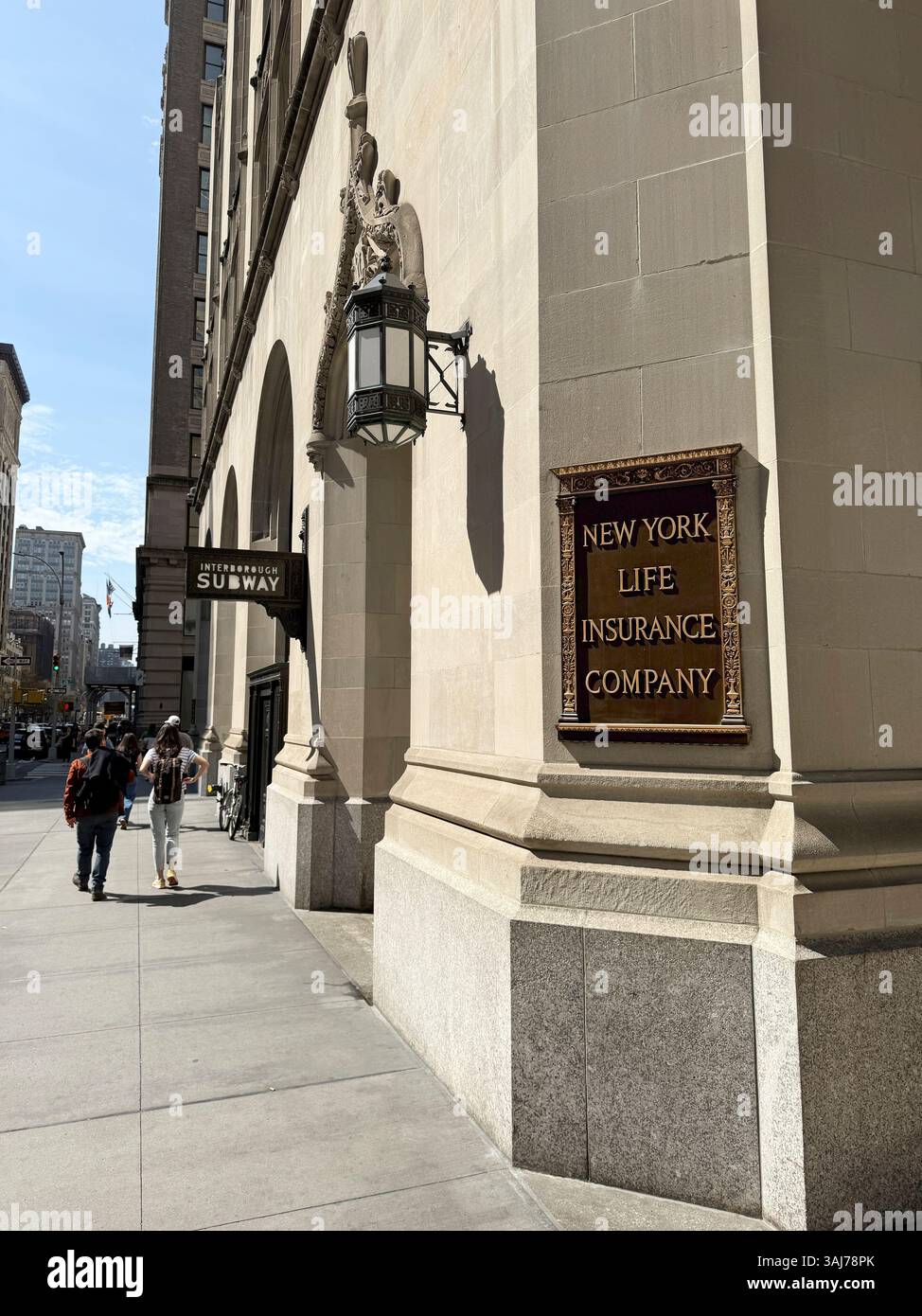
The New York Life Building, a 40-story skyscraper designed by Cass Gilbert and completed in 1928, is more than just an architectural marvel with a gold-leafed roof. In the context of an investment discussion, it represents tangible asset backing.
Real Estate Holdings and the General Account
The company’s General Account—the pool of money used to pay claims and generate dividends—is heavily diversified. A significant portion of this account is allocated to high-quality commercial real estate. Owning its flagship headquarters outright provides the company with a massive, low-cost occupancy hedge and a high-value asset that appreciates over decades.
In the 2026 economic environment, where office space valuations have undergone significant volatility due to remote work shifts, the New York Life Building remains a "Class A" trophy asset. Its historical significance and prime location in the NoMad district ensure that its underlying land value remains among the highest in Manhattan. For a policyholder, this building is a physical manifestation of the company’s surplus and solvency. It serves as a psychological and financial anchor, signaling that the company has the "staying power" to honor 50-year or 80-year life insurance contracts.
Evaluating New York Life Products as an Investment
Since you cannot buy equity in the company, the primary vehicle for "investing" is a Whole Life Insurance policy. In 2026, these products are often used by high-net-worth individuals as a "volatility buffer" or a "private banking" tool.
Whole Life Dividends and Cash Value Growth
New York Life has paid dividends to its participating policyholders every year since 1854. This 172-year streak is a primary reason why many consider the company a "good investment" for conservative capital.
- Guaranteed Growth: The cash value of these policies grows at a contractually guaranteed rate.
- Non-Guaranteed Dividends: While not guaranteed, the dividends paid by New York Life have historically outpaced inflation over long horizons.
- Tax Advantages: In the United States, the cash value grows tax-deferred, and death benefits are generally received income-tax-free.
However, it is important to note that life insurance is a long-term play. In the first 5 to 10 years of a policy, the "investment" often shows a negative return due to the high upfront costs of insurance protection and commissions. By year 15 or 20, the internal rate of return (IRR) typically stabilizes, competing favorably with high-quality corporate bonds but with lower volatility.
Comparing Investment Attributes (2026 Data)
| Feature | New York Life Whole Life | S&P 500 Index Fund | Corporate Bond Fund |
|---|---|---|---|
| Risk Profile | Low (Contractual Guarantees) | High (Market Volatility) | Moderate (Credit/Interest Risk) |
| Liquidity | High (via Policy Loans) | Very High (Daily Trading) | High (Daily Trading) |
| Tax Status | Tax-Deferred Growth | Taxable (Dividends/Gains) | Taxable (Interest) |
| Historical Return | 3% - 5% (Net IRR) | 7% - 10% (Long-term) | 4% - 6% (Varies) |
| Ownership | Mutual (Policyholder Owned) | Shareholder Owned | Debt Instrument |
The Real Estate Market Surrounding 51 Madison Avenue
If your intent is to invest in the physical vicinity of the New York Life Insurance Company building, you are looking at the NoMad and Flatiron districts. As of 2026, this area has transitioned from a purely commercial zone into one of Manhattan's most desirable luxury residential and boutique hotel hubs.
NoMad District Trends and Commercial Outlook
Investing in property near 51 Madison Avenue in 2026 involves navigating a "flight to quality." While older, B-class office buildings in Midtown have struggled, the area surrounding Madison Square Park remains resilient.
- Residential Conversion: Many older commercial buildings near the New York Life headquarters have been converted into high-end condominiums. This has reduced office supply and increased the "neighborhood feel," supporting property values.
- Institutional Neighbors: The presence of New York Life, Credit Suisse, and other major financial institutions provides a stable base of affluent commuters and renters.
- Hospitality Growth: The proliferation of luxury hotels (such as the Ritz-Carlton NoMad) has turned the area into a 24/7 destination, which traditionally bolsters retail and residential real estate returns.
Investing in a REIT (Real Estate Investment Trust) that owns assets in the "Midtown South" submarket is the most accessible way for a retail investor to gain exposure to the neighborhood surrounding the New York Life building.
Potential Drawbacks and Considerations
While New York Life is a symbol of stability, "investing" through their products is not suitable for everyone.
- Opportunity Cost: If the stock market experiences a bull run, the 4-5% returns of a whole life policy will feel stagnant.
- Complexity: These are not "buy and hold" stocks. They require careful structuring (such as using Paid-Up Additions riders) to maximize the investment component.
- Inflation Risk: While dividends help, fixed-income-style investments like insurance can lose purchasing power during periods of hyper-inflation unless the dividend scale rises accordingly.
How to Verify the Company's Current "Investment" Standing
If you are considering New York Life as a home for your capital in 2026, you should verify their financial strength ratings. These ratings represent the "grade" given to the company’s ability to pay out on its "investments" (policies).
- A.M. Best: Look for an A++ (Superior) rating.
- Fitch: Look for an AAA (Exceptionally Strong) rating.
- Moody’s: Look for an Aaa (Exceptional) rating.
- Standard & Poor’s: Look for an AA+ (Very Strong) rating.
As of the 2026 reporting cycle, New York Life continues to hold the highest possible ratings from all four major agencies, a feat achieved by very few financial institutions globally.
Summary of Findings
The New York Life Insurance Company building at 51 Madison Avenue is an excellent "investment" in terms of corporate stability and collateral. For an individual investor:
- As a policyholder: It is a high-quality, low-risk component of a diversified financial plan, offering tax-advantaged growth and a long history of dividends.
- As a real estate investor: The NoMad area surrounding the building remains a premier Manhattan submarket with strong long-term appreciation potential, though entry costs are high.
- As a stock investor: It is not an option, as the mutual structure precludes public stock ownership.
Frequently Asked Questions
Can I buy shares of New York Life Insurance Company?
No, you cannot buy shares. New York Life is a mutual insurance company owned by its policyholders. The only way to "own" a piece of the company is to purchase a participating life insurance policy, which entitles you to vote in board elections and potentially receive dividends.
What is the "dividend scale" for New York Life in 2026?
The dividend scale is announced annually by the board of directors. While the specific percentage varies based on the company's investment performance, mortality experience, and expenses, New York Life has maintained a competitive scale that generally tracks slightly above the prevailing long-term interest rates.
Is the New York Life Building open to public investors?
The building itself is the private headquarters of the company. However, the company occasionally issues surplus notes (institutional debt). These are typically reserved for large institutional investors rather than the general public.
How does the New York Life Building impact the company's dividends?
The building is a part of the company's General Account assets. By owning its headquarters, the company avoids paying rent to third parties and benefits from the property's appreciation. These savings and gains contribute to the overall surplus, which is the pool from which dividends are paid to policyholders.
Is whole life insurance better than a 401(k)?
They serve different purposes. A 401(k) is designed for market-based growth and retirement income, often with a company match. A New York Life whole life policy is a conservative asset providing a death benefit, tax-deferred liquidity, and a "floor" of guaranteed growth. Most advisors recommend using life insurance as a supplement to, not a replacement for, equity-based retirement accounts.
Final Recommendation
If you are looking for a safe haven for capital in 2026, "investing" in New York Life through a well-structured whole life policy is a proven strategy for wealth preservation. The company’s ownership of the 51 Madison Avenue landmark is a testament to its long-term perspective. However, if your goal is aggressive capital appreciation, you should look toward the equity markets or direct real estate investments in the surrounding NoMad district. Always consult with a fiduciary financial advisor to ensure any "investment" in insurance aligns with your overall estate plan and liquidity needs.
Image Gallery