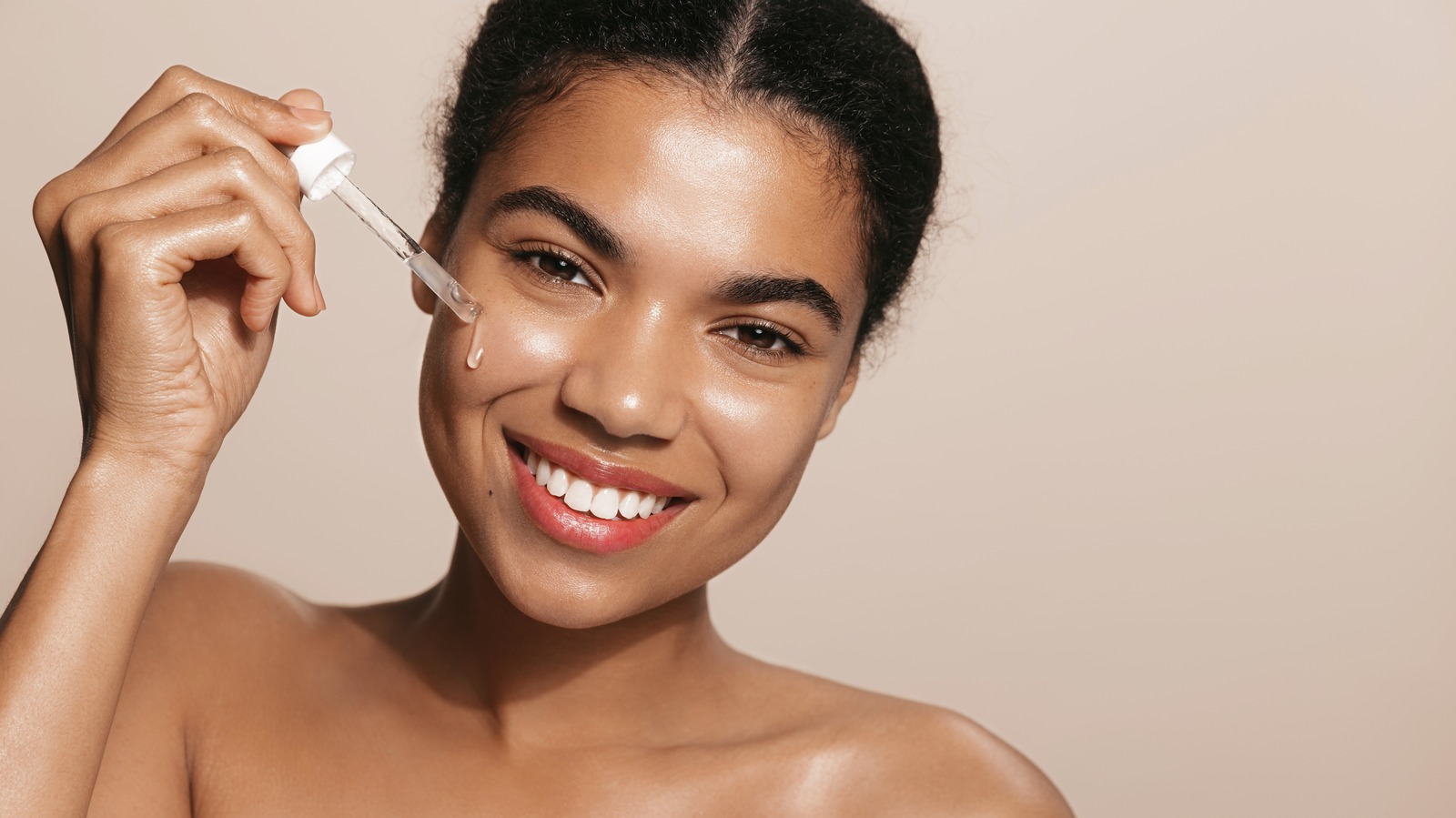
Why the Elena Moussa Photo Matters for Your Skincare Routine
Photos of model, fashion designer, and stylist Elena Moussa frequently attract attention among beauty enthusiasts for her visibly smooth, radiant, and age-defying complexion. Analyzing her photographic appearance offers valuable skinca...
Photos of model, fashion designer, and stylist Elena Moussa frequently attract attention among beauty enthusiasts for her visibly smooth, radiant, and age-defying complexion. Analyzing her photographic appearance offers valuable skincare insights because it illustrates fundamental dermatological principles: maintaining a resilient skin barrier, practicing strict daily sun protection, prioritizing deep epidermal hydration, and emphasizing skin health over heavy cosmetic layering.
Contents
Deconstructing the Aesthetic: What High-Clarity Photos Reveal
When candid or high-resolution photos of public figures like Elena Moussa circulate online, beauty analysts and dermatologists look beyond surface-level glamour. What stands out in these unvarnished or minimally retouched images is not just flawless makeup application, but underlying skin health characterized by high luminosity, smooth epidermal texture, balanced sebum production, and firm skin elasticity.
Achieving skin that looks healthy and vibrant in unedited photography requires systemic skin maintenance rather than last-minute cosmetic fixes. Heavy foundation and thick concealers often settle into fine lines, emphasize dry patches, and accentuate uneven texture under bright or natural light. Conversely, skin that is well-hydrated and structurally sound reflects light evenly—a phenomenon often described as natural luminosity or "glass skin."
Understanding why these visual traits matter helps reorient daily skincare priorities. Rather than attempting to mask structural imperfections with cosmetic coverage, the focus shifts toward optimizing cellular health, strengthening the stratum corneum, and preventing premature photoaging.
Core Dermatological Lessons Behind a Luminous Complexion
Translating high-clarity photographic results into an actionable home routine requires breaking down the core biological factors that determine skin quality. Broadly, skin that displays exceptional clarity and firmness relies on four underlying pillars.
- Pillars of Radiant Skin Health
- Sun Protection: Broad-spectrum UVA/UVB defense
- Barrier Repair: Ceramides & fatty acids
- Active Turnover: Retinoids & Antioxidants
1. Broad-Spectrum Protection Against Photoaging
Ultraviolet (UV) radiation accounts for up to 80% of visible facial aging, including hyperpigmentation, fine lines, loss of elasticity, and uneven skin texture. Photos taken in natural sunlight quickly reveal whether skin has suffered chronic photo damage.
- UVA Rays: Penetrate deeply into the dermis, breaking down collagen and elastin fibers, leading to sagging and structural wrinkles.
- UVB Rays: Affect the superficial epidermal layer, causing sunburn, direct DNA damage, and irregular pigment distribution.
Maintaining smooth, youthful skin requires year-round, daily application of broad-spectrum sunscreen with an SPF of 30 or higher. Tinted mineral sunscreens containing zinc oxide or titanium dioxide offer the added benefit of blocking visible light, which can exacerbate stubborn hyperpigmentation.
2. Barrier Health and Epidermal Lipid Preservation
The moisture barrier—specifically the stratum corneum—acts as a protective shield that retains moisture and defends against environmental irritants, pathogens, and pollution. When the skin barrier is compromised, water escapes through transepidermal water loss (TEWL), resulting in dullness, flaking, redness, and exaggerated fine lines.
Photos showcasing smooth, glowing skin indicate a healthy lipid matrix composed of ceramides, cholesterol, and free fatty acids. Supporting this barrier requires gentle cleansing and avoiding harsh, stripping surfactants that disrupt the skin's natural pH (typically around 4.7 to 5.5).
3. Cellular Turnover and Collagen Support
As skin ages, its natural cell turnover rate slows from approximately 28 days in early adulthood to 45 days or more. This accumulation of dead skin cells leads to a flat, matte surface that scatters light poorly.
Topical active ingredients such as retinoids (retinol, retinaldehyde, or prescription tretinoin) stimulate cellular turnover and promote collagen synthesis in the dermis. Regular use helps refine surface texture, minimize the appearance of enlarged pores, and keep skin looking taut and refreshed in photos.
4. Hydration Mechanics vs. Surface Oils
There is a distinct difference between hydrated skin and oily skin. Hydration refers to the water content inside skin cells, whereas oiliness relates to sebum secretion on the skin surface. High-resolution photography highlights when skin lacks internal hydration, as dehydrating lines become visible even beneath facial oils.
Humectants such as hyaluronic acid, glycerin, and polyglutamic acid draw moisture into the epidermis, swelling the cells slightly to smooth out fine micro-lines and create a plump, light-reflective surface.
Translating Photographic Inspiration into a Daily Routine
Achieving and maintaining healthy skin requires a consistent, streamlined routine tailored to your skin type. Overcomplicating a routine with dozens of competing products often leads to contact dermatitis, irritation, and a damaged skin barrier. Below is an evidence-based daily protocol designed to foster skin clarity and resilience.
The Morning Protocol (Protect & Hydrate)
The primary goal of a morning skincare routine is environmental defense and light surface hydration.
- Gentle Cleanse: Wash with warm water or a low-foam, non-stripping cleanser to preserve natural overnight lipids.
- Antioxidant Serum: Apply a stabilized Vitamin C serum (L-ascorbic acid or tetrahexyldecyl ascorbate) combined with Vitamin E and ferulic acid. Antioxidants neutralize free radicals generated by UV exposure and urban pollution.
- Hydration Layer: Apply a hyaluronic acid or glycerin-based serum to damp skin to lock in moisture.
- Lightweight Moisturizer: Seal hydration using a gel-cream or light emulsion containing ceramides or niacinamide.
- Broad-Spectrum Sunscreen: Apply a generous amount (approximately two finger-lengths for the face and neck) of SPF 30+ sunscreen as the final step before applying any cosmetic products.
The Evening Protocol (Repair & Renew)
The evening routine focuses on thorough cleansing, active cellular renewal, and deep barrier repair while the body undergoes nighttime restorative processes.
- Double Cleanse: Begin with an oil-based cleanser or micellar water to break down sunscreen, makeup, and airborne pollutants. Follow with a gentle water-based cleanser to clean the skin surface.
- Targeted Treatment (Active Phase): Apply a topical retinoid or gentle chemical exfoliant (such as lactic acid or mandelic acid). Note: Avoid mixing strong acids and retinoids on the same evening to prevent barrier breakdown.
- Barrier Repair Moisturizer: Apply a rich cream packed with ceramides, fatty acids, squalane, and soothing agents like panthenol or centella asiatica to prevent moisture loss overnight.
Daily Skincare Protocol Comparison
The following table summarizes the essential components of a complete skincare regimen designed for optimal barrier health and texture clarity:
| Routine Phase | Primary Objective | Key Active Ingredients | Ideal Skin Benefit |
|---|---|---|---|
| AM Cleansing | Remove overnight sweat & sebum | Water or mild amino-acid surfactants | Refreshes skin without stripping moisture barrier |
| AM Antioxidant | Neutralize free radicals & brighten | Vitamin C (L-Ascorbic Acid), Ferulic Acid | Prevents oxidative stress and dark spots |
| AM Hydration | Bind water to epidermal layers | Hyaluronic Acid, Glycerin, Polyglutamic Acid | Plumps surface cells for smooth light reflection |
| AM Defense | Block UVA/UVB rays & blue light | Zinc Oxide, Avobenzone, Tinosorb | Prevents photoaging, sagging, and hyperpigmentation |
| PM Cleansing | Dissolve makeup, SPF, and pollutants | Cleansing oils, lipid-based balms | Ensures clean pores without irritating skin |
| PM Renewal | Accelerate cellular turnover | Retinoids (Retinol, Tretinoin), AHAs/BHAs | Smooths fine lines, refines texture, boosts collagen |
| PM Barrier Repair | Replenish lipids & lock in moisture | Ceramides, Cholesterol, Squalane, Panthenol | Strengthens skin barrier, repairs daily wear |
Common Skincare Mistakes That Dull Complexion
When attempting to mimic the smooth, radiant skin seen in celebrity photography, individuals frequently fall into predictable traps that hinder progress.
Over-Exfoliating the Skin
In pursuit of immediate smoothness, many people overuse physical scrubs, high-concentration alpha-hydroxy acids (AHAs), or beta-hydroxy acids (BHAs). While exfoliation removes dead skin cells, over-exfoliation strips essential protective lipids, causing micro-tears, chronic inflammation, increased sensitivity, and compromised moisture retention.
Masking Skin Issues with Heavy Cosmetics
Relying on high-coverage foundations and heavy powders to cover uneven texture or dullness often exacerbates the problem. Heavy makeup can clog pores, disrupt natural sebum flow, and emphasize dry patches under natural light. Shifting focus to skin health allows for lighter, minimal coverage that highlights natural skin texture.
Neglecting the Neck and Décolletage
The skin on the neck and chest is thinner, contains fewer oil glands, and is equally exposed to solar radiation as the face. Focusing skincare efforts solely on the face results in visible disparity in skin texture, tone, and elasticity between the face and neck over time.
Inconsistent Sunscreen Application
Applying sunscreen sporadically or only on sunny days leaves skin vulnerable to cumulative UVA damage, which penetrates clouds and glass year-round. Consistent daily application is the single most effective intervention for maintaining long-term skin clarity and structural integrity.
Frequently Asked Questions
Why do celebrity skin photos look so dramatically smooth?
Celebrity photos reflect a combination of professional skin maintenance, consistent home skincare routines, strategic lighting, professional makeup application, and high-quality camera optics. While digital editing plays a role in media imagery, baseline skin clarity depends heavily on hydration, collagen density, and an undamaged moisture barrier.
Can a basic home skincare routine achieve radiant, photographic skin?
Yes. A simple, consistent routine built around gentle cleansing, daily broad-spectrum sun protection, humectants, barrier-supporting ceramides, and a retinoid can yield significant improvements in skin texture, tone, and luminosity over time.
How long does it take to repair a damaged skin barrier?
Repairing a compromised moisture barrier typically takes anywhere from two to six weeks of dedicated recovery care. This involves pausing all active ingredients (such as strong retinoids and exfoliating acids) and focusing exclusively on gentle cleansing, hydrating humectants, and ceramide-rich moisturizers.
What ingredient is most critical for smoothing skin texture?
Topical retinoids are widely considered the gold standard in dermatology for refining skin texture. By accelerating cellular turnover and encouraging collagen synthesis in the dermis, regular retinoid use smooths micro-bumps, minimizes fine lines, and promotes even pigmentation.
Does drinking water improve facial luminosity as much as topical products?
Systemic hydration is essential for overall cellular function and general health, but topical hydration plays a more immediate role in epidermal surface volume and light reflection. Humectants applied directly to the skin attract and hold water in the stratum corneum, offering visible plumping benefits that oral water intake alone cannot replicate quickly.
Actionable Steps for Your Routine
To apply these dermatological principles to your own daily routine:
- Audit Your Current Products: Streamline your routine down to a gentle cleanser, an antioxidant serum, a humectant hydrator, a ceramide-rich moisturizer, and a broad-spectrum SPF 30+ sunscreen.
- Introduce Actives Gradually: If incorporating retinoids or chemical exfoliants, start by using them two nights per week, gradually increasing frequency as your skin tolerates them.
- Prioritize Daily UV Protection: Make broad-spectrum sunscreen a non-negotiable daily habit, regardless of the weather or whether you plan to stay indoors near windows.
- Monitor Your Skin Barrier: If your skin experiences stinging, redness, or unexplained tightness, temporarily step back from active treatments and focus on intensive lipid restoration.
Image Gallery