Understanding Life Insurance Conversion: Turning Term into Whole Life in 2026
Turning a term life insurance policy into a whole life policy, a process known as conversion, allows you to transition temporary coverage into permanent protection without undergoing a new medical exam. This contractual right ensures t...
Turning a term life insurance policy into a whole life policy, a process known as conversion, allows you to transition temporary coverage into permanent protection without undergoing a new medical exam. This contractual right ensures that even if your health declines, you can maintain coverage for life while building a tax-advantaged cash value component.
Contents
The Mechanics of the Term-to-Whole Life Conversion
When you "turn" or convert a policy, you are exercising a specific provision found in most modern term life insurance contracts. This provision, often called a conversion rider, grants the policyholder the right to exchange their term certificate for a permanent policy issued by the same insurance carrier. As of 2026, this remains one of the most powerful tools in a policyholder's arsenal because it bypasses evidence of insurability.
In standard insurance applications, your health, lifestyle, and age determine your eligibility and premium rates. However, during a conversion, the insurance company is legally bound to offer you a permanent policy regardless of any medical conditions you may have developed since you first purchased the term policy. Whether you have developed chronic illness, survived a major health event, or simply aged into a higher risk bracket, the insurer cannot deny you coverage or charge you more than a standard healthy person of your current age for that specific permanent product.
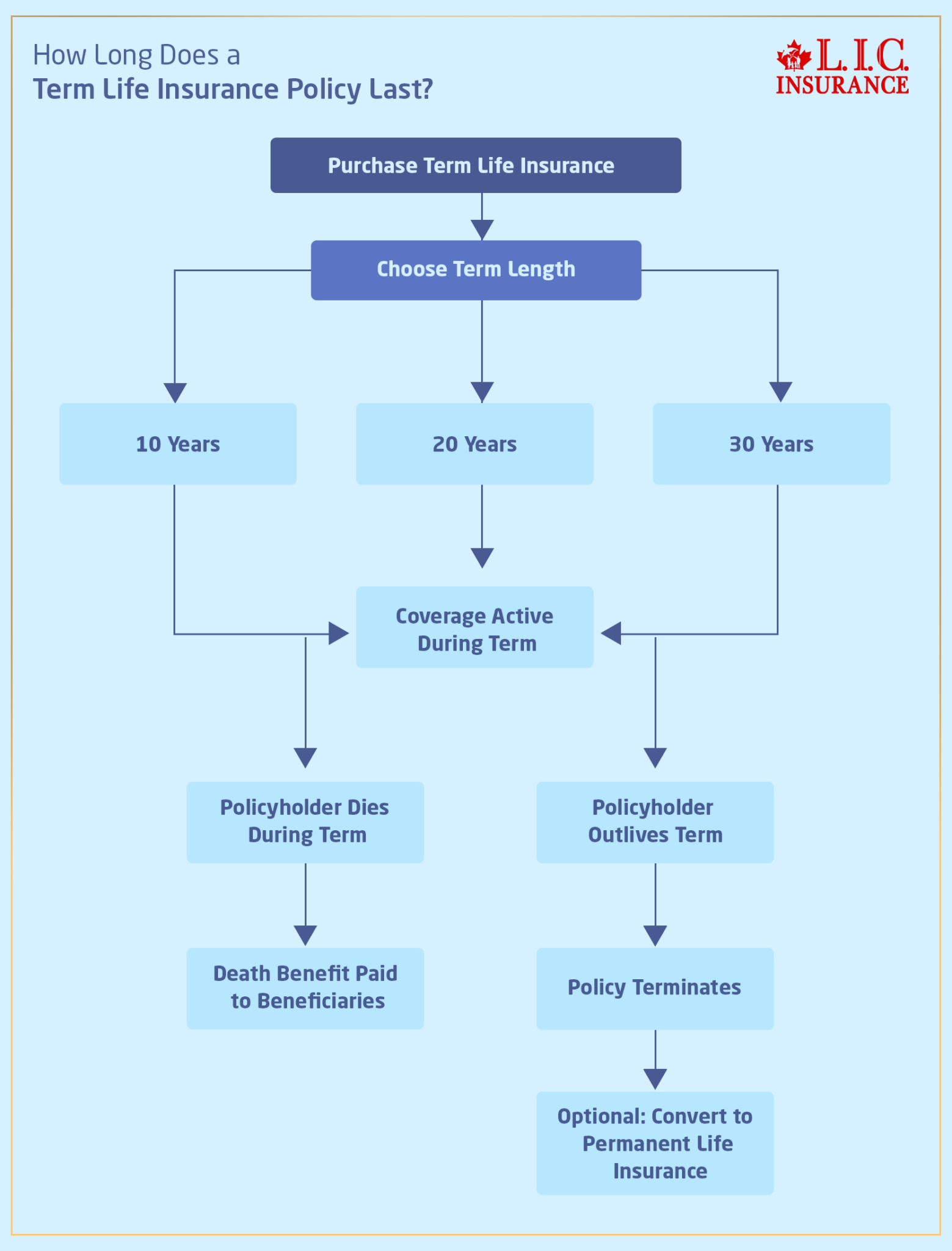
The conversion typically involves moving from a policy that lasts for a set duration (such as 10, 20, or 30 years) to a whole life policy. Whole life is a type of permanent insurance that remains in force for the rest of the insured's life, provided premiums are paid. It also includes a "cash value" account that grows over time on a tax-deferred basis, which the policyholder can eventually borrow against or withdraw.
Conversion Periods and Deadlines
One of the most critical aspects of turning term life into whole life is understanding the conversion window. You cannot convert your policy at just any time; every contract specifies a timeframe during which this option is valid. By 2026, most insurance carriers have standardized these windows to prevent "adverse selection," where only the highest-risk individuals convert at the last possible second.
Common conversion deadlines include:
- The end of the term period: For example, in a 20-year term, you might be allowed to convert up until the 20th year.
- An age-based limit: Many policies state that conversion must happen before the insured reaches age 65 or 70, even if the term period has not yet expired.
- The earlier of the two: Often, the contract specifies that you must convert before the term ends or before you reach age 65, whichever comes first.
Missing this deadline is irreversible. If the conversion window closes, your term policy remains a term policy until it expires. If you want permanent coverage after that point, you would be required to apply for a brand-new policy, which involves a full medical exam and the risk of being "rated" (charged more) or denied entirely based on your current health status.
Why Policyholders Choose to Convert
The decision to turn a term policy into whole life is usually driven by a change in financial goals or a change in health. While term insurance is designed for "if you die," whole life is often viewed as "when you die" coverage.
Managing Changes in Health Status
This is the primary reason for conversion. If a policyholder is diagnosed with a condition like Type 2 diabetes, heart disease, or cancer during their term period, they may realize they will be uninsurable once their term expires. By converting, they lock in permanent coverage that the insurance company can never cancel, regardless of how much the person's health deteriorates in the future.
Long-Term Financial Planning and Estate Needs
In 2026, many individuals use whole life insurance as an estate planning tool. Unlike term insurance, which is intended to replace income during working years (like paying off a mortgage or funding a child's education), whole life can be used to cover estate taxes, provide for a special-needs dependent, or ensure there is a guaranteed legacy for heirs. Since the death benefit is guaranteed to be paid out eventually (as long as premiums are met), it serves as a reliable pillar in a diversified financial plan.
Cash Value Accumulation
Whole life policies are characterized by their ability to build equity. A portion of every premium payment goes into a cash value account. Over decades, this account grows. Policyholders can use this money for various purposes, such as supplementing retirement income or paying for emergency expenses, via policy loans. When you convert a term policy, you start the clock on this cash value growth.
Key Differences: Term vs. Converted Whole Life
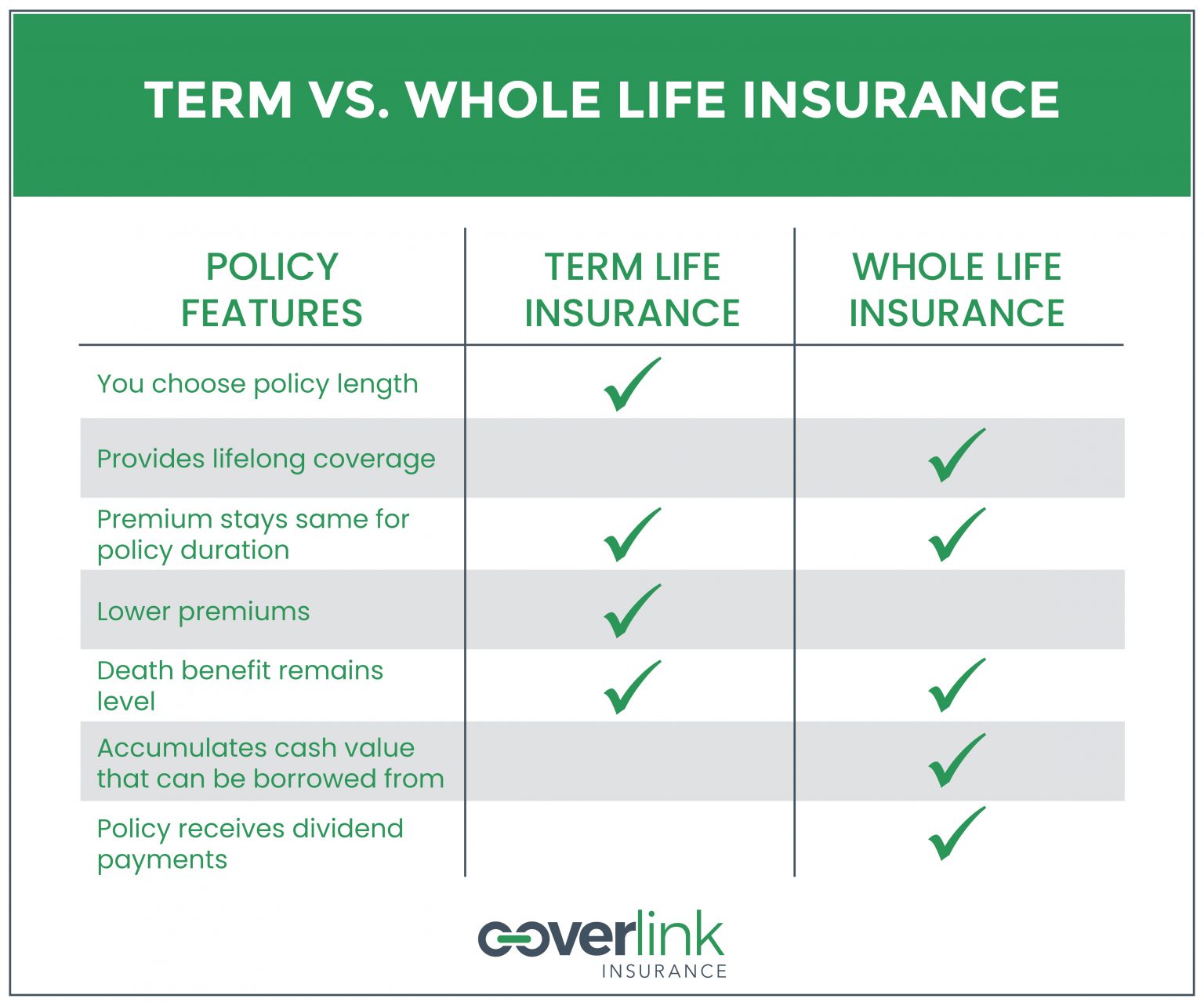
| Feature | Term Life Insurance | Converted Whole Life Insurance |
|---|---|---|
| Duration | Fixed period (10, 20, 30 years) | Lifelong (to age 100 or 121) |
| Premium Cost | Low and level | Significantly higher |
| Cash Value | None | Yes, grows over time |
| Medical Exam | Required at initial application | Not required for conversion |
| Primary Goal | Temporary income replacement | Permanent protection/Asset building |
| Dividends | Not applicable | May be eligible (if a mutual company) |
The Financial Impact: What Happens to Your Premiums?
It is essential to recognize that turning a term policy into a whole life policy will result in a substantial increase in premiums. Whole life insurance is much more expensive than term insurance for two main reasons: the coverage is guaranteed to pay out eventually, and a portion of the premium is diverted into the cash value investment component.
When converting, your new premium is usually based on your attained age. This means the insurance company calculates the cost of the whole life policy based on how old you are at the moment of conversion, not how old you were when you first bought the term policy. For example, if you bought a term policy at age 30 and converted it at age 50, you would pay the whole life rates for a 50-year-old.
Some policies offer an original age conversion, though these are rarer in 2026. In this scenario, the insurer calculates the premium as if you had bought the whole life policy at age 30. While this results in lower ongoing monthly premiums, it requires a large "catch-up" payment to cover the difference in premiums and interest that would have accumulated between age 30 and 50.
Step-by-Step Guide to Converting Your Policy
- Review Your Original Contract: Locate your policy "specifications page" to find the conversion rider. Check for the expiration date of your conversion privilege.
- Request a Conversion Illustration: Contact your insurance agent or the carrier directly. Ask for an "illustration" (a financial projection) showing the costs and projected cash value of the permanent products currently available for conversion.
- Choose Your Product: Insurers often limit conversion options to specific whole life or universal life products. Evaluate these based on their historical dividend performance and internal fees.
- Decide on Full vs. Partial Conversion: You do not have to convert the entire death benefit. For instance, if you have a $1 million term policy, you can convert $250,000 to whole life and let the remaining $750,000 stay as term (or let it expire). This helps manage the increased premium cost.
- Submit the Application: While there is no medical exam, you still must sign a conversion application to formally trigger the change.
- Update Your Beneficiaries: Use the conversion process as an opportunity to ensure your beneficiary designations are still aligned with your current wishes.
Limitations and Potential Drawbacks
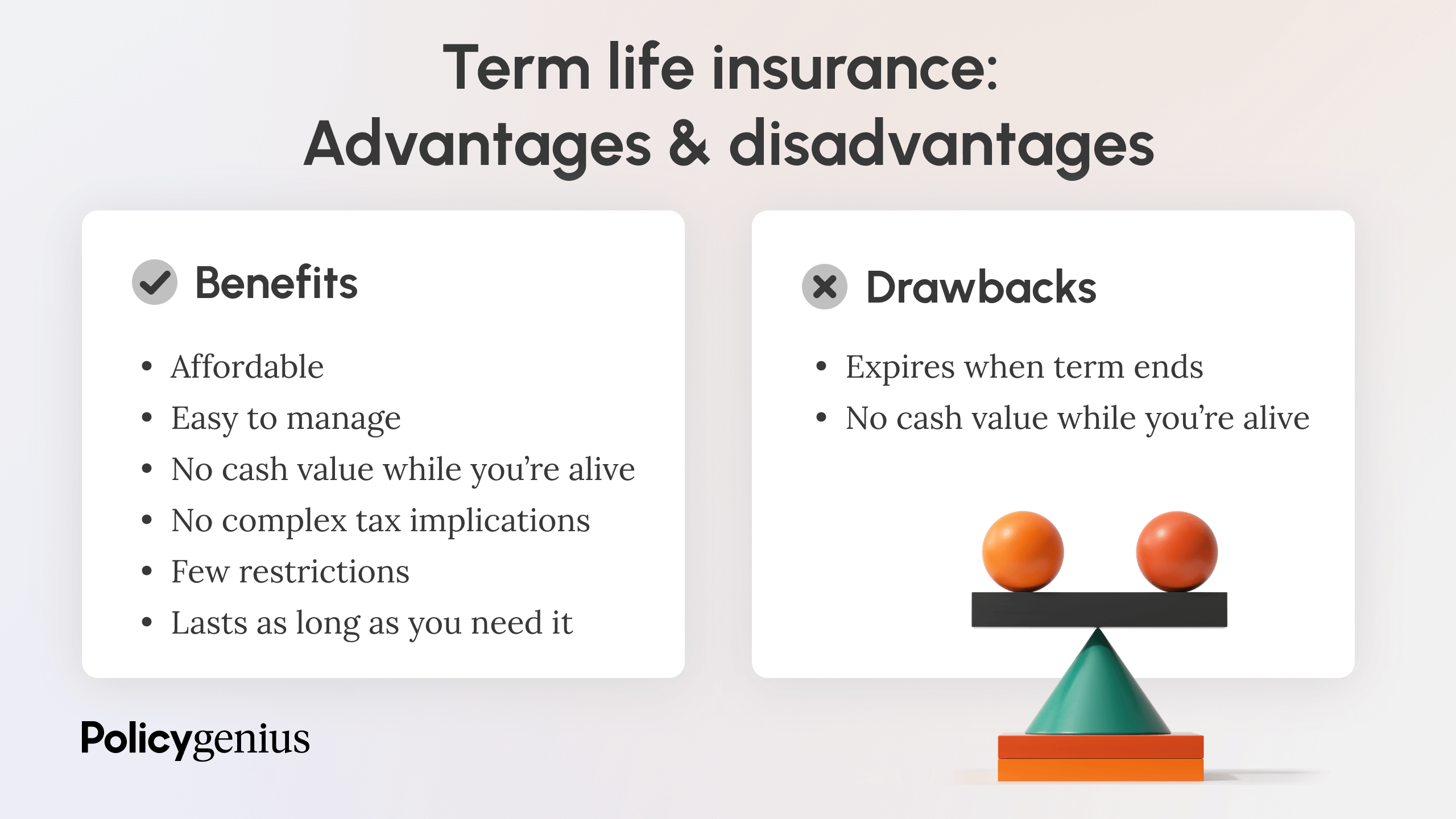
While conversion is a valuable right, it is not always the best financial move for every individual. The most significant drawback is the opportunity cost. Because whole life premiums are so much higher, some financial experts argue that a person might be better off buying a new, cheaper term policy (if they are healthy) and investing the price difference in a brokerage account.
Furthermore, the "menu" of policies available for conversion is often restricted. An insurance company may have its best-performing permanent products reserved for new applicants, while only offering a basic, less competitive whole life policy to those converting from term. It is important to compare the offered conversion product against the broader market to ensure you are receiving fair value.
Finally, consider the surrender charges. New whole life policies often have high fees in the first 10 years. If you convert and then realize you cannot afford the premiums two years later, you may walk away with zero cash value due to these front-loaded costs and surrender penalties.
Alternatives to Full Conversion
If the cost of a full conversion is prohibitive, consider these middle-ground options:
- Partial Conversion: As mentioned, converting only a portion of the death benefit allows you to secure some permanent protection (for final expenses, for example) while keeping your total premium outlay manageable.
- Universal Life Conversion: Some term policies allow conversion into Universal Life (UL) rather than Whole Life. UL policies often offer more flexibility in premium payments, which can be useful if your income fluctuates.
- Laddering: You might convert a portion now and another portion in five years, provided you are still within your conversion window. This allows you to gradually scale up your permanent coverage.
Frequently Asked Questions
Can I turn my term policy into whole life if I have a terminal illness?
Yes. The entire purpose of a conversion rider is to allow individuals with health issues to maintain coverage. As long as you are within the conversion period and your policy is in force (premiums are paid), the company cannot deny the conversion due to your health status.
Will my premiums stay the same after I convert?
No. Your premiums will increase significantly. You are moving from a product that only covers the risk of death for a short period to one that guarantees a payout and builds cash value. However, once you convert to whole life, those new, higher premiums are typically fixed and level for life.
Do I need a physical exam to convert?
No. One of the primary benefits of a conversion provision is the waiver of medical underwriting. You do not need to provide blood samples, medical records, or undergo a physical exam to exercise your right to convert.
Is there a deadline for converting my life insurance?
Yes. Every policy has a specific conversion window. It is often either a set number of years (e.g., the first 10 years of a 20-year term) or until a specific age (usually 65 or 70). You must check your specific policy document to find your deadline.
Can I convert to a policy with a higher death benefit?
Generally, no. You can usually only convert an amount equal to or less than your current term death benefit. If you want more coverage, the insurance company will typically require a new medical exam for the additional amount.
Practical Recommendation
If you are considering turning your term policy into whole life in 2026, your first step should be to request a conversion quote immediately. Even if you aren't ready to make the switch today, knowing the exact cost and the deadline for your specific contract is vital for long-term security. If your health has changed significantly since you first purchased your policy, conversion is likely your most valuable financial asset, as it guarantees you will never be without life insurance. For those in good health, it is wise to compare the cost of a conversion against the cost of a new permanent policy on the open market to ensure you are getting the most competitive rate.
For further information on insurance regulations and policyholder rights, you may consult the National Association of Insurance Commissioners (NAIC) or the Insurance Information Institute (III).
Image Gallery