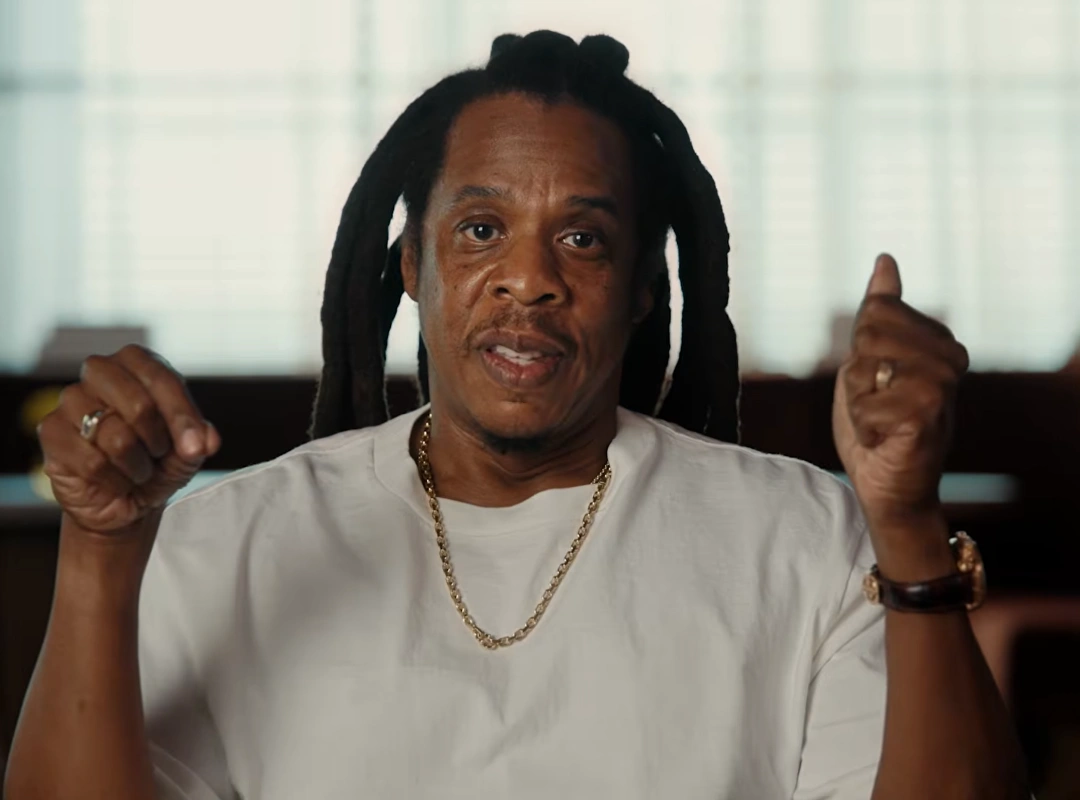
Comprehensive Breakdown of Jay-Z’s Business Ventures and Investment Portfolio
Shawn "Jay-Z" Carter has successfully transitioned from a dominant musical artist to a global business mogul, amassing a net worth estimated at over $2.5 billion as of 2026. His business ventures span luxury spirits, entertainment, ven...
Shawn "Jay-Z" Carter has successfully transitioned from a dominant musical artist to a global business mogul, amassing a net worth estimated at over $2.5 billion as of 2026. His business ventures span luxury spirits, entertainment, venture capital, and technology, characterized by a strategy of ownership and high-value exits.
Contents
The Foundation: Roc-A-Fella Records and Vertical Integration
The genesis of Jay-Z’s business empire was born out of necessity. In 1995, after being rejected by every major record label, Jay-Z, alongside partners Damon Dash and Kareem "Biggs" Burke, founded Roc-A-Fella Records. This move was more than a creative outlet; it was a fundamental shift in the music industry's power dynamic. By owning his masters and controlling the distribution of his music, Jay-Z established a blueprint for independent success that he would replicate across other industries.
The success of the label allowed Jay-Z to experiment with vertical integration. Recognizing that his influence extended beyond music into lifestyle and fashion, he co-founded Rocawear in 1999. The apparel brand became a cultural phenomenon, capitalizing on the "urban" fashion trend of the early 2000s. In 2007, Jay-Z demonstrated his acumen for timing an exit, selling the rights to the Rocawear brand to Iconix Brand Group for $204 million in cash, while retaining leadership of the brand's marketing and product development.
The Spirits Empire: Armand de Brignac and D’Ussé
The most significant contributors to Jay-Z’s billionaire status are his ventures in the luxury spirits market. These investments highlight his ability to identify market gaps and leverage his personal brand to create premium consumer demand.
Armand de Brignac (Ace of Spades)
In 2006, following a public boycott of Cristal champagne due to perceived derogatory comments from the brand’s executive, Jay-Z featured a gold bottle of Armand de Brignac (commonly known as "Ace of Spades") in his "Show Me What You Got" music video. He eventually acquired a 50% stake in the brand, and in 2014, he bought out the remaining interest from Sovereign Brands.
In February 2021, Jay-Z sold a 50% stake in Armand de Brignac to Moët Hennessy (the wines and spirits division of LVMH). This partnership was a landmark moment for celebrity-owned brands, valuing the champagne house at a level comparable to legacy European brands. The deal provided Jay-Z with massive liquidity while keeping him integrated into the global distribution network of the world’s largest luxury goods company.
D’Ussé Cognac
In 2012, Jay-Z entered a joint venture with Bacardi to launch D’Ussé, a premium Cognac. Positioned to compete with brands like Hennessy and Rémy Martin, D’Ussé experienced rapid growth, particularly in the North American market. By 2023, following a legal dispute regarding the valuation of the brand, Jay-Z reached an agreement to sell a majority of his stake back to Bacardi for an estimated $750 million. He retained a significant minority ownership, ensuring continued participation in the brand's long-term growth.
Roc Nation: A Multi-Vertical Entertainment Powerhouse
Founded in 2008 in partnership with Live Nation, Roc Nation has evolved from a traditional talent management agency into a full-service entertainment company. Its influence is felt across multiple sectors:
- Music Management and Label: Representing high-profile artists such as Rihanna, Alicia Keys, and J. Cole.
- Roc Nation Sports: Launched in 2013, this division manages athletes in the NBA, NFL, MLB, and international soccer (football). By focusing on "total athlete management," including marketing and philanthropy, the agency disrupted the traditional sports representation model.
- Social Impact and Philanthropy: Through Team ROC, the company engages in social justice reform, legal aid, and policy advocacy, which has bolstered Jay-Z’s reputation as a socially conscious leader.
- Television and Film: Roc Nation has secured production deals to create documentaries and scripted content, further diversifying its revenue streams.
Technology and Media: The Tidal Acquisition and Exit
Jay-Z’s foray into the technology sector was marked by the 2015 acquisition of Aspiro, the parent company of the streaming service Tidal, for $56 million. Tidal was marketed as the "artist-owned" streaming platform, offering high-fidelity audio and exclusive content.
While Tidal struggled to compete with the sheer scale of Spotify and Apple Music, Jay-Z once again proved his ability to navigate high-value exits. In 2021, he sold a majority stake in Tidal to Jack Dorsey’s Square (now Block, Inc.) for approximately $300 million in cash and stock. This transaction validated the niche value of the platform and resulted in Jay-Z joining the board of directors at Block.
Marcy Venture Partners and Strategic Investing
Through Marcy Venture Partners (MVP), co-founded with Jay Brown and Larry Marcus, Jay-Z has become a significant player in the venture capital world. Named after the Marcy Houses in Brooklyn where he grew up, the firm focuses on consumer-facing startups that intersect with culture and technology.
- Notable Portfolio Companies: MVP has invested in diverse entities including SpaceX, the vegan food brand Impossible Foods, and the skincare line Savage X Fenty.
- Arrive: This is a subsidiary of Roc Nation focused on seed-stage startups, providing them with the branding and marketing muscle of the Roc Nation ecosystem. Notable early investments included Uber, which Jay-Z famously invested in during its early stages, a move that eventually yielded a massive return upon the company’s IPO.
The Cannabis Sector: Monogram
In 2020, Jay-Z launched Monogram, a luxury cannabis brand, in partnership with The Parent Company (TPCO). As the Chief Visionary Officer of TPCO, he sought to bring a premium, high-end experience to the legal cannabis market. Monogram focuses on artisanal craft and high-quality flower, aiming to redefine the "connoisseur" segment of the industry. Beyond the product, Jay-Z has used this platform to address the disproportionate impact of cannabis prohibition on minority communities through various social equity programs.
Summary of Key Business Transactions
The following table outlines the major milestones in Jay-Z's business career, highlighting the strategic nature of his acquisitions and divestments.
| Venture | Sector | Key Action | Estimated Impact/Value |
|---|---|---|---|
| Rocawear | Apparel | Sold to Iconix (2007) | $204 Million Exit |
| Armand de Brignac | Spirits | 50% Sale to LVMH (2021) | Multibillion-dollar valuation |
| D’Ussé | Spirits | Majority Stake Sale (2023) | $750 Million Liquidation |
| Tidal | Streaming | Majority Sale to Block (2021) | $300+ Million Value |
| Roc Nation | Entertainment | Ongoing Partnership | Multi-vertical revenue |
| Marcy Venture Partners | Venture Capital | Portfolio Management | Diverse tech & consumer assets |
Frequently Asked Questions
How did Jay-Z become a billionaire?
Jay-Z reached billionaire status in 2019 primarily through his diverse portfolio rather than music sales alone. His wealth is anchored by his stakes in Armand de Brignac and D’Ussé, his ownership of Roc Nation, his extensive art collection, and his early-stage investments in tech companies like Uber.
Does Jay-Z still own Roc Nation?
Yes, Jay-Z remains the primary owner and visionary behind Roc Nation. While the company has various partnerships (most notably with Live Nation), it remains the central hub for his entertainment and sports management ventures.
What is Jay-Z's investment strategy?
Jay-Z’s strategy is often described as "ownership over everything." He prefers to own the assets he promotes (the "masters" of his business deals). He also focuses on high-margin luxury goods and industries where he can influence culture. His venture capital approach through Marcy Venture Partners targets consumer-centric companies with high growth potential.
What happened to Jay-Z's investment in Uber?
Jay-Z was an early investor in Uber, reportedly putting $2 million into the company when it was valued at much lower levels. Following Uber's IPO and subsequent growth, this investment is cited as one of the most successful "seed" plays in his portfolio, contributing significantly to his net worth.
Is Jay-Z involved in real estate?
While not his primary focus, Jay-Z has significant real estate holdings. This includes luxury residential properties in Bel-Air, East Hampton, and Tribeca. He also owned the 40/40 Club chain of sports bars and lounges, which served as a precursor to his larger hospitality and lifestyle ventures.
Practical Recommendation for Entrepreneurs
Jay-Z's career offers a masterclass in brand equity and ownership. For entrepreneurs, the primary takeaway is the importance of controlling the "masters" of your business—whether that is intellectual property, brand rights, or distribution channels. Instead of merely being a spokesperson for other brands, Jay-Z built his own, ensuring that the value he created through his cultural influence stayed within his own ecosystem. Investors should look for opportunities where they can apply their specific expertise or influence to "scale" a product's value, rather than acting as passive capital.
Image Gallery