The Most Hated Fictional Characters of All Time: A Critical Analysis of Villainy and Audience Psychology
When audiences passionately detest a fictional character, it is often a testament to exceptional writing, brilliant acting, or a potent mix of both. The most hated fictional characters of all time are not merely poorly written annoyanc...
When audiences passionately detest a fictional character, it is often a testament to exceptional writing, brilliant acting, or a potent mix of both. The most hated fictional characters of all time are not merely poorly written annoyances; they are meticulously crafted psychological pressure points that elicit genuine rage, disgust, and frustration from readers and viewers across generations.
Contents
Evaluating why certain literary and cinematic figures provoke such intense animosity reveals fascinating truths about human psychology, narrative structures, and the fine line between loving a villain and wanting them permanently removed from the story. From treacherous betrayers in epic fantasy to infuriating antagonists in prestige television, these figures have earned their infamous places in cultural history.
The Psychology of Fictional Animosity: Why We Hate Who We Hate
Understanding why certain characters become universally reviled requires examining the difference between a "good" villain and a character who simply ruins the viewing or reading experience. Audiences often love charismatic, complex villains like Hannibal Lecter or Darth Vader because they possess grand ambition, style, or tragic depth.
Conversely, the characters people truly hate tend to embody specific traits: petty cruelty, absolute powerlessness mixed with malicious authority, hypocrisy, or the betrayal of an innocent trust. When a character inflicts psychological torment on beloved protagonists without facing immediate consequences, the audience experiences proxy frustration. This emotional investment proves that the narrative is working, turning passive consumption into active, visceral engagement.
Narrative Function vs. Audience Reception
Writers deploy unlikable characters for distinct narrative purposes. Some are designed to drive the plot forward through sheer malice, while others serve as cautionary tales or mirrors for societal flaws. However, a distinct category exists where the audience's hatred stems from narrative missteps—such as characters introduced solely to create artificial conflict, commonly known as plot devices or irritation sinks.
The enduring legacy of the most despised figures usually rests on how effectively they manipulate the reader's moral compass. If a character consistently undermines justice, betrays loyalty, or displays unearned arrogance, the resulting hatred becomes a unified cultural consensus.
Iconic Literary and Cinematic Figures We Love to Despise
History across novels, plays, and film yields several titans of toxicity. Examining these individuals provides a clear picture of what constitutes elite-tier fictional antagonism.
Joffrey Baratheon (Game of Thrones)
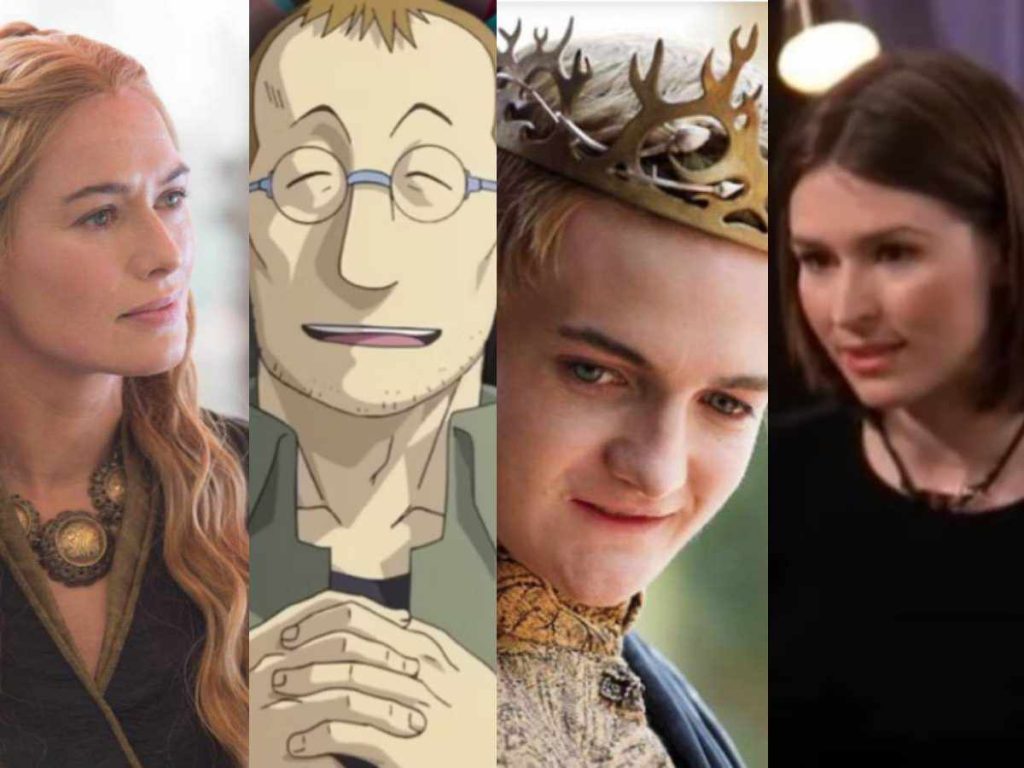
Few characters in modern television history inspired the level of global animosity directed at Joffrey Baratheon, brilliantly brought to life by Jack Gleeson in the HBO adaptation of George R.R. Martin’s A Song of Ice and Fire. Unlike seasoned villains driven by political strategy or survival, Joffrey is a spoiled, sadistic child endowed with absolute monarchical power.
His cruelty lacks philosophical depth; it is petty, cowardly, and inflicted upon the vulnerable. From ordering the execution of Ned Stark to his sadistic treatment of Sansa Stark, Joffrey represents the absolute worst aspects of unchecked entitlement. The universal celebration accompanying his eventual demise remains a cultural touchstone for television audiences.
Dolores Umbridge (Harry Potter series)
While Lord Voldemort serves as the grand, magical existential threat of J.K. Rowling’s wizarding universe, it is Dolores Umbridge who frequently claims the title of the most hated character in the franchise. The reason is simple: Voldemort is a fantasy monster, but Umbridge is painfully real.
Everyone has encountered a bureaucratic tyrant who weaponizes rules, institutional power, and a sickeningly sweet facade to crush individuality and dissent. Her pink cardigans, decorative cat plates, and sadistic punishments under the guise of "educational decrees" make her deeply recognizable and intensely infuriating.
Nurse Ratched (One Flew Over the Cuckoo's Nest)
Ken Kesey’s 1962 novel and the subsequent 1975 film introduced a masterclass in institutional oppression through Nurse Mildred Ratched. Operating within an Oregon psychiatric hospital, Ratched rules her ward not through overt physical violence, but through passive-aggressive manipulation, gaslighting, and the absolute denial of human dignity.
She maintains control by exploiting the vulnerabilities of the patients, turning therapeutic groups into psychological torture sessions. Her calm, unflappable demeanor in the face of human suffering makes her a chilling symbol of cold, systemic bureaucracy.
Percy Weasley (Harry Potter series)
While not physically violent like Voldemort or institutionally sadistic like Umbridge, Percy Weasley earns intense reader animosity through his profound pompousness and betrayal of family during a time of crisis. Driven by ambition and a blind faith in corrupt institutional authority (the Ministry of Magic), Percy turns his back on his impoverished, loving family when they need unity the most. His self-righteous letters and stubborn refusal to acknowledge reality until it is almost too late make him the ultimate archetype of the arrogant careerist.
Comparative Overview of Iconic Hated Figures
| Character Name | Source Material / Medium | Primary Source of Hatred | Ultimate Narrative Impact |
|---|---|---|---|
| Joffrey Baratheon | Game of Thrones (Books/TV) | Cowardly sadism, petty cruelty, absolute entitlement. | Catalyst for major political turmoil; universally satisfying downfall. |
| Dolores Umbridge | Harry Potter (Books/Film) | Bureaucratic tyranny, hypocritical sweetness, real-world familiarity. | Exposes the corruption within institutions and the banality of evil. |
| Nurse Ratched | One Flew Over the Cuckoo's Nest | Emotional manipulation, institutional control, stripping of dignity. | Highlights the crushing weight of institutional conformity over individuality. |
| Percy Weasley | Harry Potter (Books/Film) | Arrogance, familial betrayal, blind bureaucratic loyalty. | Serves as a cautionary tale about ambition overriding moral duty. |
The Nuance of "Hated" Characters: Bad Writing vs. Good Villainy
It is vital to distinguish between characters who are hated because they are brilliantly written antagonists and those who are despised because they disrupt narrative cohesion.
The Masterclass Antagonist
Characters like Joffrey and Umbridge succeed because the audience's hatred aligns with the author's intent. Every action they take deepens the thematic resonance of the story. They test the heroes' resolve and force growth, making eventual triumphs vastly more rewarding. Without effective villains, heroic arcs lack tension and stakes.
The Detrimental Irritation
Conversely, characters are sometimes universally rejected due to poor execution. This category includes figures written with inconsistent logic, grating comedic relief that falls flat, or narrative shielding that allows them to escape consequences repeatedly despite harming the story. When fans reject a character because their presence makes the media actively difficult to enjoy, the writing has failed its fundamental purpose.
Frequently Asked Questions
What makes a fictional character universally hated?
Universal hatred usually stems from traits like petty cruelty, hypocrisy, betrayal of trust, and the abuse of power over the vulnerable. When these traits are combined with a lack of redeeming qualities or immediate narrative consequences, audiences develop intense personal animosity toward the character.
Is hating a villain a sign of good writing?
Yes, when the hatred is intentional. If a reader or viewer feels genuine frustration toward a villain's actions while remaining engaged with the plot, it demonstrates that the author has successfully created high emotional stakes and compelling conflict.
Why do readers hate Dolores Umbridge more than Voldemort?
Voldemort is an abstract, supernatural dark wizard, making him easier to view as a traditional fantasy threat. Umbridge represents institutional oppression, petty micromanagement, and systemic cruelty, which readers frequently recognize from their own lived experiences in schools, workplaces, and bureaucracies.
Are poorly written characters considered "hated" in the same way?
No. Deliberately written villains inspire engagement and narrative satisfaction when they face justice. Characters who are disliked due to poor writing usually cause apathy, frustration with the creators, or a desire to skip their scenes entirely rather than engaging with the story's themes.
How do actors influence audience hatred of a character?
Skilled actors elevate written text by infusing antagonists with physical mannerisms, micro-expressions, and vocal inflections that heighten their repulsive qualities. Performers like Jack Gleeson or Imelda Staunton achieved legendary status precisely because their portrayals made their characters intensely vivid and visceral.
Conclusion and Next Actions
The exploration of literature and cinema's most despised figures highlights the profound emotional connection between audiences and storytelling. Whether analyzing the institutional tyranny of Nurse Ratched or the royal sadism of Joffrey Baratheon, these characters fulfill a critical narrative function by challenging our moral sensibilities.
For writers and analysts, studying these figures offers a masterclass in character dynamics, proving that eliciting strong negative emotions is often far more difficult—and impactful—than securing simple affection. When revisiting classic media or evaluating new releases, pay close attention to how antagonists are constructed to test whether their unlikability stems from brilliant craftsmanship or structural flaws.
Image Gallery